

Antique Tall Side Table
An antique tall side table brings practical surface space to awkward corners without dominating the room.
What an antique tall side table is
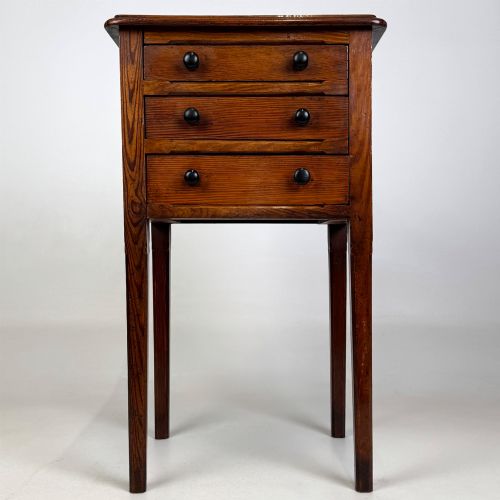
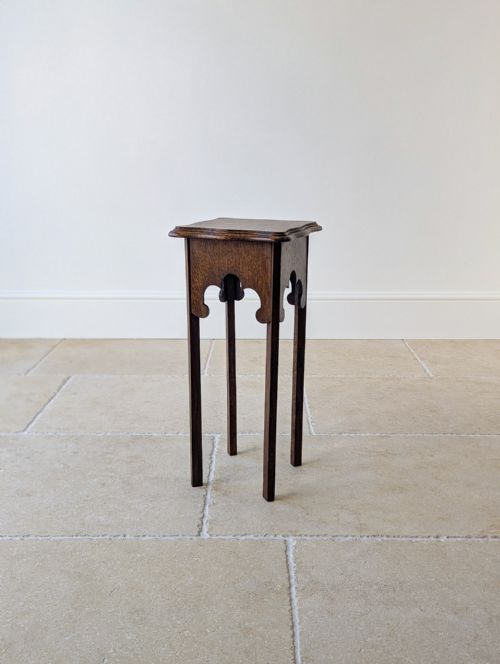
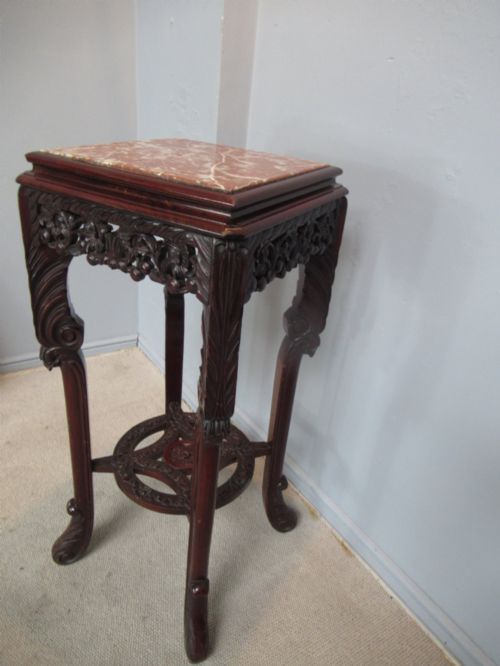
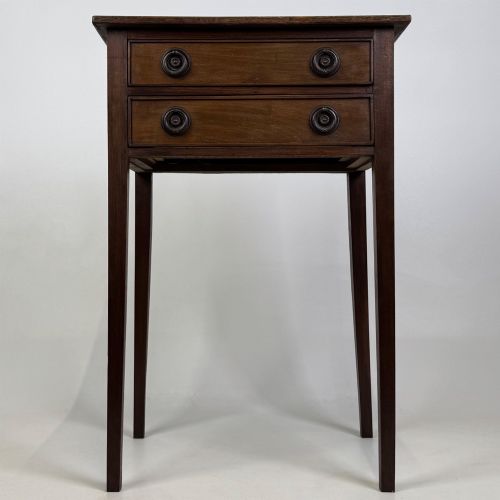
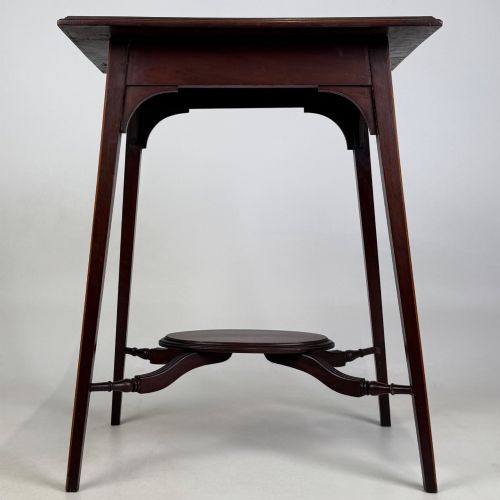
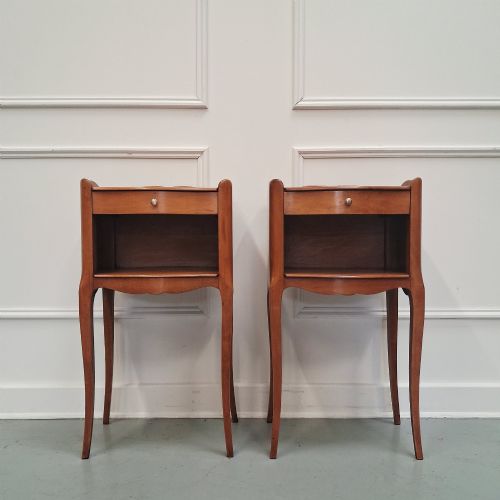
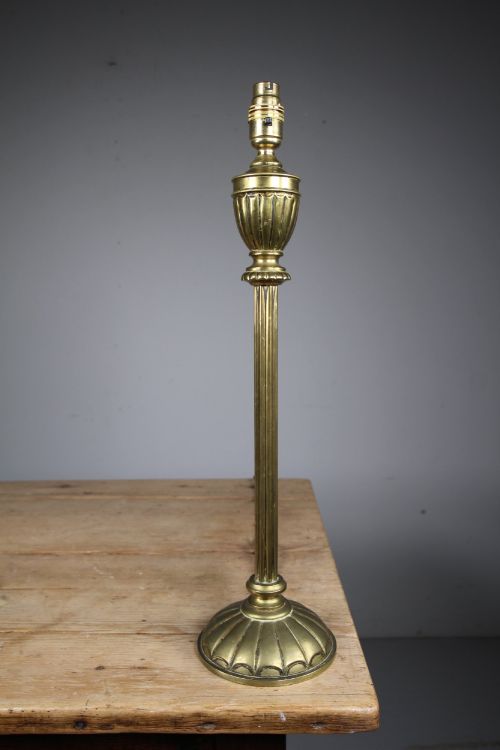
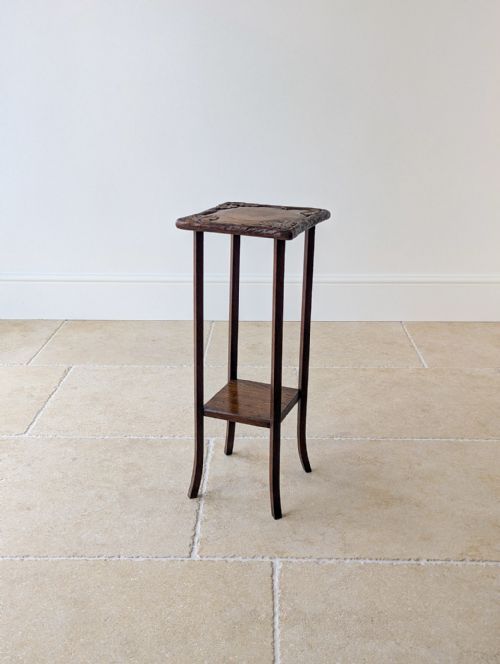
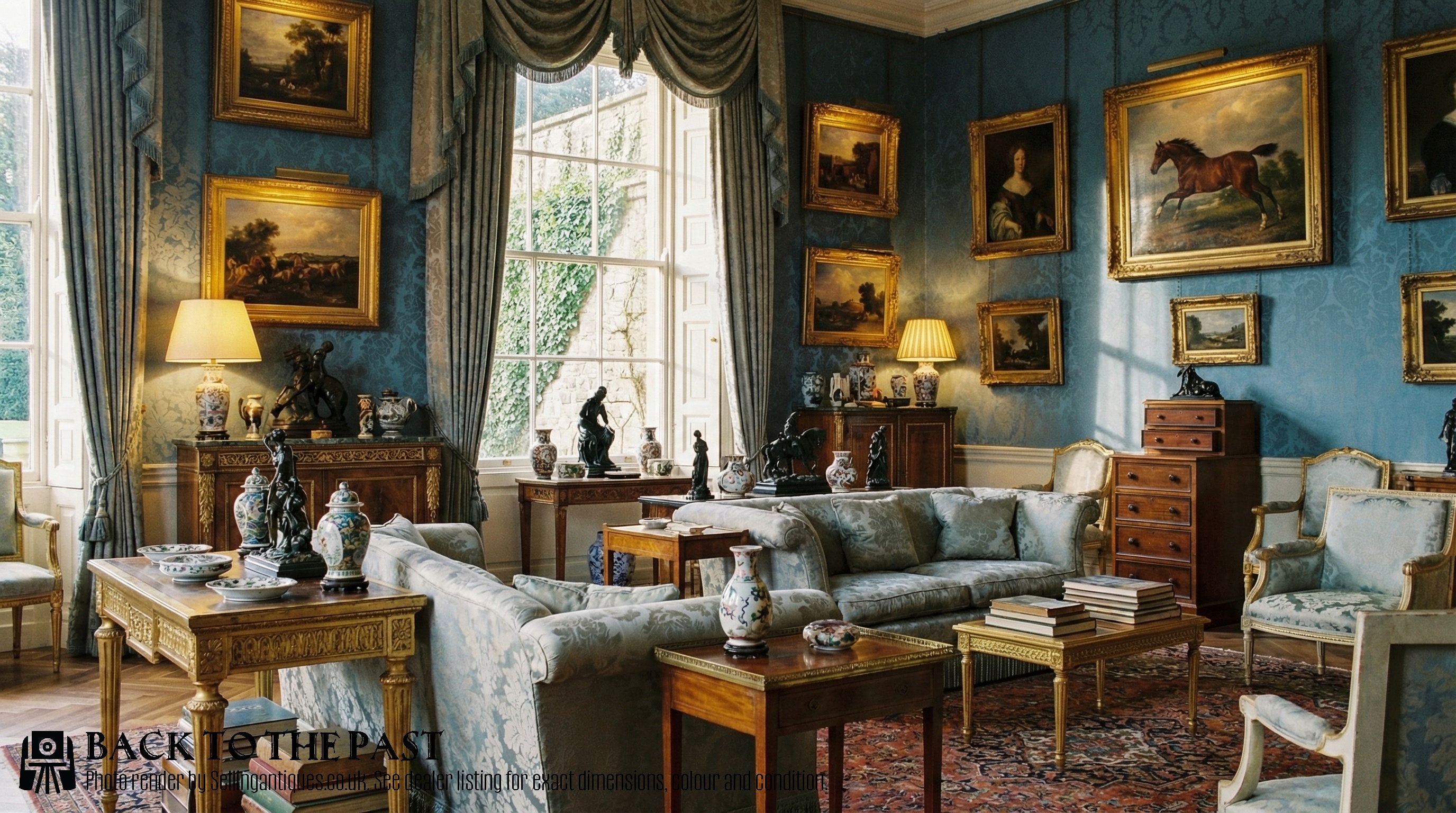
An antique tall side table serves as a slender resting place for lamps, plants, and display objects in domestic interiors. These pieces appear across several distinct historical eras, including the Regency, Victorian, and Edwardian periods.
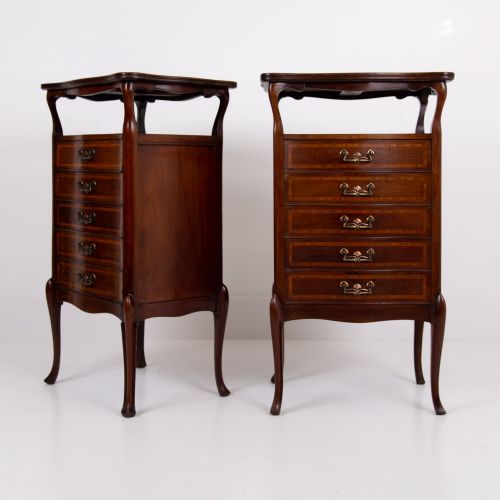
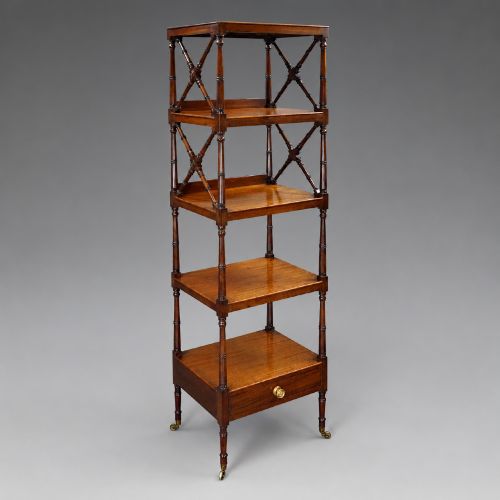
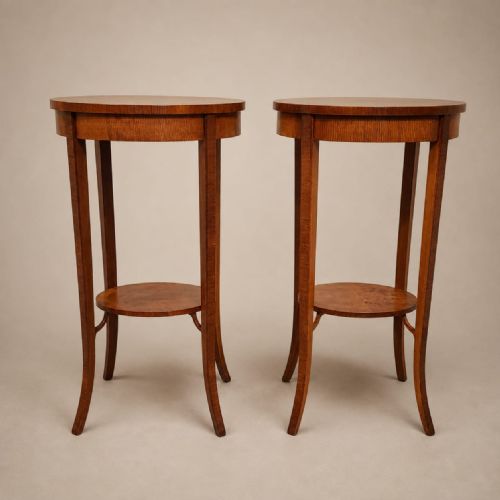
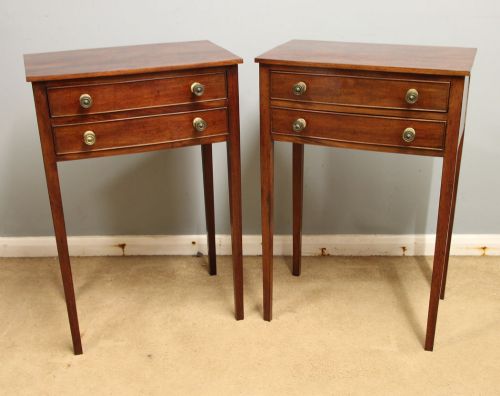
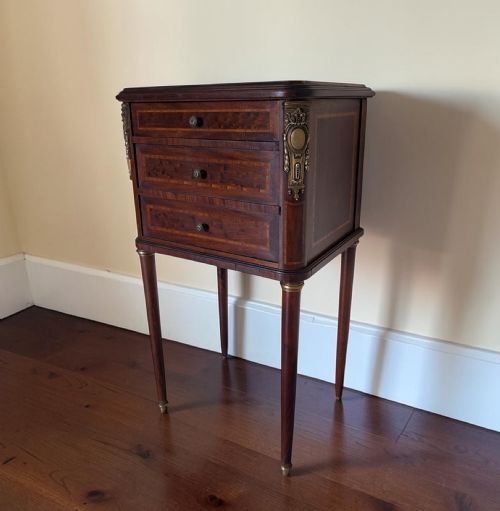
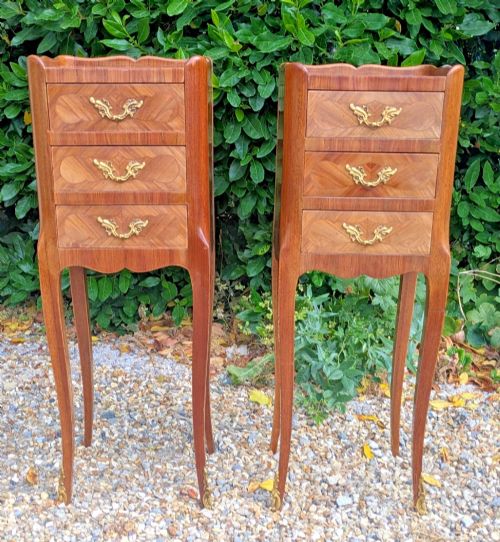
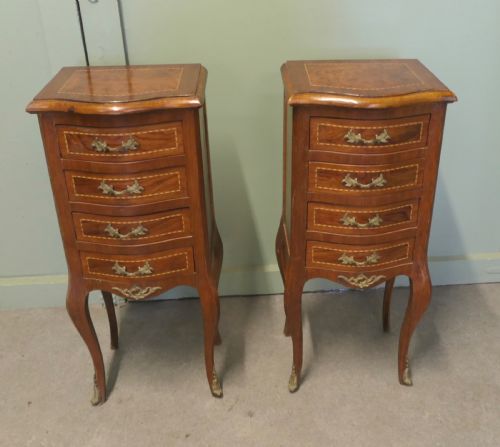
The selections available here include occasional tables, lamp tables, and side cabinets designed with elevated proportions. Formats range from simple oval and round tops to multi-tiered occasional tables and narrow six-drawer cabinets.
Origins span English cabinet-making traditions alongside pieces in Chinese elm. Buyers encounter both minimal utilitarian designs and decorative pedestal forms intended for drawing rooms and hallways.
Materials and construction
Cabinet-makers relied on a diverse selection of hardwoods such as mahogany, oak, rosewood, and amboyna, often enhanced with contrasting boxwood stringing or ebonised wood details. Gilt wood also appears on select decorative examples.
Construction techniques combine traditional joinery with turned supports and brass mounts. Surfaces range from unadorned timber grains to rich, figured veneers carefully selected by the maker.
Retail Price Guide 2026
Typical UK retail prices for tall side table, calculated from the Sellingantiques database of over a million retail prices indexed since 2003. This retail price guide relies exclusively on Sellingantiques data; no external sources or auction records are used, so the figures do not describe the wider market.
Some tall tables double as botanical pedestals, proving that your ferns have enjoyed higher social status than you since 1900.
Judging quality
Quality rests in the choice of timber and the precision of the cabinet-making rather than mere age or complexity. Finer pieces demonstrate superior figure in veneers like mahogany and rosewood, paired with crisp turning on the legs and supports.
The Antique Tall Side Table Glossary
- Occasional table
- A movable small table designed for intermittent use around a room, often serving as a stand for lamps or decorative objects. These versatile forms appear frequently in 19th-century and Edwardian interiors.
- What not
- A multi-shelved open cabinet or stand intended for holding books, ornaments, or display items. This vertical storage piece shares functional similarities with tall side tables.
- Amboyna
- A highly valued exotic burl wood displaying rich, swirling grain patterns. Cabinet-makers used its decorative veneer on luxury Regency and Victorian occasional pieces.
- Ebonised wood
- Timber treated with a dark stain or finish to imitate ebony. This dark contrast material was popular during the 19th century for highlighting architectural details.
- Boxwood
- A dense, pale hardwood frequently utilised for contrasting stringing and inlay lines on fine furniture. It provides sharp visual borders around darker veneers.
Frequently Asked Questions
What is an antique tall side table used for?
These elevated tables function primarily as surfaces for lighting, display pieces, and botanical stands in narrow spaces.
Their slender height makes them practical additions beside armchairs, in hallways, or tucked into corners without occupying excessive floor area.
How do I date an antique tall side table?
Dating relies on identifying the prevailing style, construction methods, and timber choices typical of periods like the Regency, Victorian, or Edwardian eras.
Details such as turning patterns, veneer types, and hardware offer strong chronological indicators.
Are these tables sturdy enough for lamps?
Solid hardwood construction ensures that period lamp tables easily support standard table lamps and heavy ceramic bases.
Heavier tops and stable pedestal or four-leg bases prevent tipping during everyday domestic use.
What woods were used for tall side tables?
Cabinet-makers employed a wide variety of domestic and exotic timbers depending on the period and workshop standards.
Common materials include mahogany, oak, rosewood, amboyna, and Chinese elm, occasionally accented with boxwood or ebonised details.