
Vintage Wooden Lamp Stand
A vintage wooden lamp stand brings warmth and character to a room, offering both functional illumination and sturdy craftsmanship from earlier eras.
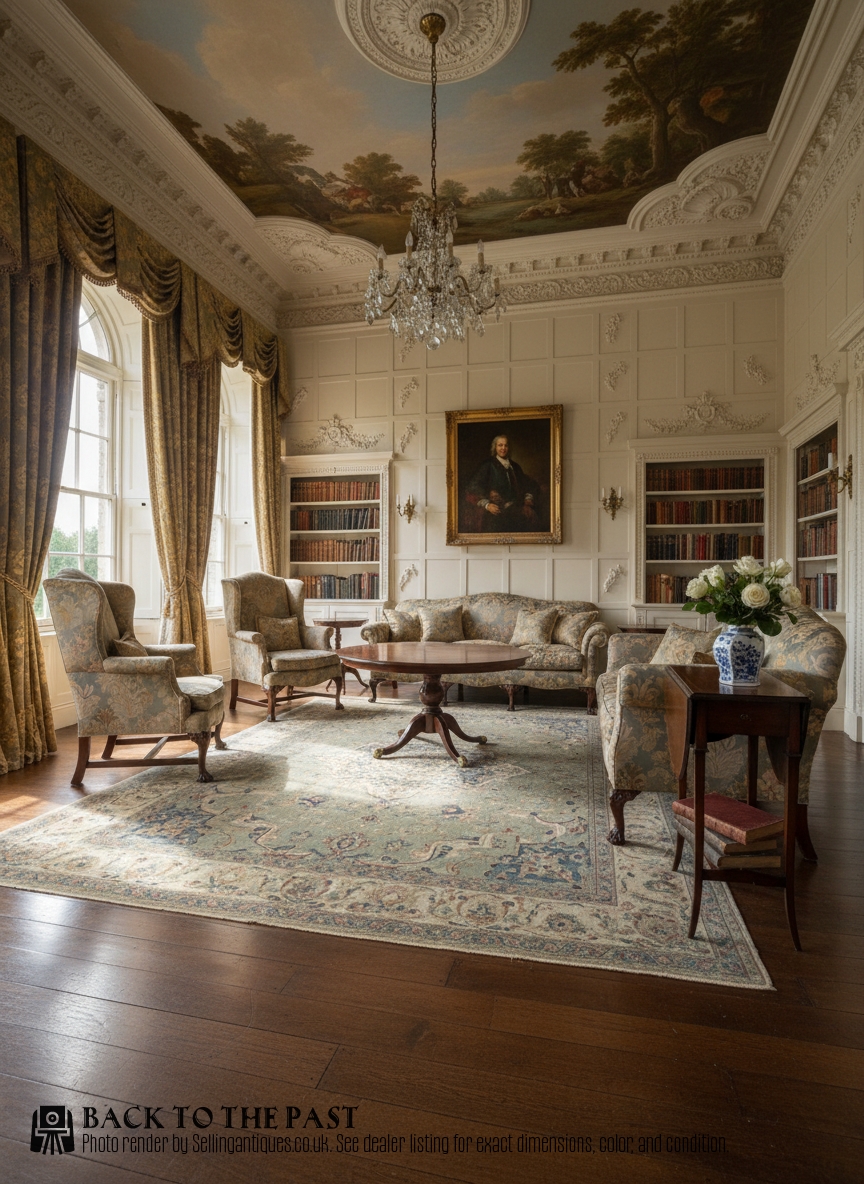
Vintage Wooden Lamp Stand
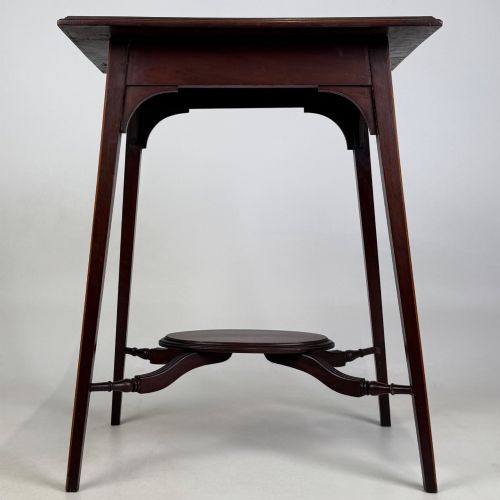
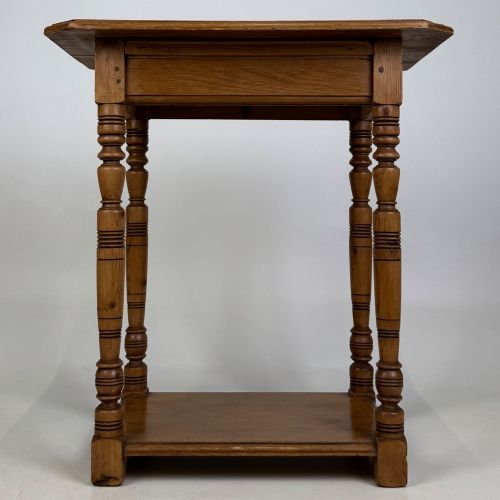
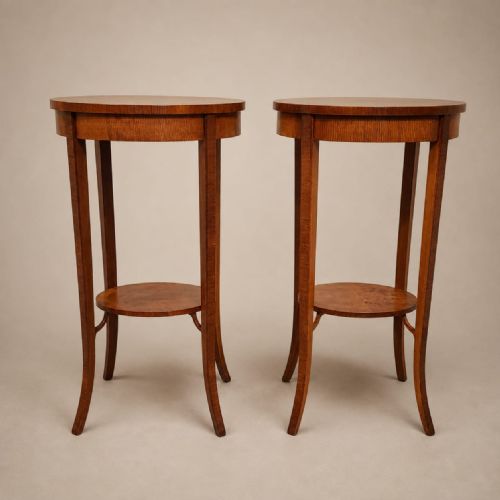
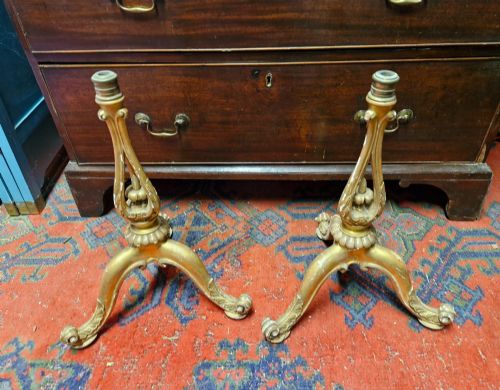
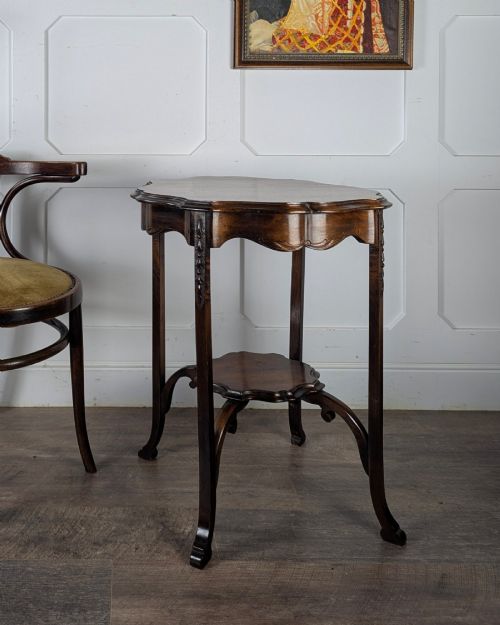
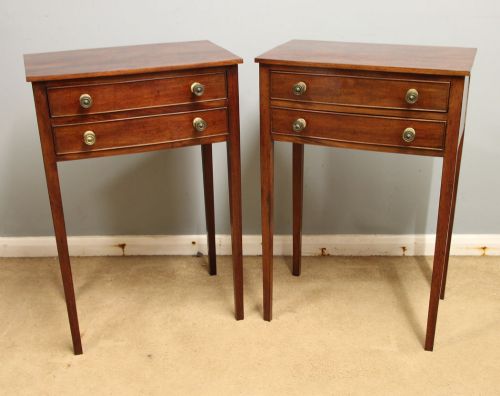
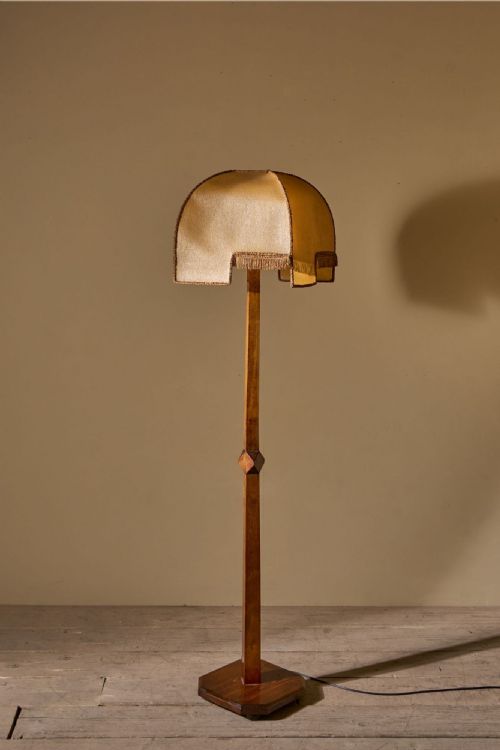
A vintage wooden lamp stand encompasses both upright floor lamps, often termed standard lamps, and smaller occasional tables designed specifically to hold lighting. These pieces emerge from periods spanning the Victorian and Edwardian eras into the Art Deco and nineteen-thirties movements.
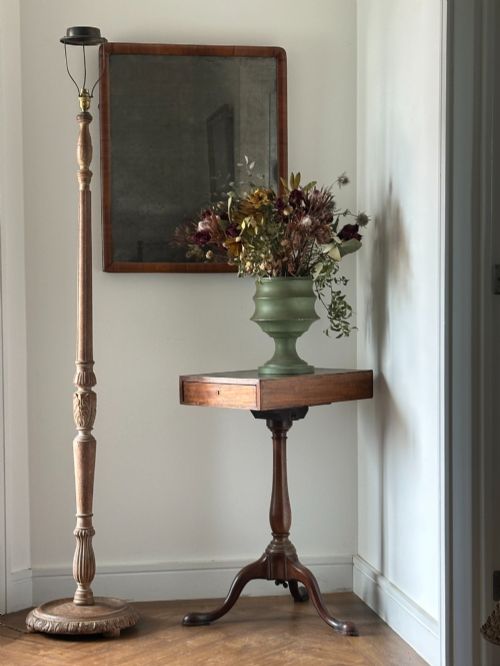
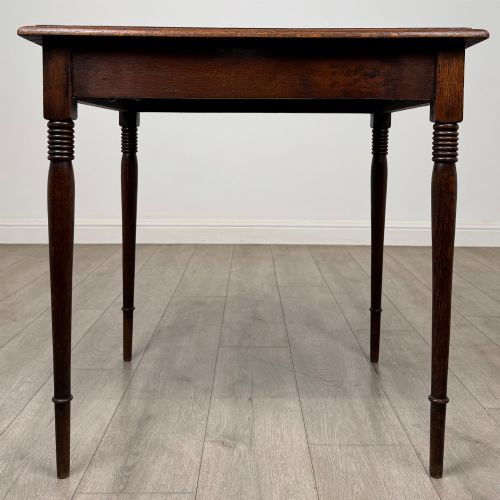
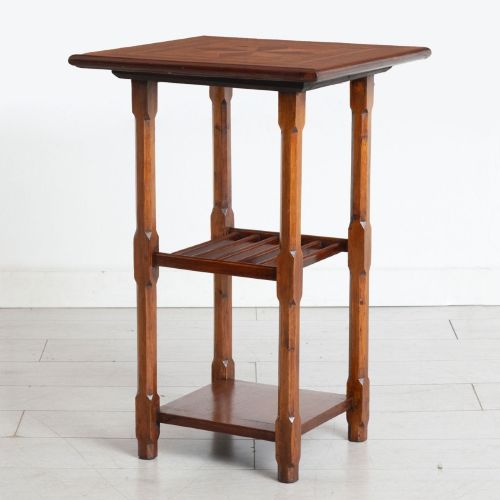
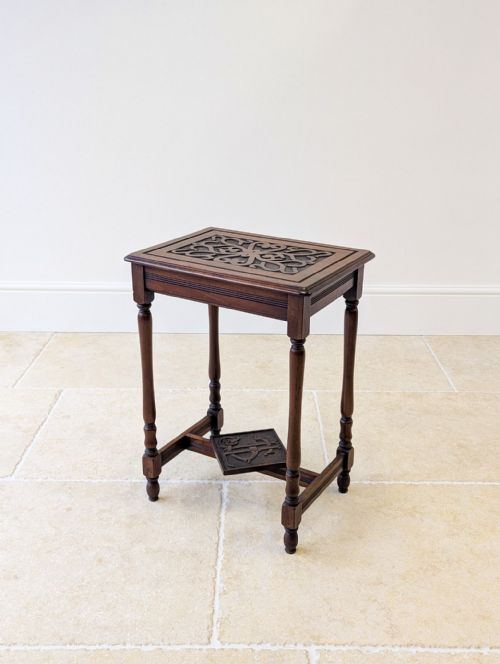
The buyer most frequently encounters oak and mahogany pieces from the early twentieth century alongside tall floor-standing columns in walnut or ebonised wood. Side tables and occasional tables adapted for lighting duties appear regularly alongside dedicated lamp standards.
Origins range from English country workshops to metropolitan firms in London, alongside continental examples in fruitwood and kingwood. Regional British pieces, including Scottish oak tables and Glasgow School designs, bring distinct local character to the selection.
Materials and Construction
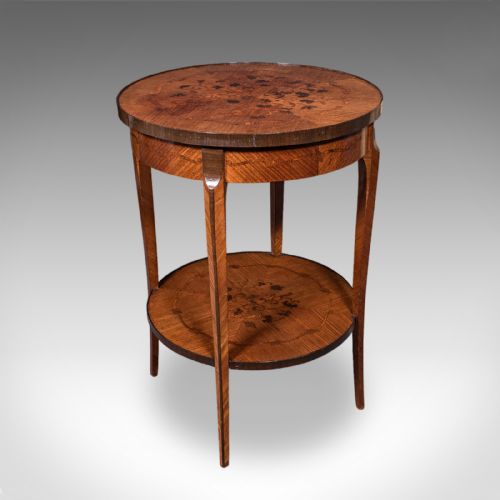
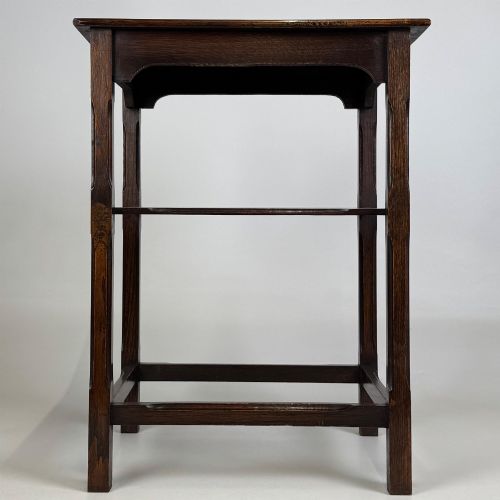
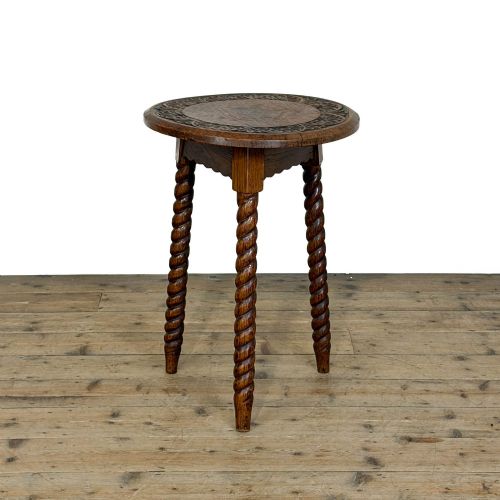
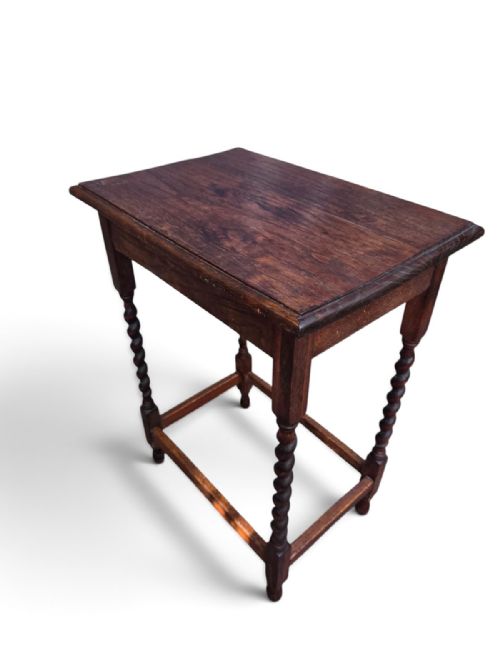
Construction relies heavily on traditional cabinet timbers like oak, walnut and mahogany, supplemented by decorative veneers such as satinwood and kingwood. Turning, carving and joinery form the backbone of these pieces, seen in barley twist columns, tripod bases and sturdy side tables.
Surface treatments vary from polished wood finishes to Chinoiserie decoration, gilded details and limed oak textures. Brass fittings, galleries and fabric shades complete pieces that combine structural timber work with decorative metal and textile elements.
Vintage Wooden Lamp Stand Retail Price Guide 2026
Typical asking prices for vintage wooden lamp stand among the pieces listed under this phrase on Sellingantiques today, from the lower quarter to the upper quarter. They describe what is for sale here now, not the wider market.
Some floor lamps come paired with original vellum shades that have mellowed to a warm amber glow over the decades.
Design and Execution
Quality rests upon the proportion of the timber, the crispness of any carved or turned detail, and the integrity of the original construction. Pieces produced by documented firms or specific regional movements display superior jointing and more thoughtful selection of grain patterns.
The distinction between standard commercial production and finer workshops lies in subtle flourishes such as marquetry inlay, brass galleries, or hand-painted Chinoiserie motifs. Heavier gauge timbers and stable, well-balanced tripod or pedestal bases define the more accomplished examples.
Hindley and Sons·Druce and Co London·Shapland and Petter·WMF
The Vintage Wooden Lamp Stand Glossary
- Standard lamp
- A tall floor lamp designed to stand upright without table support. These fixtures often feature turned wooden columns and heavy bases for stability.
- Occasional table
- A small, movable table intended for specific, intermittent use such as holding a lamp or decorative item. These versatile forms appear in square, round and hexagonal shapes.
- Barley twist
- A spiral carving resembling a twisted rope, popular on furniture legs and lamp standards during the Edwardian period. This technique adds texture and visual movement to solid timber.
- Chinoiserie
- European decorative style reflecting Chinese artistic influences, often featuring painted or lacquered motifs on wooden surfaces. It appears on standard lamps and tables from the early twentieth century.
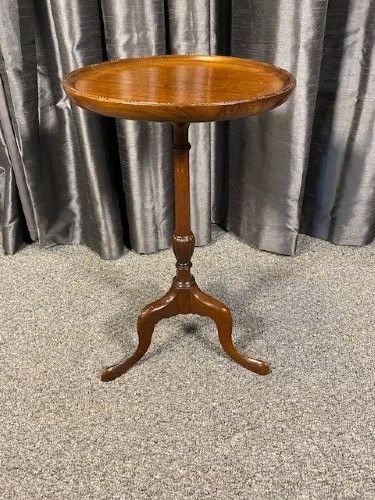
- Tripod base
- A three-legged support system providing stability for small tables and floor lamps. This configuration sits firmly on uneven floors.
Vintage Wooden Lamp Stand: Frequently Asked Questions
What is a standard lamp?
A standard lamp is a tall floor-standing lighting fixture designed to illuminate a room from a fixed position. These upright stands often feature heavy bases to support the height and weight of the fitting.
In older interiors, they served as flexible alternatives to ceiling lights, allowing illumination to be placed beside seating areas. They range from simple turned wooden columns to decorative pieces with painted or inlaid finishes.
How do I use a lamp table?
A lamp table functions as a stable surface for a table lamp while providing a convenient spot for books or small items. These compact tables fit easily beside sofas, armchairs or in neglected corners.
Their varied heights and surface areas make them adaptable to different room layouts. Placing one in a living space introduces both practical lighting and antique character.
How do I date a wooden lamp stand?
Dating relies on examining the timber species, construction methods, and stylistic cues characteristic of specific decades. Edwardian pieces often display light oak or inlaid mahogany, while Art Deco examples favour walnut, satinwood, or streamlined forms.
Makers' marks, brass hardware styles, and painted decoration techniques also provide reliable clues to the period of origin. Comparing the turned details against documented furniture styles helps narrow down the decade of production.
What is an occasional table?
An occasional table is a small, movable piece of furniture designed for flexible placement around the home. These tables include side tables, tripod cricket tables, and specialised lamp stands.
Their light construction allowed Victorians and Edwardians to reposition them easily according to daily needs. Today, they serve similar practical purposes while adding period charm to modern interiors.