
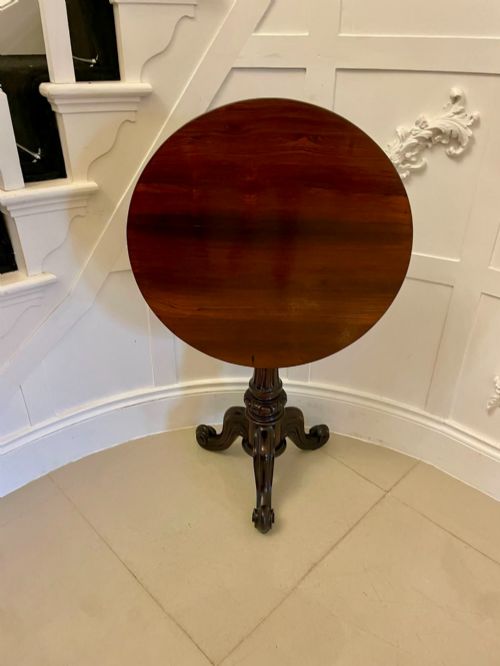
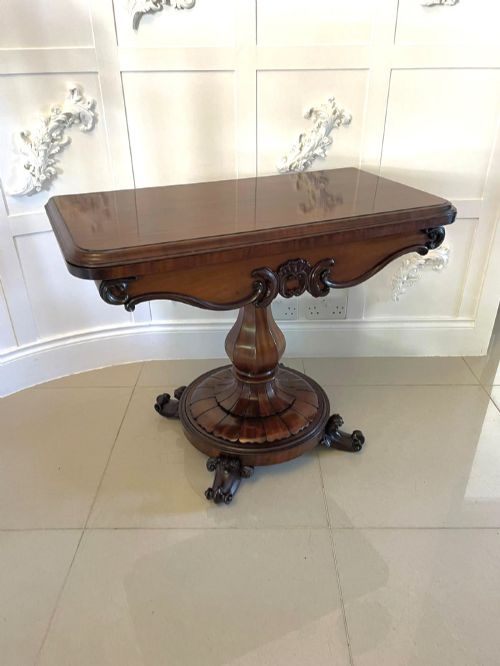


Carved Top Side Table
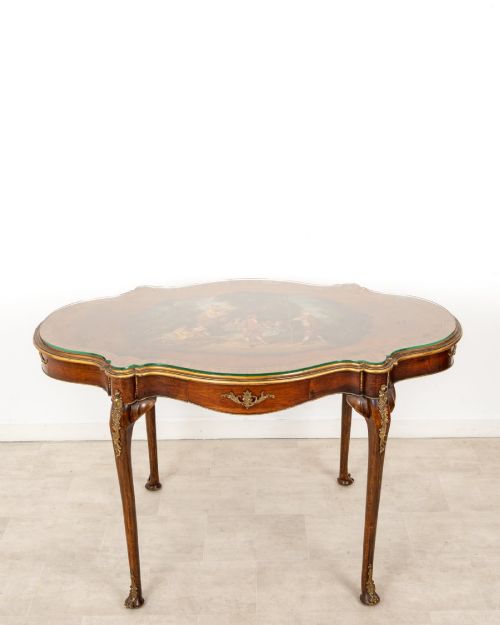
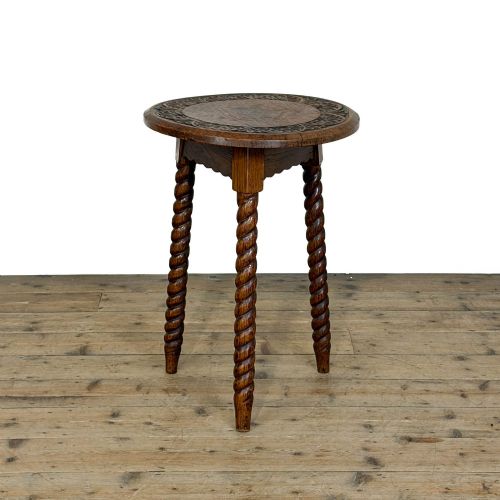
A carved top side table brings sculptural timber or stone into a room, offering a functional surface shaped by hand during the eighteenth, nineteenth, and early twentieth centuries.
Carved Top Side Table
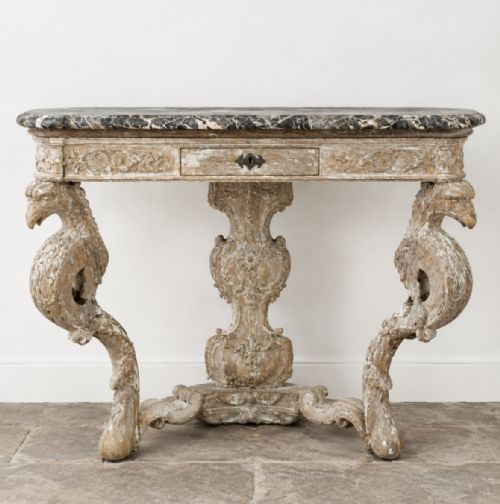
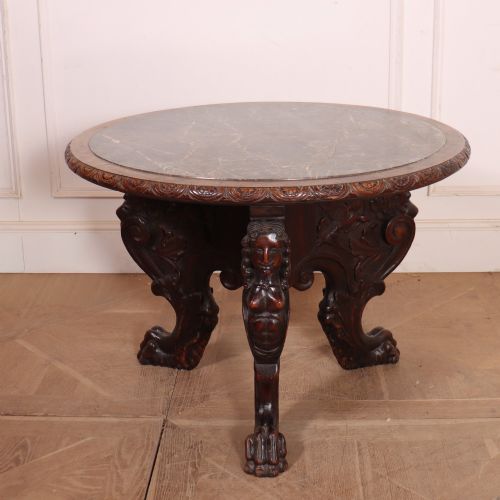
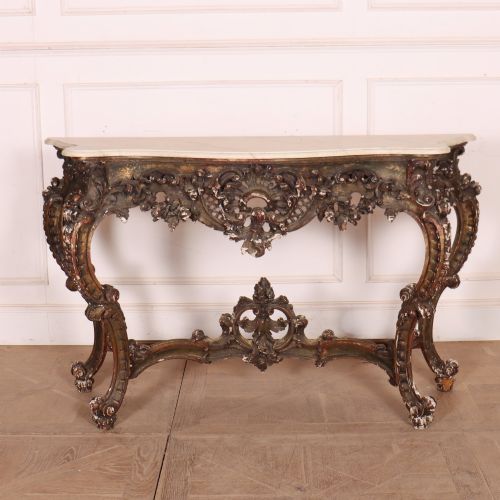
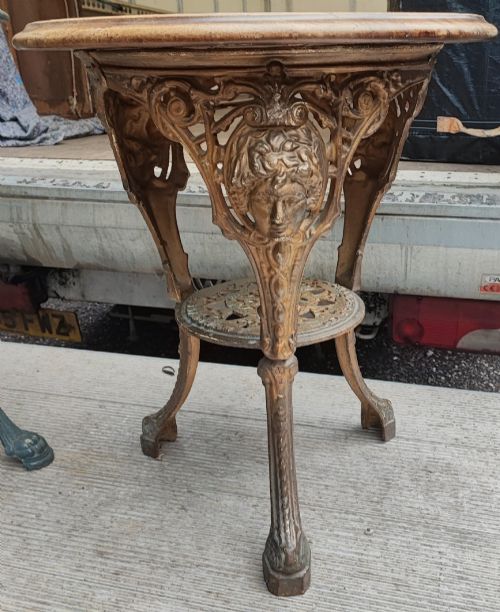
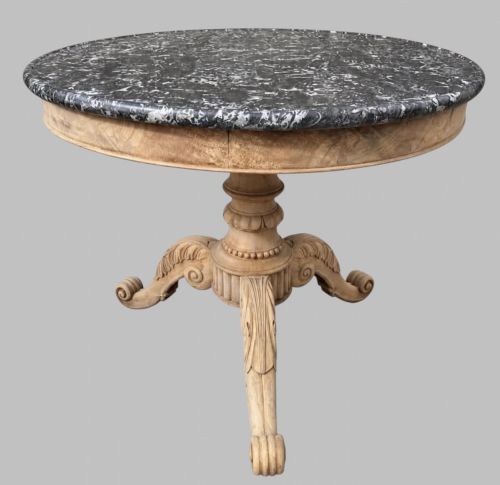
A carved top side table covers a diverse array of occasional, lamp, and console furniture designed for specific domestic duties around the parlour or drawing room. The record spans compact tripod wine tables with tilt mechanisms, grander marble-topped console tables, and low lamp tables intended to sit beside seating.
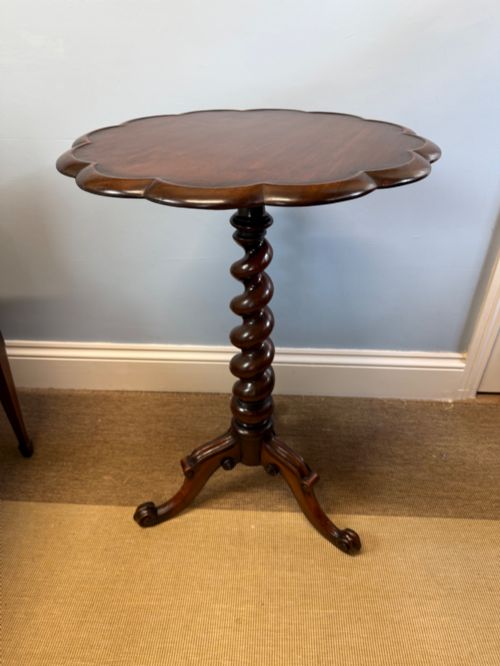
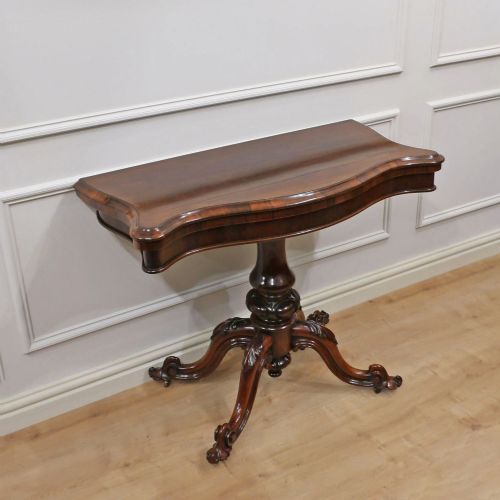
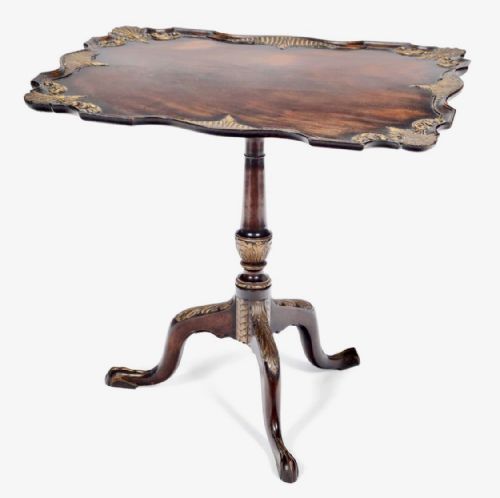
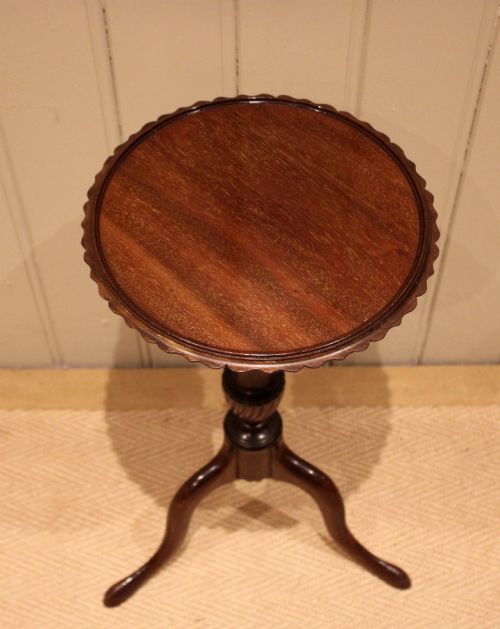
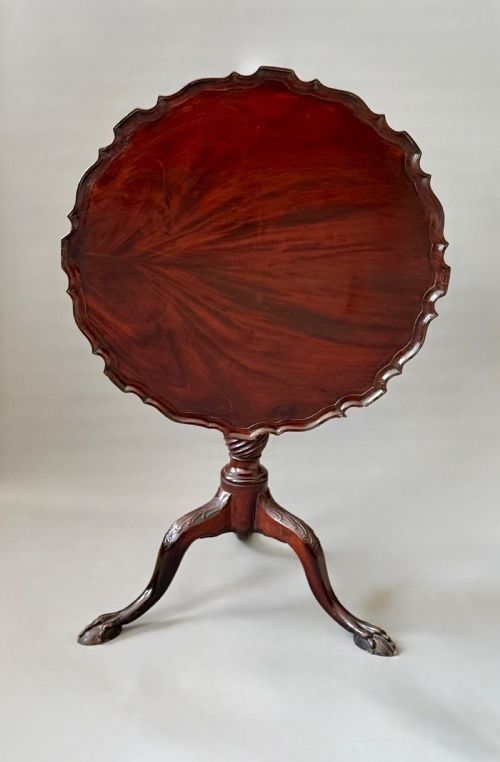
Victorian and nineteenth-century examples appear most frequently on this page, executed in mahogany, rosewood, and walnut with varying degrees of carved ornamentation. Pieces range from small oak cricket tables and pedestal stands to refined Georgian-taste tripod tables featuring pie crust edges.
Materials and construction
Cabinet makers utilised dense hardwoods such as mahogany, walnut, rosewood, and oak, often turning central columns on lathes and carving tripod legs by hand. Tops were frequently fashioned from solid timber slabs, occasionally utilising tilt mechanisms or birdcage supports to pivot the surface.
Materials recorded on this page include marble, giltwood, mother of pearl inlay, and solid mahogany.
Factors of quality
Quality rests in the crispness and depth of the hand carving upon the timber top and legs, where sharp chisel work distinguishes superior pieces from softer moulding. The selection of wood grain, particularly figured burr walnut, flame mahogany, or exotic specimens, dictates the visual impact of the surface.
Structural integrity of mechanisms such as birdcage mounts, tilt-top catches, and tripod leg junctions separates utilitarian items from finer parlor furniture. The harmonious proportion between the carved top and the pedestal base governs the overall success of the design.
Maple and Co·Frank Giles·Gillow
The Carved Top Side Table Glossary
- Tripod table
- A small freestanding table supported by three legs radiating from a central pillar. These pieces often feature tilt-top mechanisms for easy storage.
- Console table
- A wall-mounted or freestanding table designed to stand against a vertical surface. They frequently incorporate marble tops and elaborate carved or giltwood frames.
- Tilt top
- A hinged tabletop that can be rotated into a vertical position when not in use. This mechanism allows the furniture to stand flat against a wall.
- Pie crust edge
- A raised, intricately carved and scalloped moulding along the perimeter of a circular tabletop. This decorative border imitates pastry work popular in eighteenth-century design.
- Gueridon
- A small French occasional table supported by a central column or figures. These tables often display marble tops and refined veneered surfaces.
Carved Top Side Table: Frequently Asked Questions
What is a tilt top table used for?
A tilt top table served as a versatile piece of furniture that could be moved out of the way against a wall when not in use. In historic homes, these tables held tea services, lamps, or books during the evening hours.
The hinged mechanism allowed the heavy timber top to swing vertically, saving valuable floor space in smaller drawing rooms and parlours.
How do I identify a Victorian carved table?
Victorian tables typically display heavier proportions, darker dense timbers like mahogany and rosewood, and robust floral or scrolling relief carvings. The turning on central pedestals tends to be deeper and more complex than earlier Georgian work.
Examining the underside reveals period construction methods, such as hand-cut screws, block junctions, and traditional timber shrinkage patterns.
Where should I place a console table?
A console table naturally suits an entrance hallway, a living room wall, or beneath a large hanging mirror. Because many historical examples feature finished decoration on the front and sides, they anchor a bare wall effectively.
Marble-topped versions offer a durable surface for displaying decorative objects, though care should be taken with moisture and heavy impacts.
What is the difference between a lamp table and a wine table?
A lamp table generally provides a slightly broader surface area designed to support a heavy oil lamp or reading light. A wine table is traditionally smaller and narrower, intended primarily to hold a single glass or bottle during social gatherings.
Both forms frequently share tripod pedestal constructions and circular carved wooden tops.