


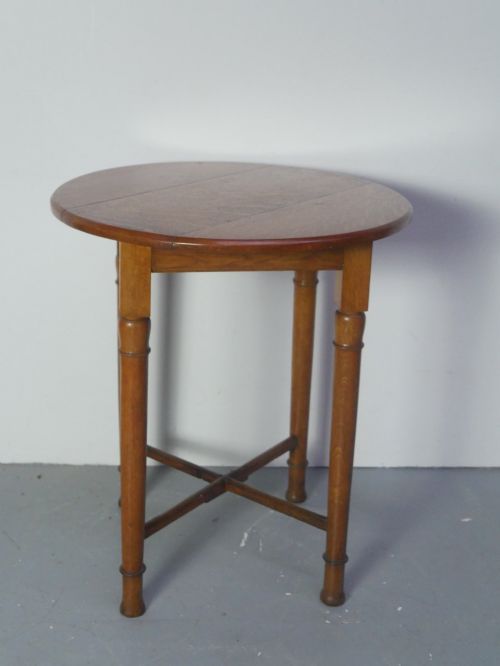
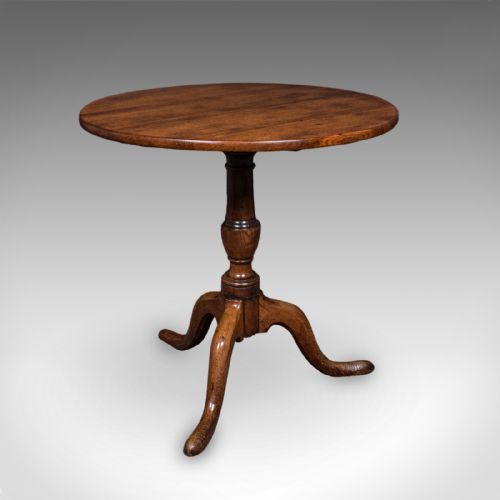
Round Wooden Side Table
A round wooden side table brings centuries of practical timber craftsmanship into a modern room as a compact surface.
Round Wooden Side Table
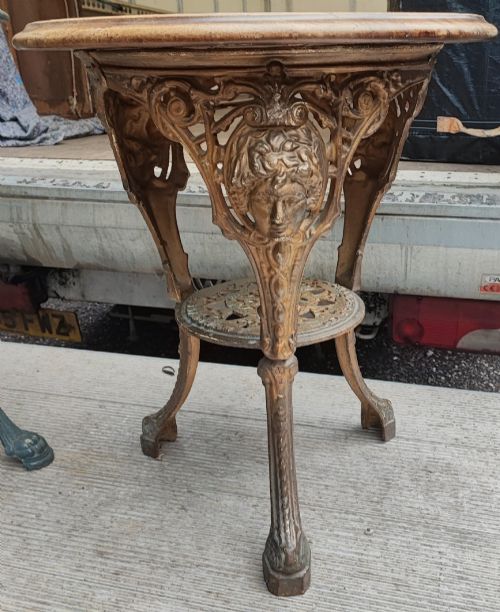
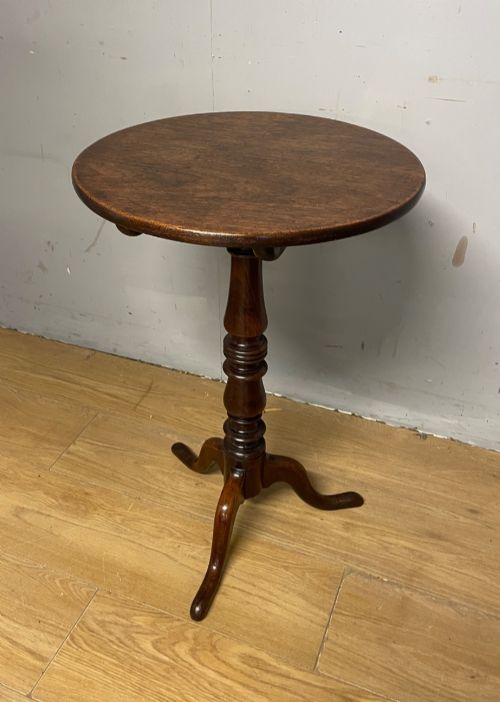
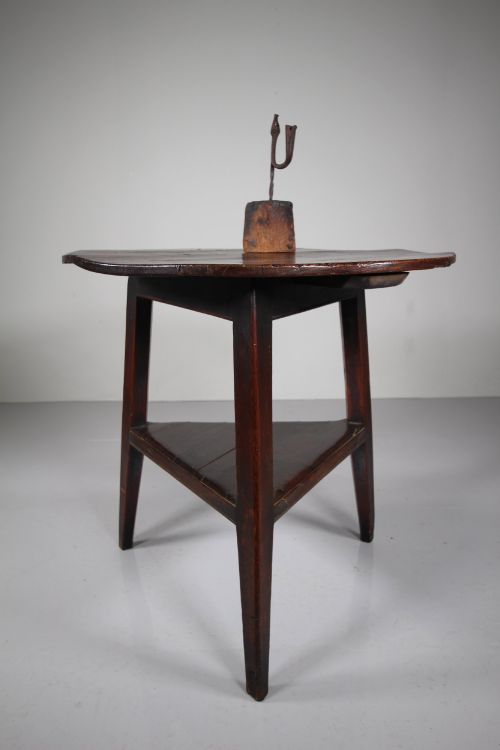
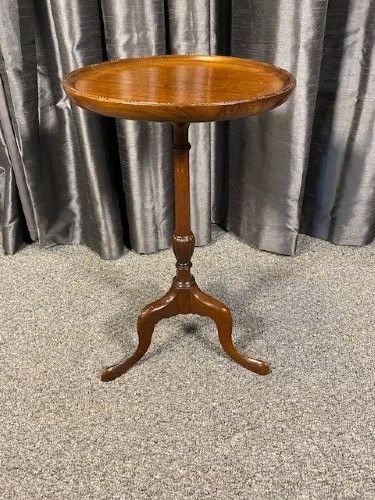
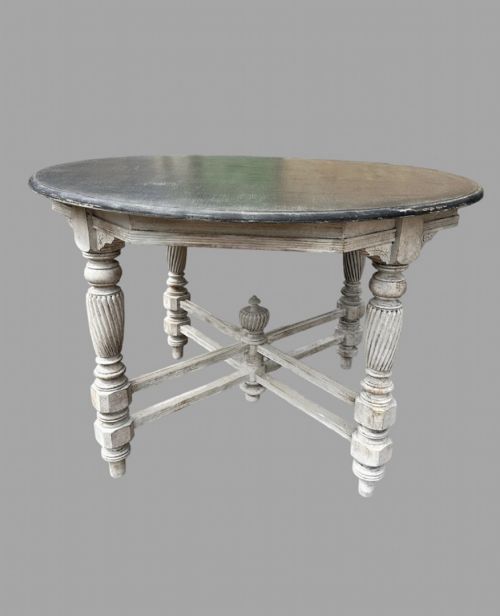
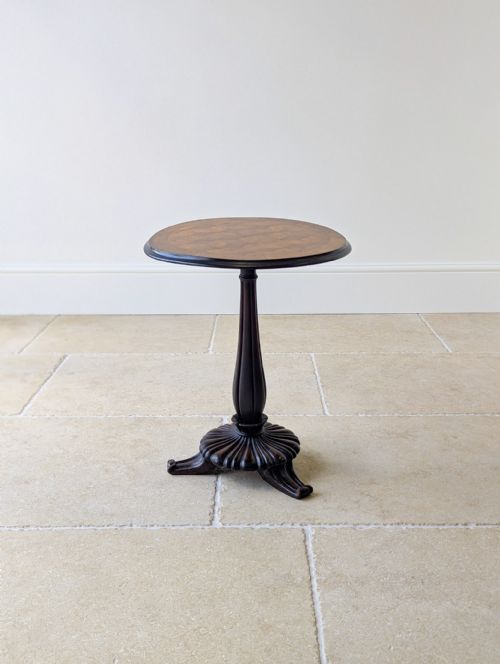
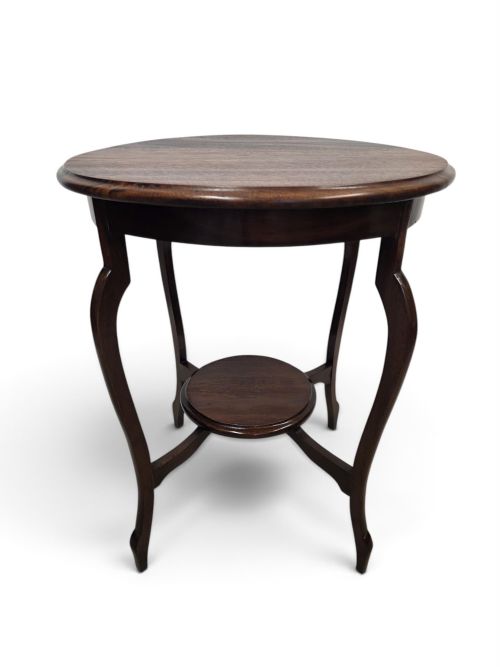
A round wooden side table serves as a versatile small surface, appearing in formats ranging from simple tripod wine tables to sturdy oak cricket tables and pedestal designs. These pieces span the eighteenth, nineteenth, and early twentieth centuries, encompassing Georgian, Victorian, and Edwardian periods.
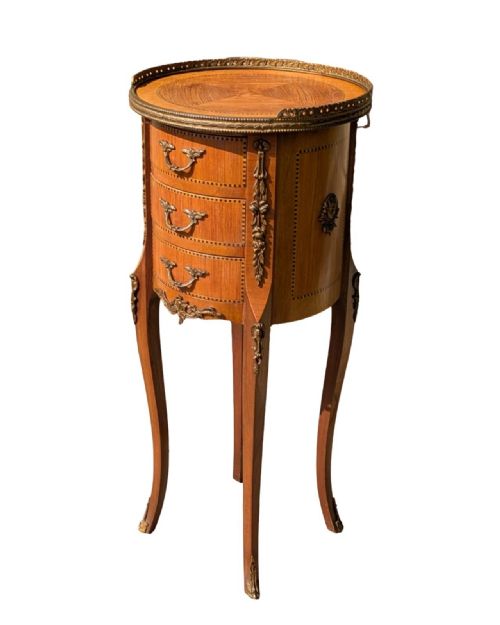
Many examples adhere to vernacular and regional British styles, whilst others show influences from French cabinet making or incorporate tilt top mechanisms for storage. Buyers encounter both utilitarian tavern tables and finely figured burr timber parlour pieces.
Materials and construction
Cabinet makers utilised dense hardwoods such as mahogany, walnut, and oak to construct durable tabletops and stable pedestals. Grain patterns like burr oak and figured walnut were selected for decorative impact on visible surfaces.
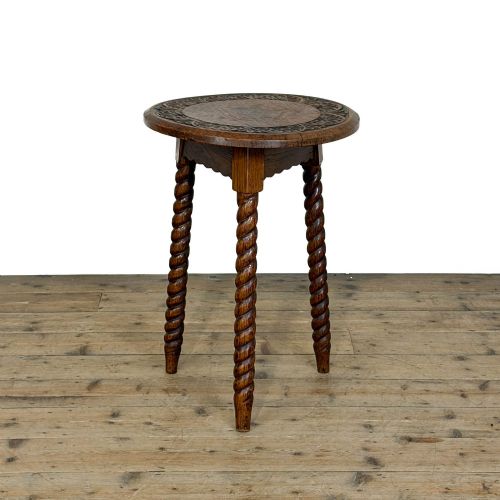
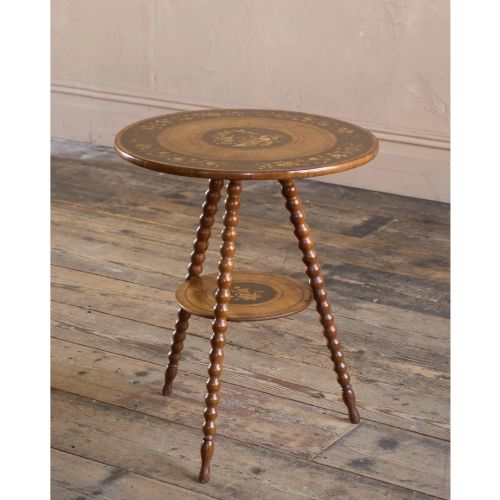
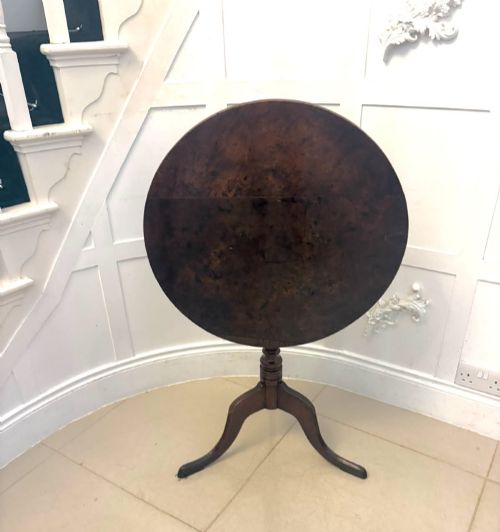
Joinery methods include tripod legs joined to a central column, traditional pegged joints on cricket tables, and turned elements such as barley twist or bobbin legs. Tilt top mechanisms relied on brass catches and wooden birdcage brackets to allow the surface to pivot.
One repurposed butchers block brings a sturdy Hungarian work surface directly into the parlour as an unexpected table.
Judging quality
Quality rests upon the selection of timber and the integrity of the original construction, where tightly figured veneers and solid hardwood tops display superior durability. The crispness of hand carving on tripod legs and the smooth operation of tilt top mechanisms differentiate standard utility pieces from finer parlour furniture.
Surface finish significantly impacts character, with patinated wax finishes on eighteenth-century oak holding more visual depth than later applied varnishes. Original brass fittings and untouched structural joinery indicate a higher standard of preservation.
Liberty of London
The Round Wooden Side Table Glossary
- Cricket table
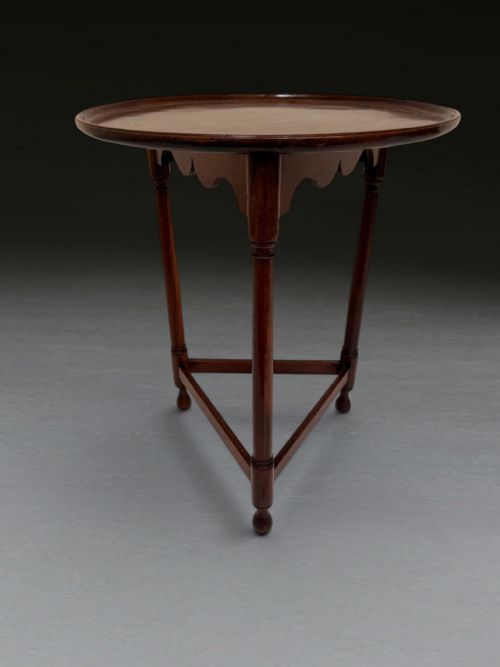
- A small, lightweight wooden table traditionally featuring three splayed legs and a circular top. This form allowed stable placement on uneven stone or flagged cottage floors.
- Tilt top
- A hinged tabletop mechanism that enables the surface to fold vertical when not in use. It allowed tables to be stored flat against a wall to save space in smaller rooms.
- Tripod table
- A piece supported by three legs radiating from a central pillar. This construction prevents wobbling on imperfect domestic flooring.
- Wine table
- A diminutive occasional table designed specifically to hold a glass and bottle. They often feature raised edges or pie crust rims to secure glassware.
- Barley twist
- A decorative turning technique resembling a spiralling rope. It gained popularity on furniture supports during the seventeenth century and saw revival periods later.
Round Wooden Side Table: Frequently Asked Questions
What is a cricket table used for?
A cricket table was traditionally utilised in domestic settings as a sturdy, portable surface for meals or general household tasks. Its three splayed legs ensured it remained stable on uneven floors.
Today, these pieces function effectively as compact side or lamp tables in living spaces. Their historic utility translates well into modern interiors requiring modest surface areas.
What timber was commonly used?
Cabinet makers predominantly worked with native hardwoods such as oak, elm, and walnut during earlier periods. Mahogany grew in popularity from the eighteenth century onward for its fine grain and strength.
Secondary woods like pine and beech often appear in less visible structural components. The choice of timber usually reflects the period and the regional origin of the piece.
Where should I place a wine table?
A wine table suits placement beside an armchair or sofa as a compact surface for drinks or small lamps. Their modest footprint allows them to fit into narrow corners where larger furniture cannot go.
Because many examples feature delicate tripod bases, positioning them away from heavy traffic areas prevents accidental tipping. Their decorative turned columns add visual interest to empty wall spaces.