

Brown Mahogany Candle Stand
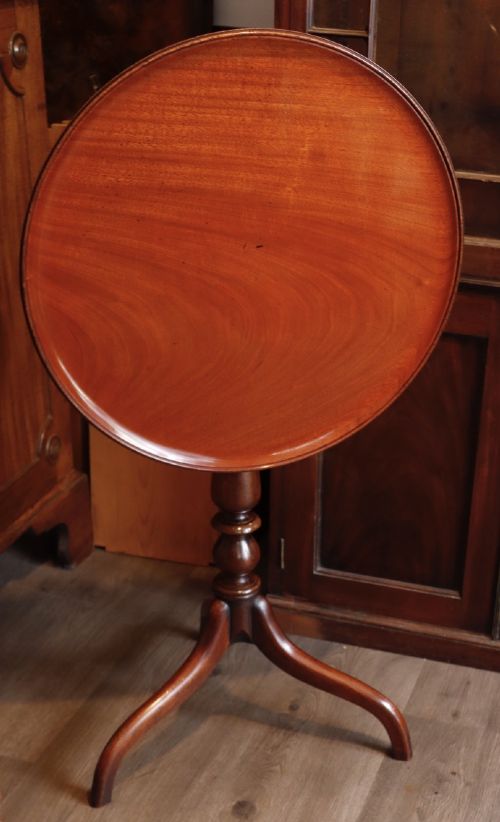
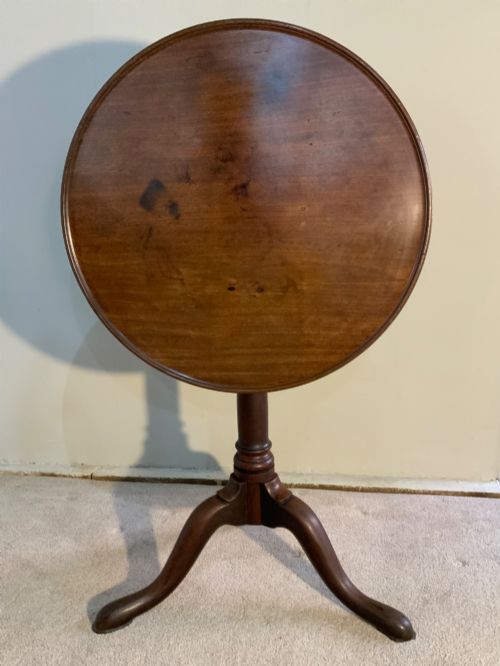
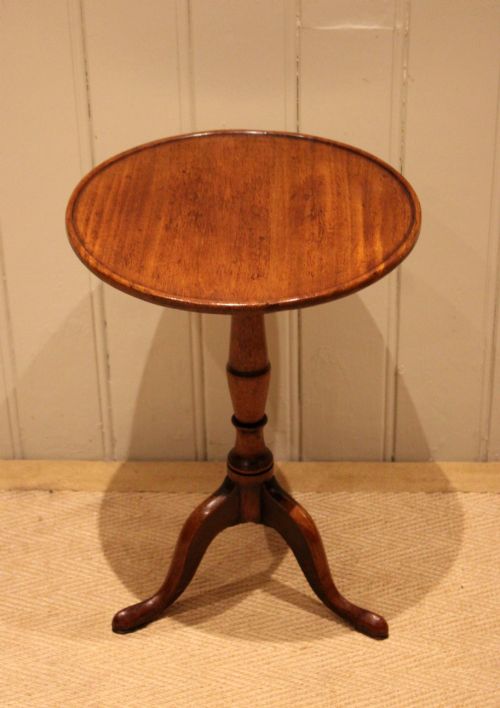
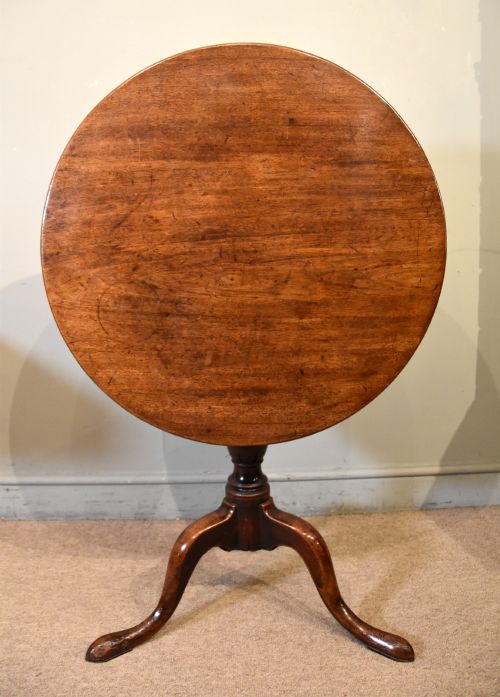
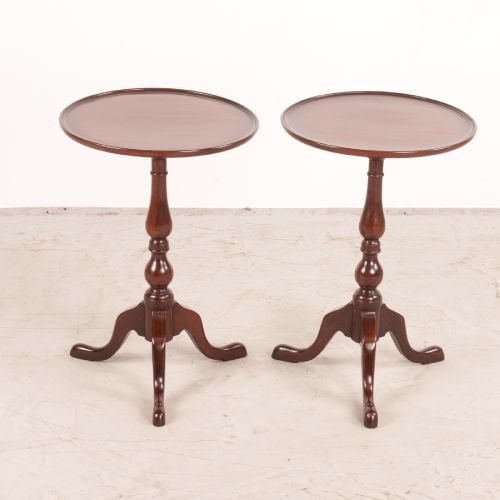
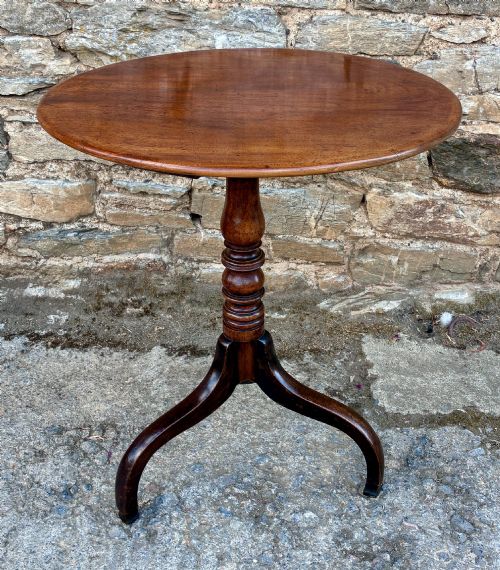
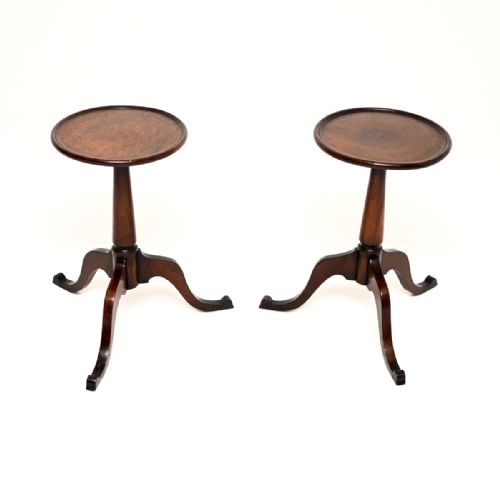
A brown mahogany candle stand brings compact utility and rich timber grain to a corner, most often seen in tripod forms dating from the Georgian and Regency periods.
Brown Mahogany Candle Stand
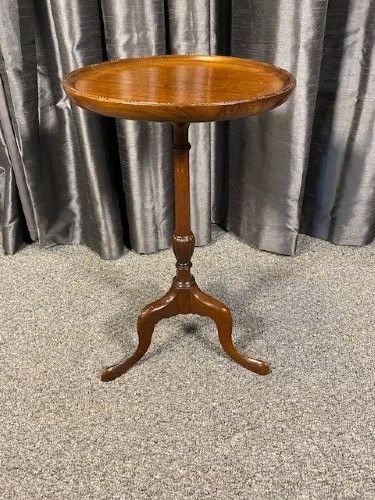
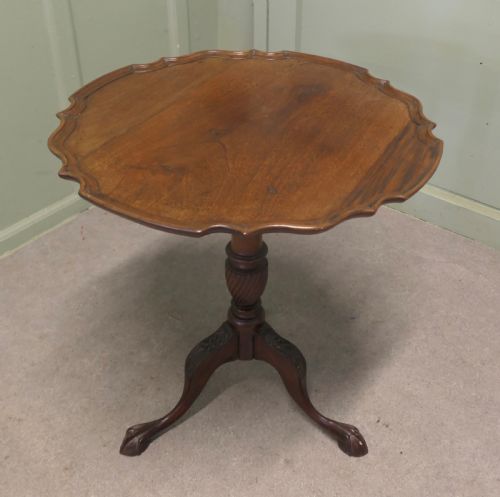
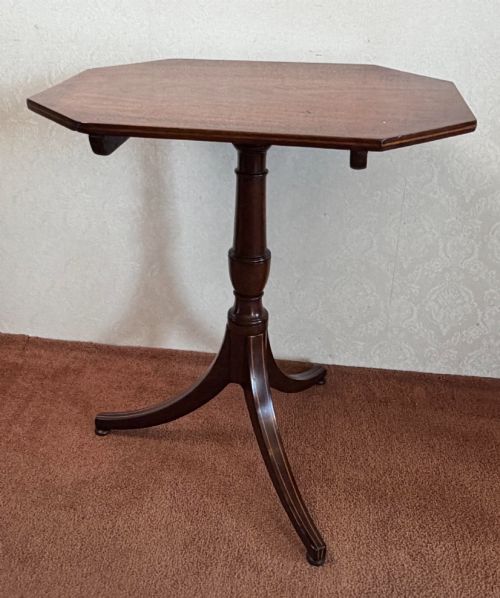
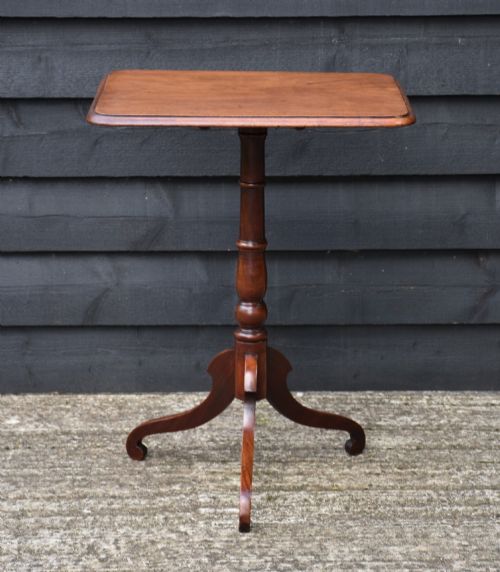
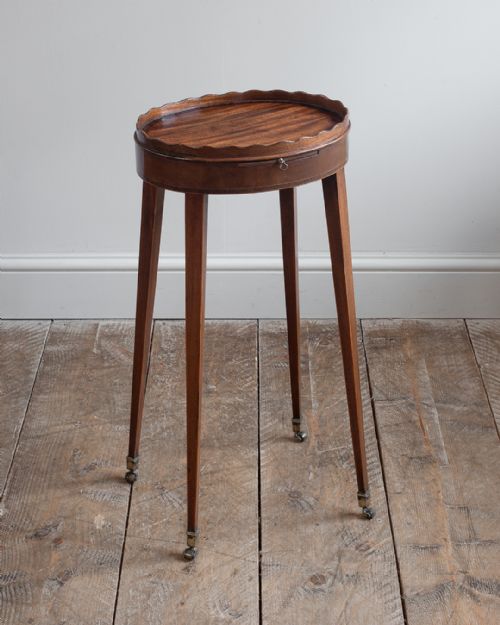
A brown mahogany candle stand is a small occasional table designed originally to support lighting, today serving equally well beside a chair or in a hallway. These pieces appear frequently as circular or oval wine tables, tripod tables, and urn stands originating from the eighteenth and nineteenth centuries.
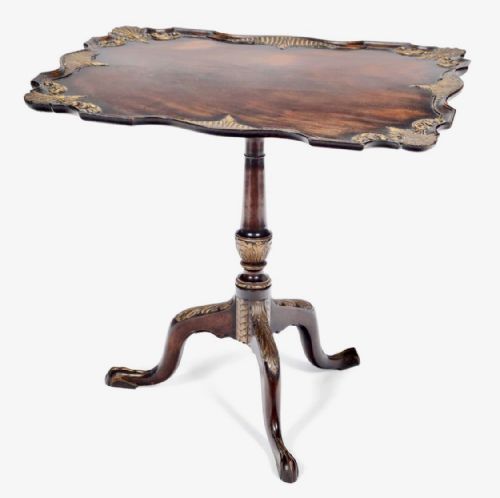
The version you are most likely to meet on this page rests on a three-legged pedestal base, frequently featuring a tilt-top or birdcage mechanism allowing the surface to fold away when not in use. Proportions are modest, designed to occupy minimal floor space while holding a single lamp, glass, or small decorative object.
Makers produced these stands across multiple stylistic phases, from plain George III designs to grand Regency interpretations and later Victorian revivals. Surfaces range from simple polished timber to pieces accented with boxwood inlay, parcel gilt details, or flame mahogany veneer.
What varies in quality
Quality in a brown mahogany candle stand rests upon the crispness of the timber carving, the choice of figured grain such as flame mahogany, and the stability of the tripod mechanism. Superior examples display balanced proportions, neat boxwood inlay, and smooth movement in the tilt-top action without excessive wobble in the central column.
Lesser pieces exhibit plain, unfigured wood, heavy or clumsy leg profiles, and crude replacement hardware that disrupts the original balance of the stand. The integration of structural details like a well-fitted birdcage pivot distinguishes workshop furniture intended for formal reception rooms from utility pieces.
Some nineteenth century treen pieces take the literal form of a miniature tilt-top tripod table just to hold a single candle.
The Brown Mahogany Candle Stand Glossary
- Tripod table
- A small occasional table supported by a central pillar resting on three legs. This construction prevents rocking on uneven historical floors.
- Tilt top
- A table top hinged to tip into a vertical position when not in use. It allowed the furniture to be stored flat against a wall.
- Birdcage
- A timber framework beneath a tilt top table that permits the surface to rotate as well as tilt. This added complexity and smooth articulation to better quality pieces.
- Urn stand
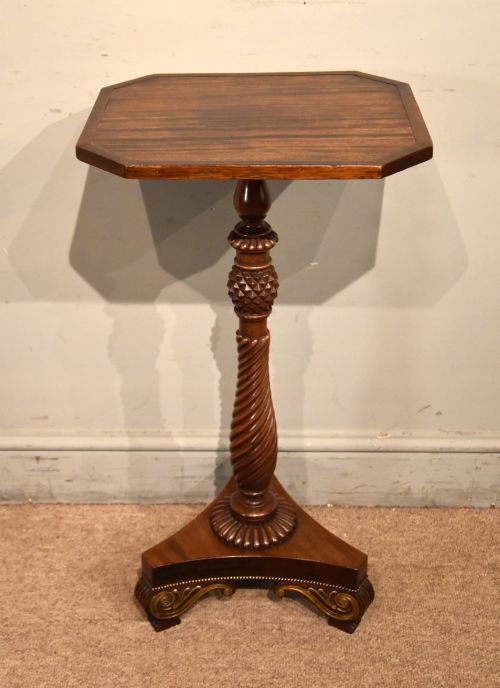
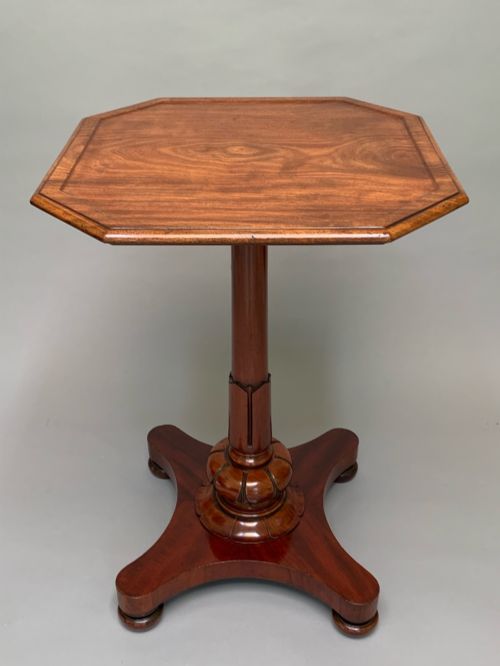
- A tall, slender small table designed to hold a tea urn. They often feature octagonal tops, tray borders, or pull-out slides.
- Flame mahogany
- A veneer cut from the fork of the mahogany tree where the grain pattern resembles flickering flames. Cabinet makers reserved this timber for the most prominent surfaces.
Brown Mahogany Candle Stand: Frequently Asked Questions
What were brown mahogany candle stands used for?
These small tables held wax candles or oil lamps to provide localised light before electricity. Their portable nature allowed servants to move them around panelled rooms as evening activities shifted.
Today they function as lamp tables, side tables, or drink stands beside seating. Their compact footprints suit awkward corners where larger furniture cannot fit.
How do I tell an 18th century stand from a Victorian one?
Eighteenth century examples, particularly from the George III period, typically feature finer timber selection, slender hand-carved legs, and more restrained proportions. The joinery often includes pegged tenons and traditional birdcage mechanisms.
Victorian and later nineteenth century pieces tend to be heavier in the turnings and may use machine-sawn elements or simpler tilt mechanisms without the birdcage. Surface finishes and secondary woods inside the pillar also help differentiate the working methods of different eras.
What is a birdcage mechanism on a tripod table?
The birdcage is a small wooden cage structure fitted between the top of the central pillar and the underside of the table surface. It consists of two parallel discs connected by four small vertical spindles.
This construction allows the table top both to rotate horizontally and to tilt vertically. It represents a more sophisticated manufacturing method found on better quality Georgian tables.
Can I use a antique wine table for daily living?
These tables adapt easily to modern interiors as lamp stands or places to rest a cup and book. Their sturdy tripod bases provide surprising stability on carpets or wooden floors.
Care should be taken with hot drinks and moisture, using coasters to protect the antique polish. Avoid placing them in direct sunlight or beside active heat sources to prevent the mahogany timber from drying out.