
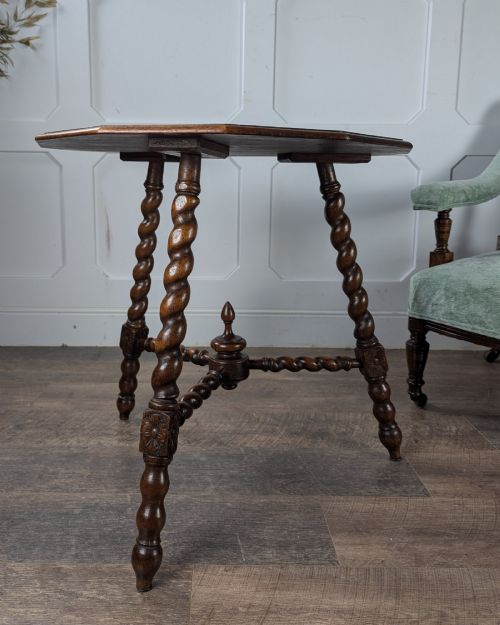
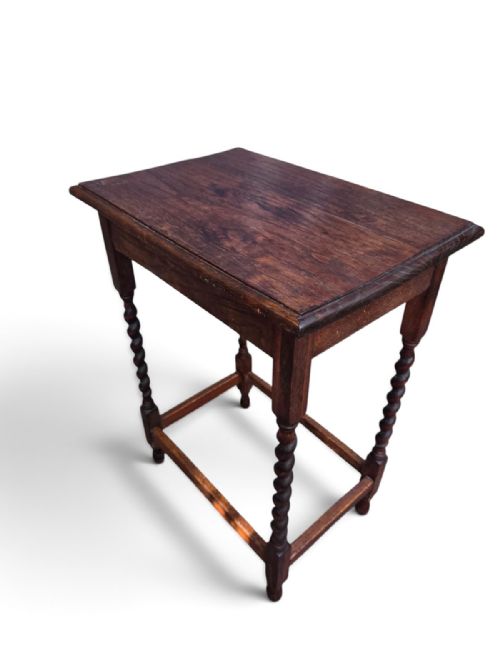
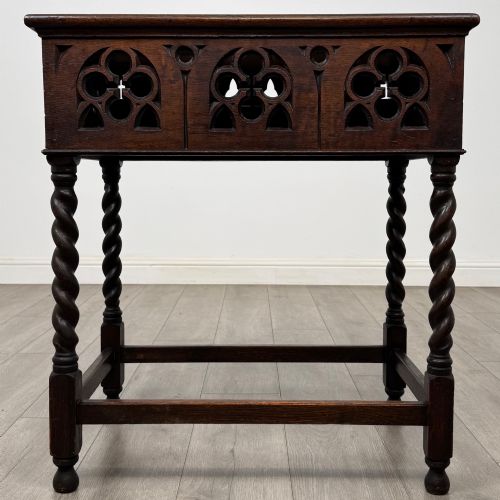
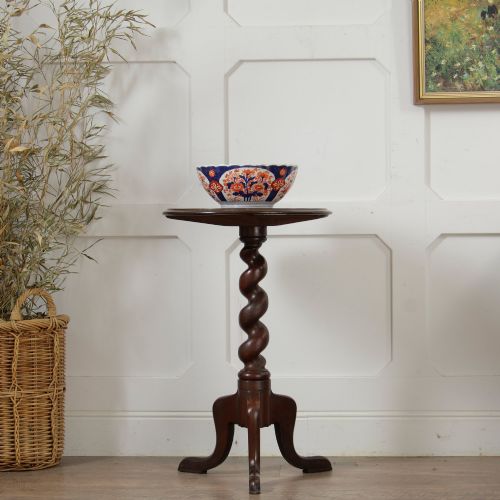
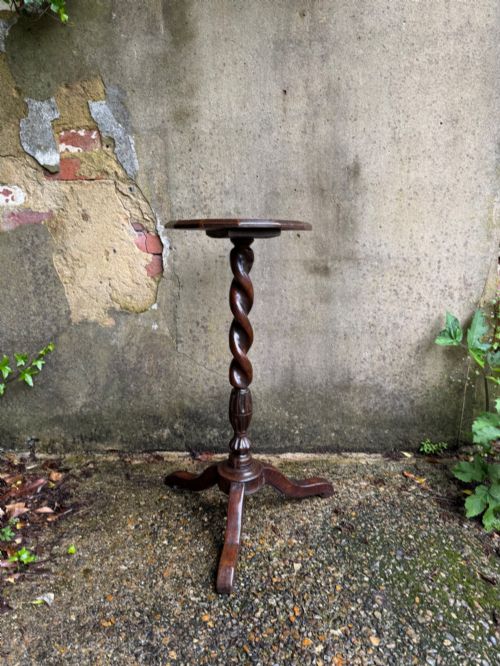
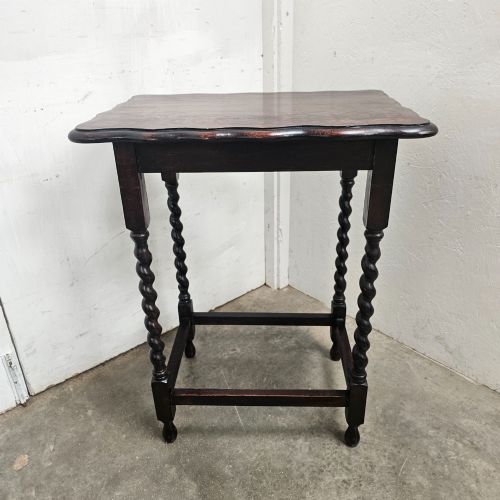


Barley Twist Plant Stand
A barley twist plant stand raises flora to eye level with a spiralling shaft carved from timber.
Barley Twist Plant Stand
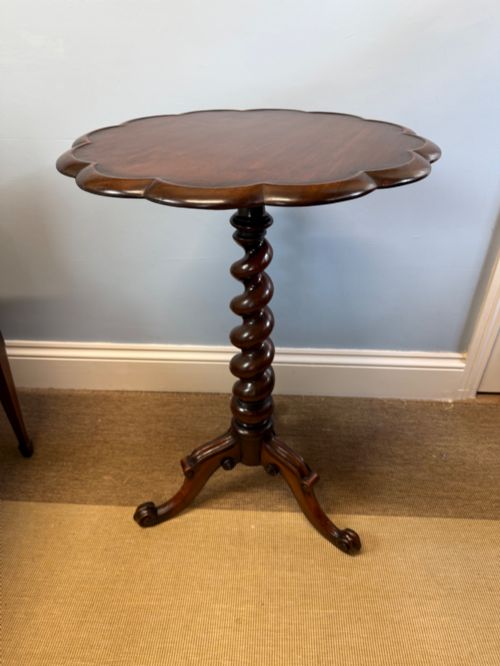
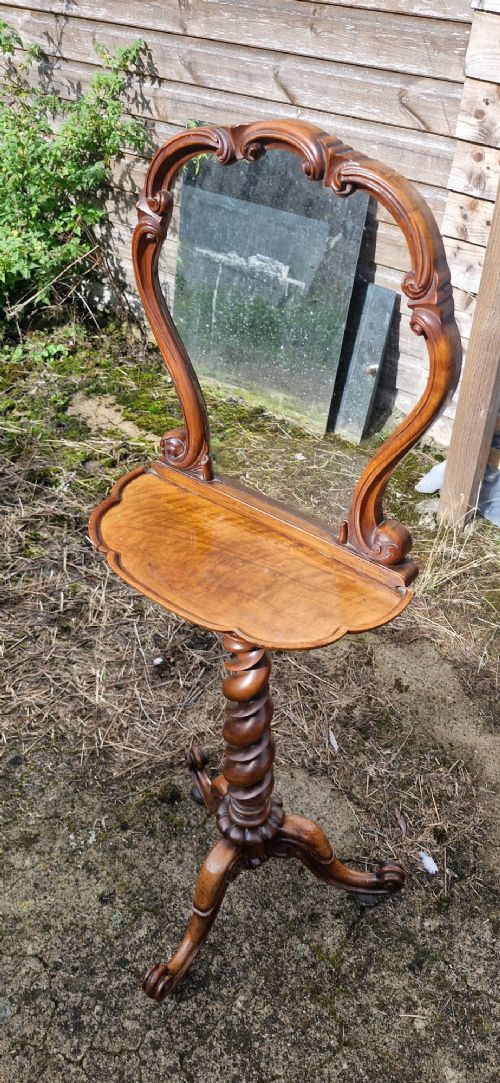
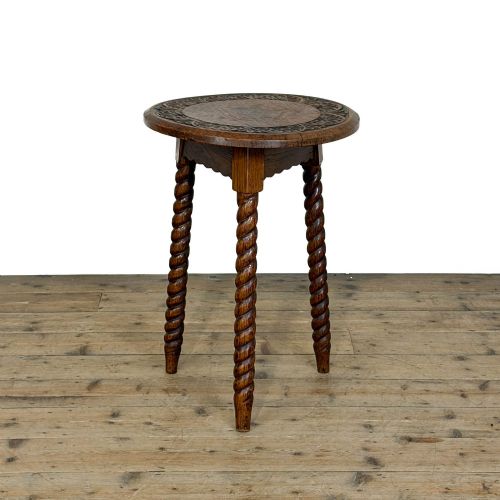
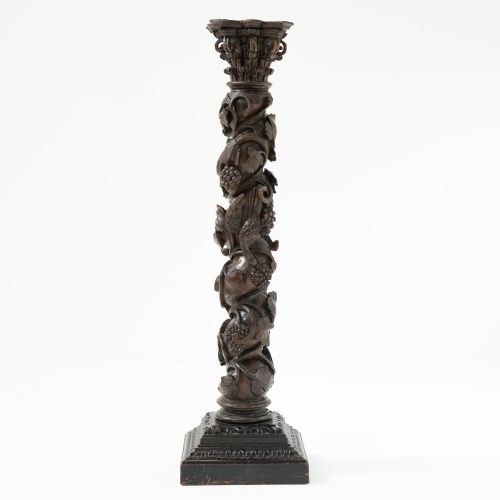
A barley twist plant stand serves primarily to display potted plants, jardinières and small sculptures within a room. When you search for this phrase, you encounter taller pedestal forms alongside lower occasional tables and torchere stands sharing the same spiralling leg configuration.
The versions most common on this page date from the Victorian and Edwardian eras through to the 1920s and 1930s. These pieces emerge in styles ranging from Jacobean Revival and Gothic Revival to simpler domestic oak and mahogany furniture.
Makers utilised these stands to introduce vertical interest and textural turned timber into domestic interiors. They function equally well supporting a ceramic planter, a bronze bust or a reading lamp.
How they were made
Makers fashioned these stands predominantly from solid oak, walnut and mahogany, occasionally turning to ebonised wood or fruitwood for specific commissions. Carpenters shaped the distinctive helical shafts on a lathe or carved them by hand to achieve the precise spiral rhythm.
Construction techniques combine turned uprights with sturdy tripod or circular bases to ensure stability under heavy ceramic planters and marble tops. Details such as brass mounts, bone inlay and marble inserts appear on select examples from Italian and French workshops.
Barley Twist Plant Stand Retail Price Guide 2026
Typical asking prices for barley twist plant stand among the pieces listed under this phrase on Sellingantiques today, from the lower quarter to the upper quarter. They describe what is for sale here now, not the wider market.
Listings span the nineteenth century through the 1930s, featuring oak, walnut, mahogany, brass and marble.
What varies in quality
Quality rests in the precision of the timber turning and the depth of the hand-carving along the spiral shaft. Crisp, well-defined twists demonstrate superior craftsmanship compared to softer, machine-rounded mouldings.
The choice of material and the integrity of the joinery at the base separate standard domestic pieces from finer country house examples. Heavier timber gauges and stable tripod footings distinguish robust stands built to bear considerable weight.
The Barley Twist Plant Stand Glossary
- Barley twist
- A decorative turning style resembling a spiralling rope or barley sugar stick. This form gained popularity during the seventeenth century and saw revivals in Victorian and Edwardian furniture.
- Torchere
- A tall stand designed to hold a lamp, candle or decorative bust. These slender pedestals elevate light sources and ornaments above floor level.
- Jardinière
- An ornamental pot or stand intended for holding plants and flowers. They appear frequently in ceramic, wood and marble across the nineteenth century.
- Tripod base
- A three-legged support structure providing stability on uneven floors. This configuration appears commonly on small tables and plant stands.
- Ebonised wood
- Timber treated with a dark finish to imitate expensive ebony. This technique was favoured in Victorian and later design to create dramatic contrast.
Barley Twist Plant Stand: Frequently Asked Questions
What plants fit these stands?
Potted plants, ferns and trailing ivies sit comfortably atop these elevated wooden surfaces. Planters and jardinières match the scale of the top platform.
Heavier ceramic pots require sturdy oak or mahogany stands with broad tripod bases for safe support.
How were they used historically?
Victorian and Edwardian households positioned these stands in bay windows and hallways to display indoor greenery. They brought nature into the domestic interior.
Beyond botany, households utilised torchere stands and pedestals for lamps, candles and sculptural busts.
How do I date a stand?
Timber selection and turning style offer primary clues to the period of manufacture. Solid oak and heavy walnut often point to Victorian or Edwardian craftsmanship.
Later pieces from the 1920s and 1930s adopt simpler domestic forms while retaining the traditional spiral leg profile.
Where should I place one?
Corners and empty wall spaces benefit from the vertical height and architectural interest of a tall pedestal. They draw the eye upward.
Shorter side tables function effectively beside armchairs or as lamp supports in a drawing room.