
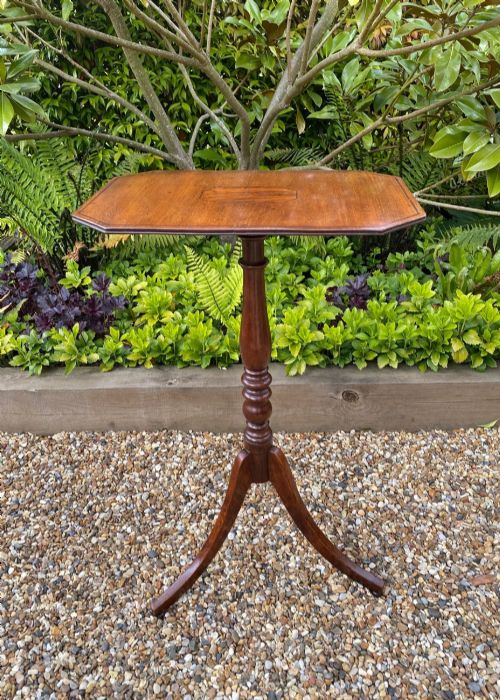
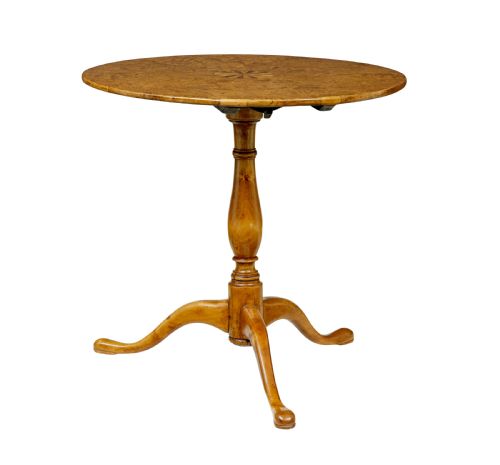
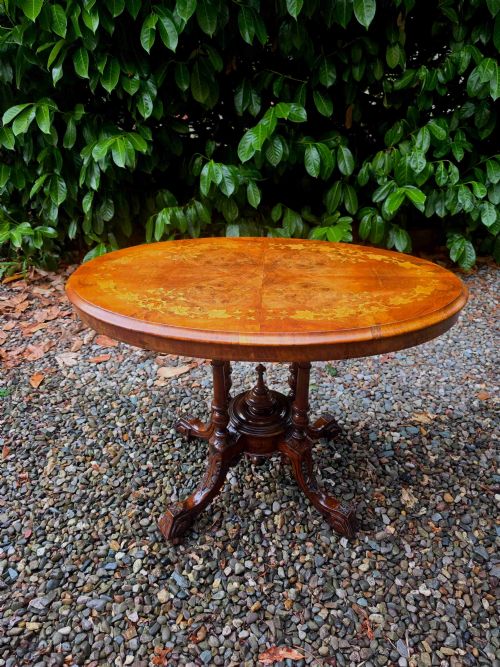
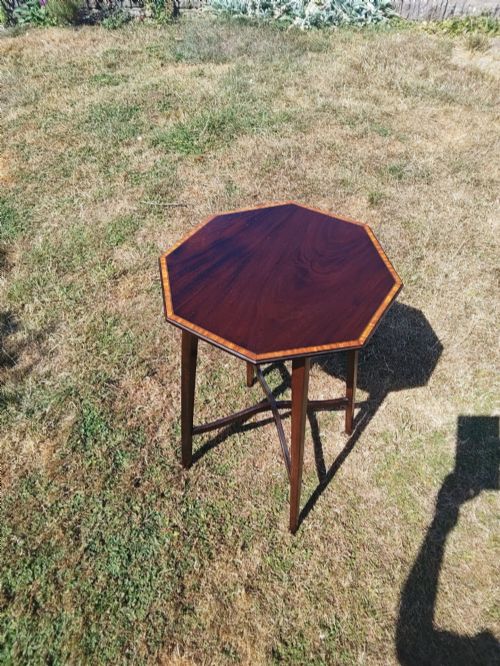


Inlaid Wood Wine Table
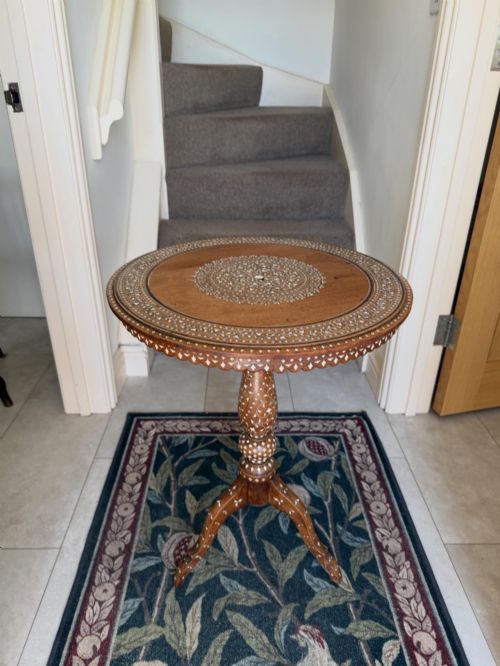
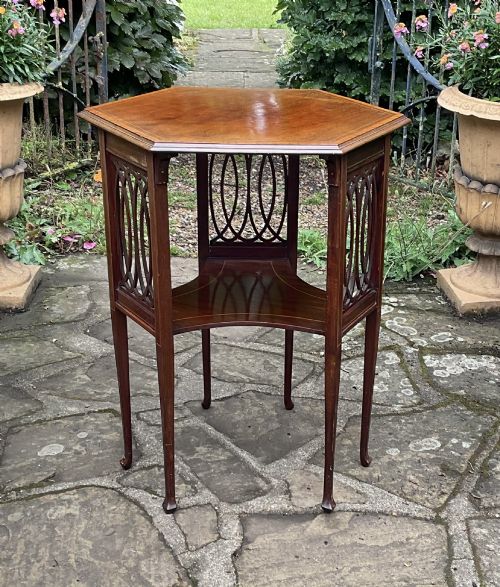
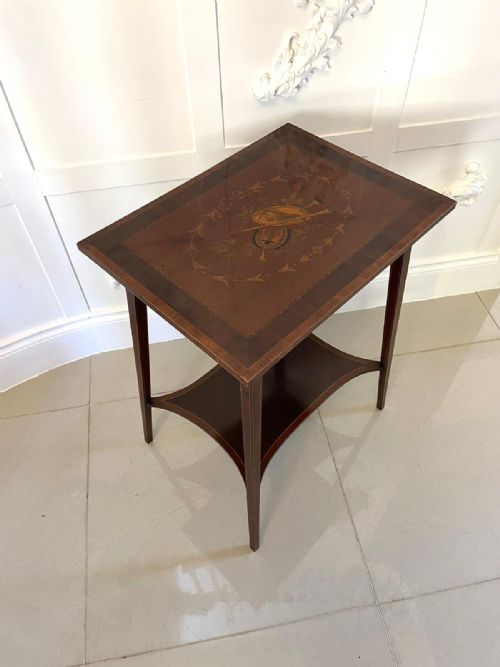
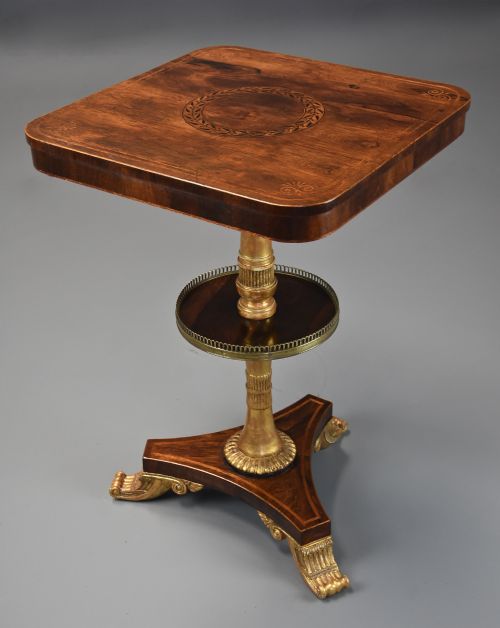
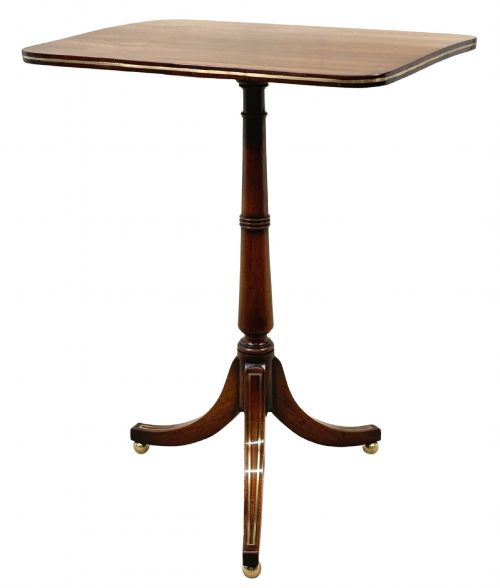
An inlaid wood wine table brings compact utility and decorative marquetry into a room, serving readily as a candle stand or lamp holder.
Inlaid Wood Wine Table
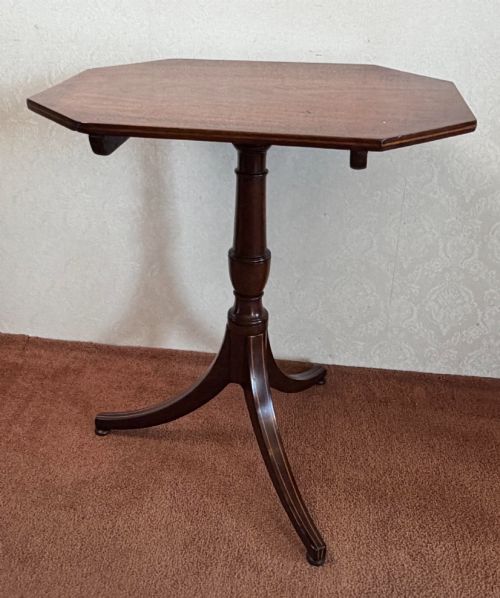
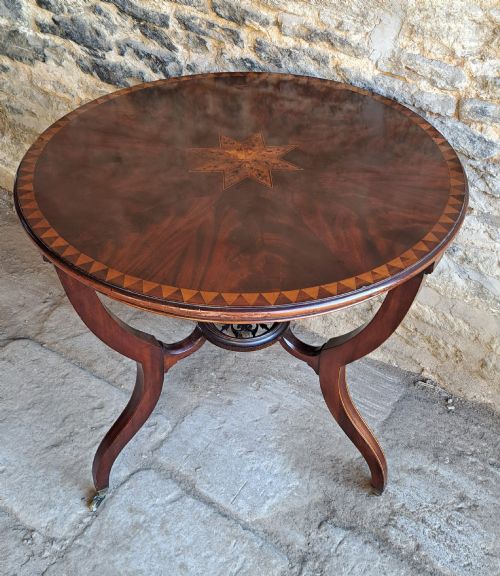
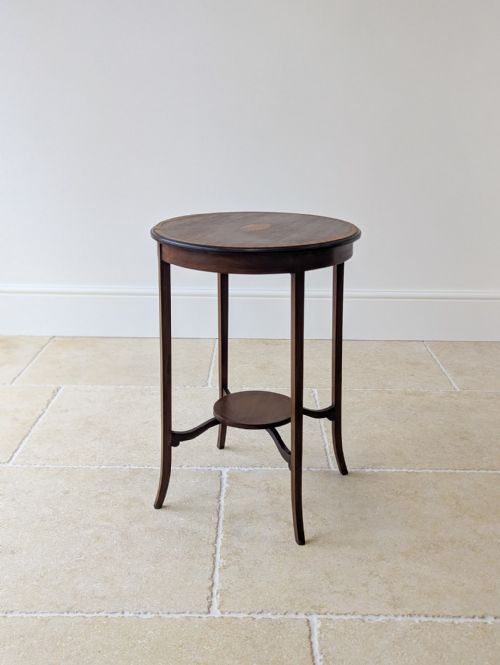
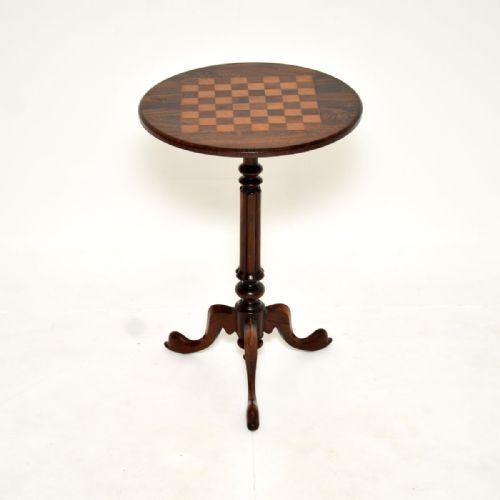
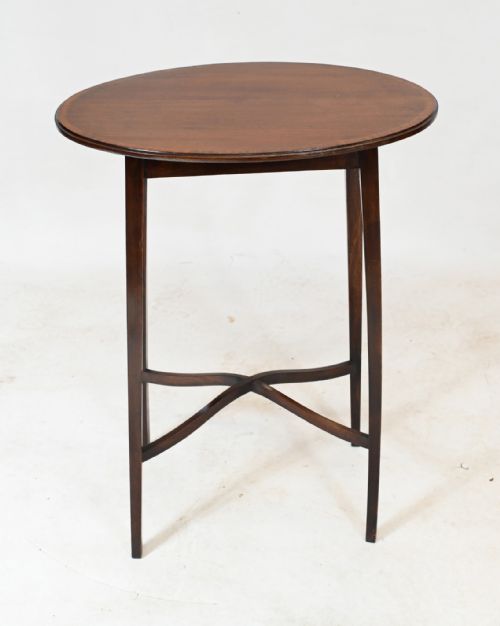
When searching for an inlaid wood wine table, buyers encounter small-scale circular, octagonal, and tilt-top surfaces designed for portable service in nineteenth and early twentieth-century interiors.
Mahogany, walnut, and rosewood forms dominate the selection, frequently appearing alongside Edwardian satinwood pieces and regional European marquetry works from the Victorian era.
These items serve as occasional tables, candle stands, and lamp tables, reflecting centuries of domestic adaptation where timber selection defined the character of a room.
Materials and Technique
Cabinet makers utilised dense hardwoods such as mahogany and rosewood as a foundation, incorporating contrasting timbers like boxwood, satinwood, and birch for decorative effect.
Inlay and marquetry techniques involved cutting intricate patterns into the primary timber surface, occasionally supplemented by brass stringing or bone elements to emphasise the geometric or floral design.
Swiss Black Forest makers carved bears and woodland scenes into occasional tables, bringing alpine wildlife straight into the Victorian parlour.
Judging the Workmanship
Superior examples demonstrate precision in the botanical or geometric inlay, where individual pieces of wood fit flush into the primary timber without excessive filler.
The stability of the pedestal base, the crispness of the turned column, and the integration of the top reveal the level of care invested by the original maker.
The Inlaid Wood Wine Table Glossary
- Marquetry
- Decorative veneer applied to furniture in patterns involving wood, bone, or other materials. This technique creates pictorial or geometric surface designs.
- Parquetry
- Geometric mosaic of wood pieces used for floors and tabletops. It relies on regular shapes like squares, triangles, and lozenges.
- Tilt-top
- Table construction featuring a hinged top that pivots to a vertical position when not in use. This mechanism saved space in smaller historic rooms.
- Stringing
- Thin inlay of contrasting wood or metal set into grooves on a furniture surface. It creates delicate linear framing around panels and tabletops.
Inlaid Wood Wine Table: Frequently Asked Questions
How were these small tables originally used?
These pieces served primarily to hold wine glasses, candles, or small lamps beside seating areas in reception rooms.
Their portable nature allowed servants to move them about the house according to the immediate needs of the household.
Are these tables sturdy enough for daily use?
Most rely on tripod legs or central pedestals which provide a stable footprint for lightweight items such as books or lamps.
Care should be taken with tilt-top mechanisms and delicate boxwood stringing during routine movement around modern living spaces.
What is the difference between marquetry and parquetry?
Marquetry employs varied timbers and materials to form pictorial, floral, or curvilinear scenes across the table surface.
Parquetry restricts itself to strict geometric patterns and repeating shapes built from contrasting wood veneers.
How do I identify an Edwardian piece?
Edwardian items often feature lighter satinwood finishes, delicate cross-banding, and revival Sheraton styling dating from the early twentieth century.
They generally present a brighter timber tone compared to the darker polished surfaces found on earlier Victorian examples.