




Burr Walnut Tripod Table
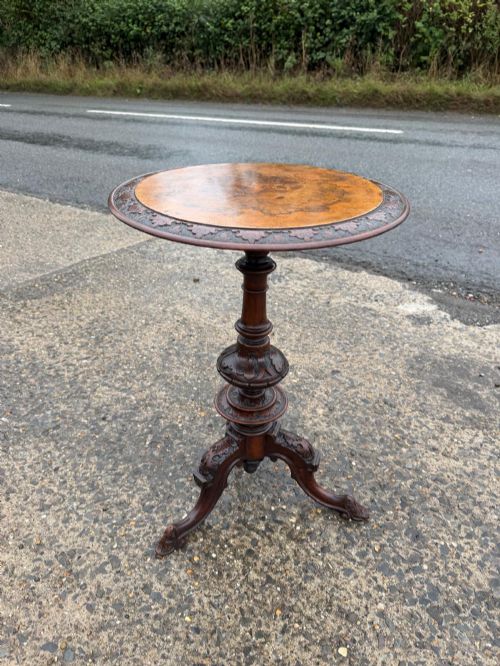
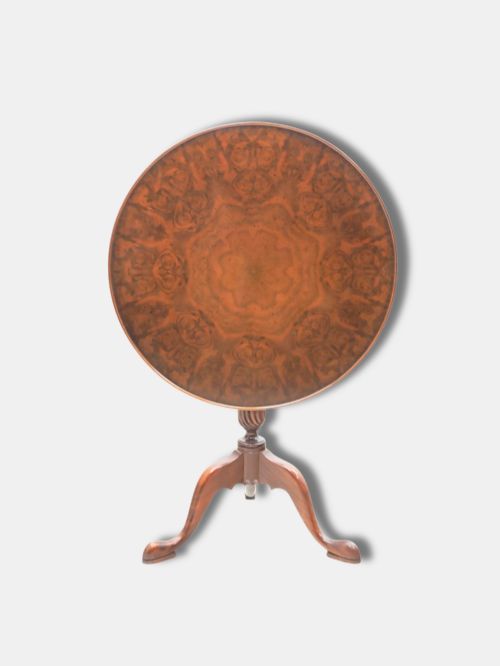
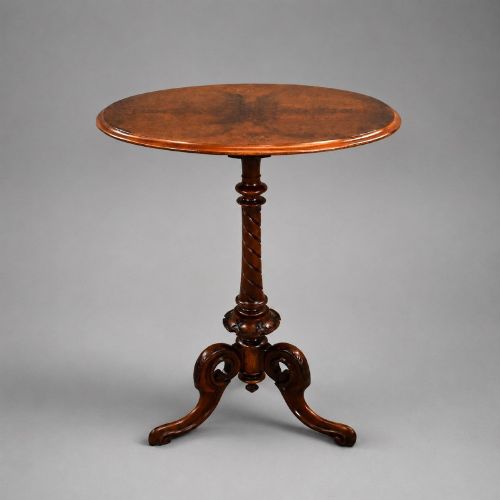
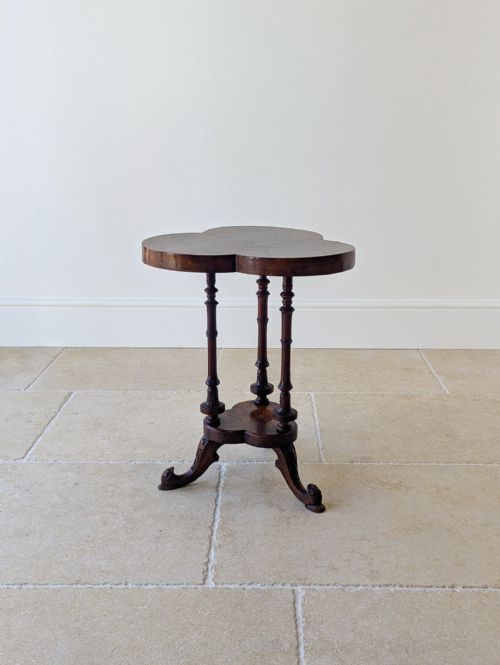
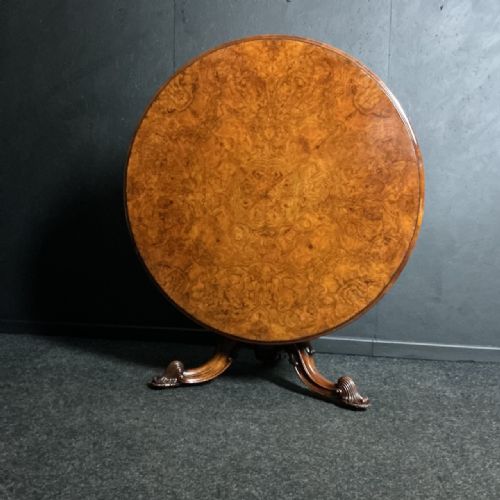
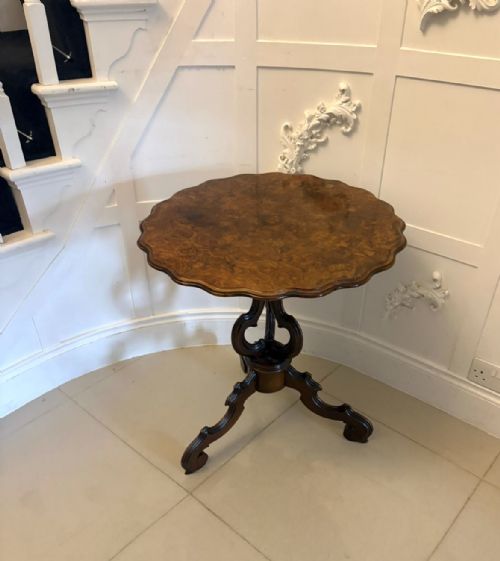
A burr walnut tripod table brings rich, swirling grain patterns and compact three-legged support into a room.
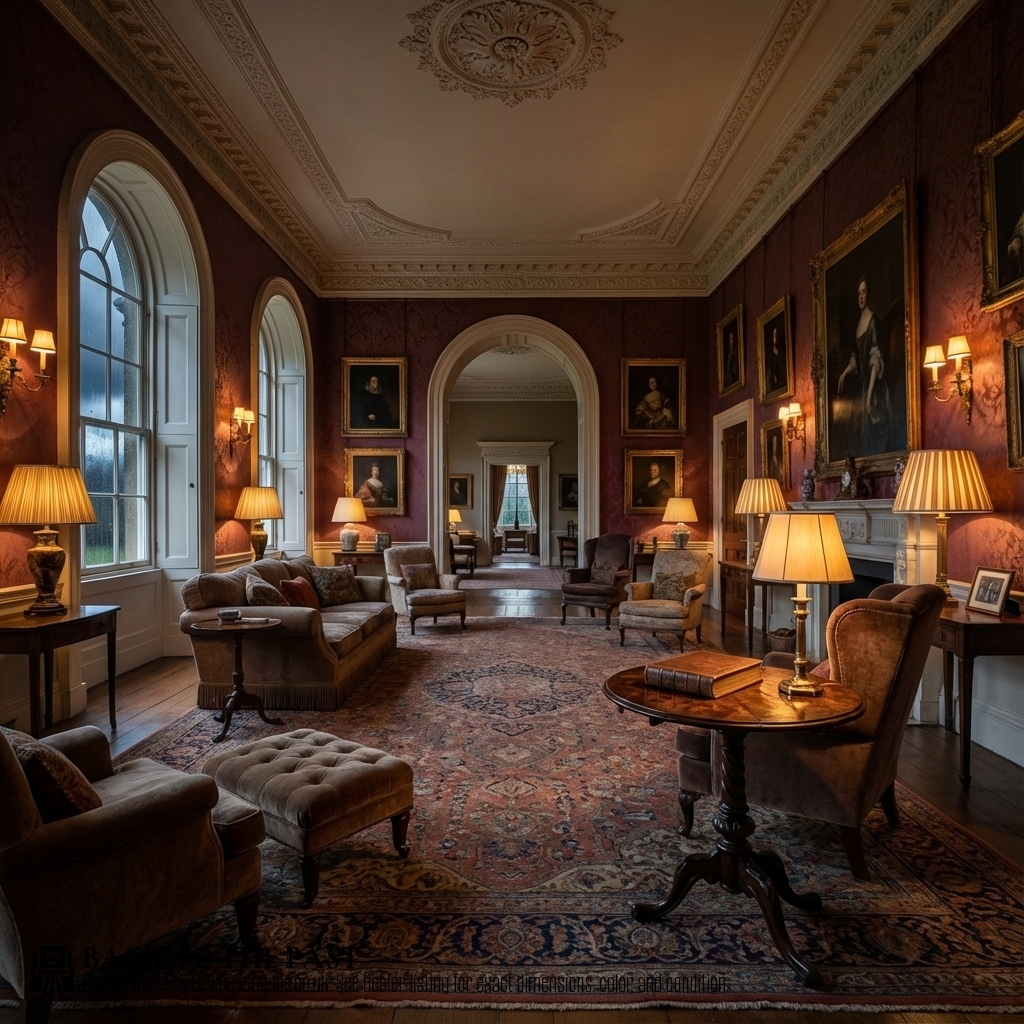
Burr Walnut Tripod Table
When searching for a burr walnut tripod table, buyers encounter a specific form of 19th-century occasional furniture defined by a central pillar on three supporting feet. The surviving examples on this page are predominantly Victorian pieces dating from the mid to late decades of the nineteenth century.
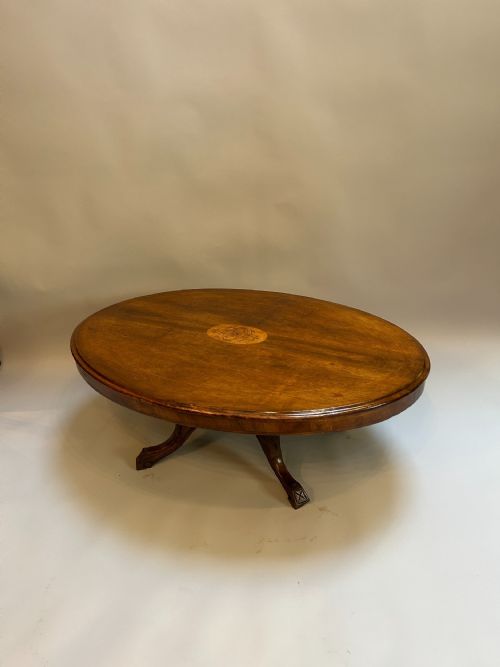
The assortment includes round lamp tables, wine tables, and tilt-top versions designed to stand beside seating or furnish a corner. Walnut and burr walnut veneer dominate the surfaces, occasionally supplemented by marquetry inlay and boxwood stringing.
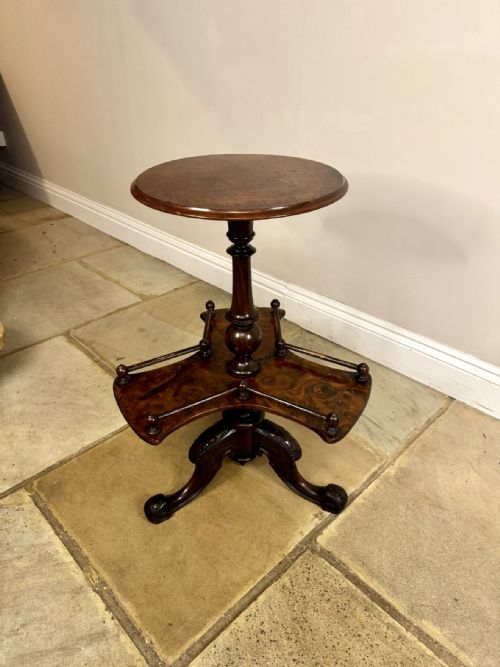
Makers utilised the distinctive figuring of the burr walnut timber to create highly decorative tabletops. While many retain their original tripod bases, some pieces combine period tops with alternative supports.
Materials and construction
Cabinet makers sliced paper-thin layers of burr walnut veneer from knotty tree growths and applied them over secondary timbers like mahogany or pine to achieve striking, symmetrical grain patterns on the tabletop. This technique maximised the visual impact of scarce, highly figured wood.
The pillar and three-legged base were typically turned from solid walnut or mahogany, providing sturdy support beneath the decorative top. Marquetry inlay, brass fittings, and wood inlay frequently embellished the edges and surfaces of finer examples.
Listings feature Victorian occasional tables, centre tables, and sewing tables constructed from burr walnut, mahogany, and brass.
Judging the quality
Quality rests primarily on the density and symmetry of the burr walnut figuring across the tabletop, where richly patterned grain elevates a piece far above plain veneer. Superior examples also display crisp, finely carved pillar stems and well-proportioned tripod legs rather than plain, heavy turnings.
The precision of any marquetry or wood inlay work dictates the standard of craftsmanship. Better tables maintain tight joints where the top meets the pedestal and retain smooth mechanisms on tilt-top or swivel variants.
Edwards & Roberts
The Burr Walnut Tripod Table Glossary
- Burr walnut
- A veneer sliced from the gnarled growths of a walnut tree. It produces intricate, swirling patterns highly prized by Victorian cabinet makers.
- Tripod table
- A small freestanding table supported by a central pillar resting on three legs. This design prevents rocking on uneven historical floors.
- Tilt-top
- A tabletop hinged to the central pillar so it can tilt vertically. This allowed the table to be stored flat against a wall when not in use.
- Marquetry inlay
- Decorative patterns formed by fitting contrasting wood veneers into a prepared background. Floral and geometric motifs are common on Victorian tops.
- Wine table
- A compact occasional table originally intended for holding glasses or decanters beside a chair. They form a large portion of surviving tripod tables.
Burr Walnut Tripod Table: Frequently Asked Questions
What is a burr walnut tripod table?
A burr walnut tripod table is a small 19th-century table featuring a decorative veneered top supported by a central pillar and three legs. These tables served various domestic purposes from holding lamps to serving wine.
Most surviving examples date from the Victorian era and showcase the distinctive, swirling grain patterns of burr walnut timber.
How were tilt-top tripod tables used?
Tilt-top tables were engineered with a hinged mechanism allowing the circular or oval top to pivot upright. This practical feature enabled servants to store the furniture flat against the perimeter walls of a parlour when extra floor space was required.
In daily use, the top locked horizontally to hold small objects, sewing boxes, or drinking vessels.
Where should I place a wine table?
Wine tables work well beside armchairs, sofas, or in unused corners where a large surface would overwhelm the room. Their compact tripod bases allow them to tuck neatly into tight spaces.
They provide a convenient landing spot for a book, small lamp, or glass without crowding the interior layout.
How do I date a Victorian walnut table?
Dating relies on examining construction methods, wood types, and decorative styles like marquetry or carving. Mid-Victorian pieces from around 1860 frequently combine rich burr walnut veneers with elaborate tripod bases.
Later Victorian and Edwardian examples often introduce lighter proportions or simpler edgings while retaining the classic three-legged format.