

Small Mahogany Tripod Table
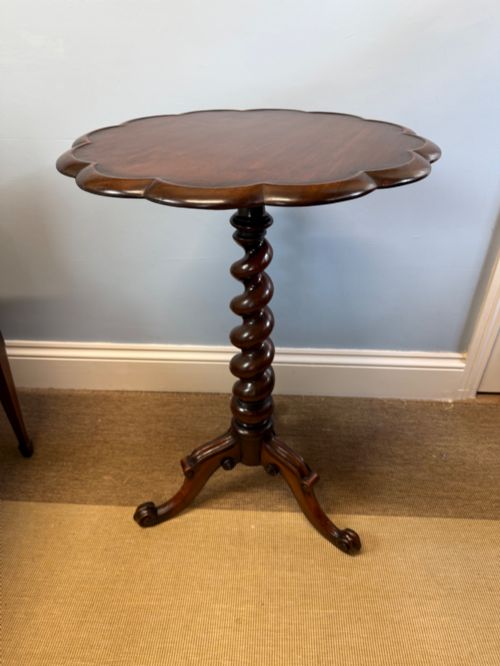
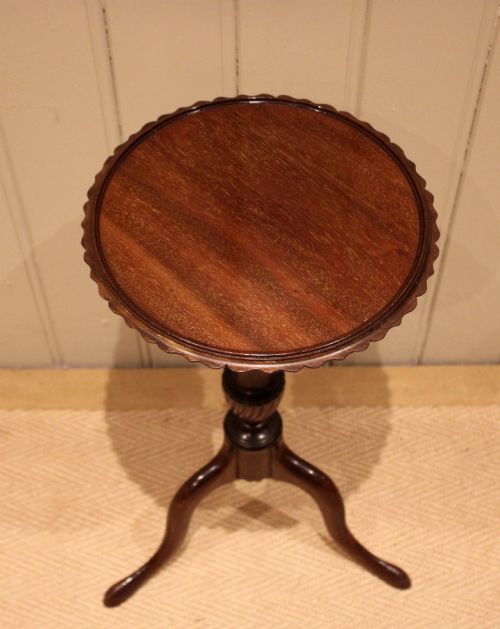
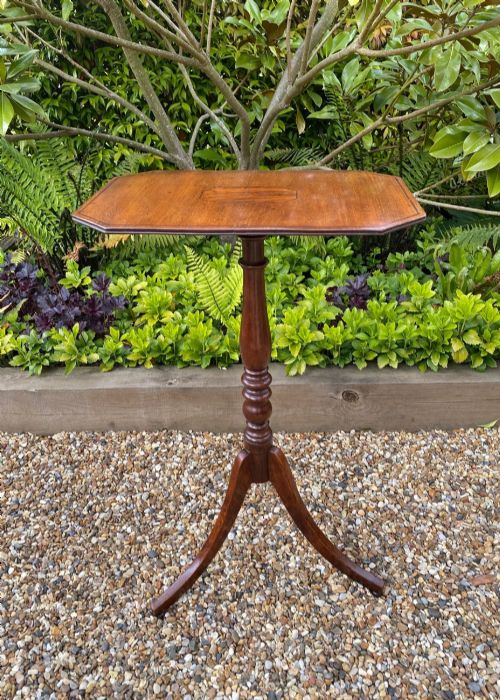
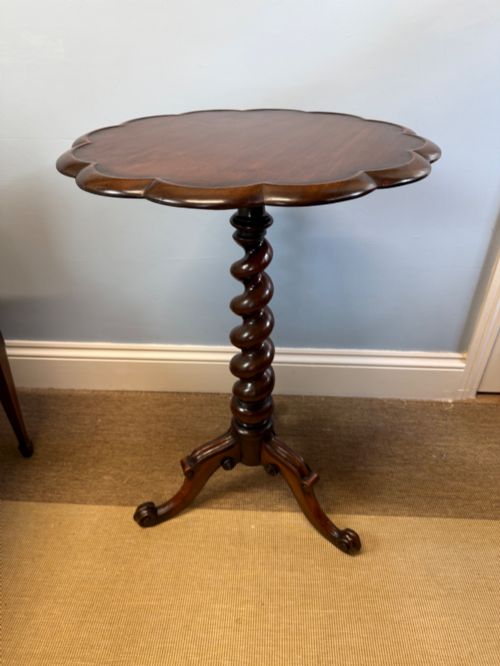
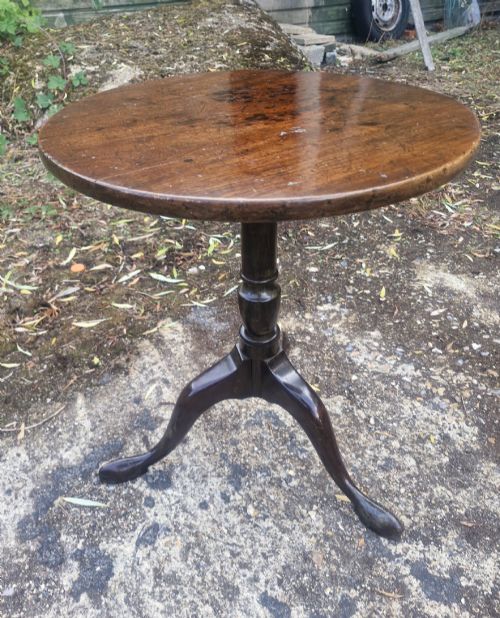
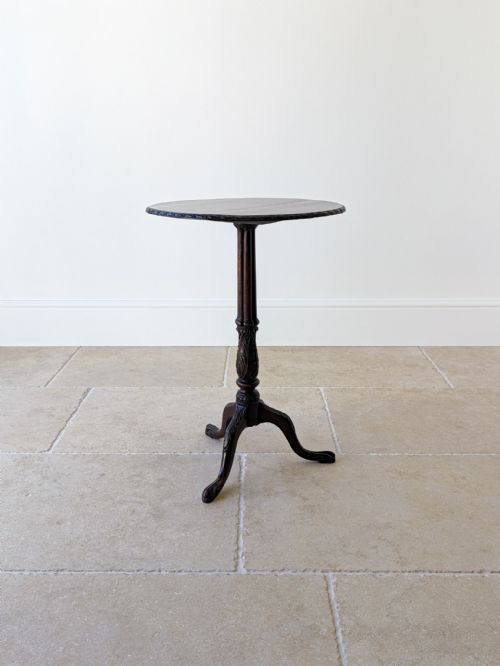
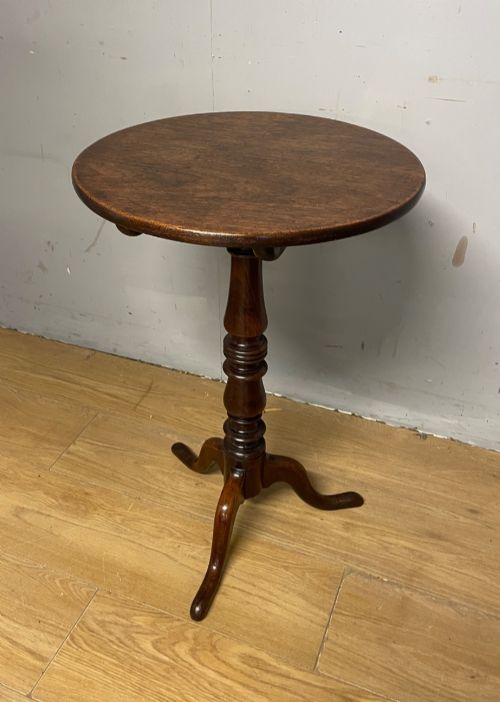
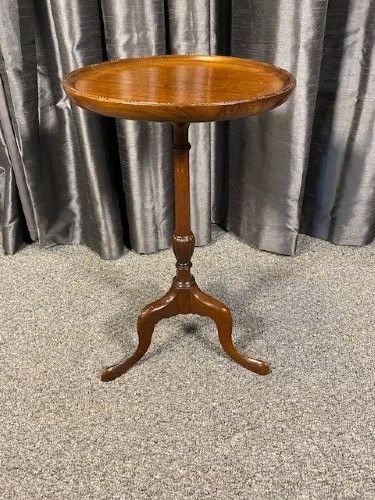
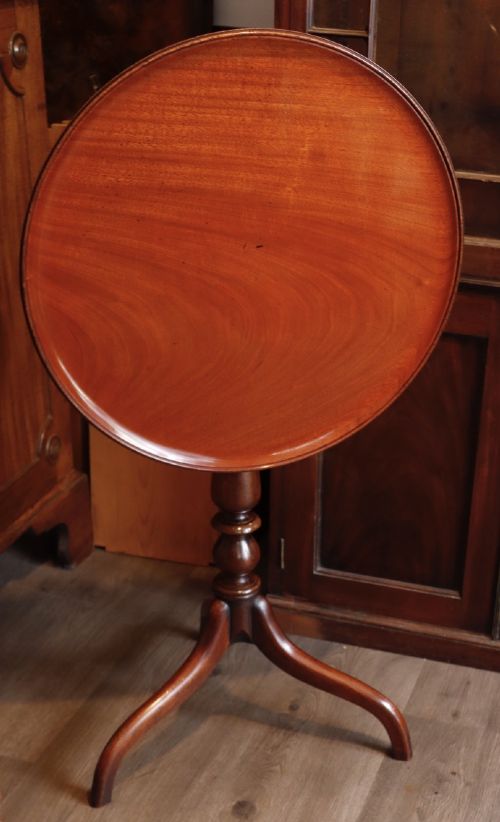
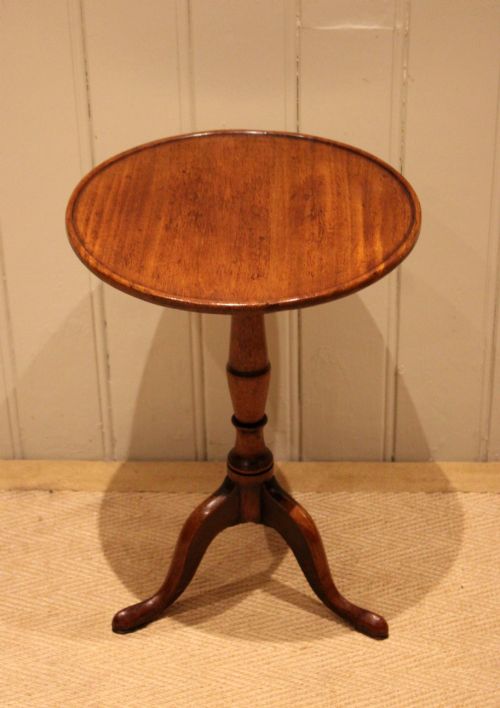
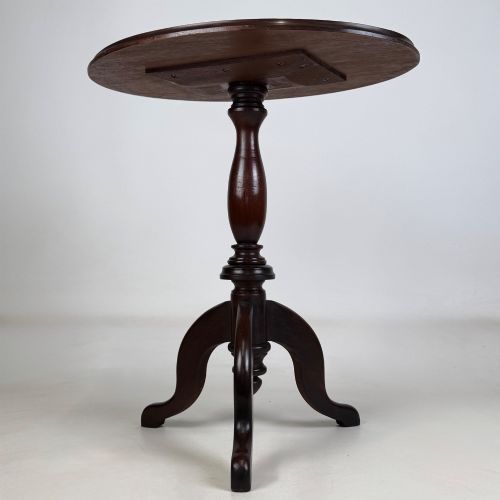
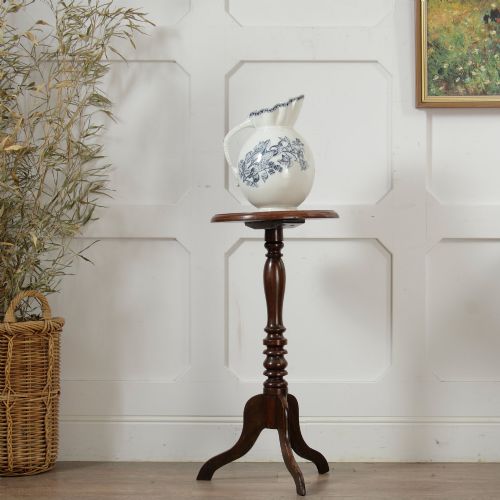
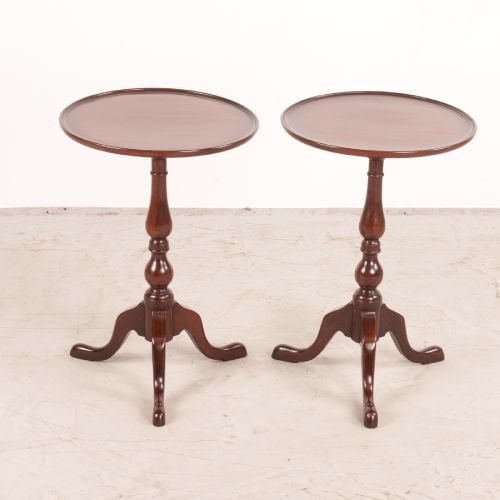
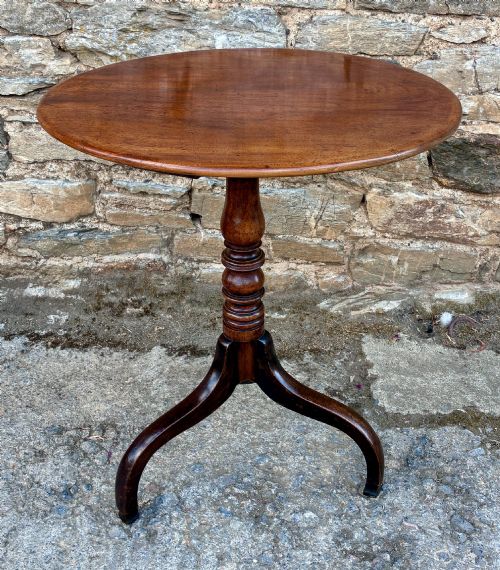
A small mahogany tripod table provides a portable surface with a turned pillar supported by three legs, ideal for holding a candle or glass.
Small Mahogany Tripod Table
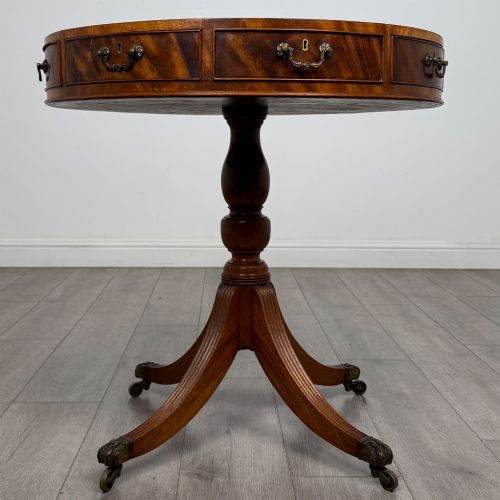
A small mahogany tripod table is a compact surface supported by a central pillar and three splayed legs, designed for versatile placement beside seating or in corners. These pieces frequently appear as wine tables, lamp tables, or candle stands, offering a convenient surface for small objects.
The selections span from the eighteenth century through the Georgian and Regency eras into the Victorian and Edwardian periods, including later revivals. Buyers encounter circular, oval, and occasional forms, sometimes featuring tilting tops or inlaid details.
Origins trace across Georgian workshops, nineteenth-century cabinet makers, and Edwardian parlours, reflecting changing domestic habits. The enduring format remains a practical accent piece in modern rooms.
How they were made
Makers relied primarily on solid mahogany and mahogany veneers, occasionally incorporating secondary timbers like cherry wood, walnut, or boxwood for inlay. Turning lathes shaped the central pedestal shafts, while hand saws and chisels formed the three splayed legs and pillar blocks.
Tilt-top mechanisms utilised brass catches and pivoting box joints to allow the surface to fold vertically when not in use. Joinery typically involved pegged mortise and tenon joints connecting the legs to the central column.
Small Mahogany Tripod Table Retail Price Guide 2026
Typical asking prices for small mahogany tripod table among the pieces listed under this phrase on Sellingantiques today, from the lower quarter to the upper quarter. They describe what is for sale here now, not the wider market.
Some tables include tiny boxwood stringing lines so fine they feel like pencil marks drawn by an exceptionally steady hand.
What varies in quality
The distinction between tiers rests upon the selection of timber grain, the crispness of the turned column, and the structural integrity of the leg junction. Superior examples display carefully matched mahogany veneers, precise boxwood inlay, and balanced proportions across the tripod base.
Workmanship shows in the smooth operation of the tilt mechanism and the stability of the pillar seating. Simpler utility versions lack decorative carving or inlay, prioritising plain function over refinement.
The Small Mahogany Tripod Table Glossary
- Tripod table
- A freestanding small table supported by a central pillar resting on three legs. This construction prevents wobbling on uneven floors.
- Tilt-top
- A hinged table top that rotates and locks vertically against the pedestal. This mechanism allowed tables to be stored flat against walls when not in use.
- Wine table
- A small occasional table designed to hold a single glass or bottle. These pieces often feature circular or dish tops.
- Pie crust rim
- A raised, decoratively carved edge shaped around the perimeter of a tabletop. The contour resembles pastry work.
- Pedestal
- The central vertical column supporting the tabletop above the leg assembly. It is frequently turned on a lathe with ring or vase profiles.
Small Mahogany Tripod Table: Frequently Asked Questions
What was a small mahogany tripod table used for?
These tables served various portable domestic functions, such as holding candles, glasses of wine, or small lamps beside seating. Their light weight allowed servants to move them easily around a room as evening needs changed.
Over time, owners placed them in parlours, bedrooms, and halls for display or reading. They remain practical for resting drinks or small decorative items in modern spaces.
How do I distinguish a Georgian table from a later revival?
Georgian pieces generally show native timber patination, hand-cut joinery marks, and specific proportioning in the pillar turning. Eighteenth-century examples often feature integrated tilt-top box mechanisms carved from solid wood.
Later Victorian and Edwardian revivals often incorporate machine-cut elements, different secondary woods, or standardised hardware. Examining the underside and the wear around the leg joints clarifies the age.
Why do some tops tilt sideways?
The tilting mechanism was designed for compact storage against room perimeters when the surface was unoccupied. A small wooden or brass catch underneath secures the top in the horizontal position during use.
This feature is common on eighteenth- and nineteenth-century wine and candle stands. It demonstrates the emphasis on flexible room arrangements in period interiors.
Where should I place a tripod table at home?
The compact footprint makes these tables suitable for tight corners, beside armchairs, or between windows where larger furniture will not fit. Their three-legged base sits securely on most floor surfaces.
They function well as bedside stands or plant pedestals. Avoid placing them in direct sunlight or near heat sources to protect the mahogany finish.