

Antique Miniature Table
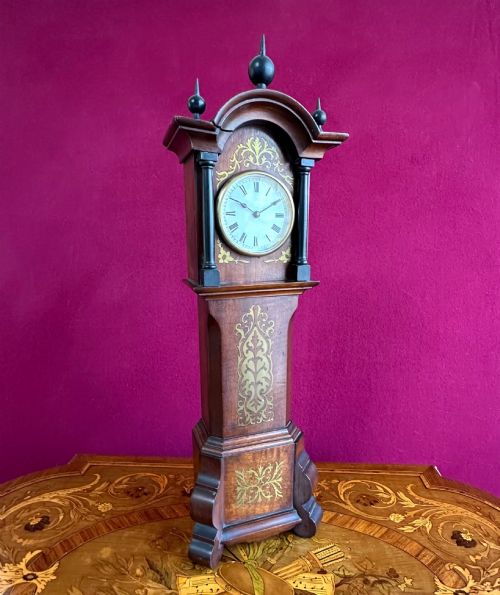
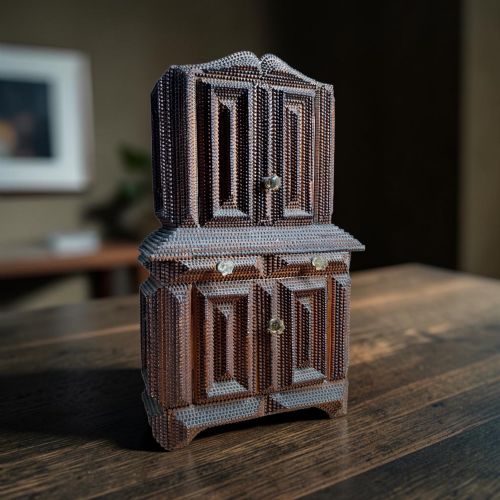
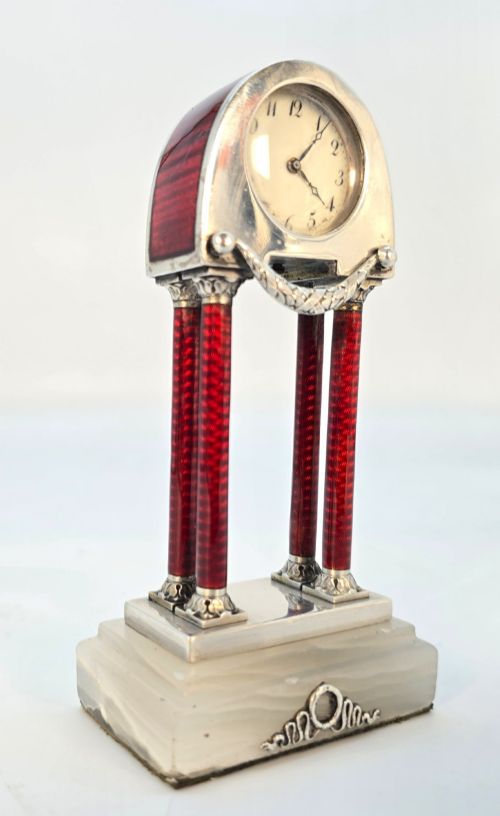
These small-scale marvels scale down full-sized furnishings and decorative objects into delightful, transportable treasures that command attention.
Antique Miniature Table
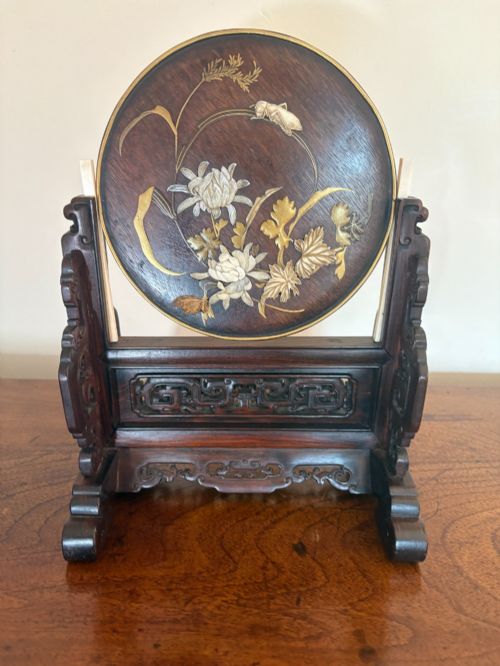
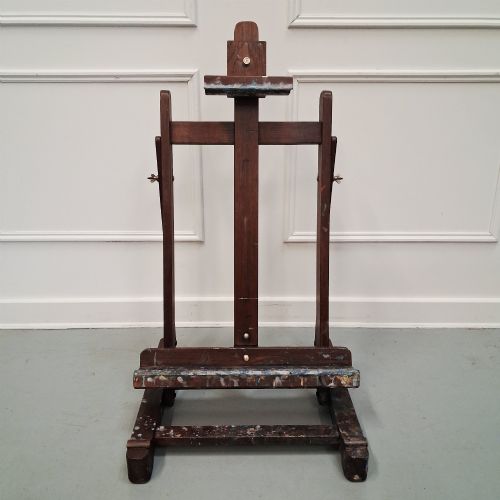
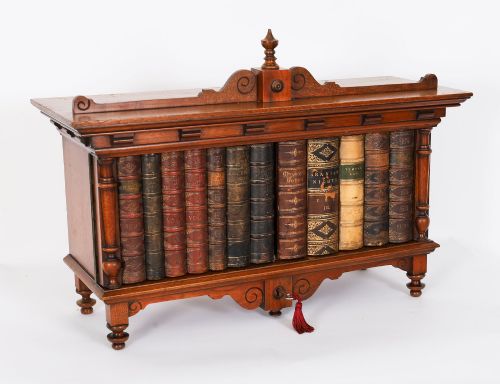
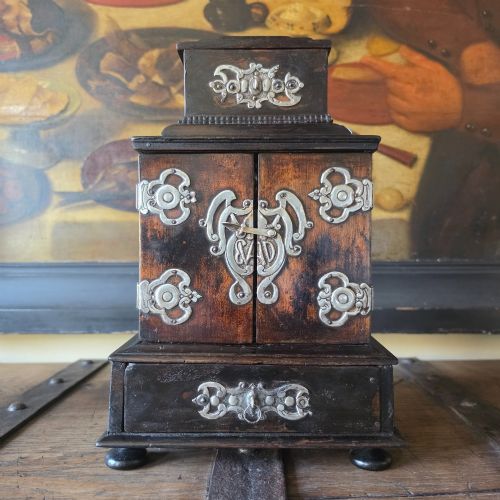
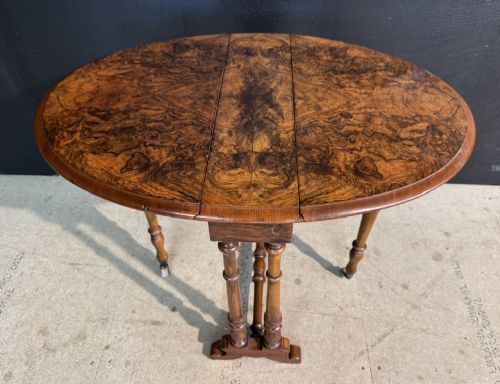
An antique miniature table brings the intricate craftsmanship of full-sized furniture into a remarkably small scale. When searching for this phrase, you will encounter diverse forms including tilt-top tripod tables, apprentice pieces, and decorative stands.
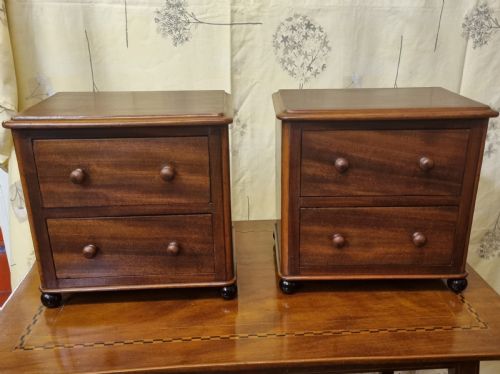
The selections span from the eighteenth century through the Victorian era and into the early twentieth century. These pieces often served as cabinet maker samples, masterworks, or specialised furnishings for dolls houses and collectors.
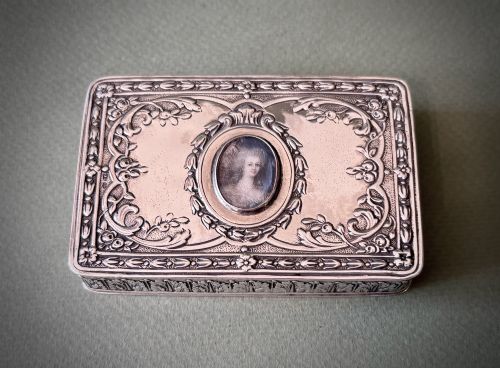
Materials range from figured walnut and mahogany to solid silver and ormolu. Each item reflects the dominant design movements of its period, from Georgian simplicity to Victorian ornamentation.
Materials and construction methods
Cabinet makers utilised dense hardwoods such as mahogany, walnut, and satinwood, frequently employing fine veneers and intricate inlay to mimic larger domestic furniture. Metal pieces rely on cast silver, gilt brass, and ormolu, sometimes paired with stone or enamel.
Joinery techniques mirror those of standard-sized antiques, using dovetails, miniature turnings, and precise carving. Metal objects demonstrate casting, repoussé, and hand engraving executed on a very delicate scale.
Listings feature items from the eighteenth, nineteenth, and early twentieth centuries, constructed in wood, silver, brass, and glass.
Distinguishing exceptional craftsmanship
Superior quality rests in the fidelity of proportion and the precision of the scaling. The finest examples maintain structural integrity and functional movement, such as a working tilt-top mechanism or operable small drawers, despite their diminutive size.
Surface finish dictates the desirability of wooden items, where hand-rubbed polish highlights the grain of the wood rather than masking it. Metal items show crispness in cast detail and sharpness in engraving without softening or blurriness.
Flight Barr And Barr·Mappin And Webb·Georg Adam Scheid·Henry Williamson·Berthold Muller
The Antique Miniature Table Glossary
- Apprentice piece
- A small-scale item created by a trainee craftsman to demonstrate mastery of a trade before gaining guild admission.
- Tilt-top table
- A table featuring a hinged surface that pivots vertically for storage when not in use.
- Ormolu
- Gilded bronze or brass applied to decorative objects and furniture mounts, popular in French and English pieces.
- Satinwood
- A durable, lustrous timber native to India and Sri Lanka, prized for its golden yellow colour and fine grain.
Antique Miniature Table: Frequently Asked Questions
What is an antique miniature table?
These items are small-scale furniture pieces and decorative stands produced by period craftsmen as masterworks, trade samples, or luxury novelties.
They faithfully replicate full-sized furnishings in materials like mahogany, walnut, and silver across various historical periods.
How were these small tables used?
Period users placed these small furnishings on larger desks, sideboards, or tabletops as decorative accents or specialised display surfaces.
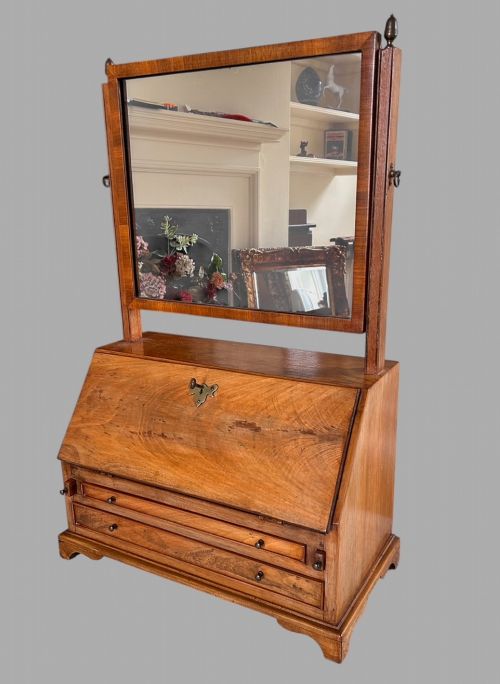
Some served specific functions like holding pocket watches or serving as miniature writing desks and dressing mirrors.
How do I date these antique items?
Dating relies on identifying the prevailing stylistic markers, such as Victorian ornamentation or Georgian proportions, alongside the timber species.
Examining the construction methods and metal hallmarks provides further chronological markers to narrow down the decade of production.
Are these items sturdy enough for daily use?
Most of these delicate creations were built for display rather than heavy domestic utility, requiring careful placement away from high traffic.
Handling them gently preserves their historical joinery, delicate veneers, and intricate surface decorations over time.