
Brown Mahogany Side Tables
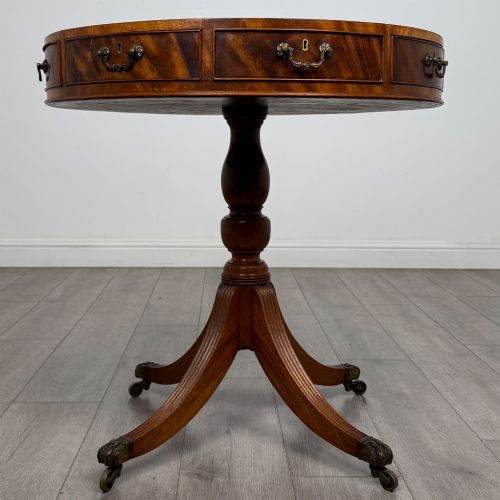
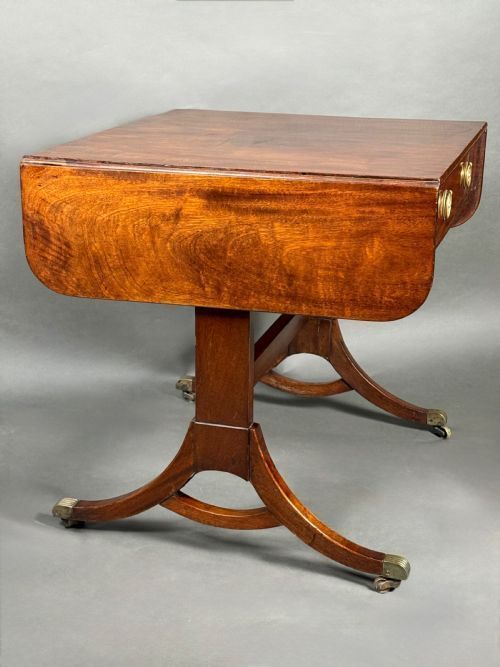
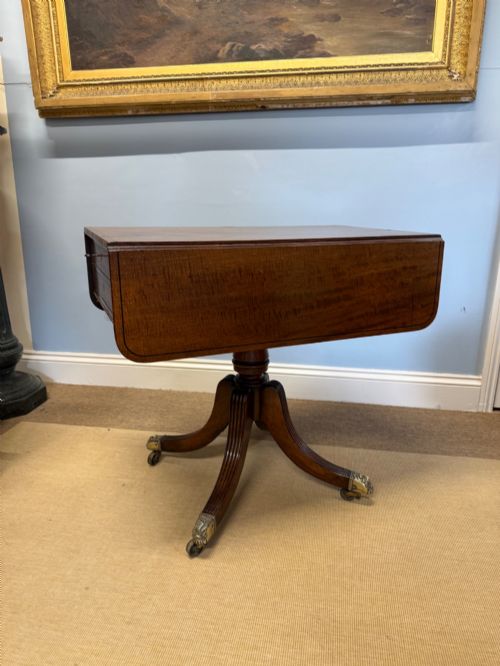
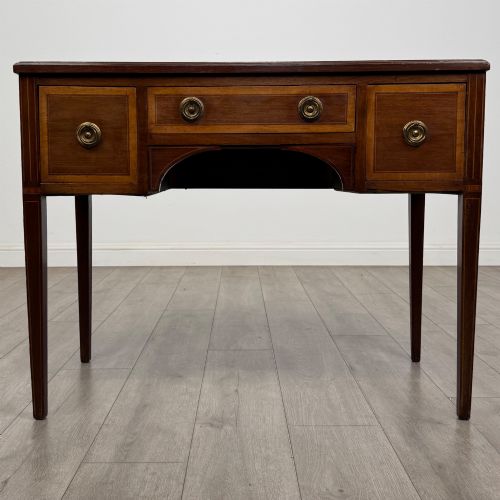
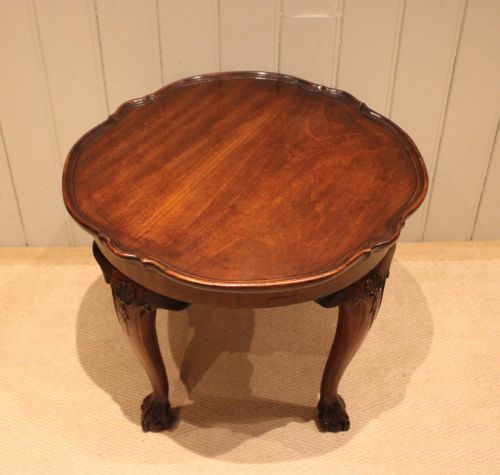
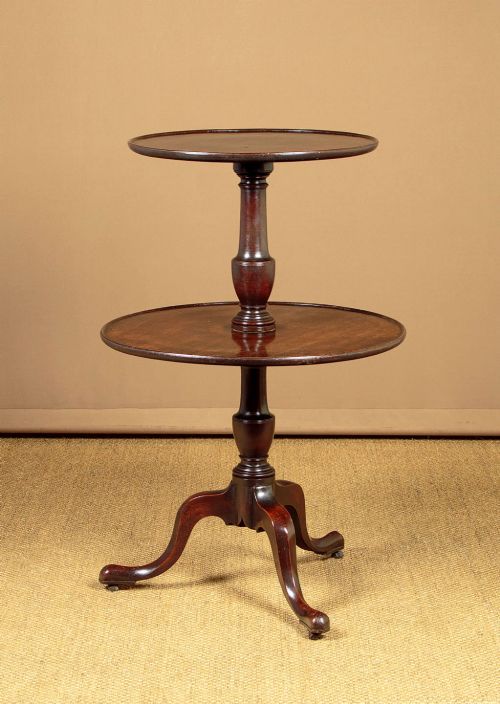
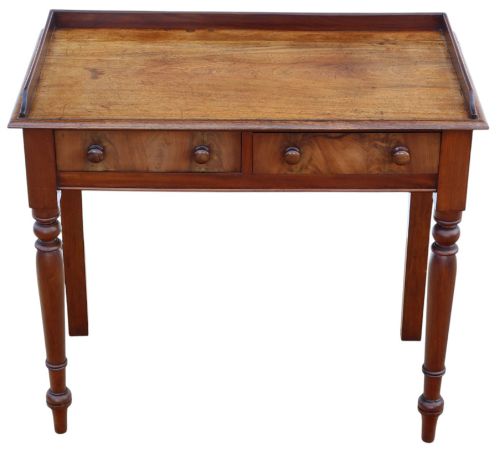
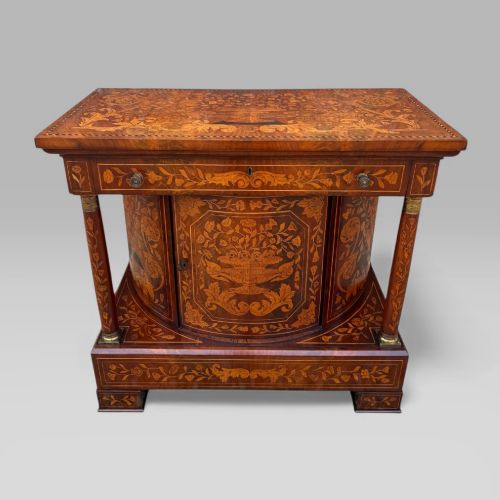
Brown mahogany side tables bring warmth and utility to a room, offering rich timber surfaces and classic forms that suit both traditional and modern spaces.
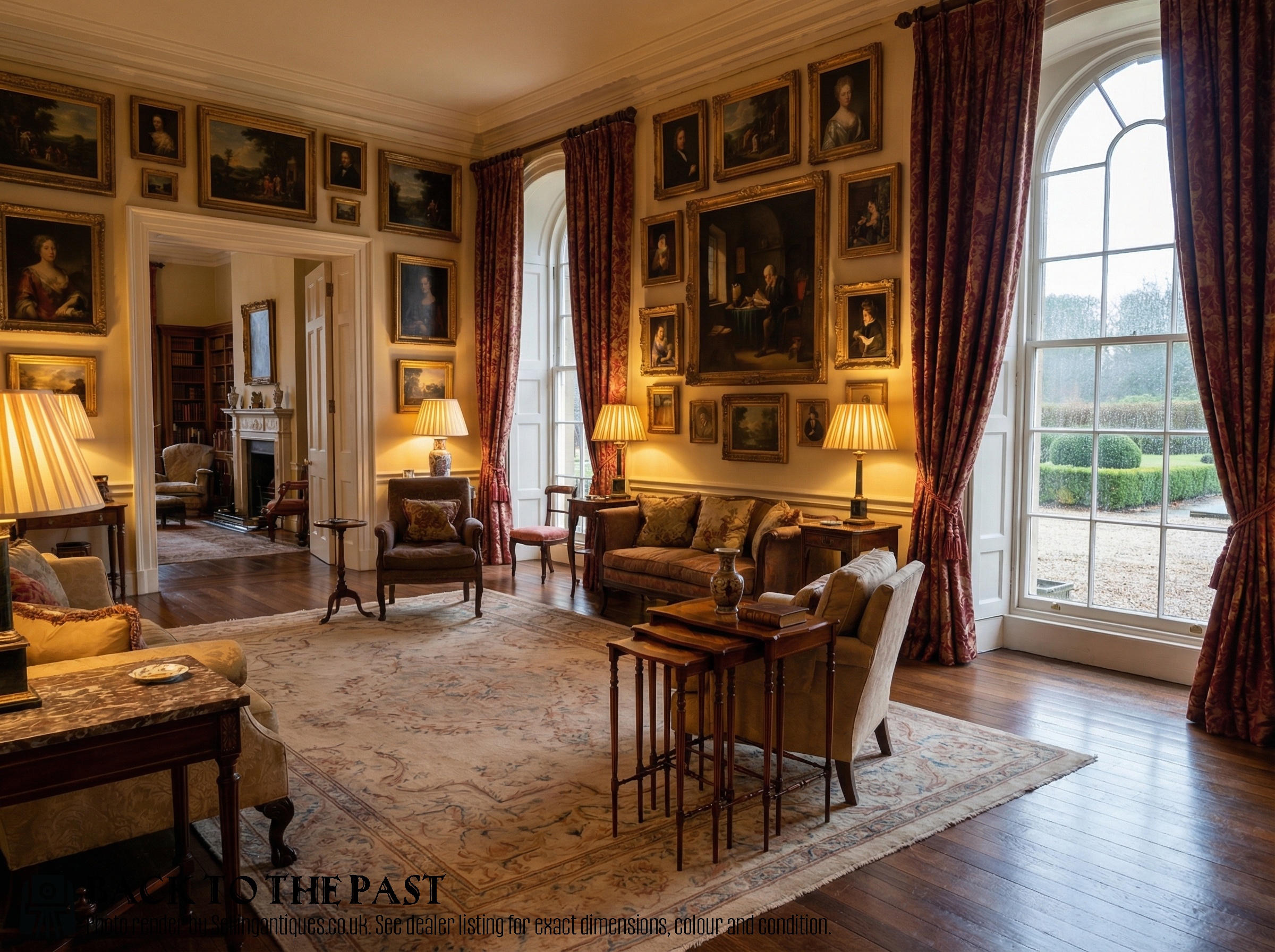
Identifying brown mahogany side tables
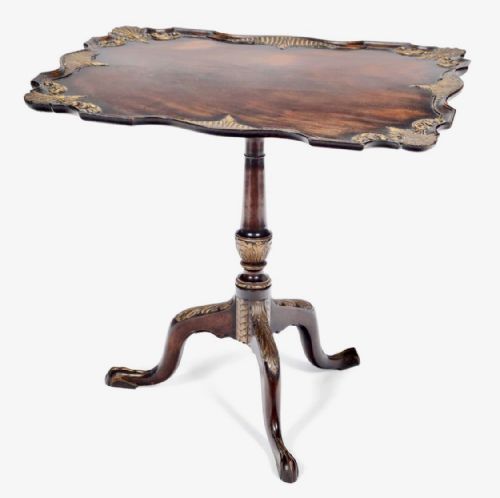
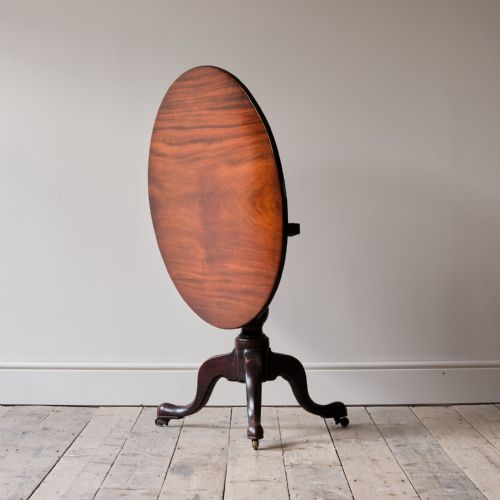
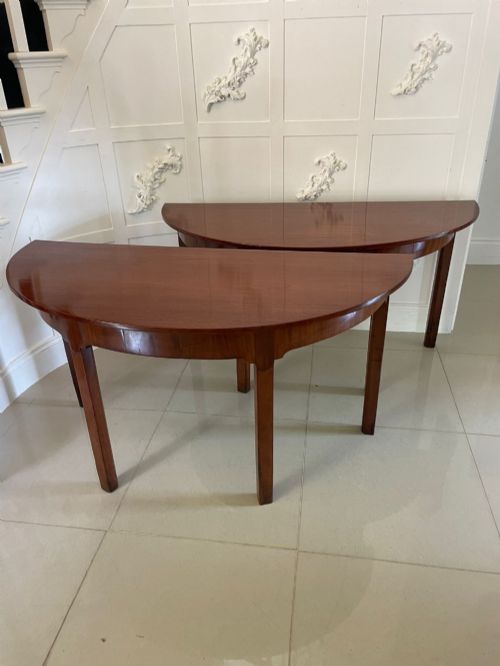
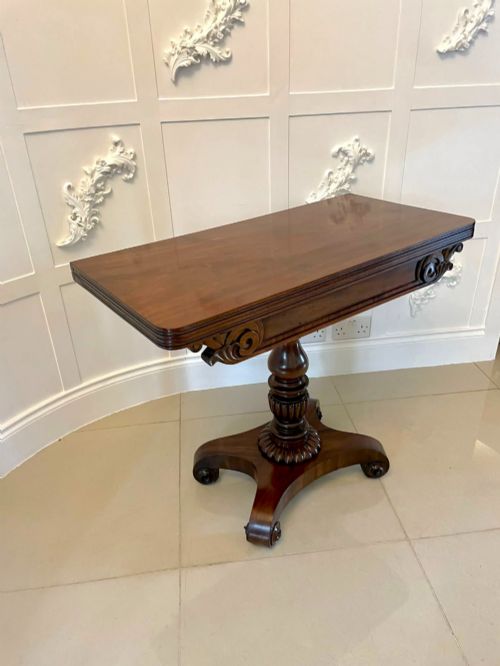
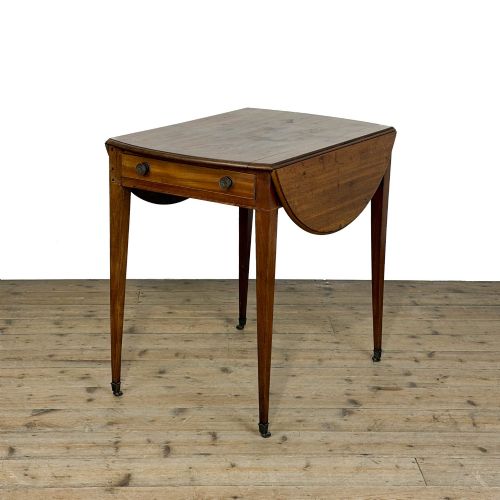
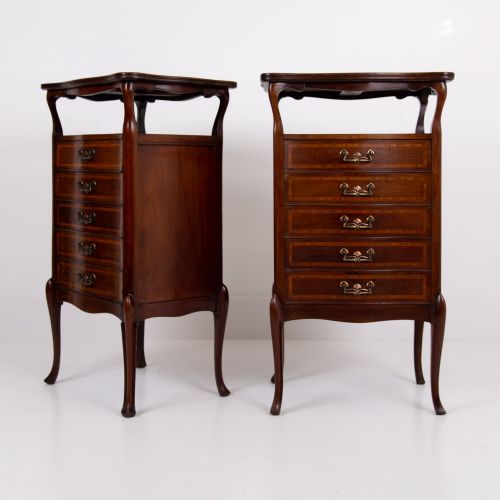
When you search for brown mahogany side tables, you encounter an array of functional furniture spanning the eighteenth century through the Edwardian era and the early twentieth century. The selection includes versatile nests of tables, compact bedside units, console tables, and demi lune pieces designed for specific placement in a room.
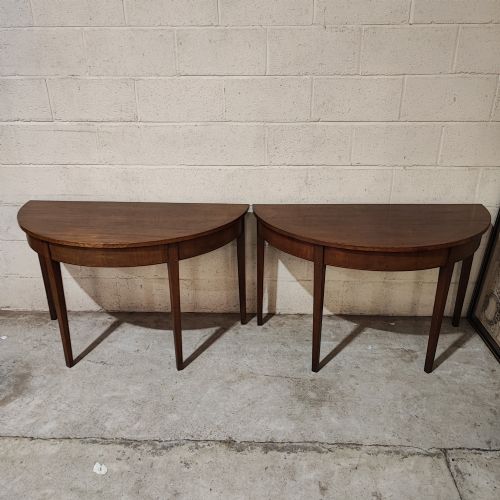
You are most likely to meet nests of tables on this page, which appear frequently in sets of three or four alongside pairs of bedside tables and large Georgian demi lune examples. These pieces reflect the styles of their respective periods, drawing on Georgian, Regency, and Edwardian design traditions to provide practical surfaces.
Construction and materials
The pieces listed use mahogany as the primary timber, valued for its deep colour and durability, while finer examples incorporate satinwood, ebony, and boxwood for decorative contrast.
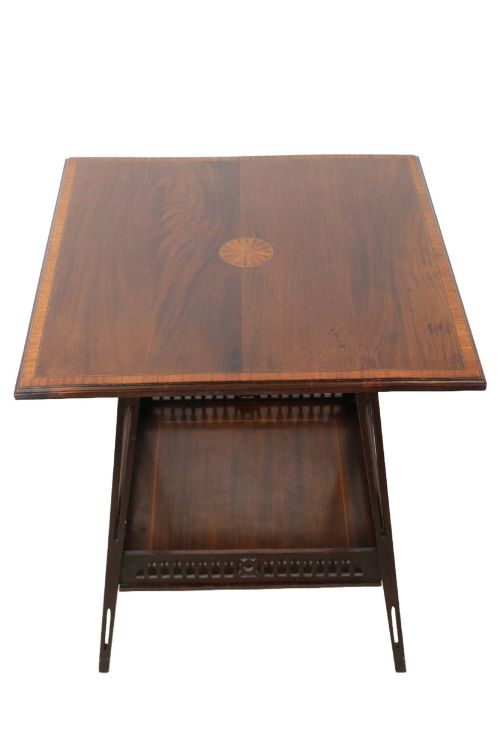
Craftsmen applied contrasting stringing and satinwood inlay to enrich the plain mahogany surfaces, creating subtle geometric patterns and borders that define the period aesthetic.
Retail Price Guide 2026
Typical UK retail prices for brown mahogany side tables, calculated from the Sellingantiques database of over a million retail prices indexed since 2003. This retail price guide relies exclusively on Sellingantiques data; no external sources or auction records are used, so the figures do not describe the wider market.
A set of four tables that hides three smaller siblings beneath the largest top remains one of the most satisfying space-saving tricks from the Edwardian parlour.
Assessing quality
Quality in these tables rests upon the selection of timber veneers, the precision of the inlay work involving satinwood, ebony, and boxwood, and the overall structural integrity of the frame.
The finest pieces demonstrate careful attention to detail in the contrasting borders and the proportional balance of nests and demi lune forms, distinguishing standard utility items from more refined workshop production.
The Brown Mahogany Side Tables Glossary
- Demi lune
- A half-moon shape used for console tables that sit flat against a wall. These tables often appear in pairs from the eighteenth century.
- Quartetto nest
- A set of four graduating tables that fit neatly beneath one another. This form gained popularity during the Edwardian period for space-saving utility.
- Stringing
- A narrow line of contrasting inlay wood, such as boxwood or ebony, used to outline panels and tabletops. It provides a sharp decorative border to the mahogany.
- Satinwood
- A pale, lustrous timber utilised for contrasting inlays and banded borders on mahogany furniture. It offers a bright visual counterpoint to darker woods.
Frequently Asked Questions
What is a quartetto nest?
A quartetto nest consists of four tables of graduating sizes designed to slide one beneath another. This arrangement allows multiple surfaces to occupy the floor space of a single small table.
Craftsmen often added satinwood inlay to the top surface of each table in the set to provide decorative detail when the pieces were displayed separately or stacked together.
Are these tables solid mahogany?
Furniture from these periods typically combines solid mahogany frames with selected mahogany veneers applied to secondary woods. This technique prevented warping and allowed craftsmen to utilise richly grained timber efficiently.
Additional decorative elements such as boxwood and ebony appear as inlaid stringing rather than solid construction.
How do I date an Edwardian nest?
Edwardian nests of tables date from the early twentieth century and often incorporate satinwood inlay within mahogany frames. They reflect earlier Georgian and Regency design revivals adapted for contemporary homes.
The lighter construction and standardised dimensions distinguish them from earlier eighteenth-century production.