
Regency Side Tables
Regency side tables bring refined mahogany, rosewood and cast iron into a room, offering adaptable surfaces for lamps, halls and seating areas.
What these pieces are
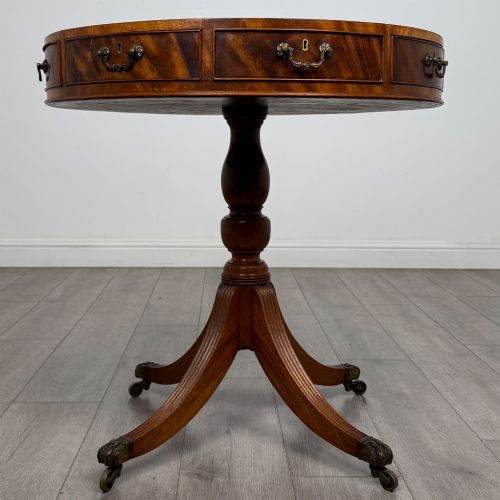
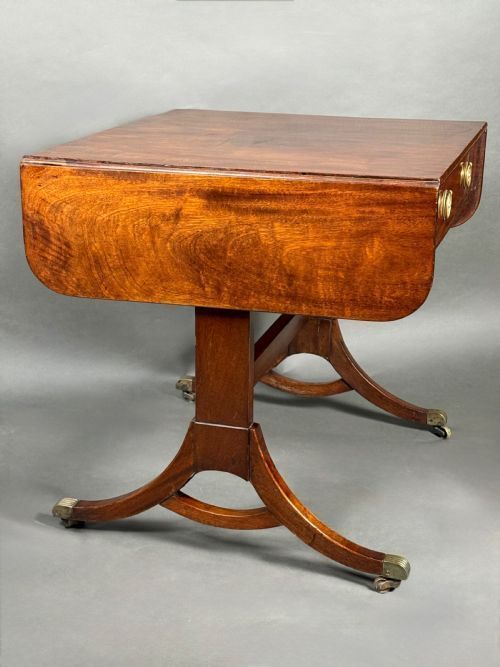
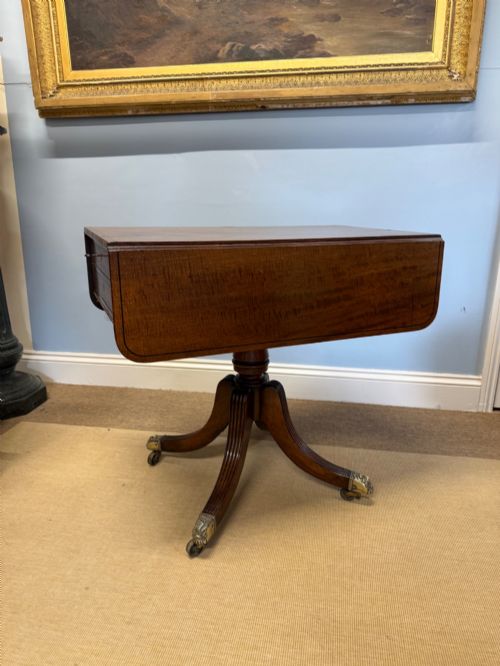
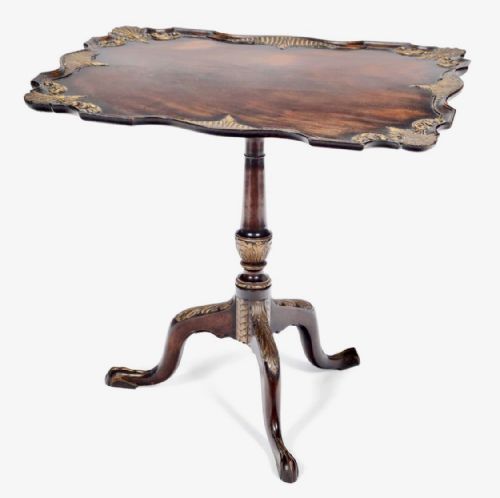
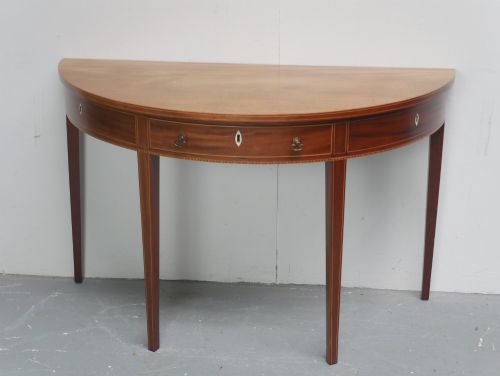
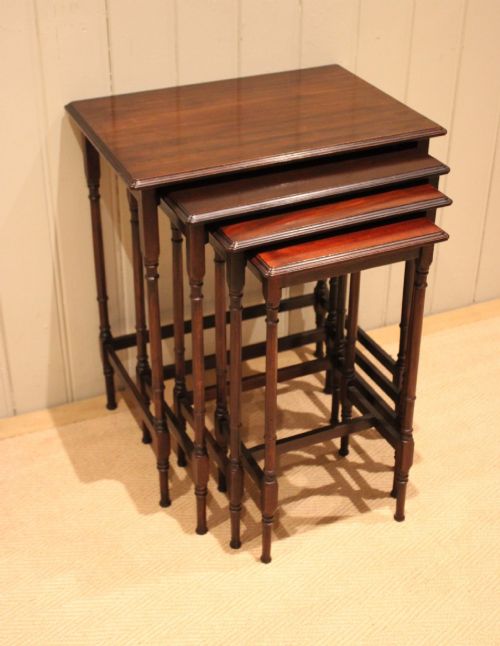
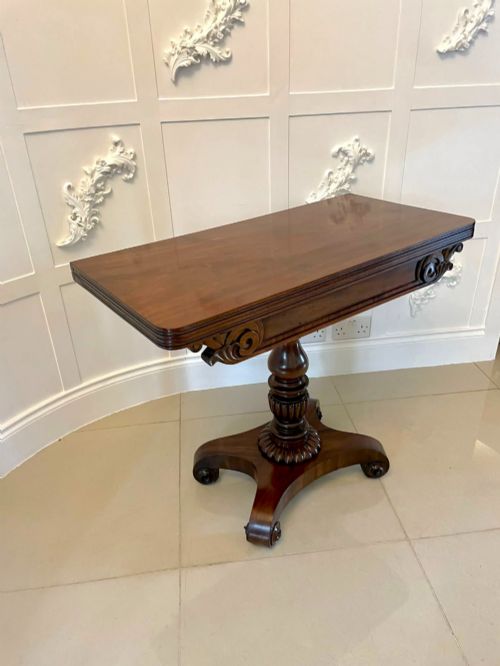
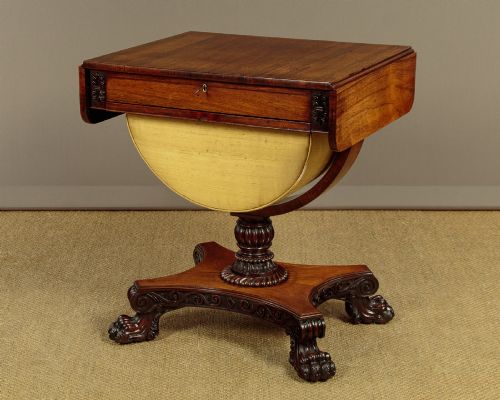
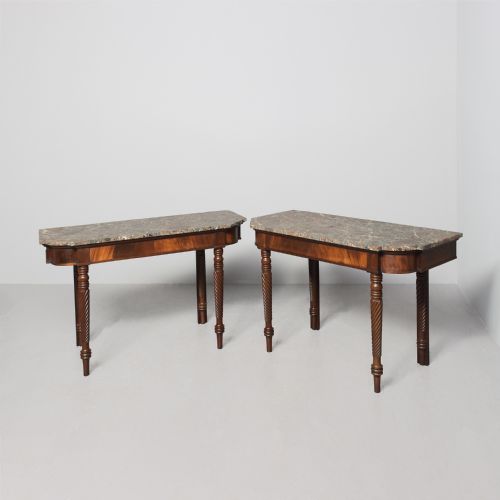
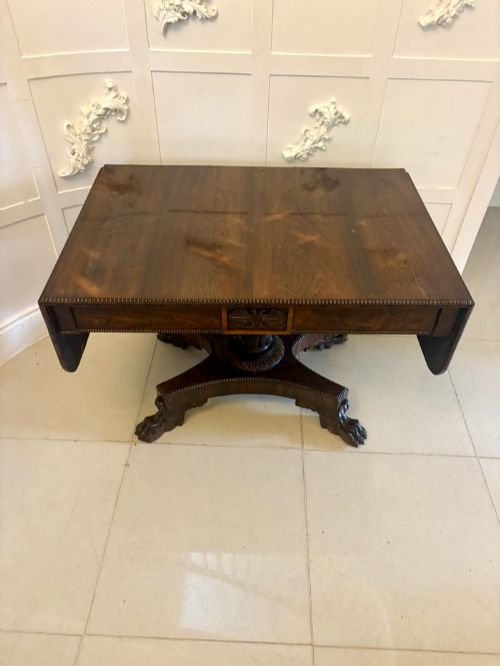
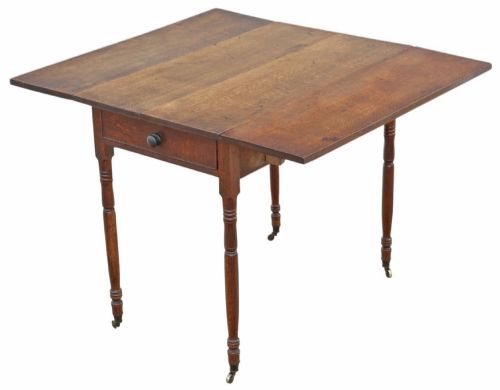
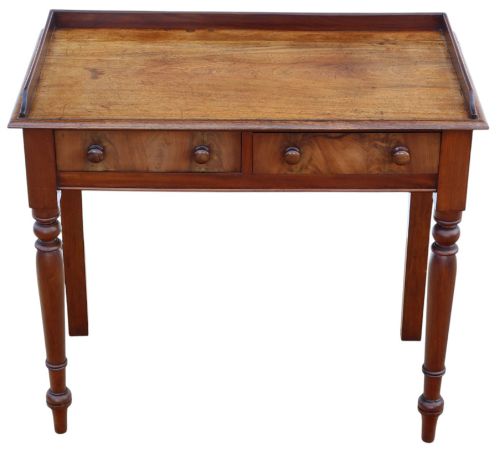
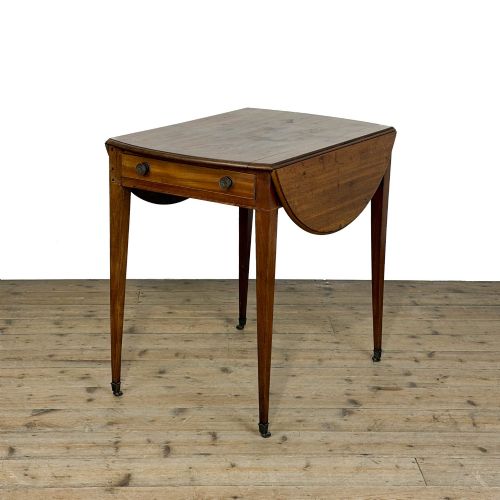
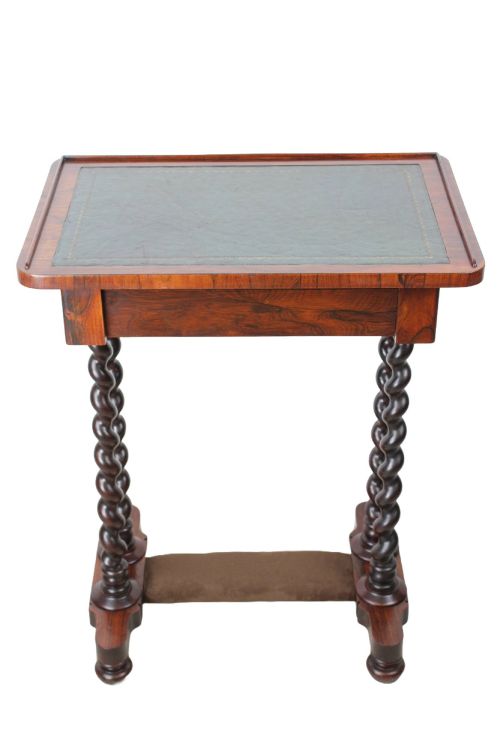
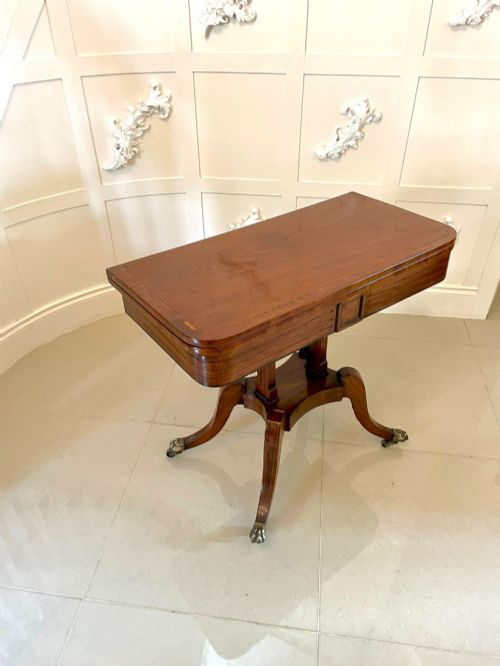
Regency side tables encompass versatile forms designed for domestic interiors, including lamp tables, quartetto nests, demi-lune consoles and D-end formats. These pieces served practical functions in reception halls, bedrooms and drawing rooms during the early nineteenth century and in later revival periods.
What varies in quality
Quality rests in the selection of timber figures, where richly grained rosewood or matched mahogany veneers elevate a piece above plain stock. The precision of cabinetwork, particularly in complex stacking nests or reeded legs, separates workshops of distinction from standard commercial output.
Design ambition also defines the tier, visible in whether a table employs cast iron sculptural elements, intricate satinwood banding or simpler functional framing. Original construction integrity and period consistency further distinguish superior examples from later revivals.
Retail Price Guide 2026
Typical UK retail prices for regency side tables, calculated from the Sellingantiques database of over a million retail prices indexed since 2003. This retail price guide relies exclusively on Sellingantiques data; no external sources or auction records are used, so the figures do not describe the wider market.
Cast iron dolphins occasionally hold up the tops, proving that nineteenth-century furniture designers took marine life very seriously indeed.
Gillows
The Regency Side Tables Glossary
- Quartetto
- A set of four graduating stacking tables designed to nest together when not in use. These pieces became particularly popular during the Regency period for tea and card playing.
- Demi-Lune
- A half-moon shaped table designed to sit flush against a wall as a console or pier table. They frequently appear in pairs to flank doorways or fireplaces.
- Reeded
- A decorative moulding formed of parallel convex rounded beads carved into table legs or columns. This classical detail defines much of the Regency aesthetic.
- D-End
- A table form featuring a semicircular end resembling the letter D, often used individually or joined with others to form a larger dining or console surface.
- Ebonised
- Timber treated with a dark stain or finish to imitate ebony. This technique provided sharp contrast inlays and frames on Regency furniture.
Frequently Asked Questions
How do I use a demi-lune table?
Demi-lune tables feature a half-moon shape designed to stand flat against a wall. They function well in narrow hallways and reception spaces.
Collectors often acquire them in pairs to arrange symmetrically on either side of a doorway.
What woods were used for Regency tables?
Mahogany and rosewood dominate the primary surfaces of these tables. Cabinetmakers also utilised satinwood, birds-eye maple and ebony for contrasting veneers and inlay.
Secondary woods supported the internal framing while decorative ebonised hardwood provided striking dark accents.
Are all these tables from the Regency period?
The listings include pieces genuinely made during the Regency era alongside later nineteenth-century interpretations and twentieth-century reproductions. Makers continued producing revival pieces well into the nineteen-thirties.
Examination of timber age, construction methods and hardware helps distinguish the original period pieces from later examples.