


Antique Nesting Side Tables
These antique nesting side tables offer clever space-saving designs in rich hardwoods, making them practical additions to traditional and modern interiors alike.
Antique Nesting Side Tables
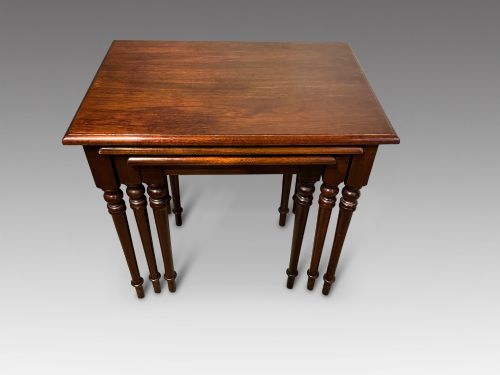
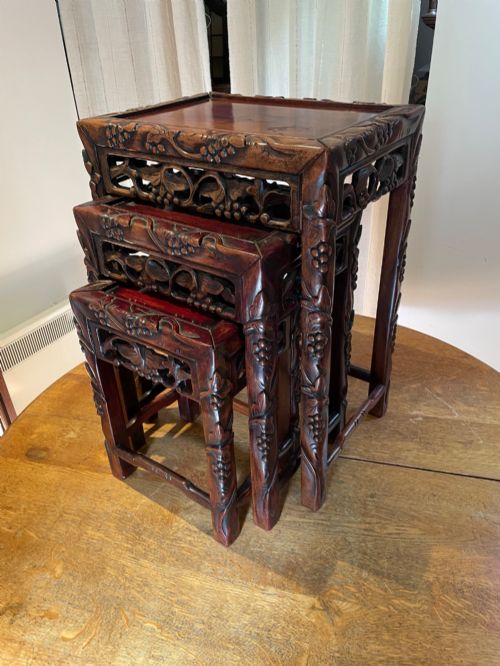
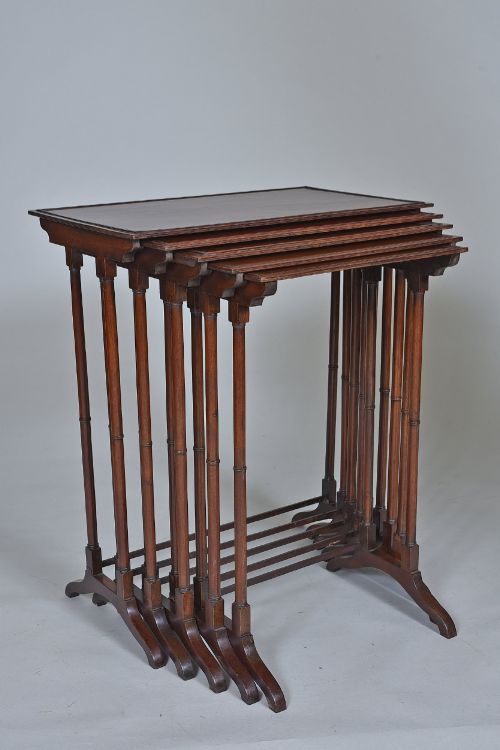
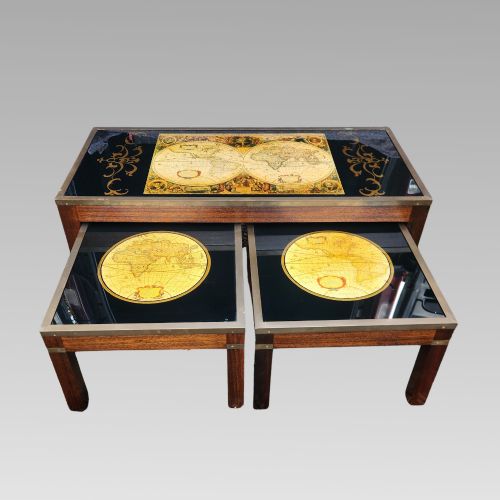
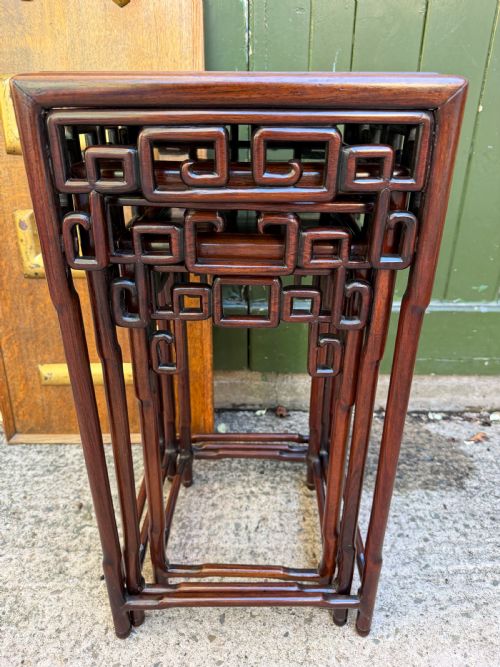
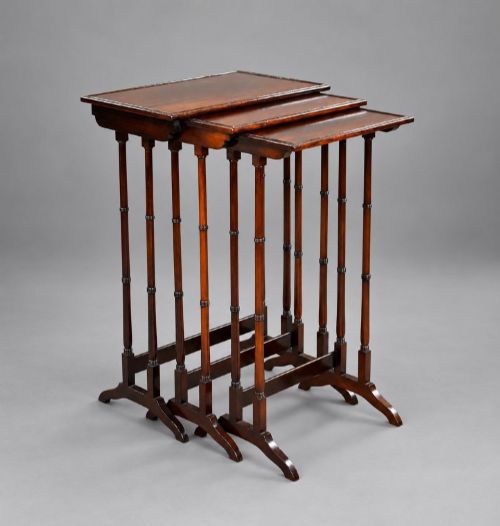
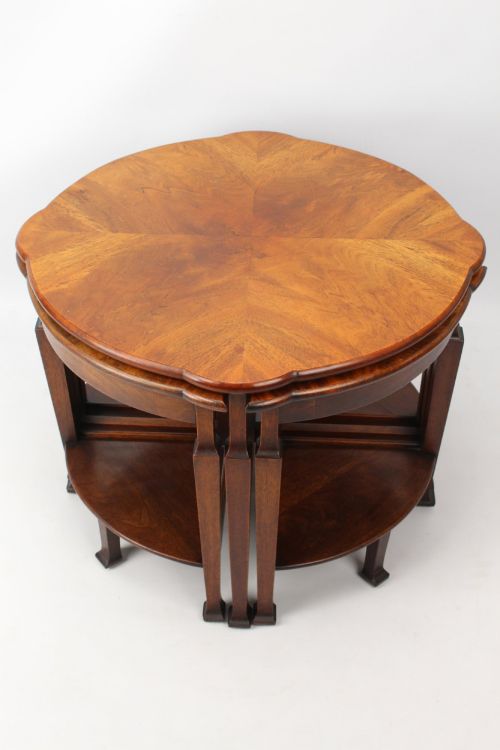
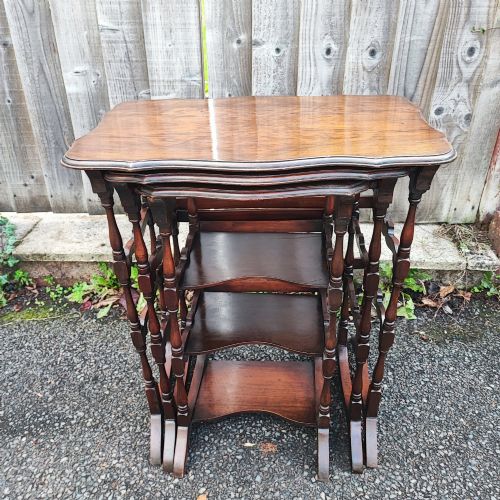
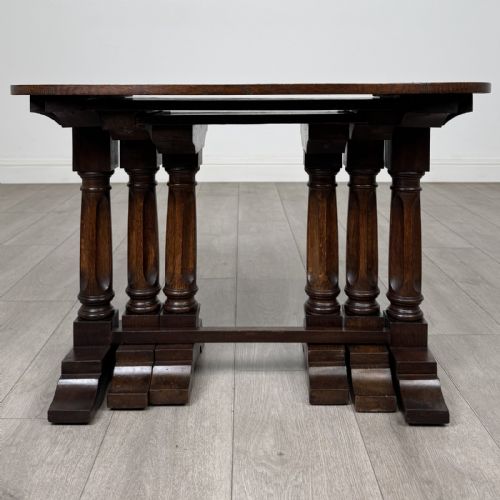
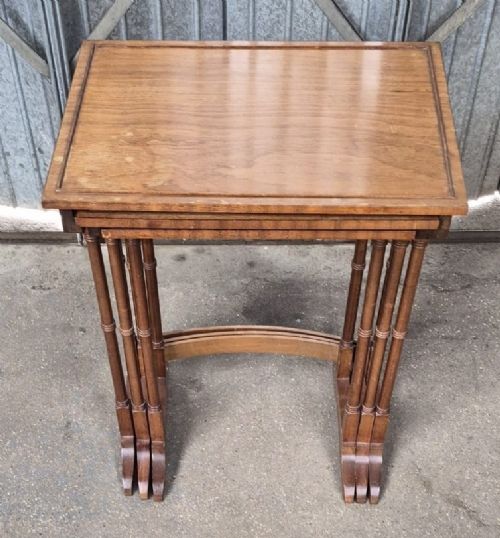
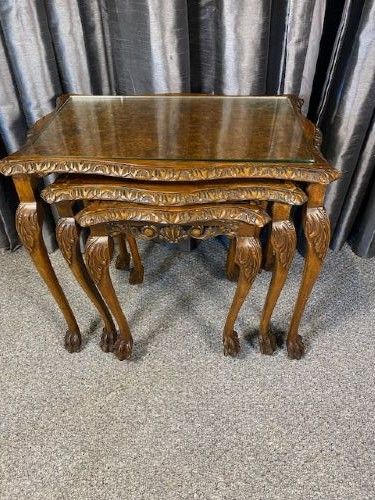
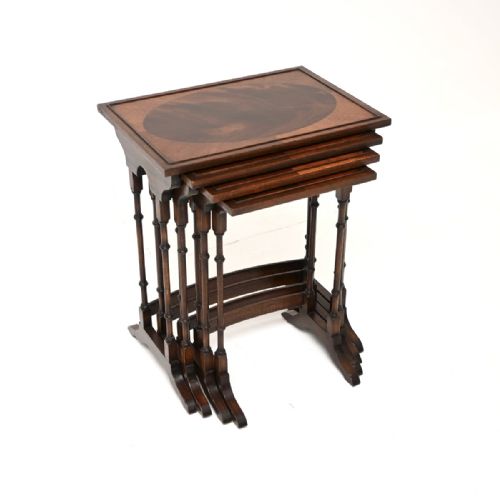
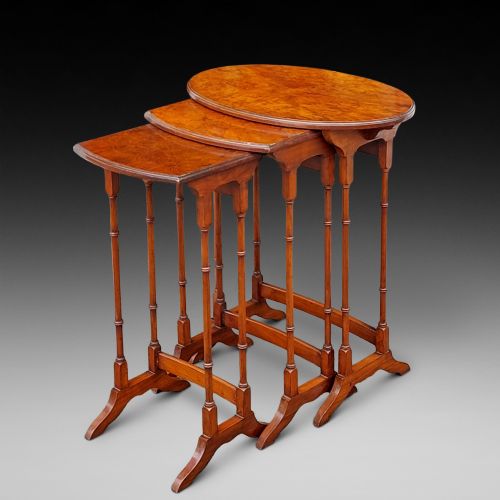
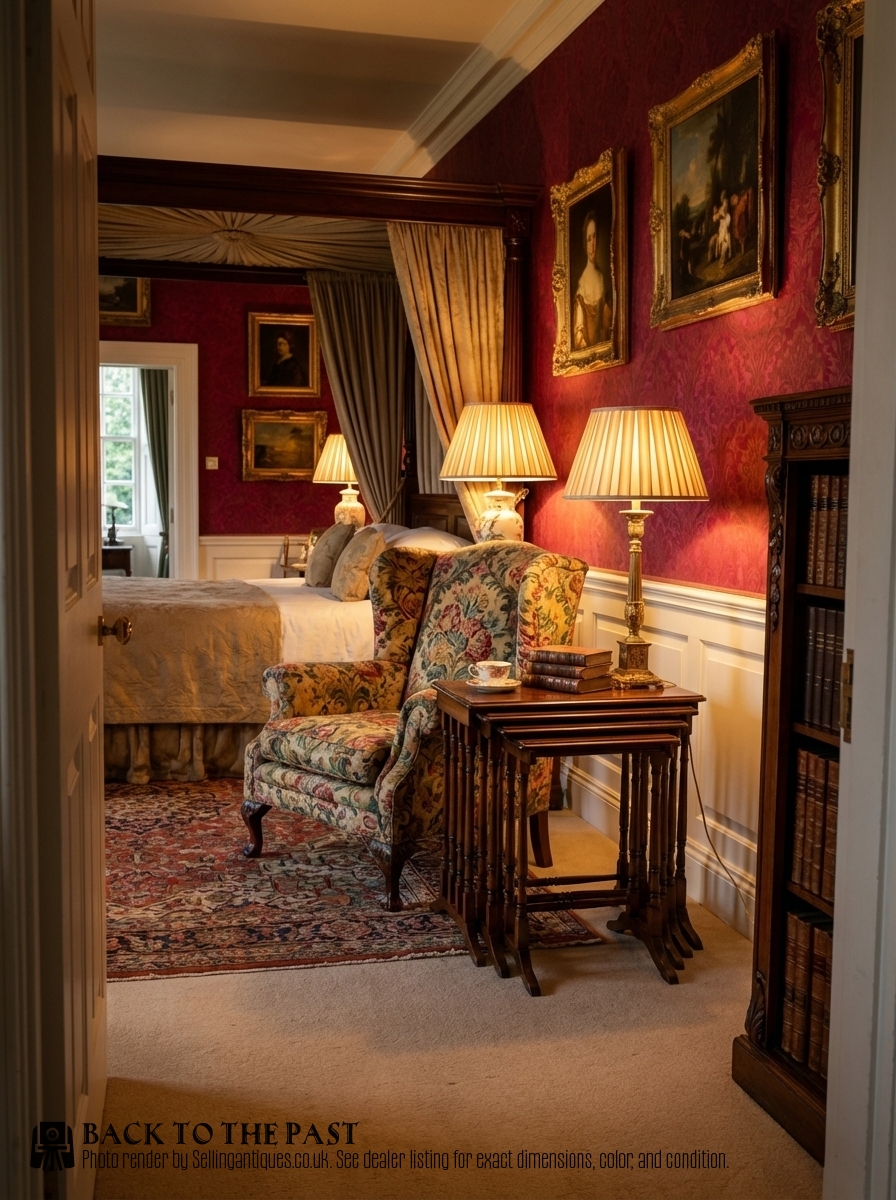
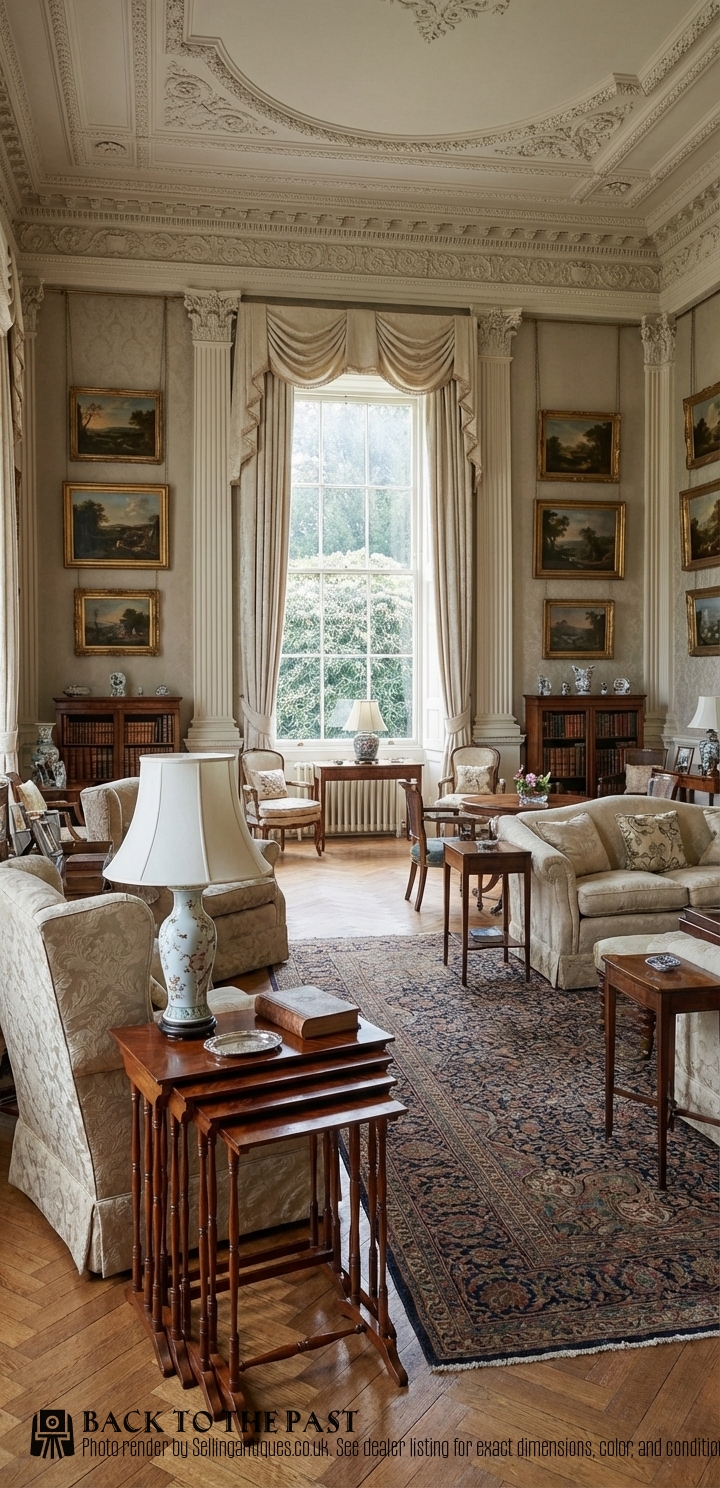
When you search for antique nesting side tables, you encounter sets of graduated tables designed to slide neatly beneath one another when not in use. These practical items appear primarily in forms known as quartettos, trios, or larger sets numbering up to five pieces.
The materials and styles span the nineteenth and early twentieth centuries, drawing heavily on Edwardian, Regency, and Victorian periods. Mahogany and burr walnut dominate the selection, often accompanied by satinwood, rosewood, and oak.
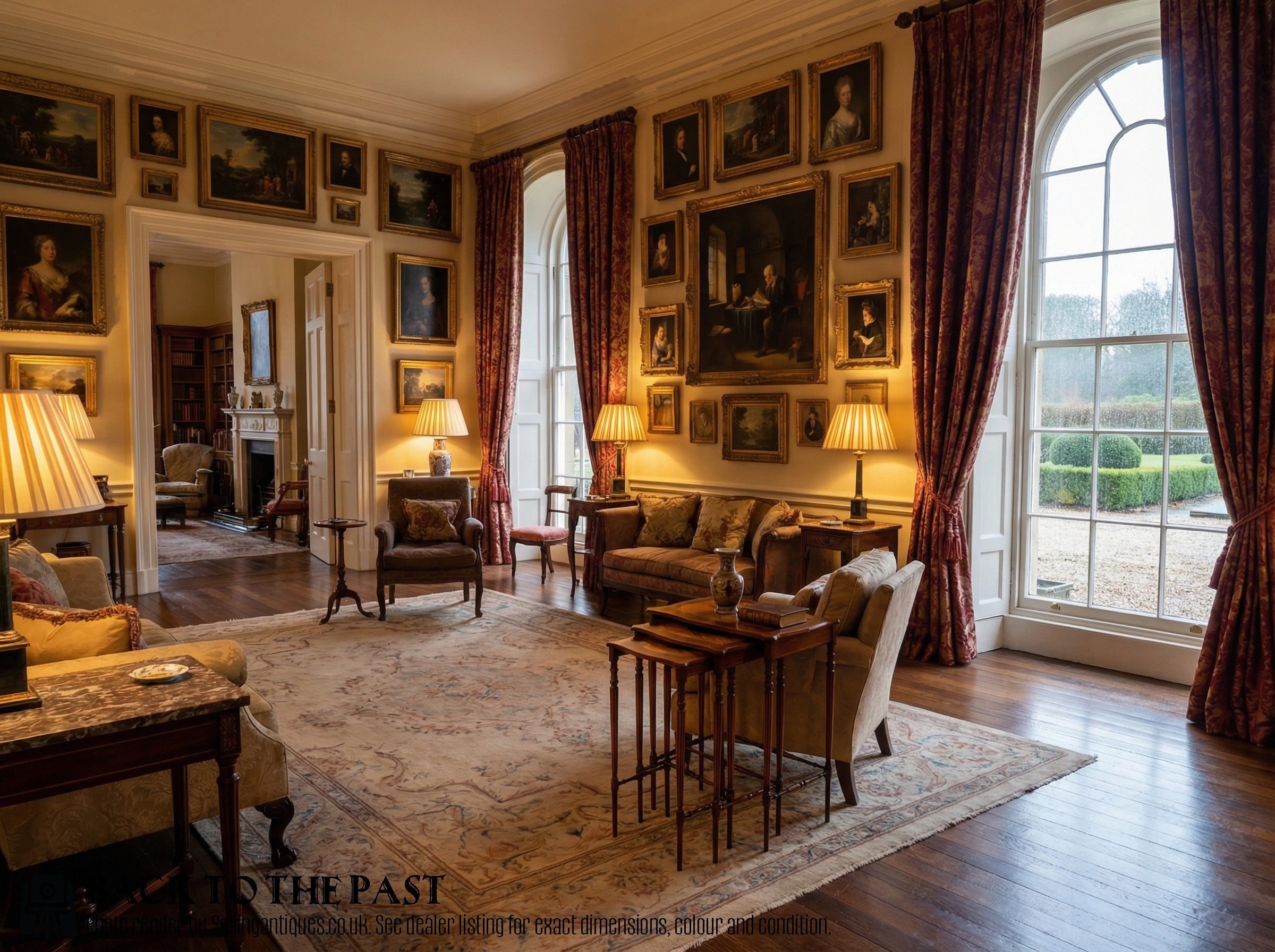
Makers produced these pieces for versatile placement around the home as occasional, coffee, or lamp tables. Sets range from simple utilitarian oak formats to elaborately inlaid satinwood or carved exotic hardwoods.
How They Were Made
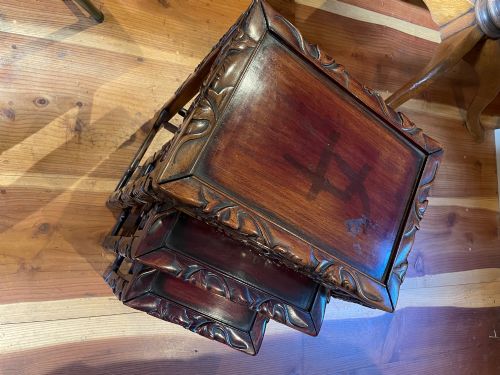
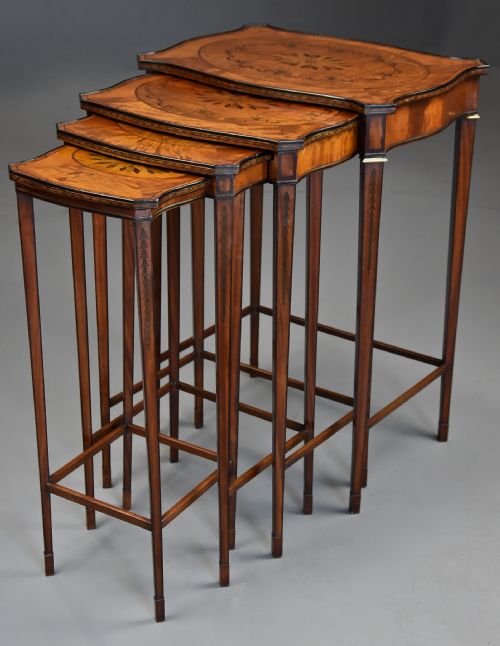
Cabinetmakers constructed these tables using solid timbers and decorative veneers such as burr walnut, mahogany, and satinwood applied to stable hardwood foundations. Cross banding, stringing in boxwood, and delicate floral inlay provide visual contrast along table edges and surfaces.
Joinery techniques focused on stability and lightweight handling so tables could slide smoothly within the nest without jamming. Turned columns, square tapered legs, and occasional bamboo-turned or faux bamboo elements support the tops.
Antique Nesting Side Tables Retail Price Guide 2026
Typical asking prices for nesting side tables among the pieces listed under this phrase on Sellingantiques today, from the lower quarter to the upper quarter. They describe what is for sale here now, not the wider market.
Listings feature sets ranging from three to five tables, spanning Victorian, Edwardian, and Art Deco periods.
What Varies in Quality
The distinction between standard examples and superior pieces rests on the choice of timber and the crispness of detail. Finer sets utilise highly figured burr walnut, dense Honduras mahogany, or book-matched rosewood veneers.
Hand-cut inlay, precise joinery at the leg junctions, and harmonious proportions across all graduated sizes separate workshop production from mass-market output. The weight and balance of each individual table when withdrawn from the nest reflect the maker's precision.
Émile Gallé
The Antique Nesting Side Tables Glossary
- Quartetto
- A set of four graduated occasional tables designed to fit together. This traditional term appears frequently in nineteenth-century cabinetmaker records.
- Cross banding
- A narrow strip of veneer applied to the border of a tabletop with the grain running perpendicular to the centre panel. This technique frames the primary wood and adds decorative depth.
- Satinwood
- A lustrous, yellowish-wood sourced from tropical trees, prized for light-reflecting qualities. Cabinetmakers utilised it extensively for stringing and banded borders.
- Chinoiserie
- European decorative style imitating Chinese artistic traditions. Pieces often feature hand-painted lacquer motifs and gilt decoration.
- Faux bamboo
- Wood turned and carved to resemble natural bamboo stalks. This decorative treatment gained popularity during the nineteenth century under Asian design influences.
Antique Nesting Side Tables: Frequently Asked Questions
What is a quartetto nest of tables?
A quartetto nest consists of four graduated tables designed to slide neatly beneath one another. Each table decreases slightly in dimensions so the entire set occupies the floor space of just one.
Cabinetmakers popularized this format during the nineteenth century for drawing rooms where surface space was needed intermittently.
How were nesting tables originally used?
Owners pulled the individual tables out to serve tea, hold books, or display lamps during social gatherings. Once guests departed, the tables stacked back together to clear floor space.
Their mobility made them essential furniture for entertaining in period homes.
Which woods are most common?
Mahogany and walnut appear most frequently across these listings, frequently enhanced by burr walnut figuring. Finer examples incorporate exotic timbers like rosewood and satinwood.
Earlier sets often rely on solid mahogany, while later Edwardian pieces favour decorative veneers.
How do I date a nest of tables?
Dating relies on timber selection, leg shapes, and decorative styles such as inlay or painted lacquer. Regency and Victorian examples often feature rosewood or solid mahogany, while Edwardian pieces lean towards inlaid satinwood and burr walnut.
Construction methods inside the joints provide further clues to the manufacturing era.
Are nesting tables sturdy enough for daily use?
Quality antique nesting tables feature sound joinery designed for regular withdrawal and stacking. The smaller tables in a set naturally have lighter frames, so they suit holding drinks or books rather than heavy items.
Gentle handling preserves the original veneer and structural integrity.