





Victorian Apprentice Model
These victorian apprentice model pieces are small-scale representations crafted by makers to demonstrate skill or pitch designs, offering tactile history for the collector.
Victorian Apprentice Model
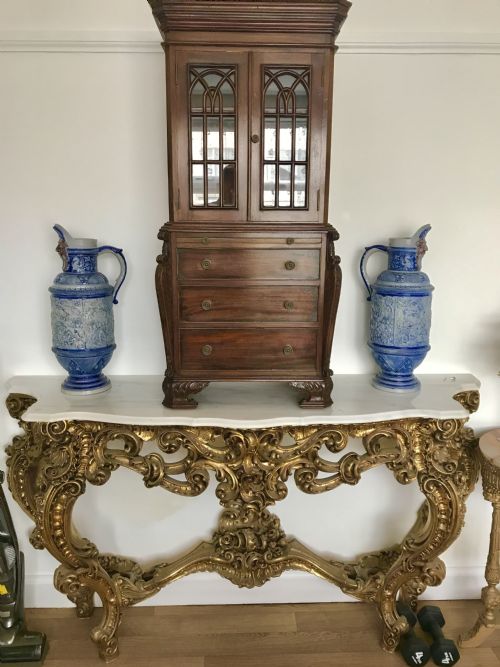
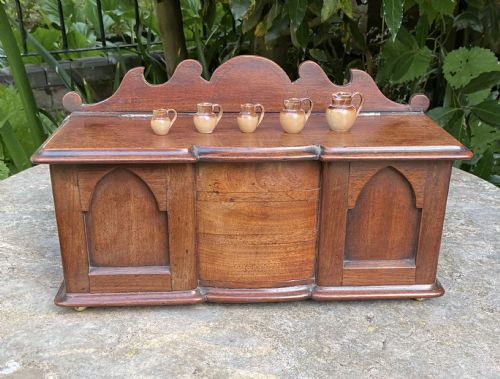
The pieces on this page span the 19th century and include miniature chests of drawers, bureau bookcases, tables, and seating such as Windsor chairs.
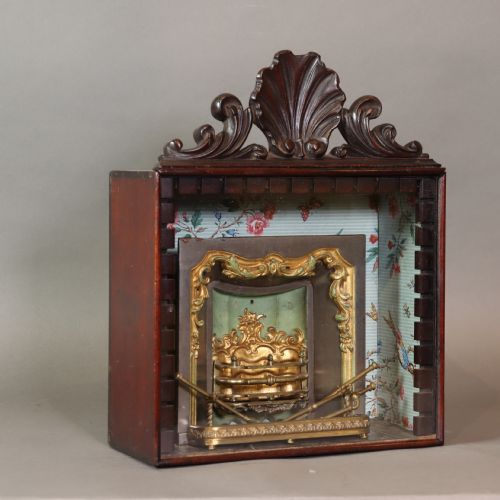
You also find diverse items outside standard domestic furniture, ranging from agricultural vernacular ploughs to maritime divers helmets and metal fireplaces.
How They Were Made
Makers utilised traditional cabinet timbers like mahogany, often finishing surfaces with techniques such as French polishing to replicate full-sized furniture.
Metal items incorporate brass, iron, and copper, while regional stonework utilises slate, demonstrating versatility across different workshop materials.
Construction methods mirror full-scale manufacturing, adapting joinery and metalworking techniques to miniature scales.
Victorian Apprentice Model Retail Price Guide 2026
Typical asking prices for victorian apprentice model among the pieces listed under this phrase on Sellingantiques today, from the lower quarter to the upper quarter. They describe what is for sale here now, not the wider market.
Among the domestic furniture sit an engineer-made divers helmet and a single farrow plough, proving that nineteenth-century ambition scaled down everything.
What Varies in Quality
The standard of a model rests upon the fidelity of its proportions and the precision applied to miniature joinery or metal shaping.
Pieces that retain original finishes and uncompromised materials demonstrate greater integrity than those altered over time.
The Victorian Apprentice Model Glossary
- Apprentice piece
- A small-scale item created by a trainee to prove competency in a trade. These objects often display meticulous attention to detail.
- French polished
- A wood finishing technique that applies shellac in thin coats to achieve a high gloss. This method was common on fine Victorian furniture.
- Vernacular
- Objects made by local craftsmen using traditional regional styles and materials. These pieces reflect everyday rural or industrial life rather than high-style design.
- Miniature furniture
- Small representations of household items built for display, sales, or training purposes. They scale down standard furniture forms accurately.
Victorian Apprentice Model: Frequently Asked Questions
What is a victorian apprentice model?
A victorian apprentice model is a small-scale object created during the nineteenth century by trainees or tradesmen. These items served as portfolios of skill or proofs of capability for guild or master review.
They encompass diverse forms, including miniature chests of drawers, agricultural ploughs, and household fireplaces. Each item scales down full-size counterparts using period materials.
How were these models used?
Makers utilised these small objects to demonstrate mastery over specific materials and construction methods. Salesmen also carried portable examples to show clients designs without transporting heavy furniture.
Over time, collectors valued them as decorative items rather than working tools. Their compact nature made them suitable for display in domestic interiors.
What materials do they feature?
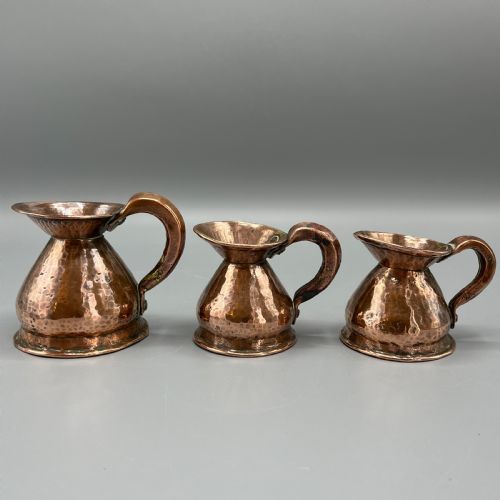
The listings show a variety of substances, with mahogany being common for miniature furniture like sideboards and bureau bookcases. Metalwork incorporates brass, iron, and copper in items such as fireplaces and graduated jugs.
Regional stonework also appears, notably Welsh slate shaped into miniature chests of drawers and fire surrounds. Glass and paper occasionally supplement these primary materials.
How do I date these models?
Dating relies upon stylistic markers, material analysis, and construction techniques consistent with nineteenth-century manufacturing. Pieces often correspond to broader Victorian design movements and regional craft traditions.
Makers adopted the same aesthetic preferences seen in domestic interiors of the era. Examining the joinery and finish helps place the object within the broader nineteenth century.