

Edwardian Furniture
Edwardian furniture spans practical oak filing cabinets and satinwood display cabinets, defined by lighter proportions and refined revival styles.
Edwardian Furniture
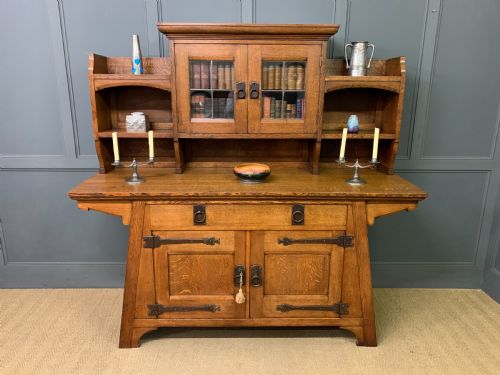
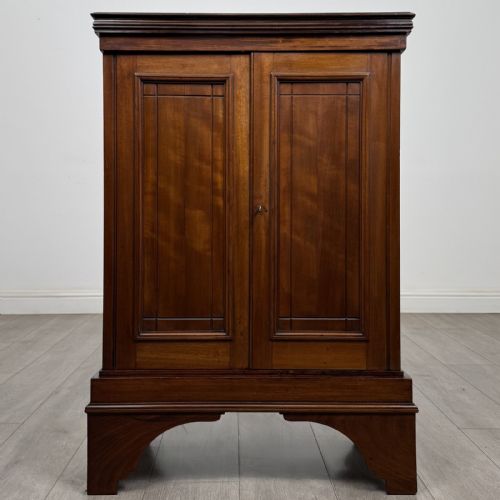
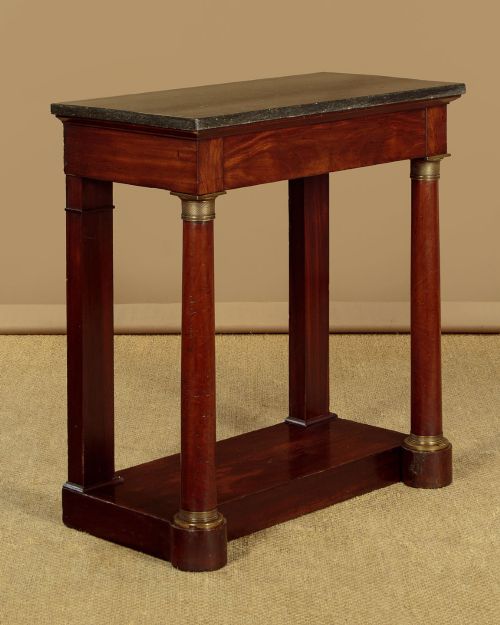
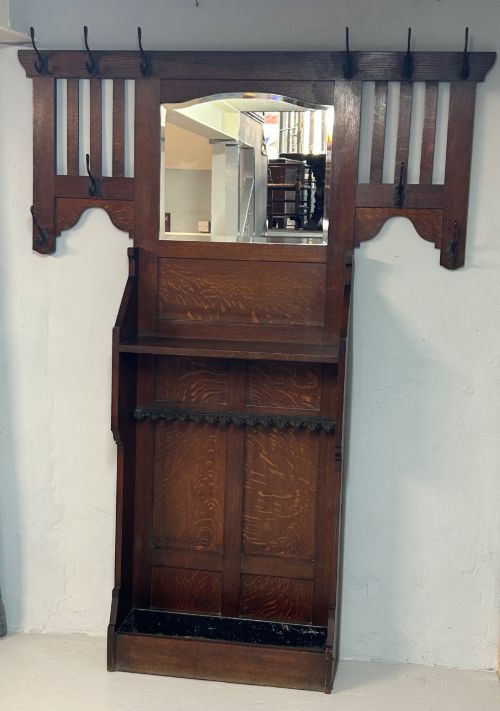
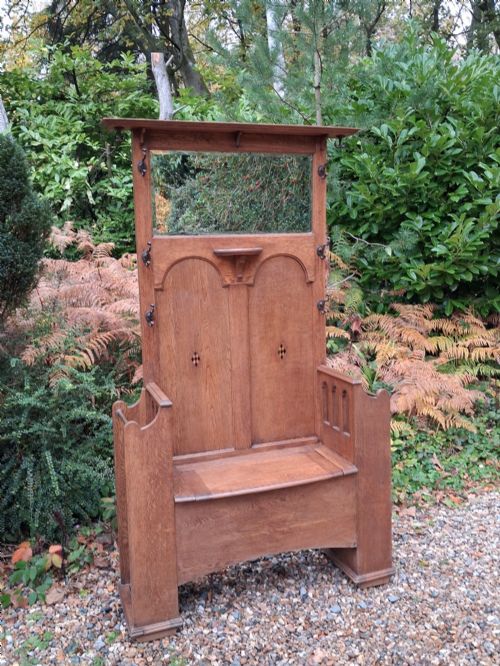
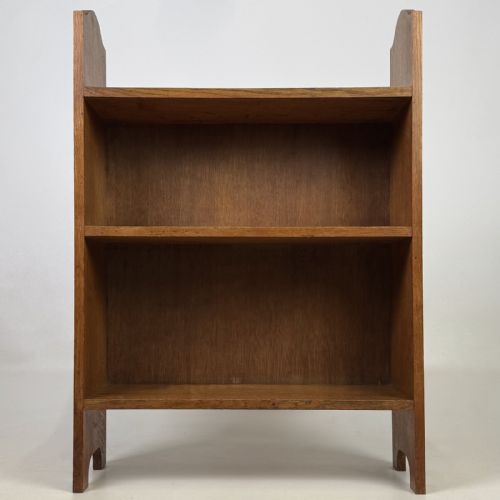
Edwardian furniture encompasses pieces originating around the early twentieth century alongside adjacent Victorian and later works sharing similar aesthetic traits. Buyers seeking edwardian furniture encounter practical domestic forms including oak bookcases, chests of drawers, and side tables designed for comfortable middle-class homes.
Materials and Construction
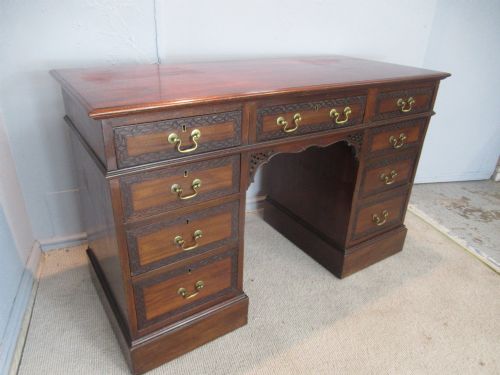
Makers utilised solid timbers like oak and mahogany for structural integrity, pairing them with decorative veneers such as satinwood and kingwood on display pieces. Brass handles, hinges, and glass panels completed functional items from desks to cabinets.
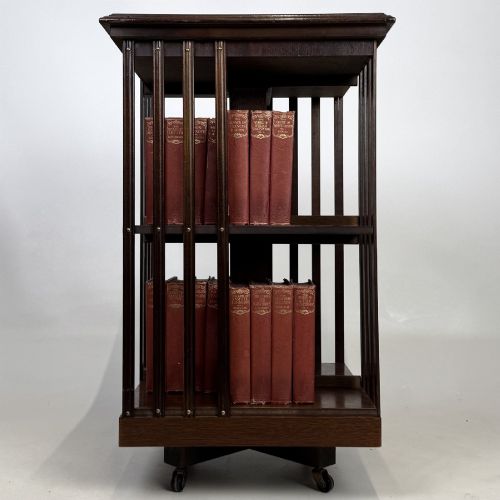
Joinery methods combined traditional hand-cut techniques with early industrial machinery, allowing for precise drawer construction and smooth mechanical actions in draw leaf tables and revolving bookcases.
Edwardian Furniture Retail Price Guide 2026
Typical asking prices for edwardian furniture among the pieces listed under this phrase on Sellingantiques today, from the lower quarter to the upper quarter. They describe what is for sale here now, not the wider market.
Listings feature oak, mahogany, walnut, satinwood, and kingwood across diverse forms including display cabinets, desks, and occasional tables.
Markers of Distinction
Quality separates pieces through the selection of timber figures and the precision of inlaid marquetry work rather than basic utility. Superior examples exhibit finely figured mahogany or walnut veneers matched symmetrically across drawer fronts and cabinet doors.
Hardware choice and interior finishing indicate craftsmanship levels, with original brass fittings, hand-painted details, and secondary timbers like oak demonstrating superior workshop standards.
Whytock & Reid·Trevor Page & Co·Hewetsons London·Walker & Sons
The Edwardian Furniture Glossary
- Marquetry
- Decorative veneer work arranged in pictorial patterns using various coloured woods. It appears frequently on tabletops and cabinet doors.
- Astral glazing
- Cabinet door glass divided by slender wooden bars into geometric panes. This technique lightens the visual weight of large bookcases.
- Draw leaf table
- A dining table with extension leaves stored beneath the main surface. These pull out easily to expand seating capacity.
- Revolving bookcase
- A small bookcase mounted on a hidden rotating base. Users access books easily from any seated position.
- Chinoiserie
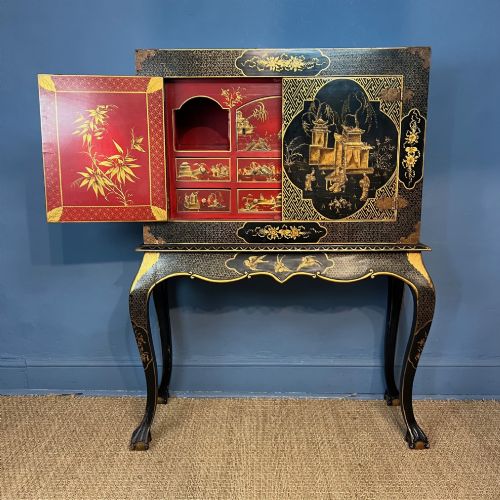
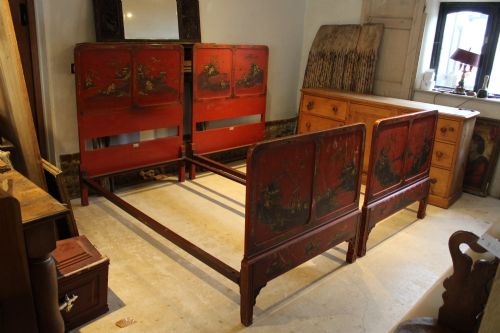
- European decorative style imitating Chinese artistic motifs. Lacquered finishes often display painted oriental figures and landscapes.
Edwardian Furniture: Frequently Asked Questions
How do I identify a piece?
Examination of secondary timbers inside drawers and behind panels helps confirm period authenticity. Machine-cut dovetails become common during this era alongside traditional hand joinery.
Styles often blend Arts and Crafts simplicity with revival motifs. Hardware such as brass drop handles provides further chronological clues.
Are these pieces suitable for daily use?
Practical forms including desks, bookcases, and side tables integrate easily into modern living spaces. Sturdy construction ensures they withstand regular household activities.
Careful placement away from direct heat sources protects delicate veneers and polished finishes. Regular dusting maintains the natural lustre of the timber.
How do styles differ from Victorian designs?
Edwardian design moves away from dark, heavily carved mass towards brighter interiors and refined surfaces. Satinwood and lighter mahogany replace dark rosewood and heavy walnut.
Forms prioritize utility and domestic comfort, resulting in versatile items like revolving bookcases and occasional tables.