

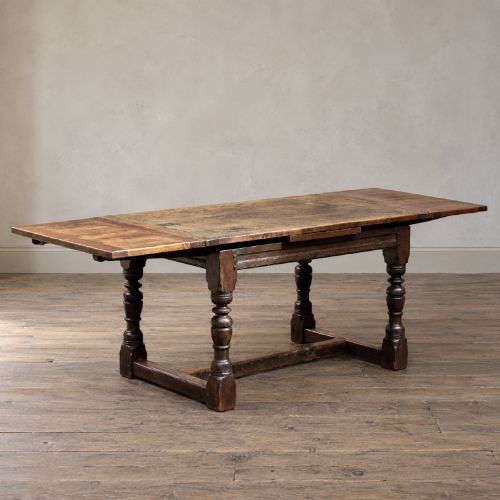

Turn of Century Table
These turn of century table examples bring genuine period character to a room, offering practical surfaces shaped by the transition from Victorian to Edwardian tastes.
What these tables are
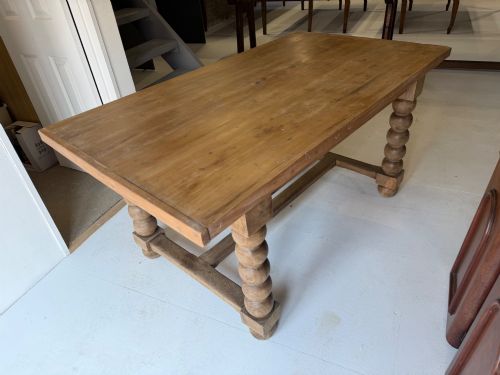
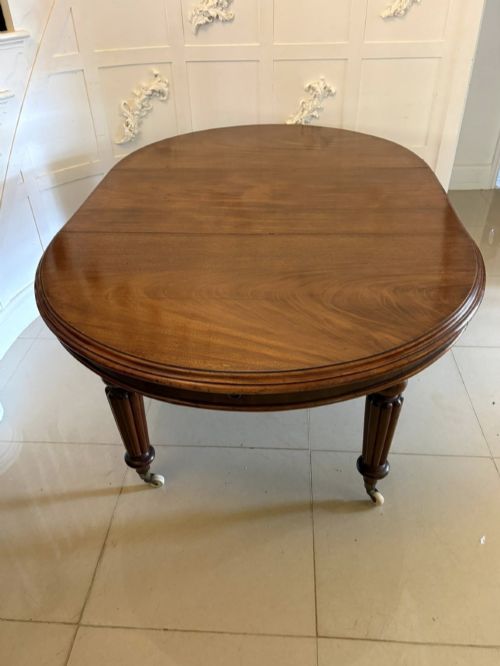
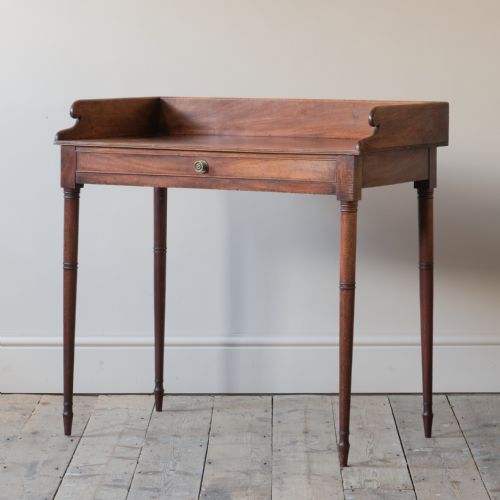
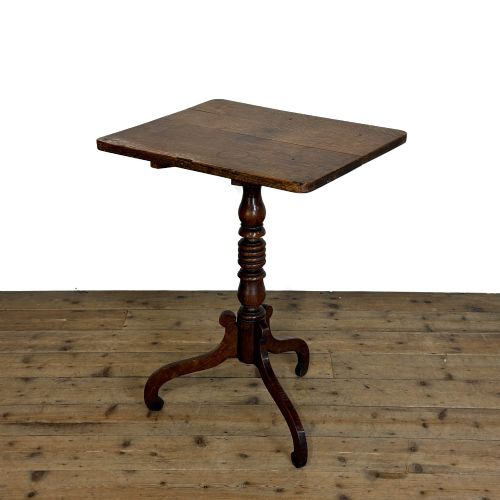
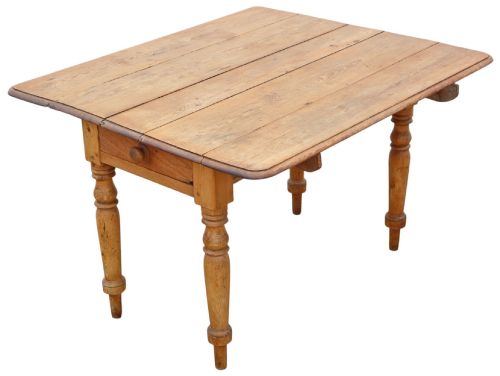
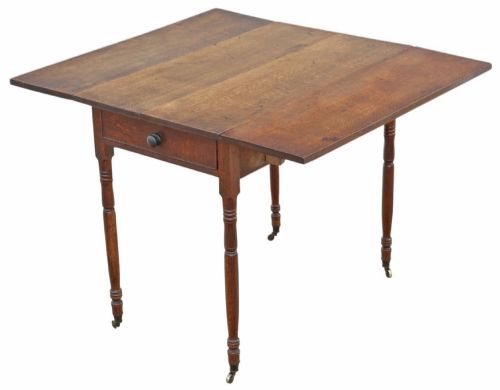
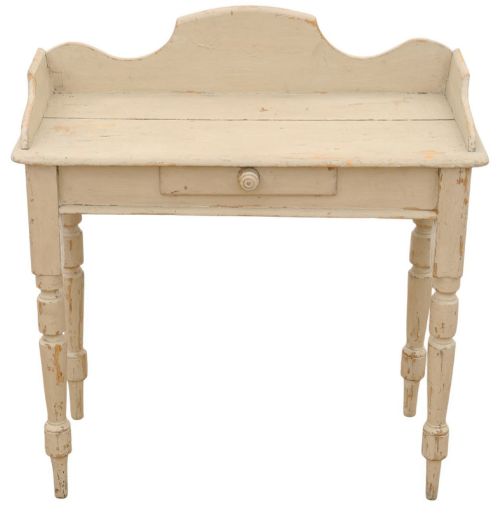
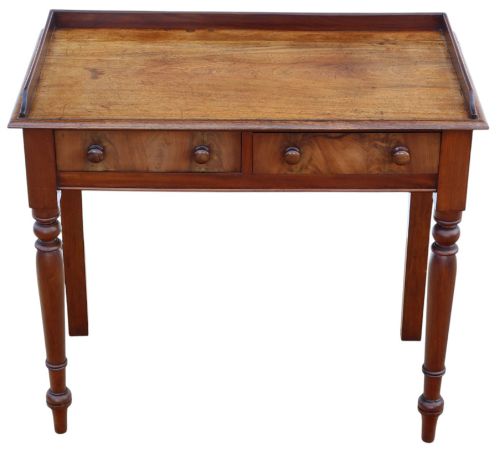
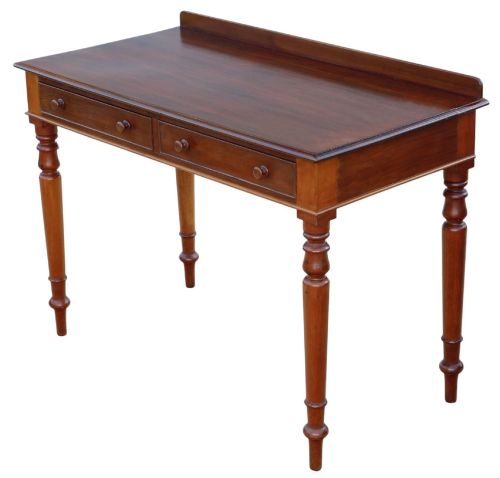
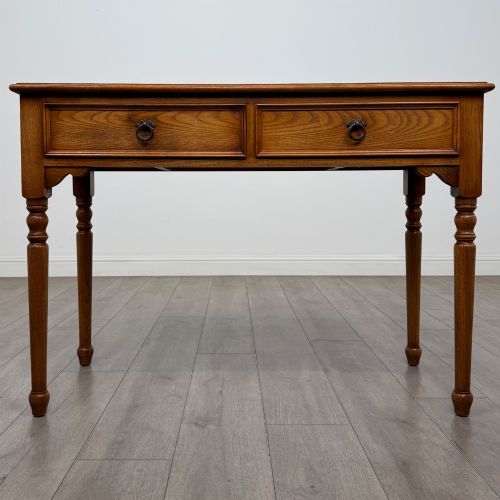
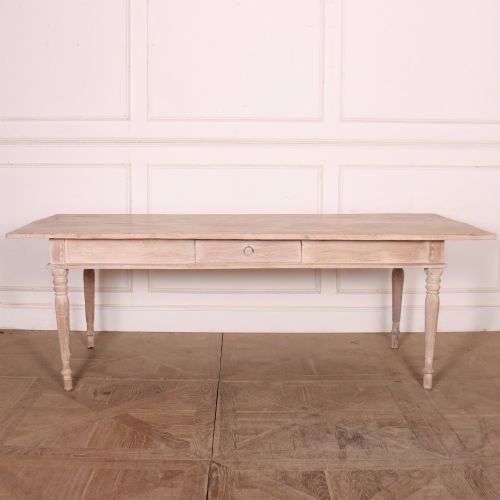
A turn of century table covers a diverse group of domestic furnishings produced across the late nineteenth century, the Victorian era, and the Edwardian period. Buyers browsing this selection encounter various forms designed for specific everyday uses, ranging from side tables and occasional tables to games tables.
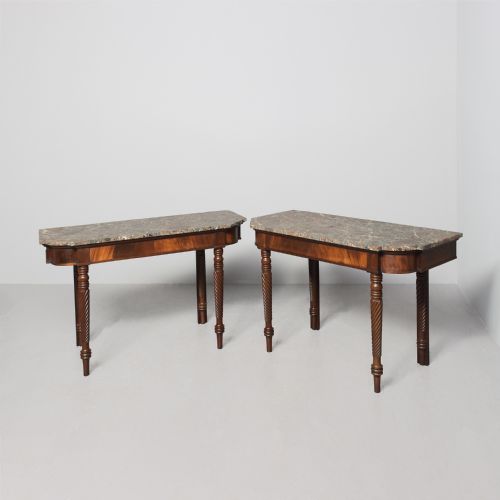
The assortment includes specialised pieces such as dressing tables, console tables, and nests of tables. Styles span from traditional Victorian designs to distinct movements like Art Nouveau and Anglo-Moorish influences.
Examples frequently integrate thoughtful details like inlaid woodwork, glazed tile inserts, or specialised surfaces for chess and draughts. These items reflect the versatile craftsmanship of workshops operating around nineteen hundred.
How they were made
Cabinetmakers of the period utilised a variety of solid timbers and decorative veneers, notably walnut, mahogany, satinwood, oak, and ebonised wood. Artisans enhanced these wooden structures with contrasting stringing and banding in materials like boxwood.
Decorative embellishments often incorporated ceramic elements, such as glazed tiles set directly into wooden tabletops. Structural components frequently featured turned wooden legs, combining sturdy joinery with elegant silhouettes.
Retail Price Guide 2026
Typical UK retail prices for turn of century table, calculated from the Sellingantiques database of over a million retail prices indexed since 2003. This retail price guide relies exclusively on Sellingantiques data; no external sources or auction records are used, so the figures do not describe the wider market.
The recorded object types span side tables, occasional tables, games tables, dressing tables, console tables, and nests of tables.
What varies in quality
Differences in quality hinge upon the precision of the cabinetwork and the selection of materials. Finer examples display meticulous inlay work and superior timber selection, such as richly figured walnut or carefully matched satinwood veneers.
The integration of artistic elements also dictates standing within the range. Tables featuring well-executed glazed tiles or distinctive stylistic expressions like Art Nouveau carving demonstrate a higher tier of workshop production.
The Turn of Century Table Glossary
- Sutherland table
- A narrow drop-leaf table featuring double-hinged flaps that fold down almost vertically. This design allows the piece to occupy minimal space when not in use.
- Occasional table
- A small, light table intended for sporadic use around a sitting room or drawing room. These versatile pieces easily move to accommodate tea, books, or lamps.
- Ebonised wood
- Timber treated with a chemical stain or finish to simulate expensive ebony. This dark, polished surface became popular for dramatic aesthetic furniture.
- Anglo-Moorish
- A decorative style popular in the late nineteenth century combining British cabinet construction with Islamic and Moorish geometric patterns. Such pieces often incorporate intricate fretwork.
- Inlay
- A technique where pieces of contrasting wood, metal, or shell are inserted into depressions carved into the primary surface. This creates flat, ornamental patterns across the tabletop.
Frequently Asked Questions
What is an occasional table?
An occasional table is a small, moveable piece designed for flexible placement around a sitting room. These items provide convenient surfaces for lamps, books, or drinks without dominating the room layout.
Historically, they gained immense popularity during the Victorian and Edwardian eras as domestic spaces became more adaptable. Their light construction allowed homeowners to reposition them easily as daily needs shifted.
How do I identify an Edwardian table?
Edwardian tables generally display lighter proportions and brighter timbers than their heavier Victorian predecessors. Cabinetmakers frequently utilised satinwood, mahogany, and delicate inlay work to achieve an airy aesthetic.
This era favoured refined elegance over heavy ornamentation, reflecting changing social habits around the turn of the twentieth century. Forms remained practical while embracing floral motifs and graceful silhouettes.
What materials were used?
Maker workshops relied heavily on hardwoods like mahogany, walnut, and oak for structural integrity and rich grain patterns. Satinwood and ebonised wood provided contrasting tones for decorative effect.
Additionally, specialised pieces incorporated ceramic tiles, boxwood stringing, and turned elements. These varied materials allowed artisans to cater to diverse stylistic movements from traditional revivalism to Art Nouveau.
How were games tables used?
Games tables served a dual purpose in the Victorian home, functioning as conventional occasional surfaces when closed. Opening or reversing the top revealed specialised boards for pastimes like chess and draughts.
They formed a central part of evening entertainment for family and guests before the widespread adoption of modern leisure technologies. The craftsmanship often included hidden compartments for storing playing pieces.
What is an Anglo-Moorish table?
An Anglo-Moorish table reflects the late nineteenth-century fascination with Islamic design interpreted through British cabinetmaking. These pieces typically feature dark ebonised wood and complex geometric fretwork.
Such items brought exotic flair into Victorian drawing rooms, aligning with broader Aesthetic Movement trends. They showcase skilled carpentry adapted to intricate, non-traditional lattice patterns.