
Accent Tables
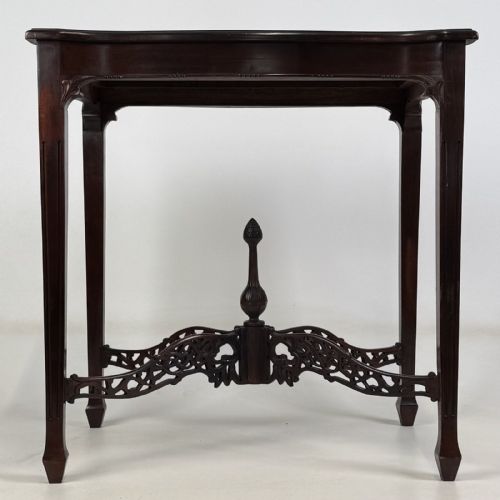
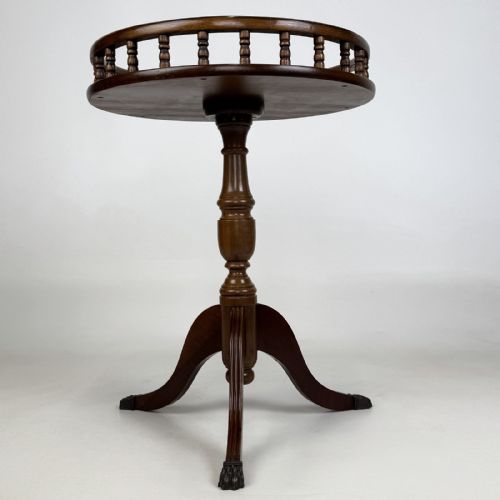
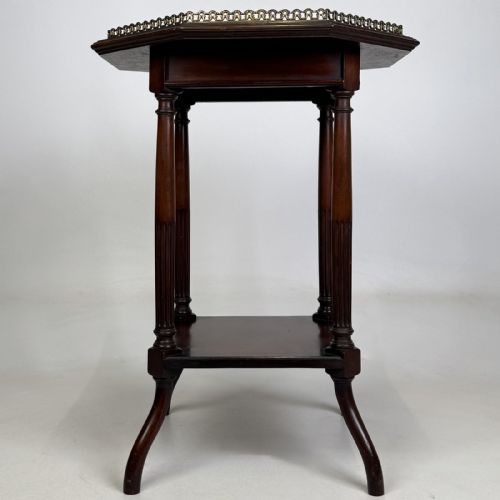
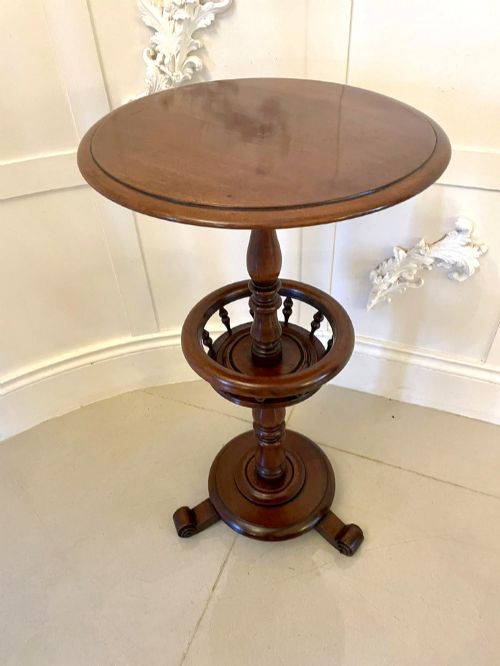
These accent tables bring practical surface space and period character into a room, spanning compact lamp stands to tripod wine tables.
Accent Tables
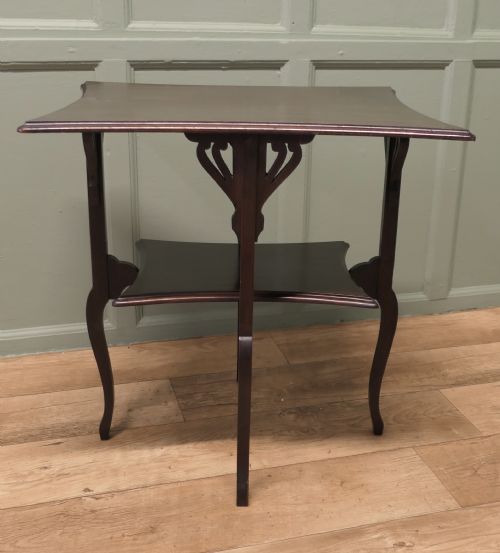
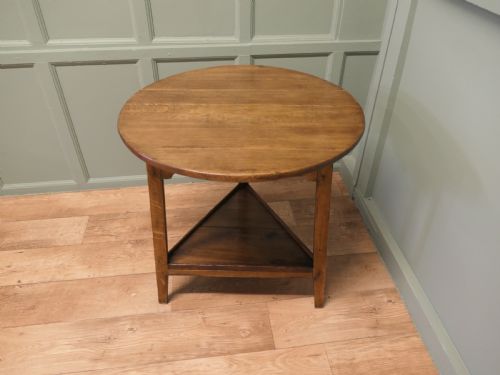
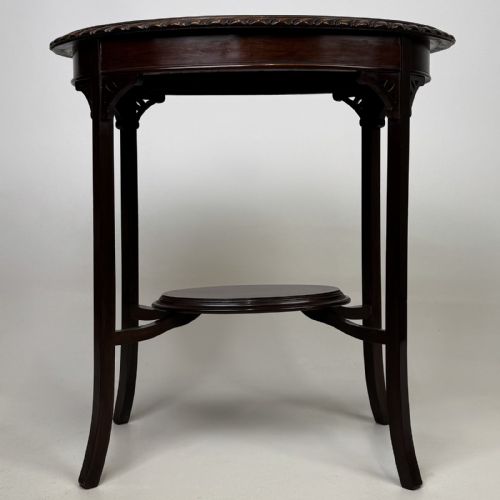
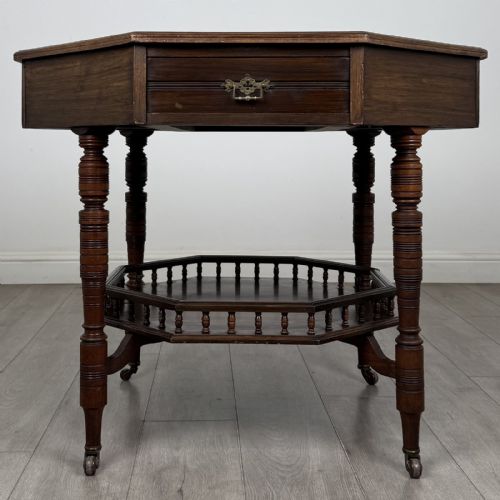
When you search for accent tables, you enter a varied group of small occasional pieces designed to sit beside a chair or in a corner. The listings range from Georgian oak cricket tables to Edwardian mahogany lamp stands and Victorian walnut occasional tables.
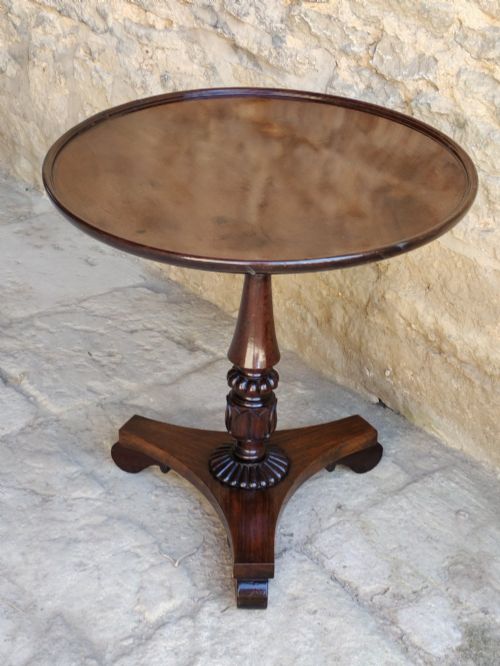
You are most likely to meet circular lamp tables and rectangular side tables in mahogany or oak. These pieces served practical functions in period homes, holding candles, books, or tea before finding a place in modern interiors.
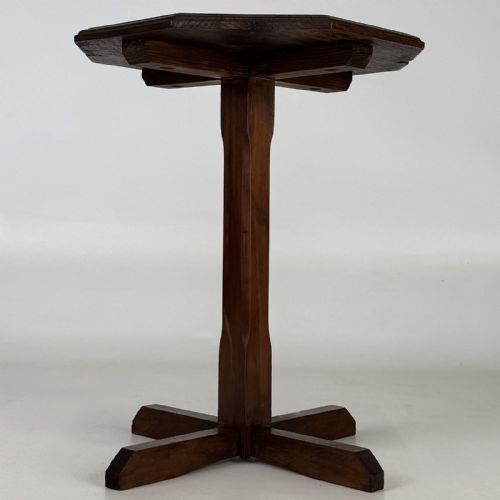
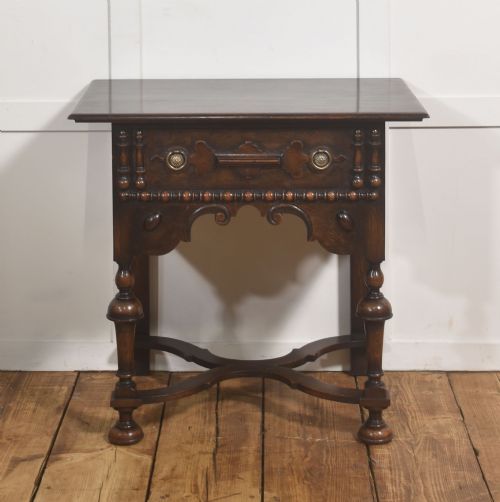
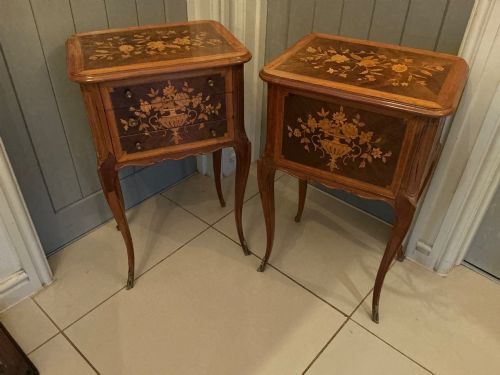
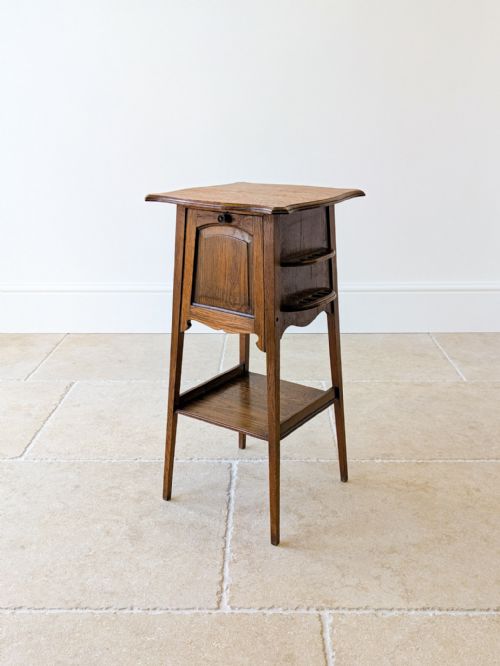
The selection extends across multiple centuries and stylistic revivals, including Arts and Crafts, Art Nouveau, and Jacobean styles. Simpler country pieces sit alongside marquetry-inlaid tables and marble-topped specimens.
Materials and construction
Cabinetmakers utilised hardwoods such as mahogany, oak, walnut, and rosewood, often selecting timber with pronounced figuring. Tops were frequently turned, dished, or inlaid with marquetry details.
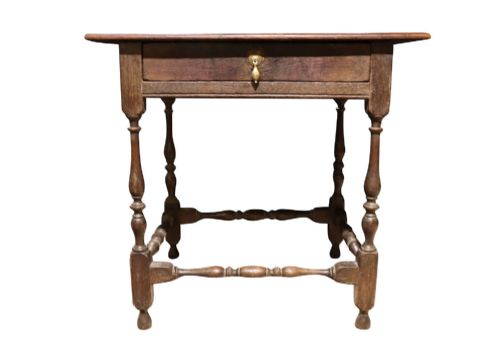
Supporting structures rely on traditional joinery, featuring tripod bases, tapered legs, or bobbin turnings. Edge treatments like gadrooning and raised galleries complete the construction.
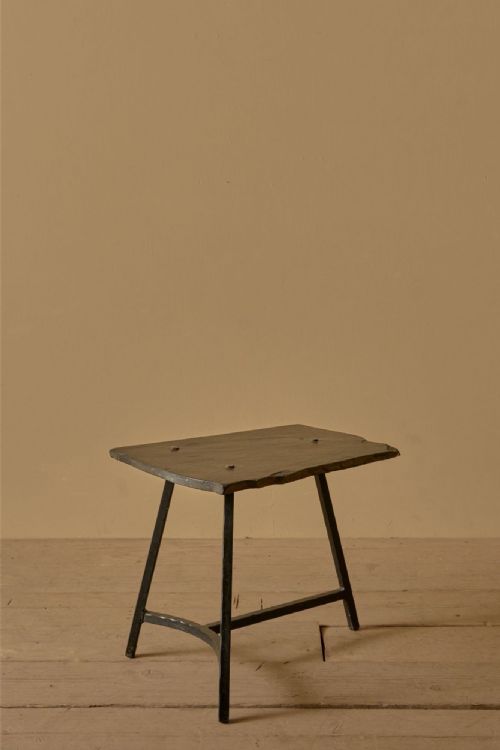
Listings feature woods spanning mahogany, oak, walnut, rosewood, satinwood, and bamboo, alongside marble and slate inserts.
Quality and execution
The distinction between standard examples and finer pieces lies in the selection of timbers and the crispness of carved or inlaid details. Superior tables display careful book-matching on veneered surfaces and well-proportioned turned supports.
Construction methods also reveal the standard of workshop production, with tight joints and original brass fittings marking the higher end of the range.
James Shoolbred·Leonard Wyburd·Bulstrode Cambridge
The Accent Tables Glossary
- Cricket table
- A small three-legged wooden table originating in the eighteenth century, typically featuring an oak top and splayed legs for stability on uneven floors.
- Gadrooning
- A decorative carved moulding consisting of convex curves, frequently seen along the edges of table tops or rails.
- Marquetry
- The art of applying pieces of veneer to a structure to form decorative patterns, utilising woods like walnut, mahogany, and satinwood.
- Tripod table
- A small occasional table supported by a pillar above three spreading legs, often designed with a tilt-top mechanism.
- Pembroke table
- A small rectangular table with hinged drop leaves on either side, popular from the eighteenth century onwards for versatility.
Accent Tables: Frequently Asked Questions
What rooms suit these tables?
These compact tables fit readily beside armchairs, beside beds, or in hallways where surface space is limited. Their modest footprints allow them to function as lamp stands or display surfaces without dominating a room.
Period pieces bring texture and warmth to modern interiors while serving the same practical purpose they did centuries ago.
How do I identify a Georgian table?
Georgian pieces typically display solid construction in oak or mahogany, often featuring plain or tripod bases without excessive ornamentation. Simplicity of line and honest joinery distinguish these earlier examples from later revival pieces.
Looking beneath the top reveals period construction methods, such as hand-cut tenons and older fixings.
What is a wine table?
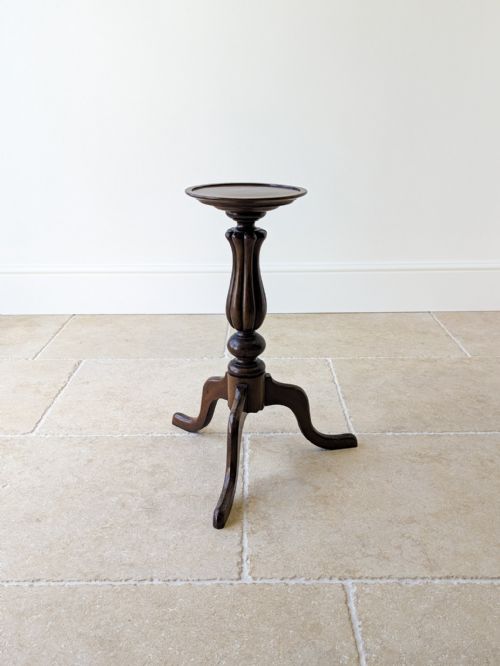
A wine table is a small, usually circular stand designed to hold a glass and a bottle during evening gatherings. They frequently feature tripod bases and sometimes tilt-top mechanisms for storage against a wall.
Their slender proportions make them ideal for placing directly beside seating.
How do I care for wood surfaces?
Periodic application of beeswax helps nourish timber surfaces and preserves the natural patina built up over decades. Avoid placing wooden tables in direct sunlight or near heat sources to prevent the wood from splitting.
Using coasters prevents moisture rings from forming on polished mahogany or walnut veneers.