
Brown Wine Table
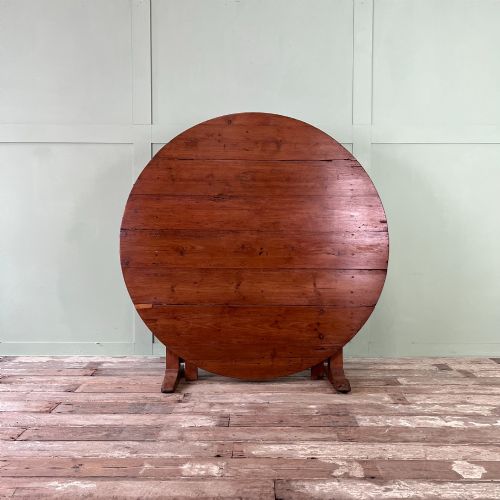
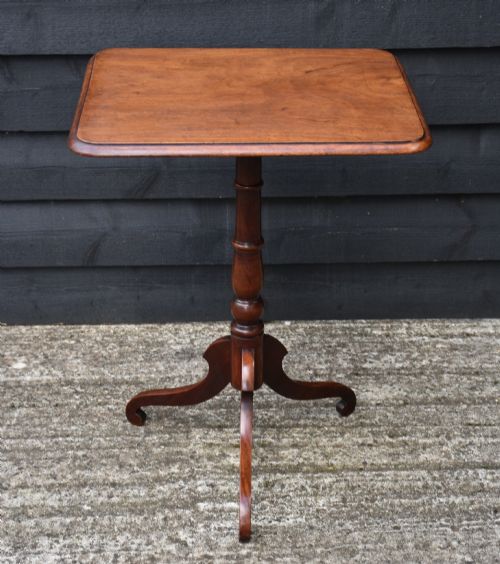
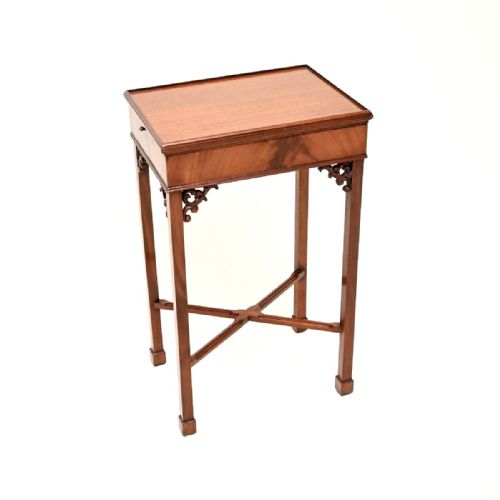
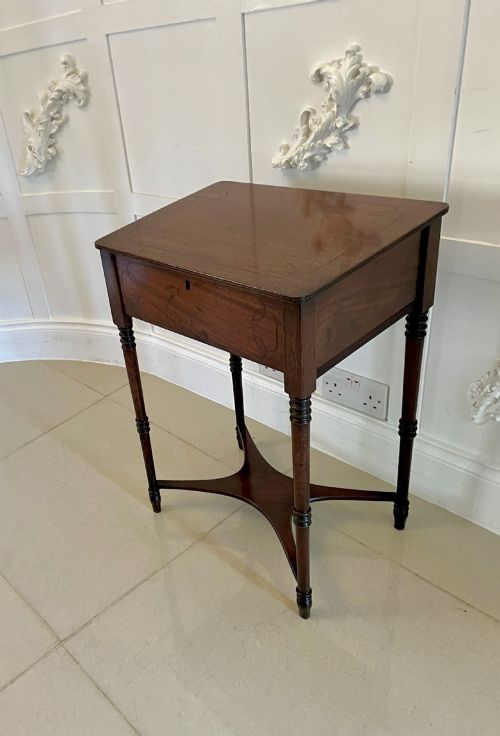
A brown wine table brings compact utility and rich timber tones to a corner, offering a stable surface raised on a central pillar.
Brown Wine Table
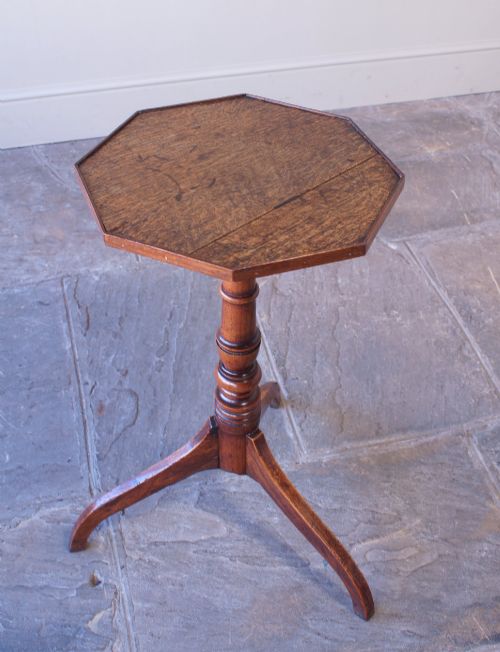
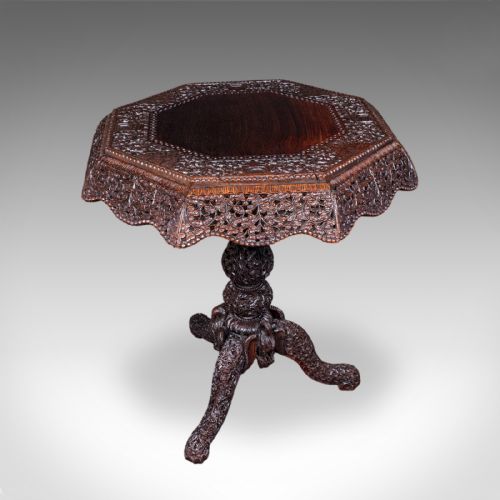
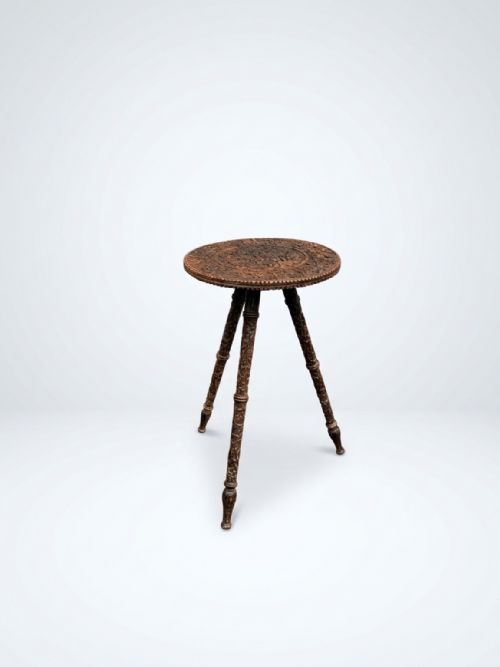
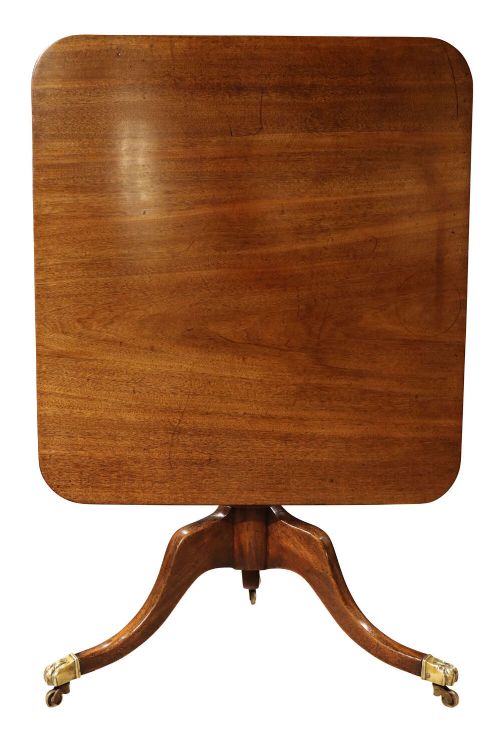
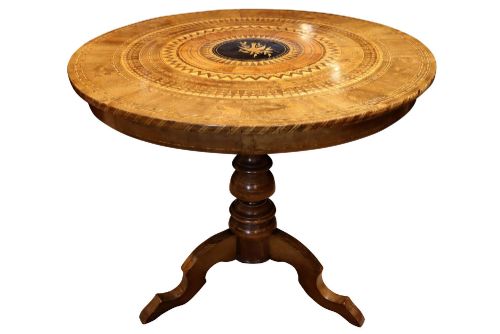
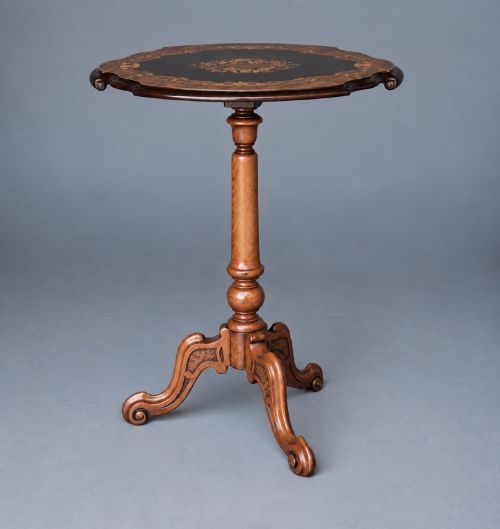
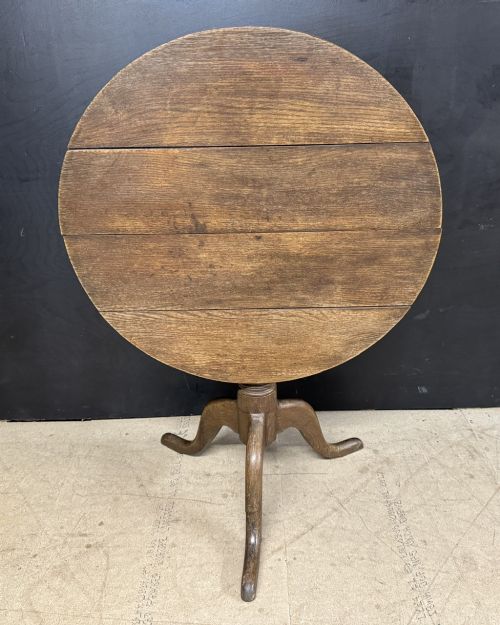
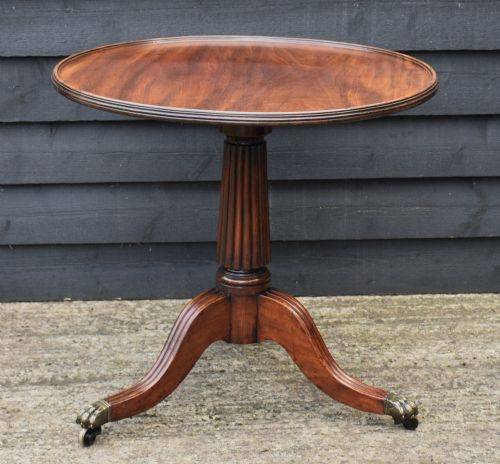
A brown wine table typically appears as a small occasional or tripod piece designed to hold a single glass or lamp, drawing on centuries of domestic tradition. When you search for a brown wine table, you encounter circular or oval surfaces supported by a central pedestal and three legs.
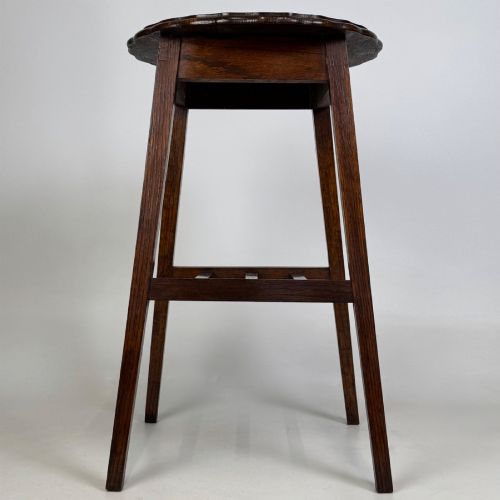
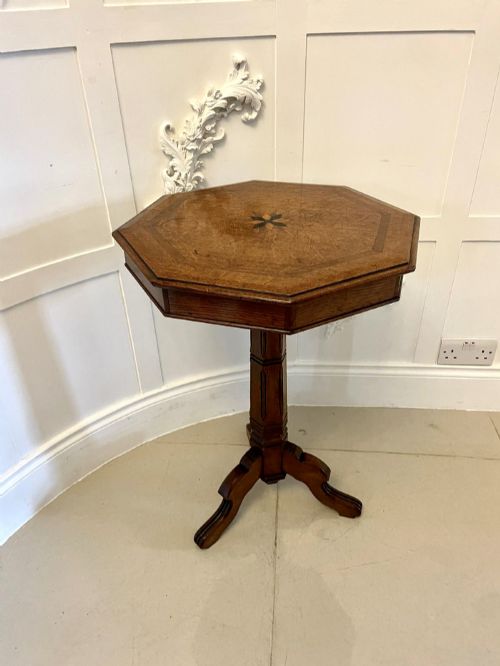
The pieces span periods from the Georgian era through the Victorian period and into the Edwardian age, reflecting changing tastes in domestic timber furniture. Mahogany and oak dominate these listings, often showing deep natural patination developed over generations of use.
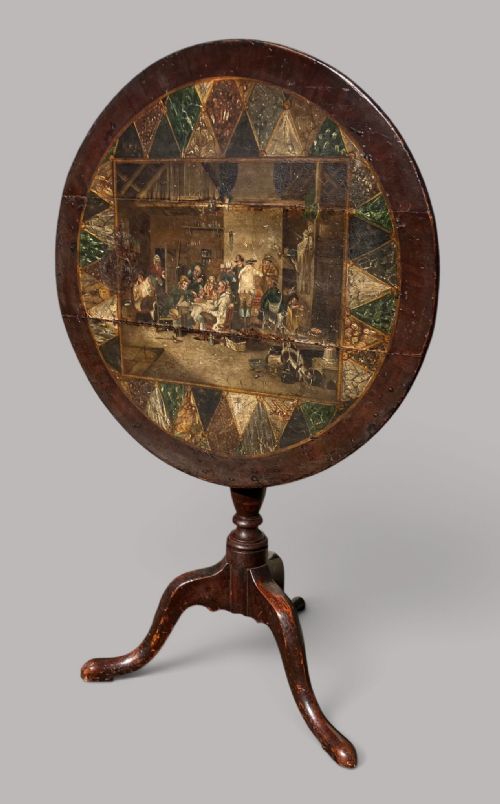
Many examples include a tilt-top mechanism, allowing the surface to fold vertically when not in use for convenient storage against a wall. Others take the form of simple fixed-top pedestals or low occasional stands shaped from elm, walnut, or rosewood.
Materials and construction methods
Cabinetmakers constructed these tables using dense hardwoods such as mahogany, walnut, and oak, selecting timber for strength and grain pattern. Turning lathes shaped the central pedestals and slender support columns, while hand-cut joinery connected the legs securely to the central shaft.
Tilt-top variants relied on sophisticated catch mechanisms and birdcage box joints to permit the tabletop to pivot and lock into position. Surface finishes applied by hand, including wax and polish, protected the wood while accentuating the natural colour variations of the grain.
Distinctions in construction and finish
Quality rests upon the selection of timber and the integrity of the structural joints where the pillar meets the legs. Superior examples display finely turned pedestals with crisp carving and balanced proportions that maintain stability without excessive weight.
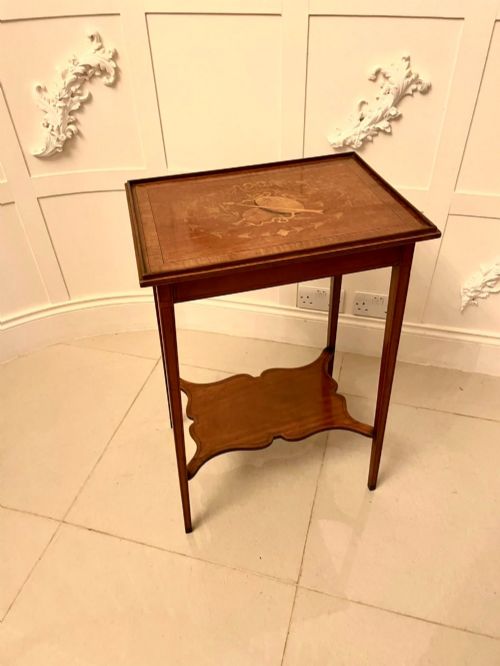
Finer pieces incorporate subtle decorative elements such as marquetry inlay, leather inserts, or well-executed tilt mechanisms that operate smoothly without wobble. Simpler vernacular pieces rely on honest construction using local woods like elm or oak, prioritising sturdy utility over decorative ornamentation.
The Brown Wine Table Glossary
- Tilt-top table
- A table featuring a hinged mechanism that allows the surface to rotate and store flat against the pedestal. This clever design saved valuable floor space in historical rooms.
- Tripod base
- A three-legged support structure commonly found beneath small pedestals to ensure stability on uneven floors. Each leg typically terminates in a pad, claw, or simple foot.
- Pedestal table
- Any freestanding table supported by a single central column rather than four corner legs. This configuration allows diners or sitters to draw closer without obstruction from legs.
- Cricket table
- A small, three-legged occasional table, frequently made of oak or pine with a round top. The style derives its name from early vernacular English domestic use.
- Marquetry
- The art of applying decorative veneer pieces in various woods to create pictorial or geometric patterns on a surface. It adds visual depth to Victorian and Georgian tabletops.
- Occasional table
- A small, movable table intended for specific, intermittent tasks such as holding a lamp or a drink. These versatile pieces suit almost any corner of a traditional interior.
Brown Wine Table: Frequently Asked Questions
What is a wine table used for?
Historically, these compact surfaces stood beside seating to hold glasses, decanters, or candles during evening gatherings. Today, they function well as lamp stands or small side tables in tight spaces.
Their modest footprint allows them to fit easily beside armchairs or in awkward corners where a larger piece of furniture would crowd the room.
What woods were commonly used?
Mahogany, oak, and walnut appear most frequently across these historical examples, prized for their durability and rich natural grain. Cabinetmakers also utilised elm, rosewood, and yew for specific regional styles or decorative effects.
Each timber brings a distinct colour and texture to the piece, ranging from the dark warmth of polished mahogany to the pale, rustic character of country oak.
How do I style a brown wine table?
Place the piece beside a reading chair to hold a small lamp, a cup, or a book, letting the timber tone warm up an empty corner. Because of their lightweight construction, they move easily from room to room as needs change.
Pairing a dark wood pedestal with neutral surroundings highlights the natural grain and historical character of the timber without overwhelming the space.