





Elm Tripod Stand
An elm tripod stand brings honest timber and three-legged simplicity to any corner, offering a sturdy surface shaped by centuries of country craftsmanship.
Elm Tripod Stand
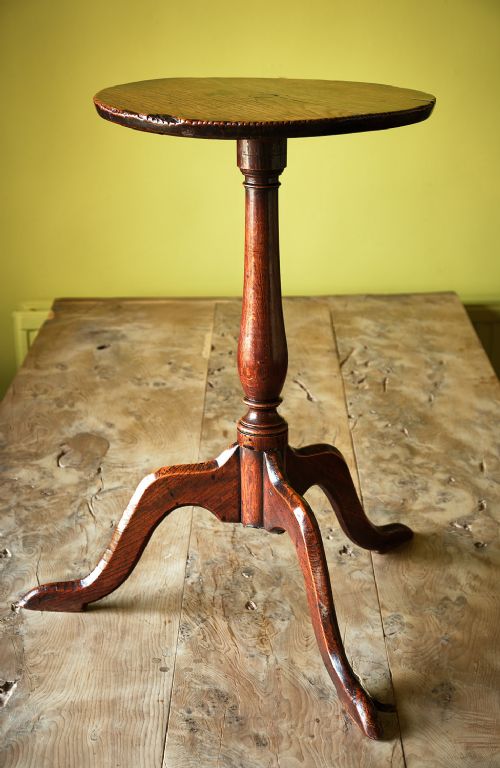
An elm tripod stand is a small table or stool raised on three legs, designed for occasional use in domestic spaces. These pieces emerge from periods such as the Georgian era, the eighteenth century, and the nineteenth century.
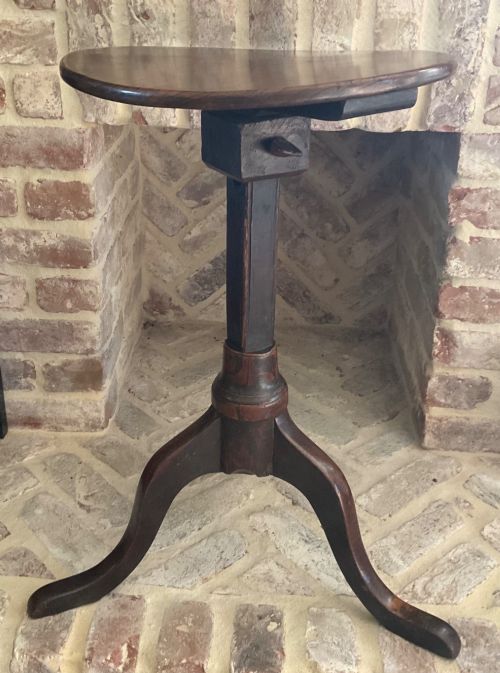
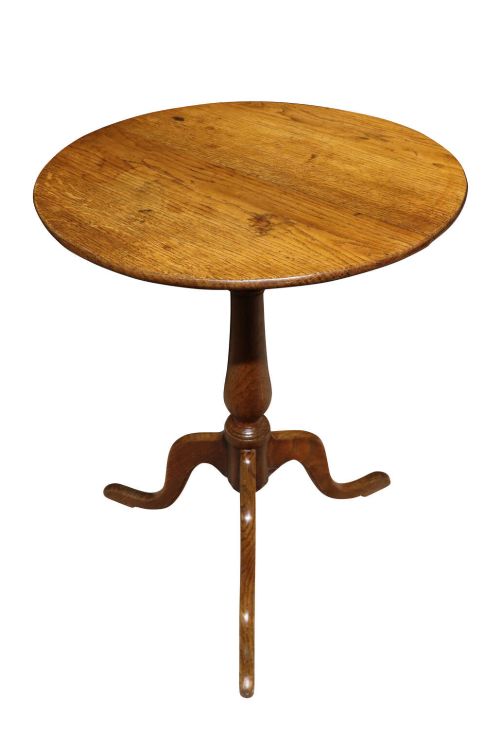
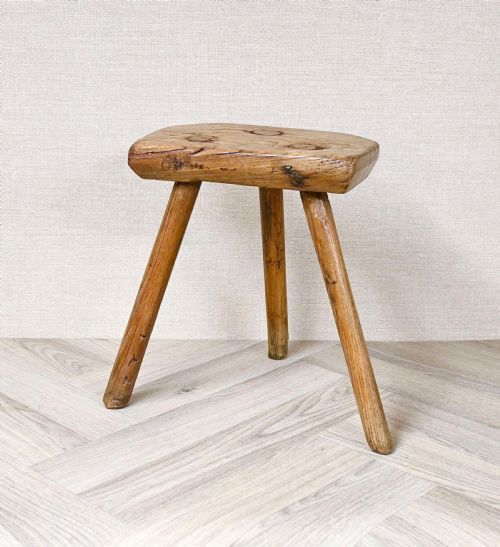
The form appears in various guises across this page, taking shape as wine tables, lamp tables, occasional tables, side tables, tilt-top tables, and rustic milking stools. Origins span local English workshops alongside Chinese vernacular and Scandinavian country traditions.
Most examples encountered here combine elm with oak, utilising the distinct grain of timber to create modest yet functional furniture. Buyers meet everything from primitive country stools to neat Regency proportions and live edge slices.
Materials and construction
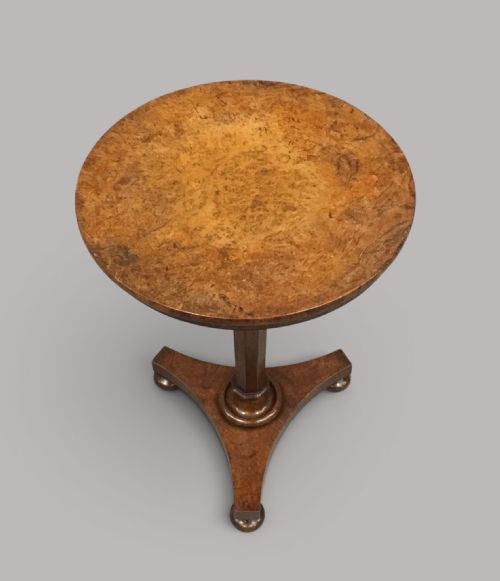
Makers rely primarily on solid elm, burr elm, and oak, selecting timber for its strength and distinctive figuring. Burr elm provides intricate patterns across table tops, while robust oak often forms supporting structures.
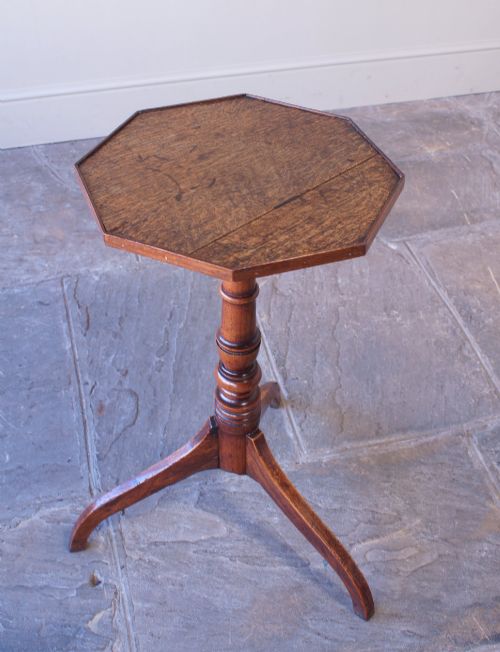
The tripod configuration relies on three legs joined to a central top, occasionally incorporating tilt mechanisms for convenient storage. Surfaces range from smooth turned occasional tops to primitive live edge slices and octagonal shapes.
Elm Tripod Stand Retail Price Guide 2026
Typical asking prices for elm tripod stand among the pieces listed under this phrase on Sellingantiques today, from the lower quarter to the upper quarter. They describe what is for sale here now, not the wider market.
One lonely milking stool stands ready for chores that ended centuries ago.
Distinctions in quality
Quality rests in the character of the timber and the harmony of the proportions, distinguishing utilitarian country pieces from refined Georgian examples. Burr elm surfaces with rich figuring command attention through natural decorative appeal.
Construction integrity defines the better pieces, where legs join the top securely and timber retains its structural honesty through centuries of use. Neat proportions and thoughtful turning elevate simple occasional tables above basic primitive stools.
The Elm Tripod Stand Glossary
- Burr elm
- A growth distortion in the elm tree that produces highly figured, swirling wood grain. This timber is prized for table tops and decorative panels.
- Tripod table
- A small table supported by three legs radiating from a central pillar. This design prevents wobbling on uneven floors.
- Tilt-top table
- A table featuring a mechanism that allows the top to pivot to a vertical position when not in use. This saves floor space in smaller rooms.
- Vernacular country
- Furniture made by local tradesmen using regional traditions and readily available materials rather than following formal urban styles.
- Live edge
- A style of furniture where the natural edge of the tree is retained as part of the finished piece. It highlights the organic shape of the timber.
Elm Tripod Stand: Frequently Asked Questions
What is an elm tripod stand used for?
These pieces function primarily as small side tables, lamp tables, or occasional surfaces for holding drinks and books. Their compact footprint makes them suitable for placing beside chairs or in narrow hallways.
Historically, simpler versions such as milking stools also served as portable seating for daily domestic or agricultural tasks. Today, they bring practical surface area and historic character into modern rooms.
How do I date a Georgian elm table?
Dating relies on observing construction methods, timber selection, and stylistic details associated with the eighteenth century. Georgian pieces often display refined turning on the central pillar and specific jointing techniques characteristic of the period.
Comparing the proportions and leg formation against known examples from the era helps confirm the age. Examining the underside reveals tool marks and wear patterns that indicate genuine historic manufacture.
Are tilt-top tripod tables practical?
Tilt-top tables offer excellent versatility because the top pivots flat against the pillar when space is tight. This mechanism allowed historic owners to tuck tables away against walls when rooms needed to be cleared.
In modern homes, this feature provides both a functional display surface and an interesting architectural element when folded. The pivot mechanism requires gentle handling to preserve its original function.
How do I care for antique elm furniture?
Maintenance involves keeping timber away from direct heat sources and sudden temperature changes that cause wood to split. Applying a modest amount of beeswax helps nourish the surface and preserve the natural grain.
Avoid using modern chemical polishes that can build up and dull the finish over time. Regular dusting with a soft cloth keeps the surface clean without harming the historic timber.