
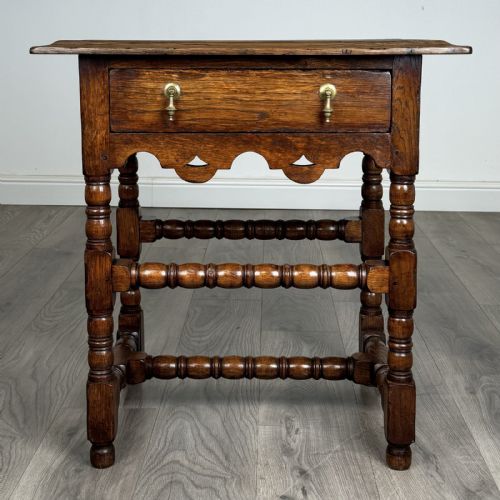
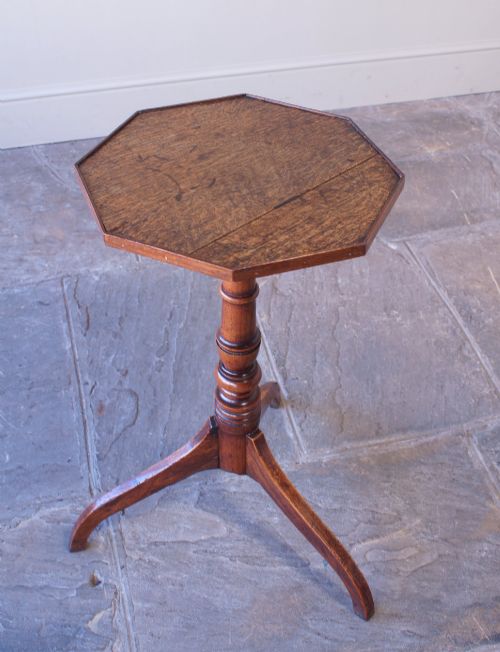
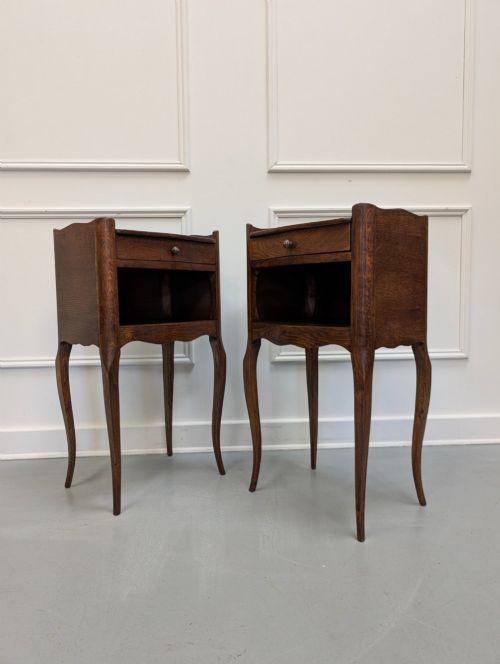
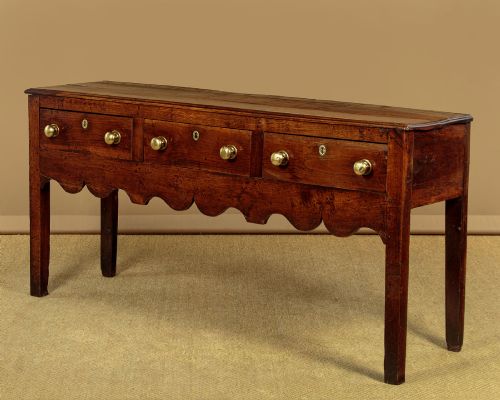
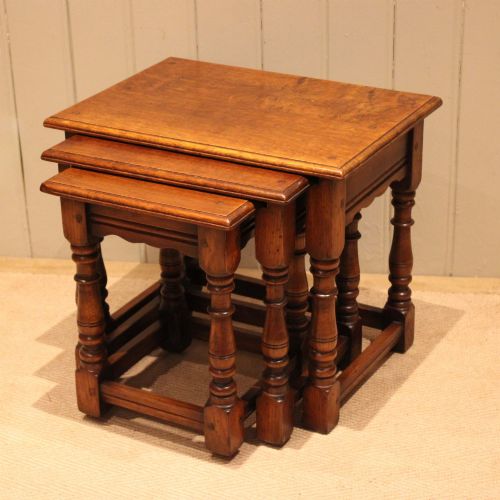
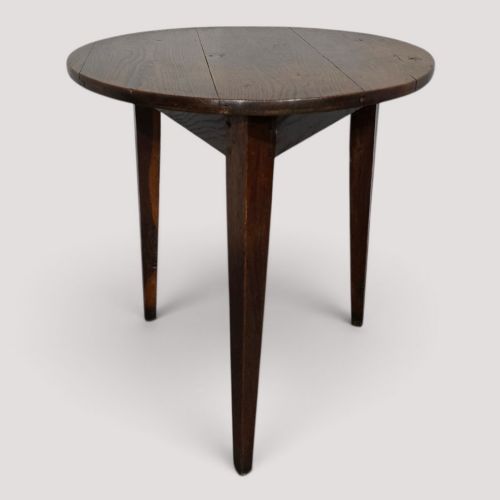
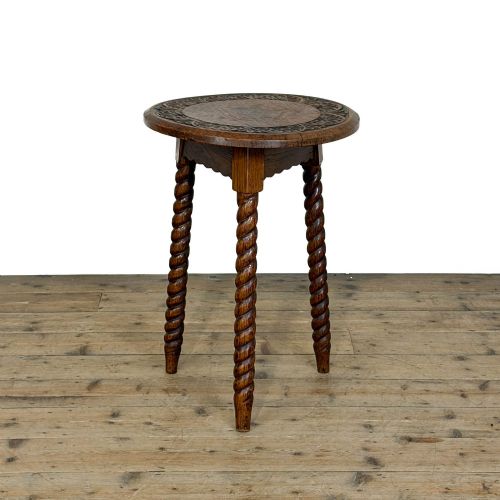
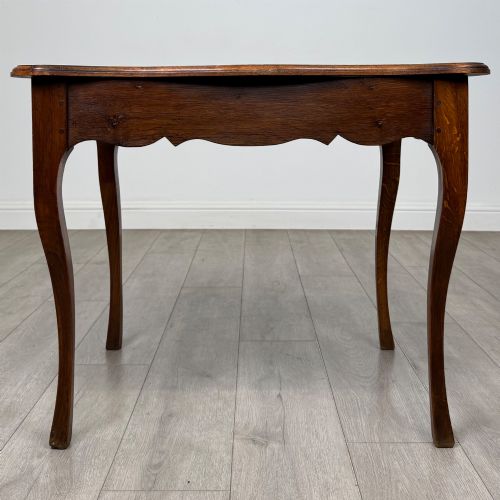
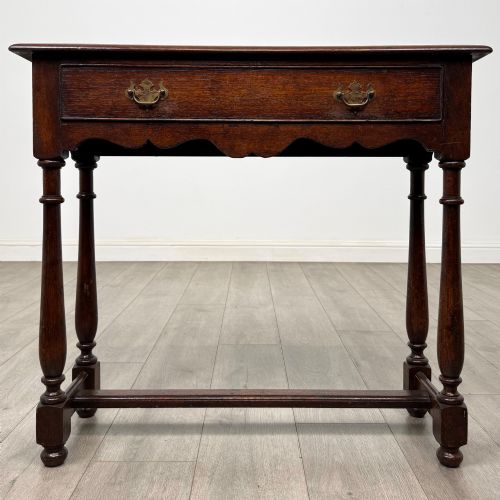
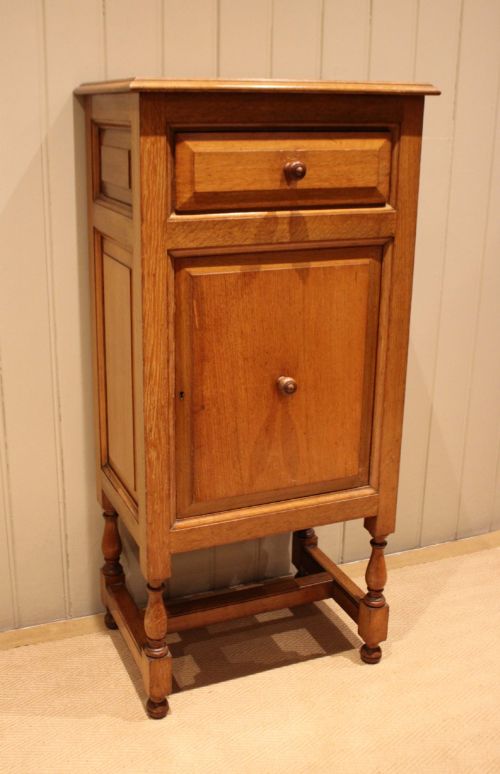
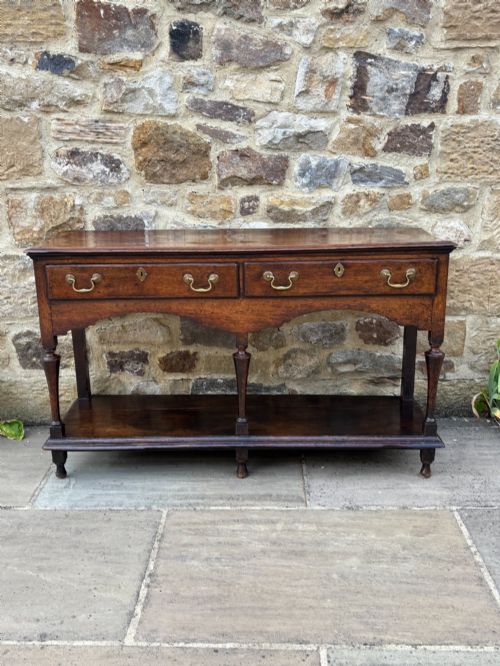
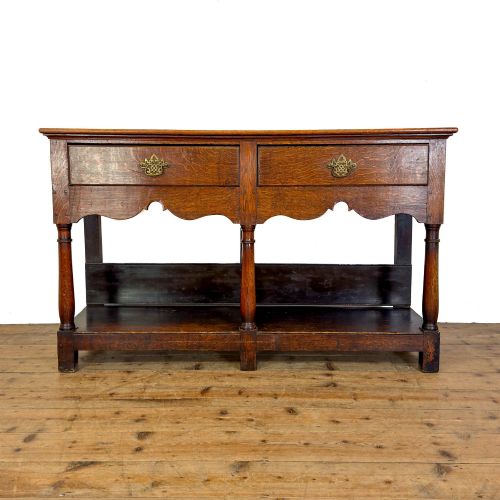
Small Country Oak Table
A small country oak table brings the honest weight of centuries past into a modern room through sturdy timber and utilitarian charm.
Small Country Oak Table
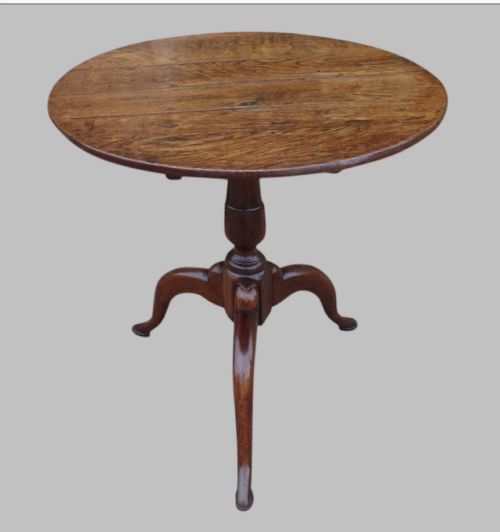
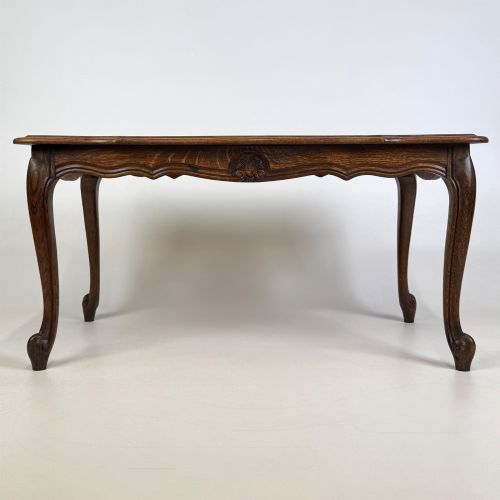
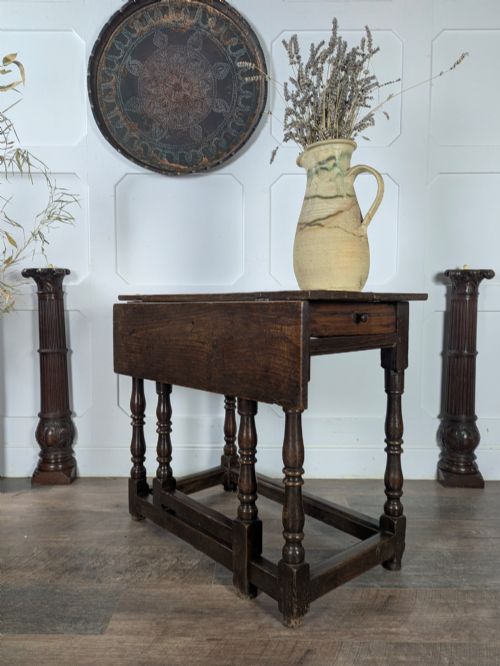
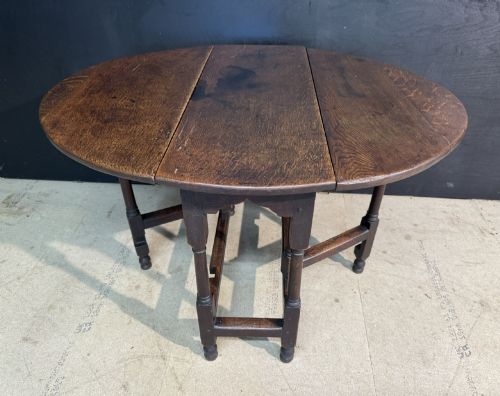
When you search for a small country oak table, you encounter practical domestic furniture spanning from the seventeenth century through to the Edwardian era and the 1920s. These pieces include gateleg tables, tripod cricket tables, side tables, and occasional tables shaped by rural traditions.
The versions you are most likely to meet on this page hail from the Georgian period and the eighteenth century, alongside later revivals and rustic farmhouse designs. They served humble functions in cottages and farmhouses, designed for daily use rather than formal display.
Their forms remain compact, making them adaptable for contemporary living spaces as coffee tables, small desks, or bedside surfaces. The inventory balances authentic period survivors with sturdier country interpretations built for longevity.
What Varies in Quality
The distinction between ordinary and exceptional pieces rests upon the integrity of the timber and the harmony of the proportions. Finer examples display carefully chosen grain, such as pollard oak figures, and retain their original structural elements without extensive modern timber replacement.
A superior piece exhibits refined turning on legs and columns, alongside crisp peg joints that have tightened securely over centuries. Lesser examples may suffer from clumsy repairs or replacement tops that disrupt the honest character established by the original rural maker.
Listings feature oak alongside elm, pine, and fruitwood across periods stretching from the 17th century to the 1920s.
The Small Country Oak Table Glossary
- Cricket table
- A small, lightweight occasional table traditionally featuring three splayed legs designed to stand steady on uneven cottage floors. This tripod form often incorporates a circular top and modest under-tier.
- Gateleg table
- A drop-leaf table where hinged flaps are supported by swinging legs that pivot out like a gate. This clever mechanism allows the surface to expand for dining and contract for compact storage.
- Pollard oak
- Timber taken from trees that were pollunted or pruned close to the trunk to encourage dense, highly decorative branching growth. The resulting wood displays intricate swirling grain patterns highly prized by cabinet makers.
- Lowboy
- A small country table featuring one or more drawers beneath the surface, historically used for dressing or writing. These low-standing pieces combine utility with elegant, slender legs.
- Plank top
- A table surface constructed from solid boards joined edge to edge rather than veneered panels. This method provides robust durability typical of early farmhouse furniture.
Small Country Oak Table: Frequently Asked Questions
How do I use a small country oak table at home?
These compact pieces adapt easily to modern rooms as bedside stands, hallway surfaces, or intimate coffee tables. Their understated presence complements both traditional interiors and contemporary minimalist spaces.
Because they were built for utility, they handle daily life with ease while adding historical texture to your living areas.
What periods do these tables cover?
The selection spans from the seventeenth century through the Georgian era and into Edwardian and early twentieth-century interpretations. Earlier examples showcase hand-hewn joinery and pegged construction.
Later pieces often reflect revival styles that emulate the rustic proportions and functional charm of seventeenth and eighteenth-century originals.
Are these tables suitable for dining?
Certain gateleg and drop-leaf formats were designed specifically as small dining or breakfast tables, seating up to four people when fully opened. Tripod and side tables remain better suited for occasional surface use.
Checking the height and leg clearance helps determine whether a particular drop-leaf or refectory style fits your seating needs.
How do I distinguish seventeenth-century oak from later revivals?
Early pieces display deep patination, hand-carved details, and pegged joinery executed with primitive tools rather than standardised machinery. The wood density and traditional framing methods tell the story of their age.
Revival pieces from the Edwardian era or 1920s often utilise older styles but reveal cleaner machine cuts and lighter overall timber weights.