

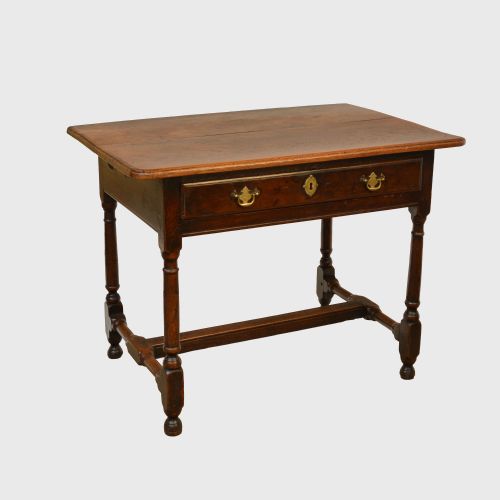
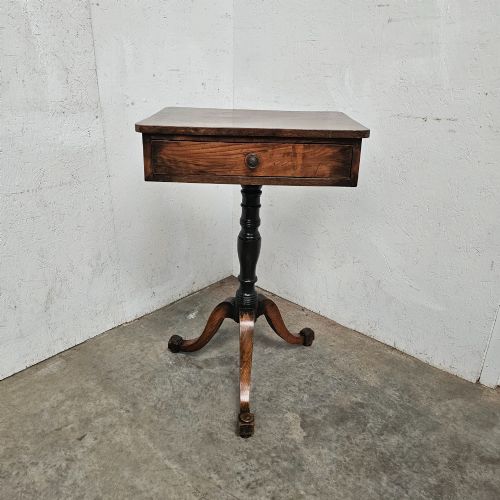
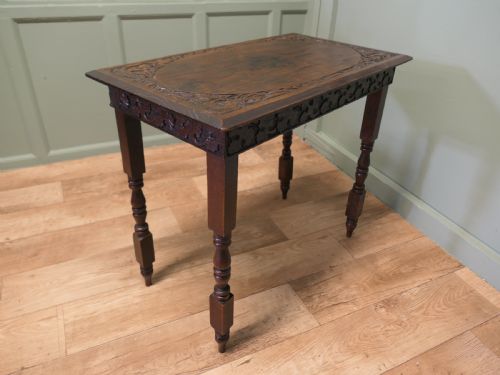
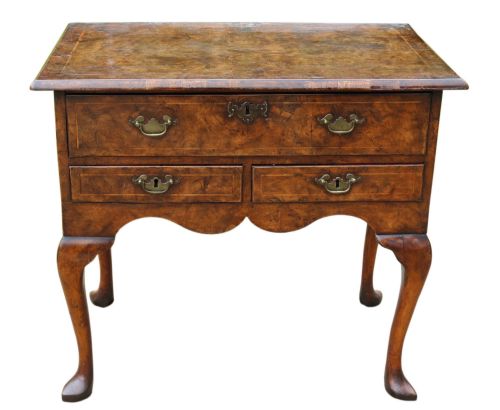

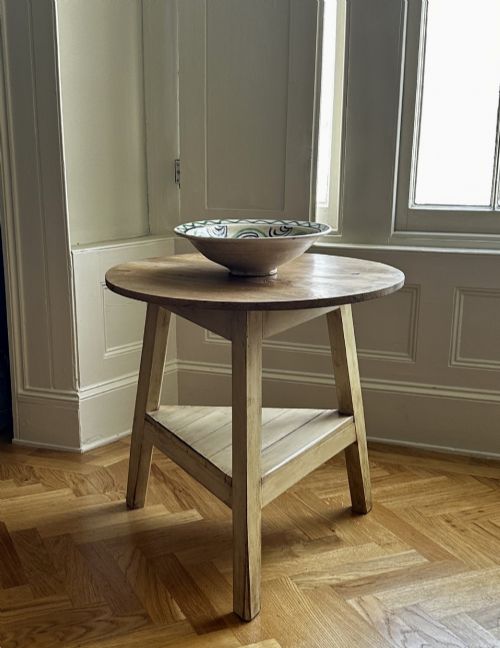
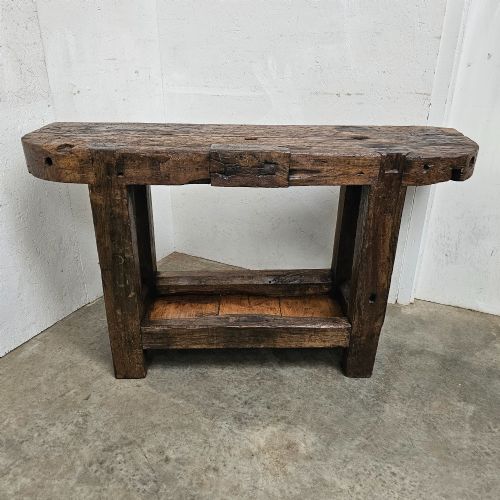

Elm Wood Side Table
An elm wood side table brings domestic warmth to a room through its distinct grain and honest, timber-heavy construction.
Elm Wood Side Table
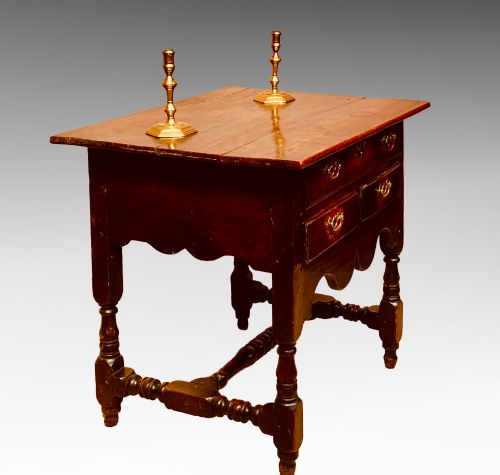
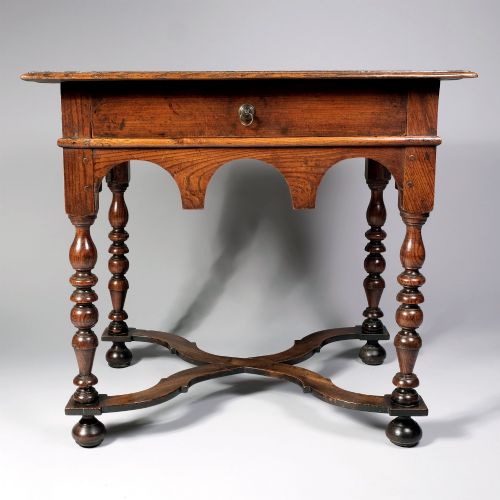
An elm wood side table spans centuries of cabinetmaking, appearing in domestic contexts ranging from 18th century Georgian townhouses to French provincial kitchens and Qing dynasty Chinese interiors. Buyers searching this phrase encounter lowboys, tripod tables, console tables, and occasional tables shaped by regional vernacular traditions.
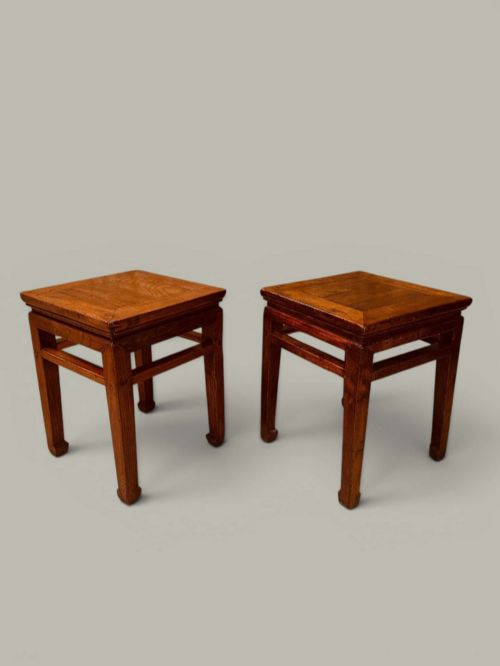
The English and European pieces often combine elm with oak, yew, or fruitwood, showing simple lines or rustic country forms. Alongside these, Chinese elm side tables and altar tables display structural joinery and distinct timber figuring developed across the 19th century.
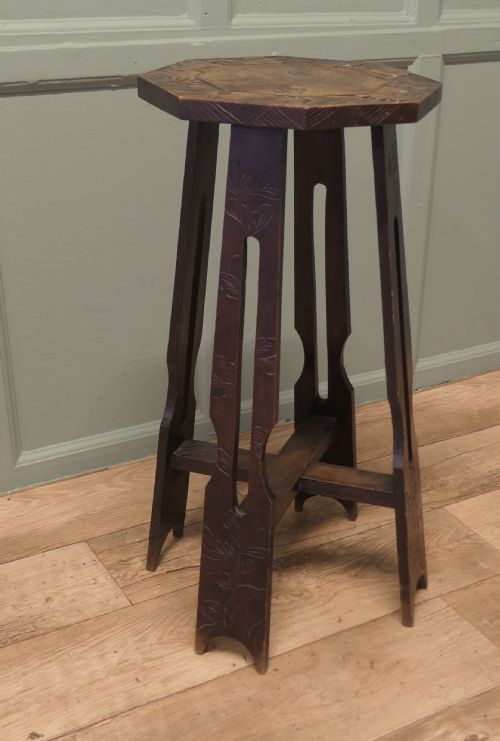
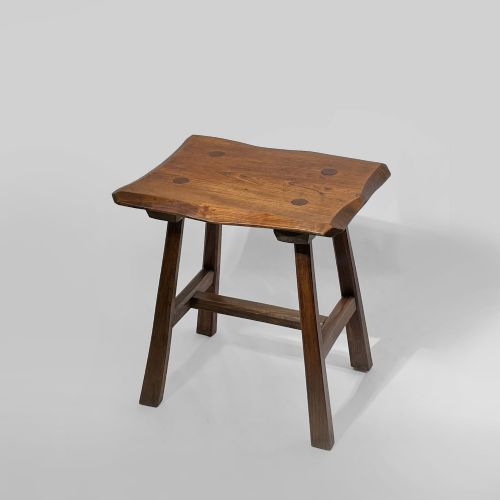
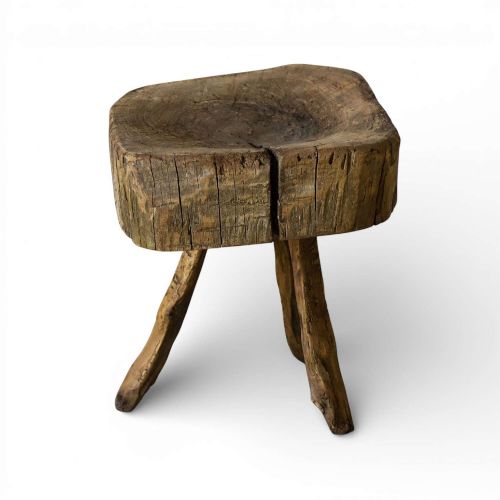
Most examples found on this page lean towards utilitarian forms such as low tables, chopping blocks, and small lamp tables. Their survival relies on the tough, interlocking grain of the wood, which resists splitting under everyday household use.
Materials and construction
Makers select elm for its twisting, knotty grain, which resists shrinking and splitting better than straight-grained woods. Cabinetmakers pair solid elm tops with supporting timbers like oak, fruitwood, or birch, using traditional pegging and mortise and tenon joints.
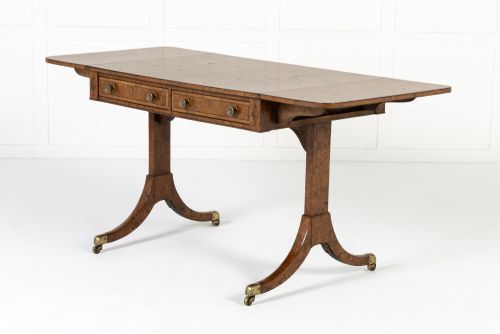
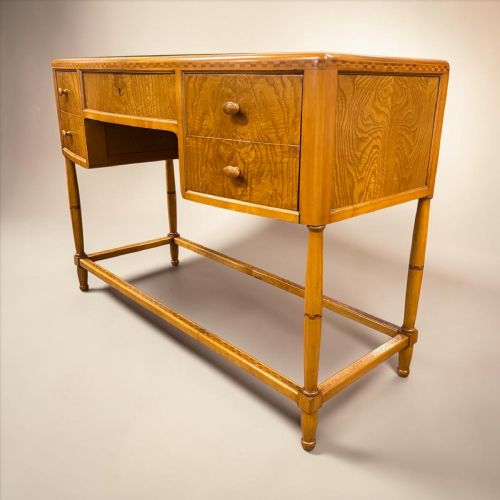
Surface treatments vary from polished burr elm veneers on Regency and Art Deco pieces to waxed rustic surfaces on vernacular French workbenches and Chinese altar tables. Brass fittings appear on drawers, while ebonising or lacquer finish occasionally coats Japanese and European examples.
Elm Wood Side Table Retail Price Guide 2026
Typical asking prices for elm wood side table among the pieces listed under this phrase on Sellingantiques today, from the lower quarter to the upper quarter. They describe what is for sale here now, not the wider market.
Materials paired with elm across the inventory include oak, brass, burr birch, sycamore, lacquer, and fruitwood.
Judging quality and character
The depth of figuring in the timber distinguishes standard planks from high-grade burr elm panels, which command attention through complex swirling patterns. Natural figuring combined with patinated surfaces built up over centuries separates superior examples from plain utility pieces.
Structural integrity depends on the retention of original timber and honest repairs rather than aggressive modern restoration. Pieces retaining their original legs, feet, and joinery without excessive sanding maintain the tactile history valued by collectors.
The Elm Wood Side Table Glossary
- Burr elm
- A growth distortion on the tree trunk that yields timber packed with swirling, chaotic grain patterns. Cabinetmakers prize this for tabletops and decorative veneers.
- Lowboy
- A small table with drawers, raised on four legs, originating in the late 17th century. It serves variously as a dressing table or a compact side table.
- Cricket table
- A small, light table with three legs and a circular top, traditionally balanced evenly on uneven flagstone floors. The design stems from vernacular English country furniture.
- Altar table
- A long, narrow table originating in China, featuring recessed legs and often upturned flanges at the short ends. These pieces function as decorative consoles in modern interiors.
- Vernacular
- Furniture built by local rural craftspeople for everyday use rather than following high urban academic styles. These objects reflect regional materials and practical needs.
Elm Wood Side Table: Frequently Asked Questions
How do I date an elm side table?
Dating relies on construction methods, tool marks visible beneath the top, and the style of the legs and stretcher base. Eighteenth-century pieces often show hand-sawn boards and pegged joinery.
Nineteenth-century examples introduce machine-cut timber and different joint tolerances while retaining the traditional patination of the wood. Comparing the wear patterns on the feet with the top helps confirm the age.
Is elm wood durable for daily use?
Elm has a notoriously interlocked grain structure that makes it exceptionally tough and resistant to splitting under pressure. This durability explains why makers chose it for chopping blocks, workbenches, and heavy-use household tables.
Placing an elm side table in a room requires normal care regarding humidity and direct heat sources to prevent timber movement. Regular waxing keeps the surface nourished and protects the historic patina.
What is burr elm?
Burr elm comes from a tree growth that creates dense clusters of buds, resulting in intricate, swirling patterns across the cut timber. This decorative figuring makes the wood highly sought after for prominent tabletops.
Because of its wild grain, burr elm is often used as a veneer over a stable secondary wood or fashioned into smaller occasional and lamp tables.
How do English and Chinese elm tables differ?
English and European elm tables typically feature country vernacular designs, tripod bases, or simple drawer arrangements in oak-framed bodies. They often display the knots and rustic character of British woodlands.
Chinese elm tables, including altar and console forms, showcase traditional joinery without metal nails, frequently incorporating recessed legs and structured aprons. Their timber often exhibits a straighter grain with rich amber tones.