

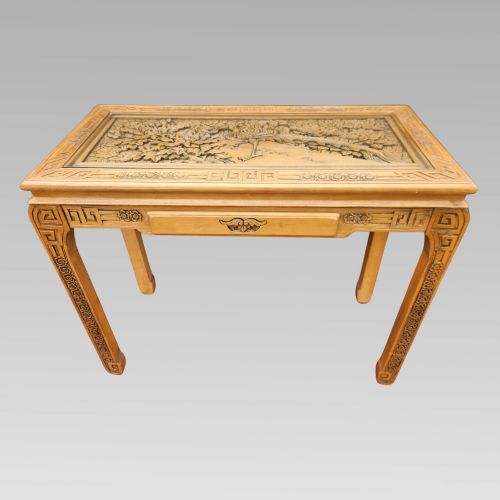


Traditional Chinese Desk
These traditional chinese desk examples range from hardwood writing tables to carved scholar groups, bringing centuries of craftsmanship into a modern study.
Traditional Chinese Desk
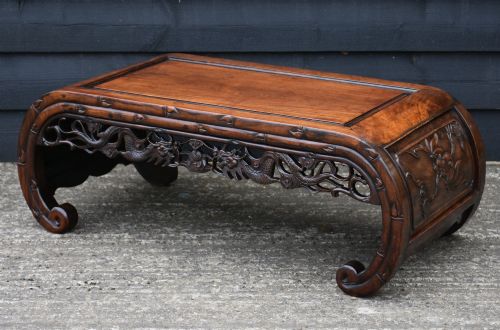
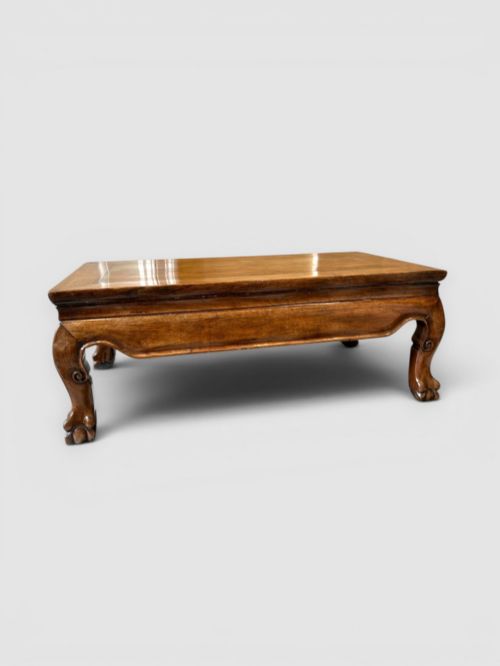
A traditional chinese desk embodies centuries of cabinet-making traditions, taking forms such as writing desks, partner desks, and low tables. Pieces matching this search span the nineteenth century, nineteen-hundreds, and Edwardian eras, utilising durable timbers like elm and rosewood alongside specialised scholar objects.
Buyers encountering this category will find a mix of functional writing furniture and decorative items associated with the scholarly desk. These items reflect stylistic influences ranging from the Qing Dynasty and Republic Period to British interpretations like Chinese Chippendale.
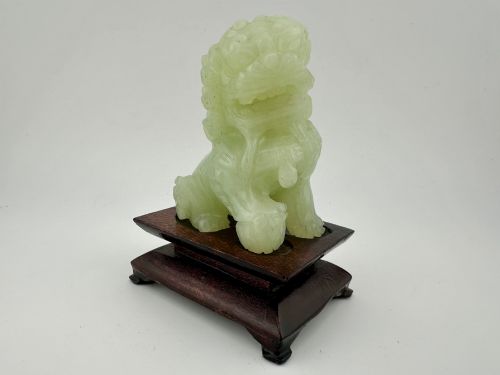
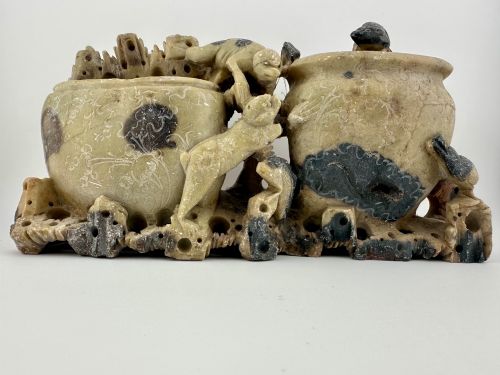
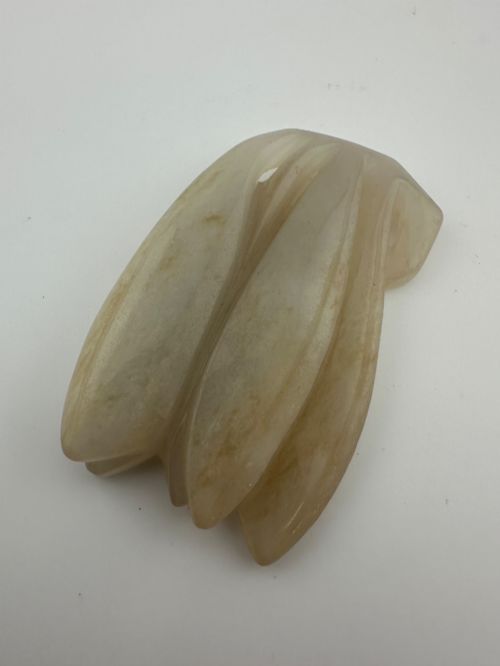
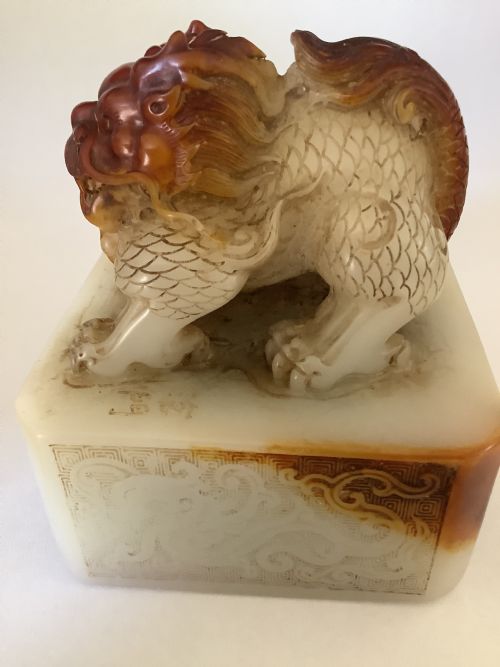
The material palette of a traditional chinese desk includes native hardwoods, elm, lacquer, and jade. Scholars utilised brush pots, washers, and seals carved from soapstone and jade alongside wooden writing tables.
Materials and Construction
Cabinet-makers utilised dense timbers such as elm, rosewood, and general hardwoods to build tables, desks, and chairs. These structural woods were often finished with red lacquer or left with a natural plank-top grain.
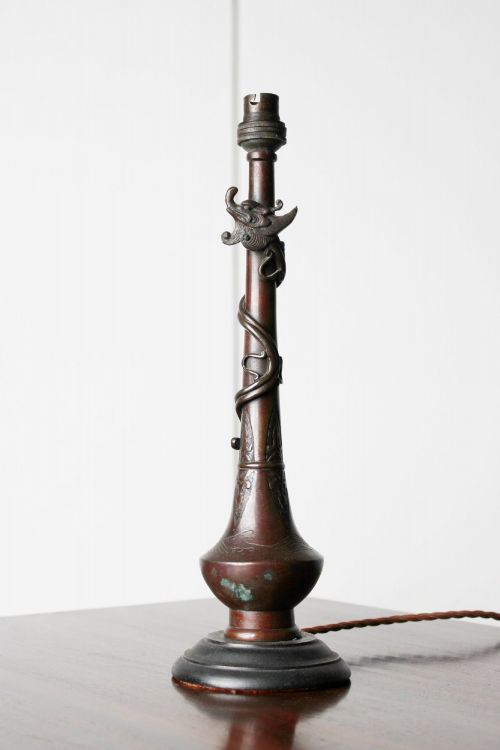
Decorative detailing on a traditional chinese desk involved meticulous carving in wood, soapstone, and jade. Artisans incorporated dragon motifs, figurative elements, and calligraphic ink blocks into the design.
Listings incorporate nineteenth-century writing desks, Edwardian lamps, and Qing Dynasty jade carvings.
Judging Quality
Quality in a traditional chinese desk rests upon the crispness of the carving and the selection of timber. Dense rosewoods and elm with well-preserved joinery sit at the higher end of the range.
The integrity of surface treatments, such as red lacquer or polished hardwood finishes, dictates the visual appeal of writing tables and console pieces. Objects showing refined hand-carved details, like scholar seals and brush washers, demonstrate superior craftsmanship.
The Traditional Chinese Desk Glossary
- Elm
- A durable hardwood commonly utilised for framing traditional furniture and tables. It provides a strong structural foundation with a distinct grain pattern.
- Lacquer
- A protective and decorative coating applied to wooden surfaces, frequently seen in red tones on chairs and tables. This finish requires careful layering by skilled artisans.
- Qing Dynasty
- The final imperial dynasty of China, spanning from sixteen-forty-four to nineteen-twelve. Pieces from this era reflect traditional court and scholarly aesthetics.
- Chinese Chippendale
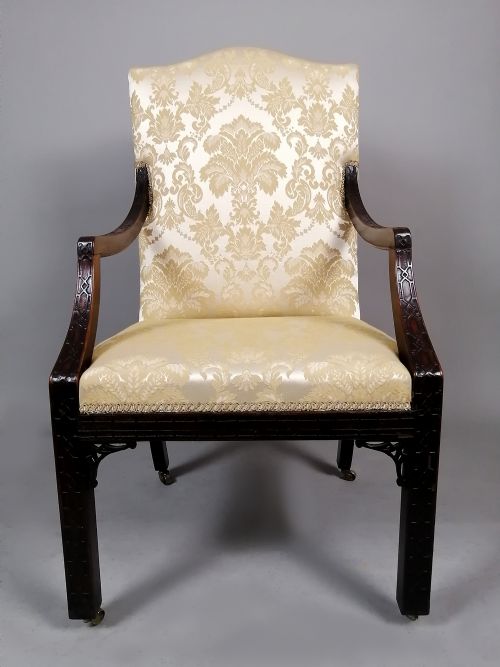
- An eighteenth-century European style influenced by Chinese decorative motifs. It frequently incorporates fretwork and lattice designs into mahogany chairs and tables.
Traditional Chinese Desk: Frequently Asked Questions
What is a Chinese partners desk?
A Chinese partners desk is a large writing table designed with drawers and workspace on opposing sides, intended for two individuals to use simultaneously.
These pieces typically date from the nineteenth century and employ substantial hardwoods like rosewood or elm.
How do I identify a scholar's desk group?
A scholar's desk group comprises small decorative and utilitarian objects used in traditional studies, including brush pots, washers, and carved seals.
Materials frequently include soapstone, jade, and porcelain rather than structural timber.
What defines Chinese Provincial furniture?
Chinese Provincial furniture refers to pieces made for everyday domestic use outside the imperial courts, utilising accessible regional woods like elm.
These items prioritize functional construction and simple forms over elaborate court decoration.