
Antique Asian Desk
An antique asian desk brings substantial hardwood timber, scholar's items, and intricate writing tables from Chinese and Japanese workshops into a study.
Antique Asian Desk
When you search for an antique asian desk, you encounter writing tables, calligraphy tables, and partners desks originating from periods spanning the sixteenth century through the early twentieth century. These pieces encompass traditional Chinese and Japanese forms constructed for scholarship, writing, and administrative use.
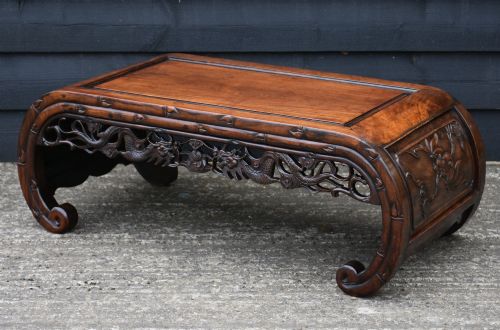
Buyers also encounter low tables and occasional tables adaptable for study use, reflecting the decorative styles of the Qing Dynasty and the Meiji Period.
Materials and construction
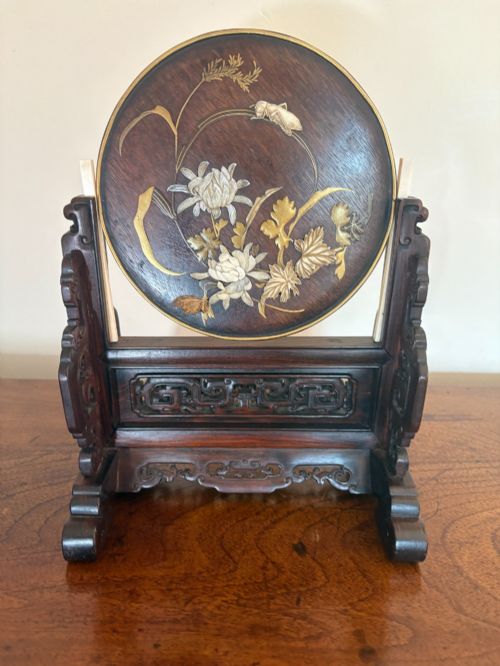
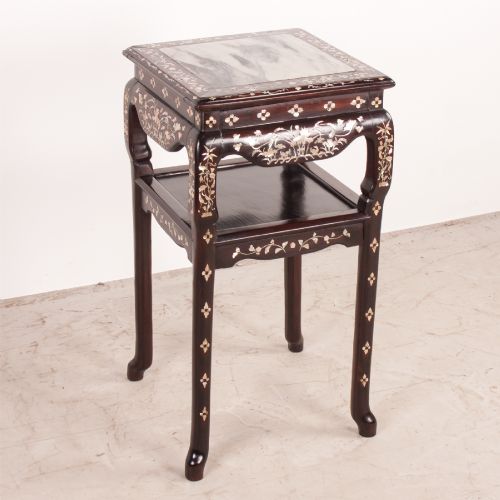
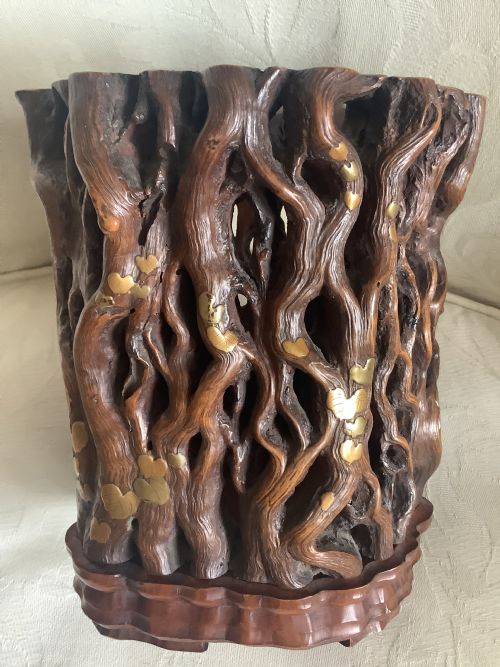
Construction relies heavily on dense timbers such as rosewood, elm, and other hardwoods, often enriched with mother of pearl inlay or carved dragon details.
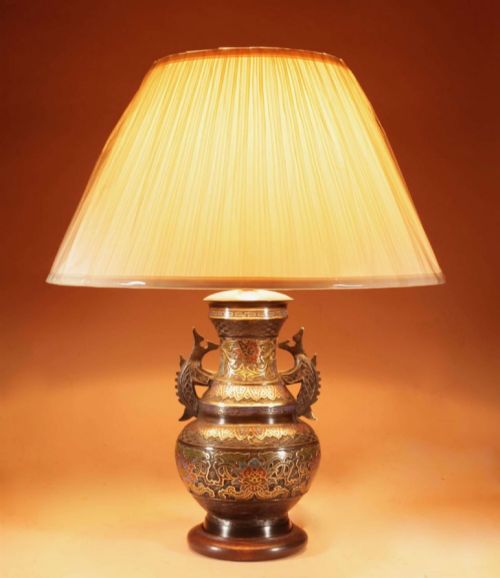
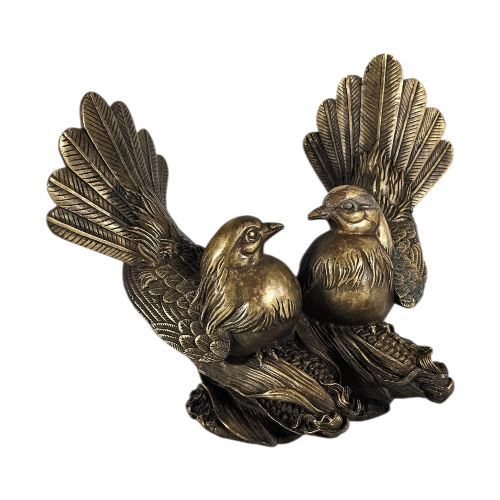
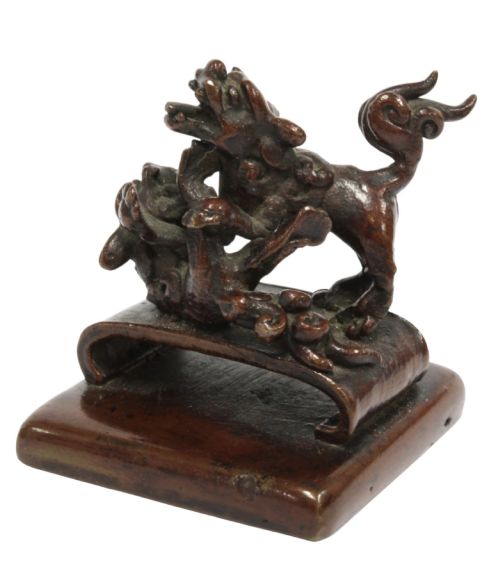
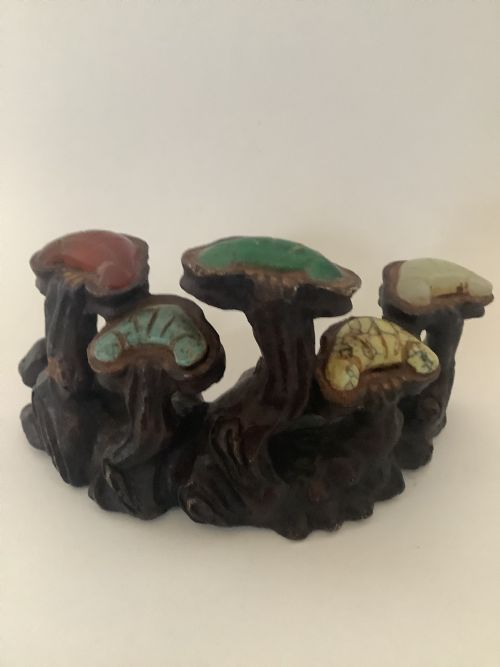
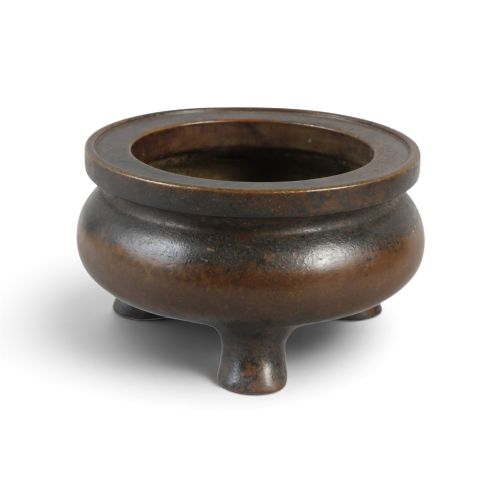
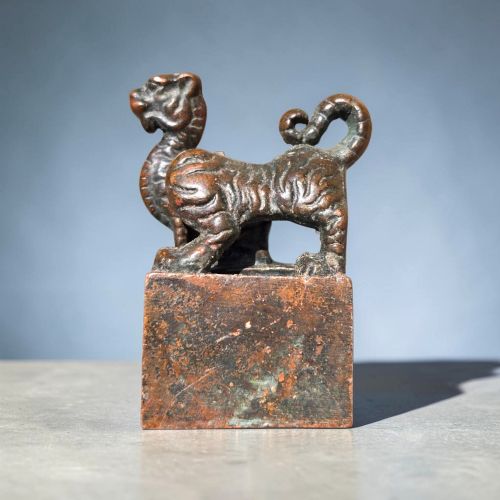
Metalwork incorporates cast bronze and brass, frequently utilised in scholarly desk accessories, paperweights, brush rests, and champlevé or cloisonné decorative elements.
Surface treatments involve traditional lacquer work and fire-gilding, combining natural wood finishes with detailed hand-carved panels.
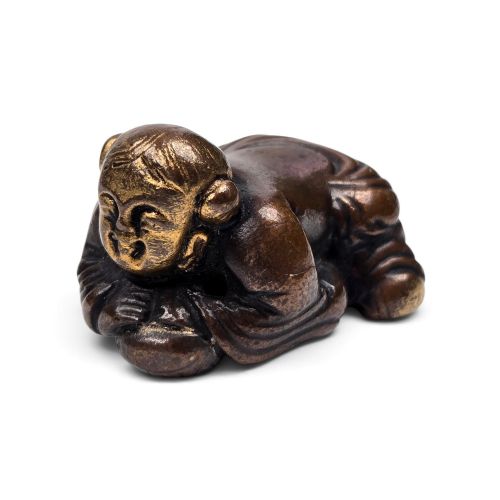
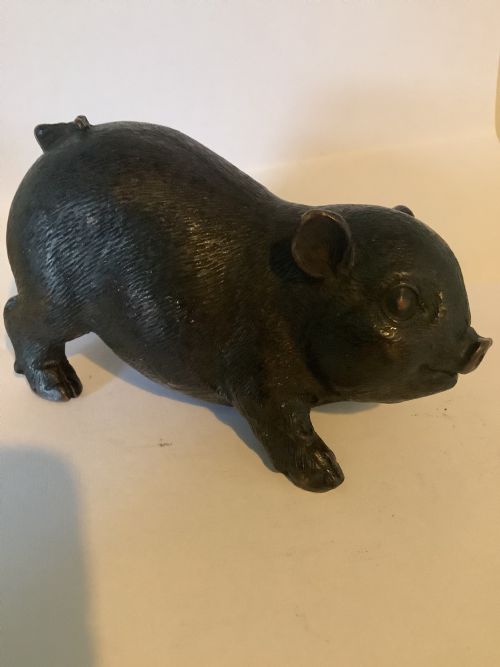
Several bronze scholar's items take the form of reclining boys, nesting qilin, and a very interesting pig.
Assessing quality
Quality separates through the depth and crispness of hand-carved elements, such as dragon details and floral motifs on rosewood and elm structures.
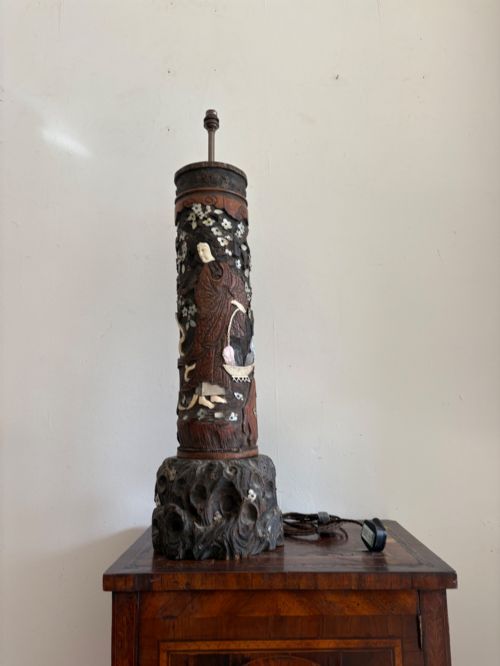
The weight, casting precision, and finish of bronze components - ranging from scholar's seals to lamp bases - distinguish finer studio pieces from standard decorative items.
The integration of mother of pearl inlay and the stability of traditional joinery indicate the level of craftsmanship invested in each desk or table.
The Antique Asian Desk Glossary
- Ming Dynasty
- A historical period spanning the fourteenth to seventeenth centuries known for restrained elegance in furniture and bronze casting. Pieces from this era often display heavy archaistic influences.
- Meiji Period
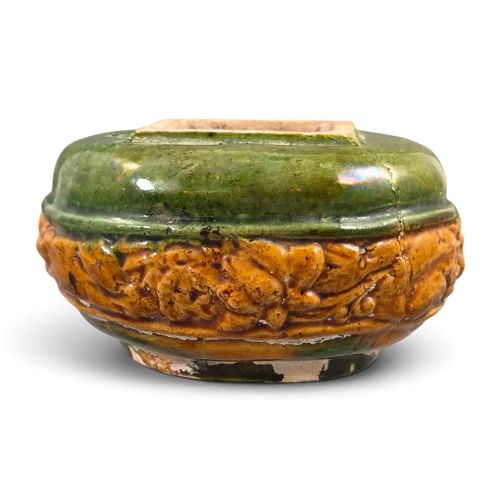
- The era of Japanese history lasting from 1868 to 1912 noted for intricate bronze work, Satsuma ceramics, and Shibayama inlay. This period produced many items subsequently adapted as table lamps.
- Qing Dynasty
- The final imperial dynasty of China, lasting from 1644 to 1912, characterised by elaborate dragon carvings, rosewood furniture, and decorative cloisonne.
- Chinoiserie
- A European artistic style reflecting Chinese motifs and techniques, applied to furniture and decorative items during the late nineteenth and early twentieth centuries.
Antique Asian Desk: Frequently Asked Questions
What defines an antique asian desk?
An antique asian desk comprises writing tables, calligraphy tables, and partners desks built in China or Japan during periods ranging from the Ming Dynasty to the early twentieth century. These pieces are typically constructed from dense hardwoods like rosewood or elm.
They often feature traditional joinery, carved dragon details, or mother of pearl inlay, serving both practical writing functions and decorative roles within a study.
How do I distinguish between Chinese and Japanese pieces?
Chinese pieces often utilise heavy hardwoods such as rosewood and elm, displaying structural carvings associated with the Ming and Qing Dynasties. In contrast, Japanese items from the Meiji Period frequently incorporate detailed bronze casting, Shibayama work, or Satsuma ceramics.
Examining the decorative motifs, such as Chinese dragons versus Japanese floral or fauna designs, helps identify the regional origin of the desk or accessory.
What are scholar's objects on a desk?
Scholar's objects are traditional desk accessories used by educated elites in East Asia for writing, painting, and study. These include bronze brush pots, carved seals, water vessels, and paperweights.
In marketplace listings, these items often accompany writing desks or appear as standalone bronze and hardwood pieces dating from the seventeenth to nineteenth centuries.