




Oriental Writing Desk
These oriental writing desk examples span centuries of craftsmanship, offering practical workspaces rich in decorative history and cultural artistry.
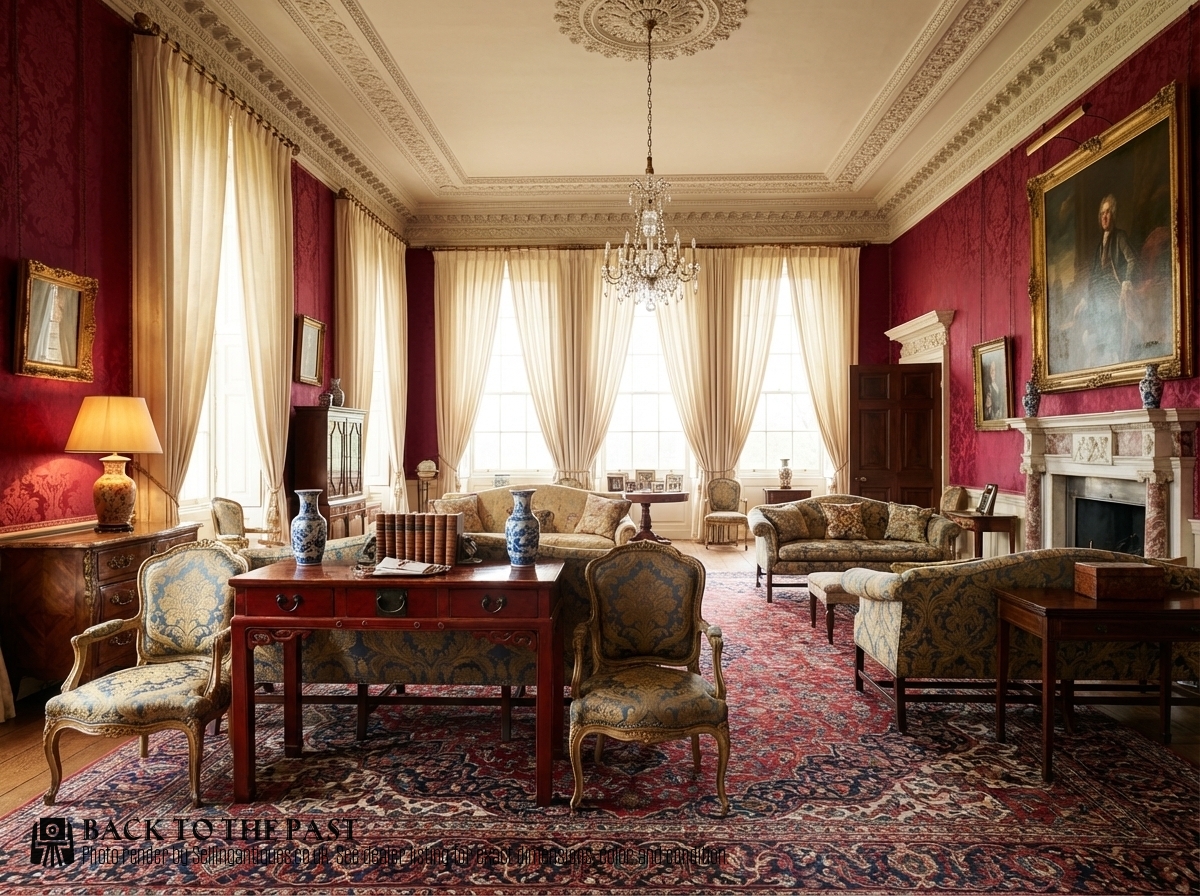
Oriental Writing Desk
An oriental writing desk encompasses various forms designed for correspondence and storage, frequently emerging as writing tables, bureaux, and bureau bookcases. These pieces bridge utilitarian function and elaborate decorative arts, drawing from specific historical periods such as the Georgian era, the Victorian period, and the early twentieth century.
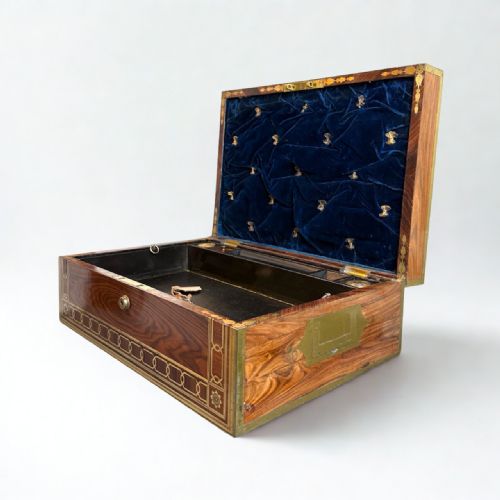
The pieces on this page lean heavily towards nineteenth-century craftsmanship, alongside Georgian and early twentieth-century examples. Buyers will encounter forms ranging from compact writing boxes and writing tables to pedestal desks and bureau bookcases.
Stylistically, these desks draw from traditions including Chinoiserie, Chinese export work, the Meiji period, and Qing dynasty aesthetics. Regional Chinese and Japanese workshops produced much of the work seen here, utilising local hardwoods and distinctive decorative techniques.
How they were made
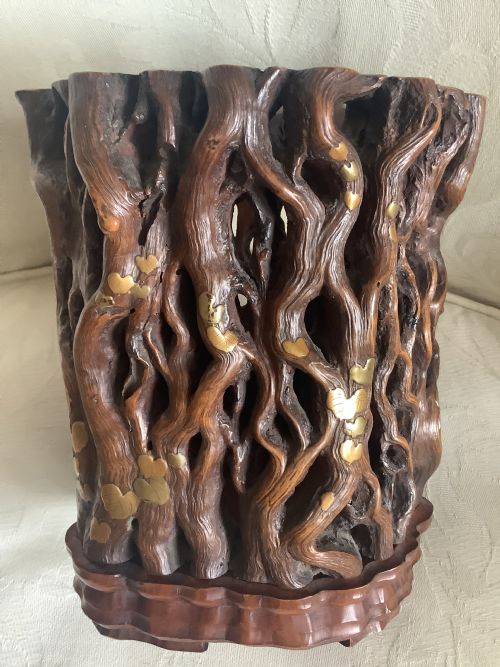
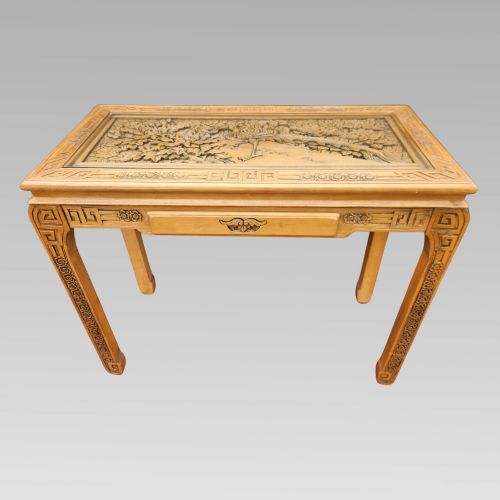
Makers utilised dense timbers such as rosewood, padouk wood, elm, and general hardwoods alongside bamboo for structural integrity and fine carving. These woods provided a stable canvas for complex surface treatments.
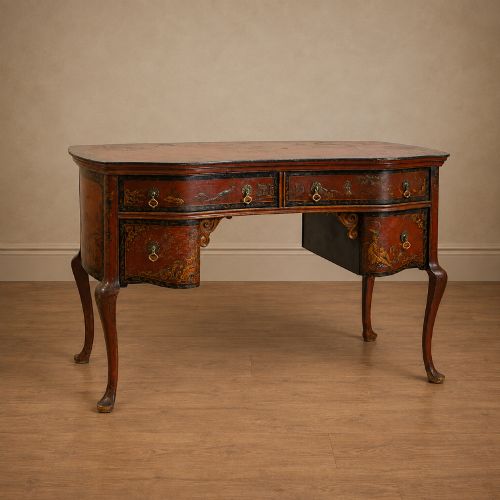
Surface ornamentation relied heavily on black lacquer, red lacquer, and gilt work, often finished with Chinoiserie motifs. Brass hardware, glass elements, and cold-painted bronze details further accented the primary wooden structures.
A tiny bronze man writing by a table sits ready to inspire your own correspondence.
What varies in quality
The sophistication of the carved detail and the depth of the lacquer work dictate the upper tiers of quality. Finer examples display crisp, intricate carving in hardwood and smooth, meticulously layered lacquer finishes.
Construction methods and timber selection also separate standard pieces from exceptional ones. Dense, heavy woods like padouk and rosewood, combined with robust joinery, indicate superior workshop origins.
Franz Bergman·Viardot·Liberty
The Oriental Writing Desk Glossary
- Chinoiserie
- European decorative style imitating Chinese artistic traditions. It appears frequently on lacquer furniture and bureaux from the Georgian period onwards.
- Lacquer
- Protective and decorative resin finish applied in multiple layers. It forms a hard, glossy surface often decorated with gilt motifs.
- Padouk wood
- Dense tropical hardwood valued for its rich colour and durability. Makers utilised it for high-status desks and tables.
- Bureau bookcase
- Combined writing desk and shelving unit with doors. These large pieces often feature elaborate lacquer and gilt decoration.
Oriental Writing Desk: Frequently Asked Questions
How do I date an oriental writing desk?
Dating relies on identifying the underlying timber, construction methods, and stylistic markers such as Victorian proportions or Georgian bureau forms. Examining the lacquer technique and hardware also helps narrow the production era.
Secondary clues include label remnants or distinctive regional characteristics from Chinese export or Japanese Meiji workshops.
Where were these desks made?
Production spans workshops in China and Japan, alongside European makers producing Chinoiserie pieces. Chinese export items and Japanese hardwood desks reflect regional craftsmanship of the nineteenth and early twentieth centuries.
European firms also created Japanned and Chinoiserie pieces locally, influenced by Asian aesthetic traditions.
How do I care for lacquer surfaces?
Lacquer requires gentle dusting with a soft, dry cloth to prevent scratching the delicate finish. Avoid direct sunlight and moisture to protect the surface from cracking or fading.
Keep humidity levels stable in the room where the desk sits to preserve both the wood and the lacquer layers.