


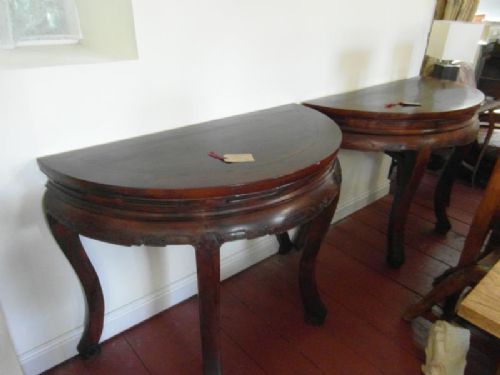
Qing Style Console Table
A qing style console table brings balanced proportions and traditional woodwork into a room, offering both practical surface area and historic character.
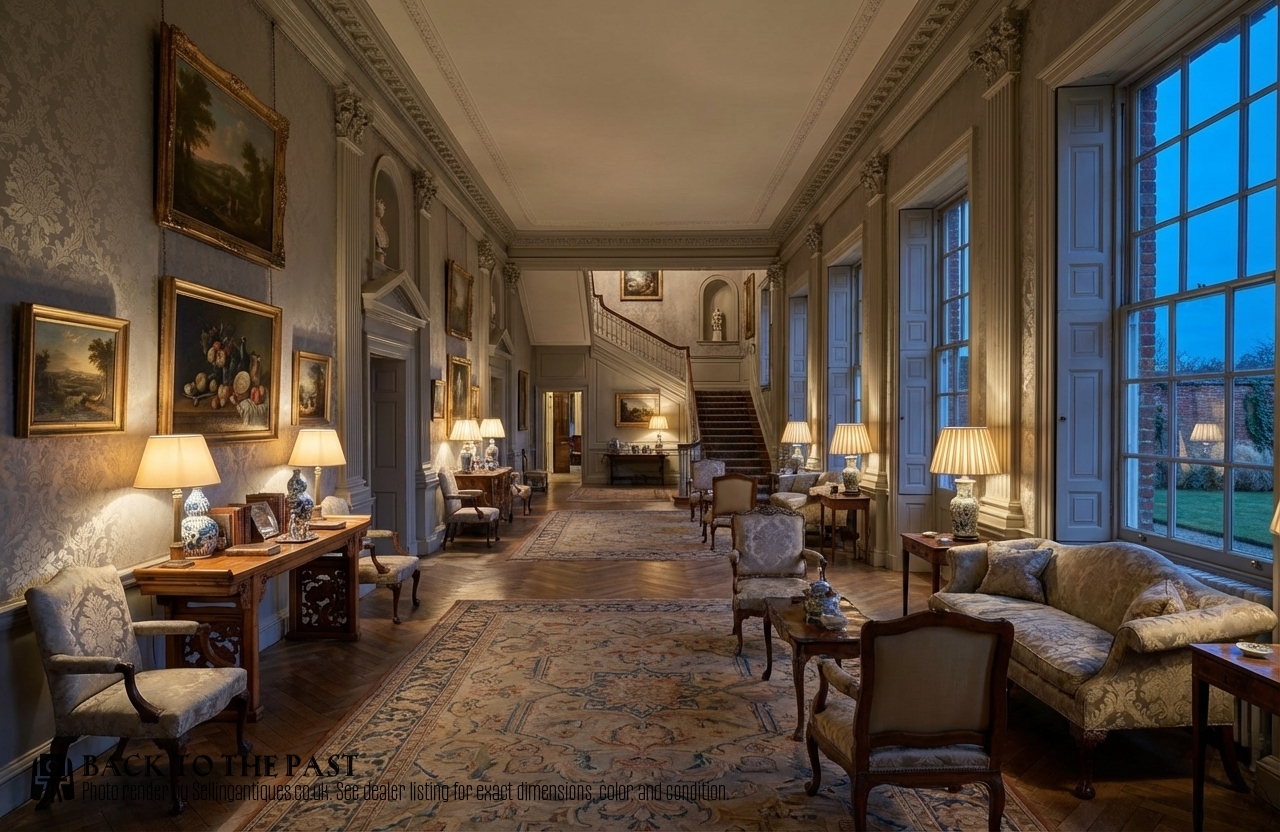
Qing Style Console Table
When you search for a qing style console table, you are looking at sturdy architectural timber pieces designed with traditional Chinese joinery and balanced proportions. The listings on this page span the eighteenth, nineteenth, and early twentieth centuries, capturing forms ranging from side tables to altar tables.
You will most frequently meet elm and hardwood examples among these listings, often featuring corner legs or long rectangular surfaces. Some pieces reflect provincial workshops whilst others follow export traditions, such as red lacquer altar tables modelled on earlier Kangxi period designs.
The objects serve various functions in a modern interior, acting as narrow side tables, work tables, or striking console placements against a wall. Their forms remain rooted in historical Chinese furniture design, prioritising clean lines and functional surface space.
How they were made
The construction relies heavily on solid timber, with elm and dense dark hardwoods forming the primary structure of these tables. Artisans utilised traditional joinery methods that allowed the wood to expand and contract naturally without relying on metal fasteners.
Surface finishes range from polished natural grain to applied red lacquer, depending on whether the piece was intended for domestic utility or ceremonial display. Brass and metal accents appear selectively to reinforce corners or provide functional hardware on drawer fronts.
Some tables arrive with three drawers ready for secret stashes, proving that historic organizers knew the value of hiding household clutter.
What varies in quality
Quality rests in the density of the timber and the crispness of the joinery, separating utilitarian provincial items from finer export or domestic pieces. Hardwood and elm examples demonstrate different weights and grain patterns, while lacquer work varies in depth and preservation.
Proportion and scale dictate the visual success of each console, with larger altar tables commanding a different presence than smaller demi-lune or side variants. The integrity of the original construction and the survival of surface finishes remain central to the distinction between pieces.
The Qing Style Console Table Glossary
- Altar table
- A long, narrow table traditionally used for ceremonial purposes in Chinese homes, characterised by elevated ends or upturned flanges. They now serve widely as console furniture in contemporary spaces.
- Demi-lune
- A half-moon shaped table designed to stand flat against a wall, frequently found as pairs in traditional settings. These pieces offer a curved profile that softens linear interiors.
- Elm
- A resilient domestic timber favoured by Chinese cabinetmakers for its fibrous grain and structural stability. It takes polish well while enduring centuries of daily use.
- Lacquer
- A traditional resin finish applied in multiple layers to seal and decorate wood surfaces, often seen in red hues on export pieces. This technique provides a durable sheen that deepens over time.
- Corner leg
- A structural framing arrangement where the legs are set directly beneath the corners of the table top, ensuring maximum load-bearing strength. It defines the clean silhouette typical of classical Chinese furniture forms.
Qing Style Console Table: Frequently Asked Questions
What is a qing style console table?
These pieces are traditional wooden tables originating from or styled after Chinese furniture traditions, primarily built from elm and hardwood during the nineteenth and early twentieth centuries. They feature characteristic rectangular tops, altar forms, and sturdy corner leg construction.
Their elongated proportions make them suitable for narrow hallways, living spaces, or dining rooms where surface space is required without occupying excessive floor area.
How were altar tables used originally?
Altar tables served as ceremonial furniture within traditional Chinese households, positioned against walls to hold ancestral tablets, ritual objects, or decorative arrangements.
Over time, their striking architectural proportions transitioned into domestic interiors as functional console tables for display and storage.
How do I live with a red lacquer table?
Red lacquer furniture works well as a focal point against neutral walls, bringing warmth and historical depth to modern or traditional rooms.
Keep the surface away from direct sunlight and excessive moisture to preserve the integrity of the finish over the years.
How can I tell the difference between periods?
Dating relies on assessing the timber grain, construction wear, and the presence of export characteristics such as specific lacquer techniques or provincial joinery details.
Pieces span from eighteenth-century designs up to early twentieth-century interpretations, each reflecting the prevailing craftsmanship of its era.