








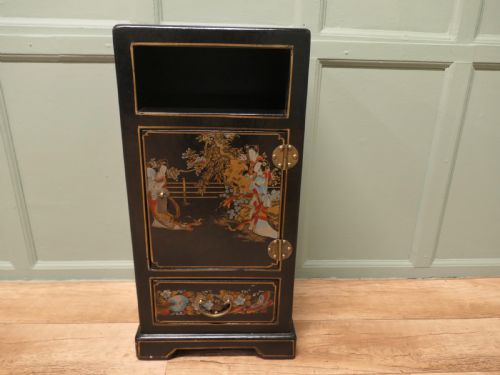
Vintage Oriental Side Table
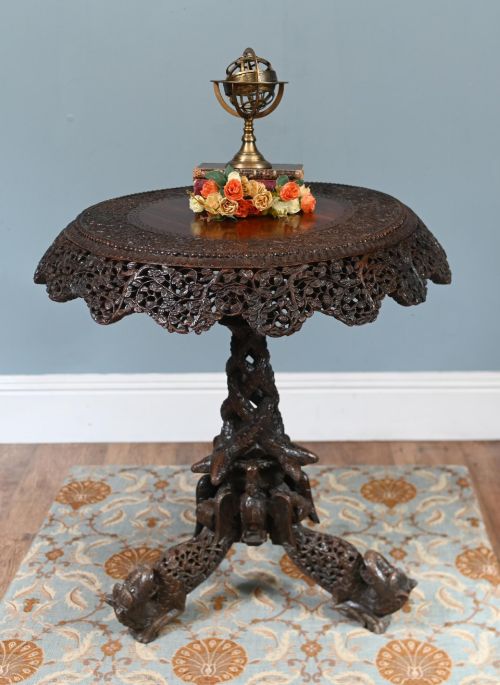
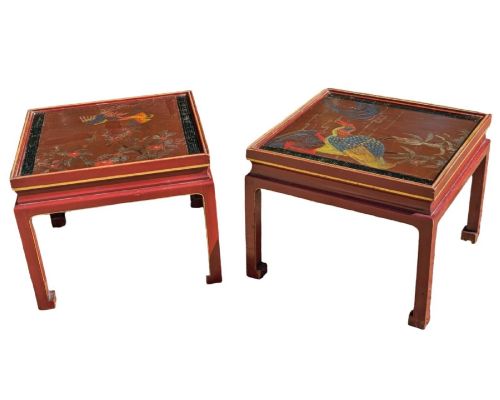
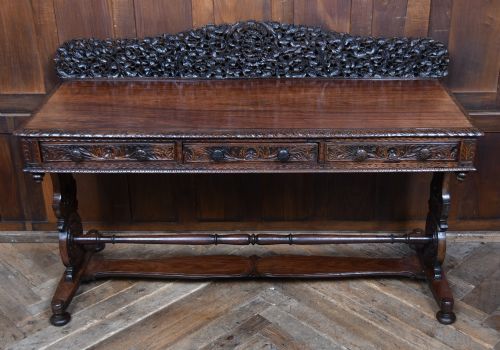
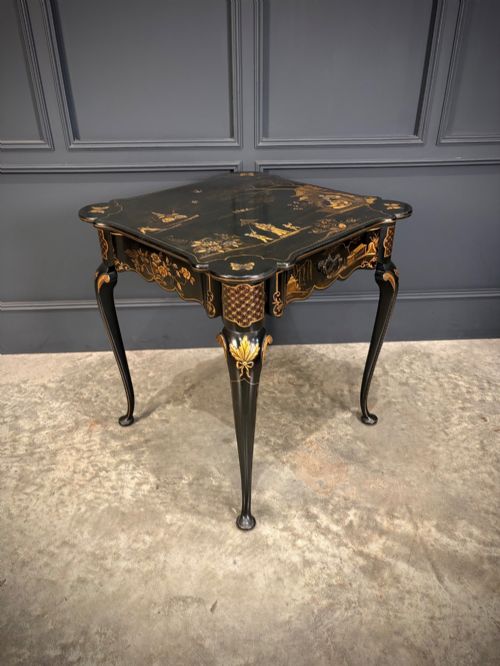
A vintage oriental side table brings dense hand-carved detail, rich lacquer, and dense hardwoods into a room.
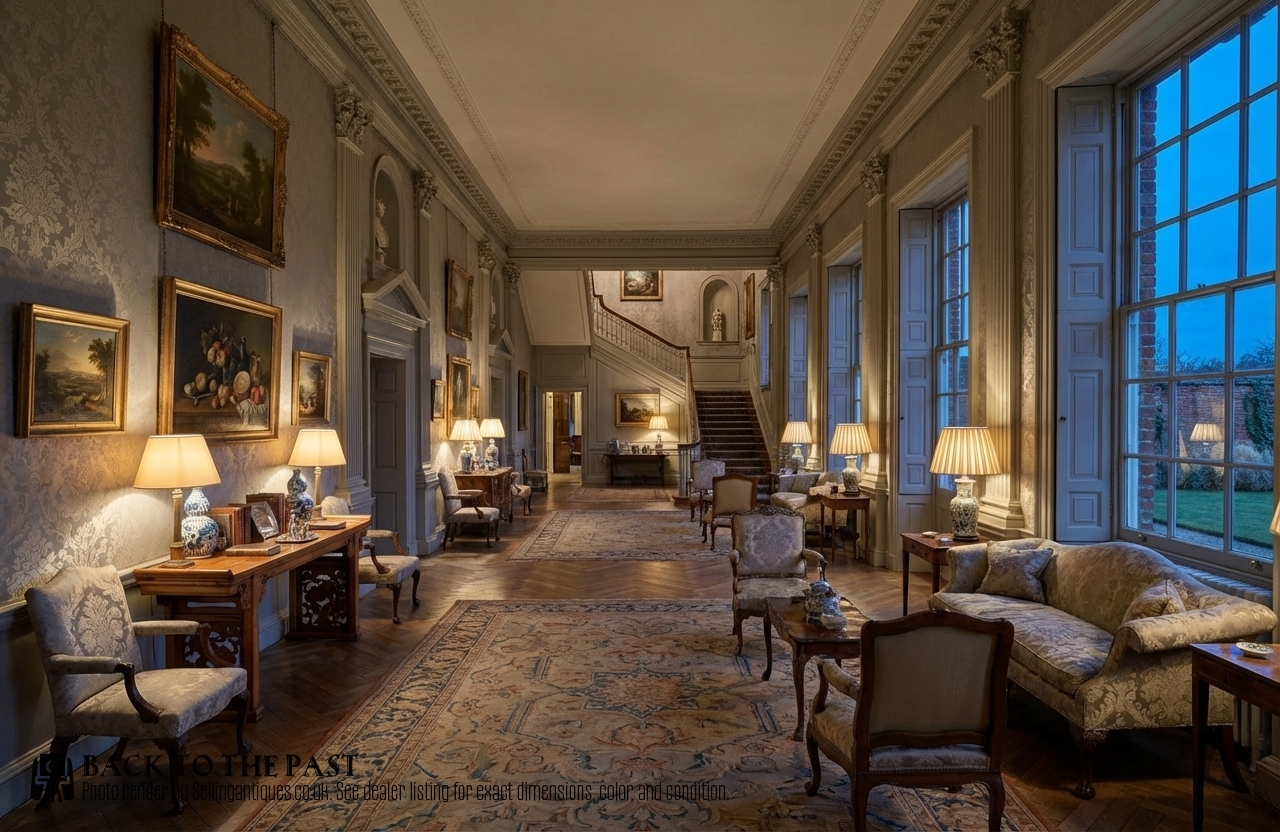
Vintage Oriental Side Table
A vintage oriental side table encompasses low coffee tables, plant stands, nests of tables, and occasional tables originating from various eastern and colonial traditions. Buyers searching this phrase look for functional pieces that introduce distinct cultural motifs and regional craftsmanship into domestic spaces.
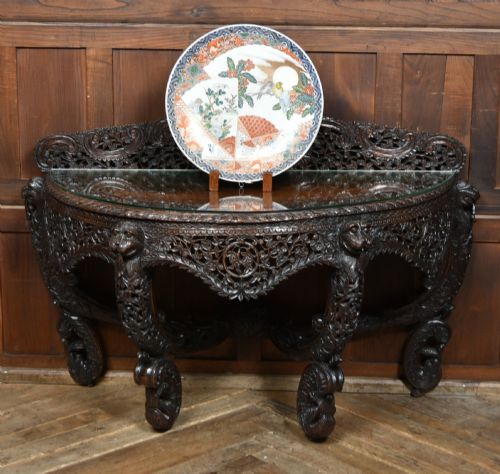
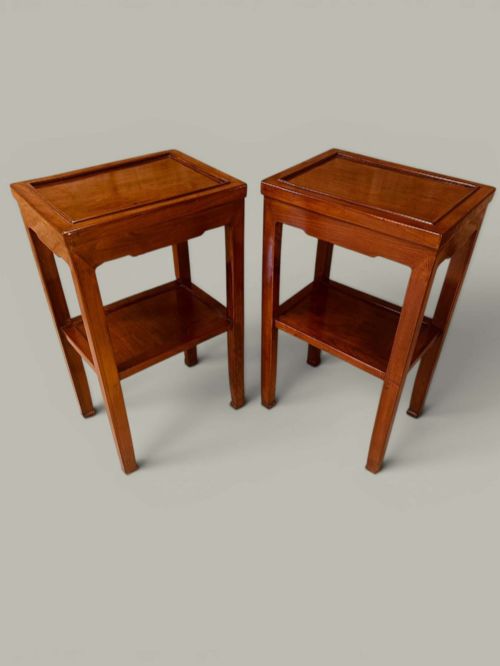
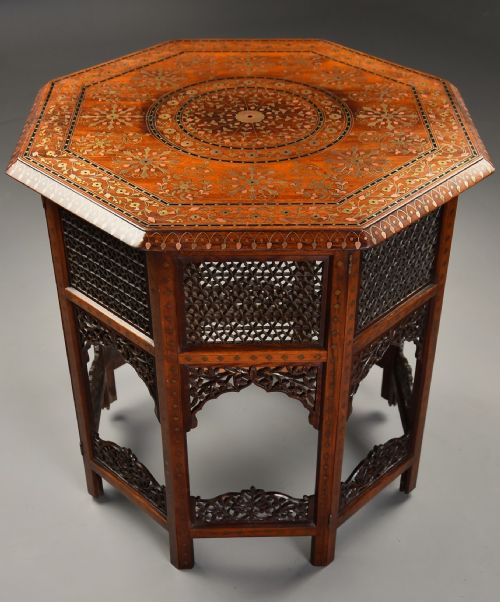
The selections span several distinct styles, including Chinoiserie, Anglo-Indian, Qing Dynasty, and Moorish Revival. These forms range from simple rustic elm surfaces to highly ornate carved hardwood structures.
Most examples date from the nineteenth and early twentieth centuries, reflecting periods of intense global trade and aesthetic exchange. Buyers encounter folding designs, tilt-top surfaces, and stationary console pieces constructed to serve practical household functions.
How They Were Made
Construction relies heavily on dense timbers such as rosewood, teak, elm, and general hardwoods, selected for stability and weight. Artisans shaped these materials using traditional joinery methods suited to the specific regional workshop traditions.
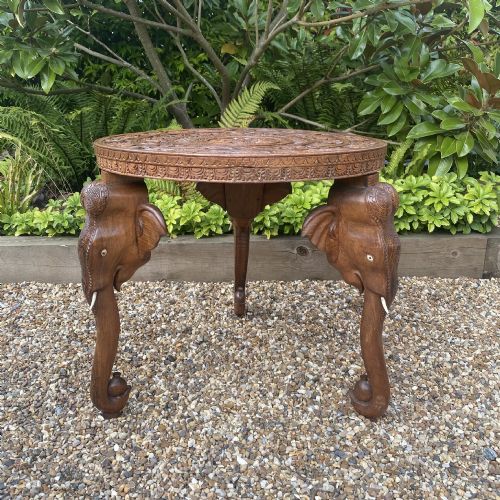
Surface ornamentation defines many pieces, incorporating hand-applied lacquer, brass inlay, bone work, and mother of pearl. Carving techniques produce deep relief depictions of flora, fauna, and geometric patterns directly into the wood.
Inlaid marble tops and cloisonné sections frequently appear inset into wooden frames to provide contrasting textures and durable functional surfaces. Painted finishes, particularly on Kashmiri and Chinoiserie items, utilise layered pigments sealed to protect the underlying decoration.
Vintage Oriental Side Table Retail Price Guide 2026
Typical asking prices for vintage oriental side table among the pieces listed under this phrase on Sellingantiques today, from the lower quarter to the upper quarter. They describe what is for sale here now, not the wider market.
Listings feature periods spanning from the Victorian era through the 1930s, alongside nineteenth-century works.
What Varies in Quality
The depth, crispness, and complexity of the hand-carved elements separate standard production from superior examples. Master carvers achieved three-dimensional relief with clean undercut details, whereas lesser pieces display shallow, mechanical incisions.
The integrity of surface decoration, such as the stability of multi-layered lacquer and the precision of bone or mother of pearl inlay, dictates the overall execution. Superior items retain flush inlays and well-preserved painted motifs without extensive later repainting.
The choice of primary material significantly influences the status of a piece, with solid rosewood and heavy hardwoods commanding higher regard than secondary softwoods. Original structural hardware and untouched surface finishes preserve the integrity expected by serious collectors.
Liberty & Co
The Vintage Oriental Side Table Glossary
- Chinoiserie
- European interpretation and imitation of Chinese artistic traditions and motifs, popular across decorative arts. This style frequently employs black or coloured lacquer decorated with gilt figures and landscapes.
- Cloisonné
- Enamelwork technique where thin metal wires form raised barriers on a metallic base to create compartments filled with coloured paste. Firing fuses the vitreous enamel to the surface.
- Jardiniere stand
- Elevated piece designed specifically to hold indoor plants or floral arrangements. These stands often feature inset marble tops to prevent water damage to the wood below.
- Anglo-Indian
- Furniture style produced in India during the British colonial period combining traditional Indian carving techniques with British furniture forms. Rosewood and teak are common timbers in this category.
- Nest of tables
- Set of graduated tables designed to stack neatly beneath one another when not in use. They became popular in various stylistic revivals during the late nineteenth and early twentieth centuries.
Vintage Oriental Side Table: Frequently Asked Questions
What woods were used in these tables?
Carpenters and joiners utilised dense timbers such as rosewood, teak, elm, and general hardwoods. These materials provided the necessary structural strength for intricate carving.
Softer woods occasionally appeared in pieces destined for painted finishes or lacquer work. The choice of timber typically aligned with the regional origin of the workshop.
How do I care for a lacquered surface?
Lacquered surfaces require protection from direct sunlight and excessive moisture to prevent fading and cracking. Dusting with a soft, dry cloth maintains the finish without abrasive wear.
Avoid using modern chemical polishes or solvents that can dissolve historical resin finishes. Wax formulations designed for antiques may be applied sparingly if the surface appears dry.
What is an occasional table?
An occasional table is a small, versatile piece designed to be moved around a room as needed. These items served functional roles for holding books, lamps, or tea.
Their lightweight construction allowed servants or residents to reposition them easily throughout domestic interiors. Forms range from folding frames to fixed pedestal bases.
How do I identify Anglo-Indian pieces?
Anglo-Indian furniture displays deep, dense carvings featuring floral scrolls, animals, or geometric patterns on heavy rosewood or teak. These pieces blend British furniture proportions with traditional Indian craft techniques.
Some items incorporate secondary materials such as bone, ivory, or brass wire inlay. Stamps from retailers like Liberty & Co sometimes confirm British import channels.
Are marble top tables heavy?
Marble top tables are considerably heavier than all-wood equivalents due to the stone insert. The heavy slab rests within a wooden rebate to provide a stable, heat-resistant surface.
This weight distribution anchors plant stands and side tables securely against tipping. Care must be taken when lifting to separate the stone top from the wooden base if unattached.