

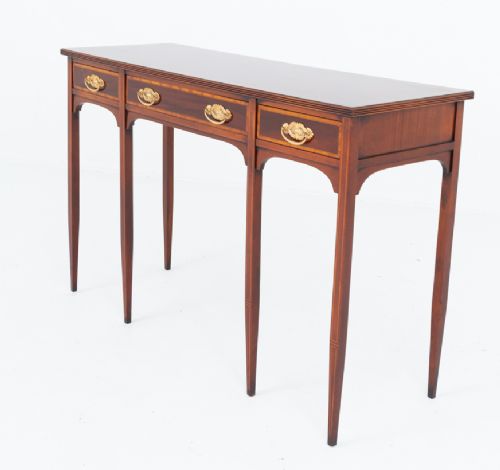
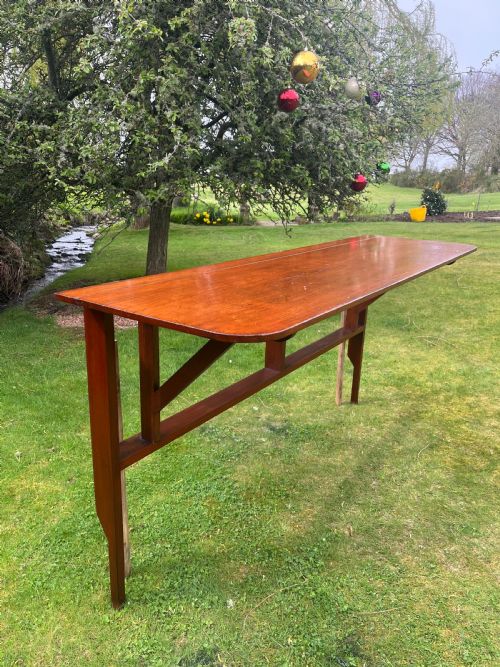


Narrow Hallway Console
A narrow hallway console sits tight to the wall, turning cramped passages into useful display space with timber and marble.
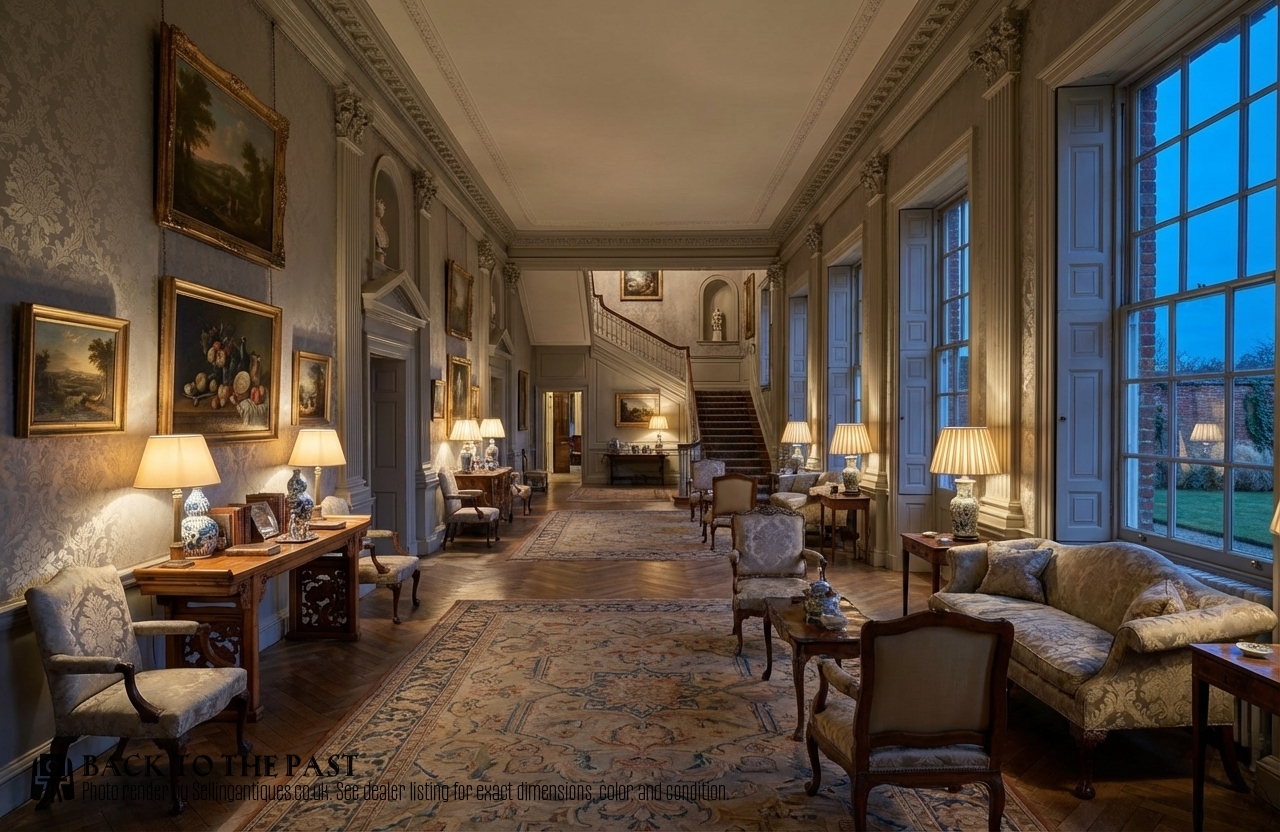
Narrow Hallway Console
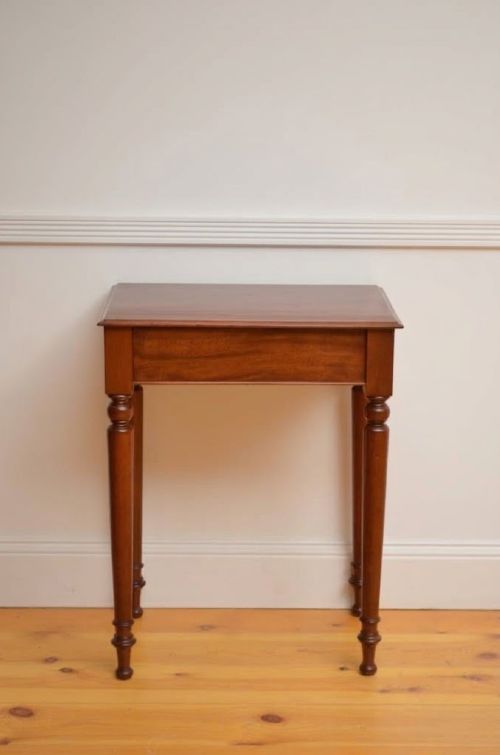
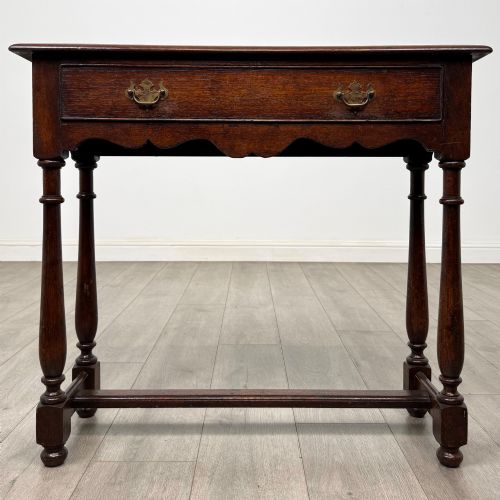
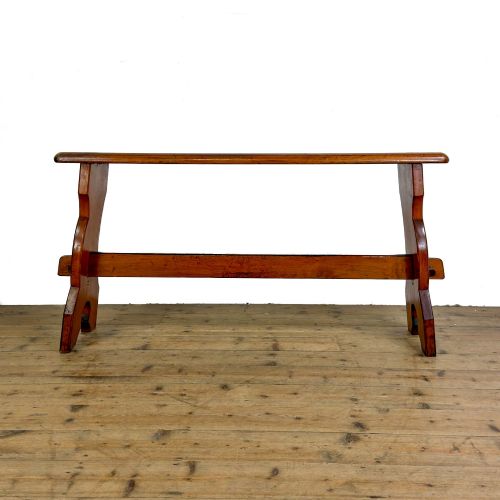
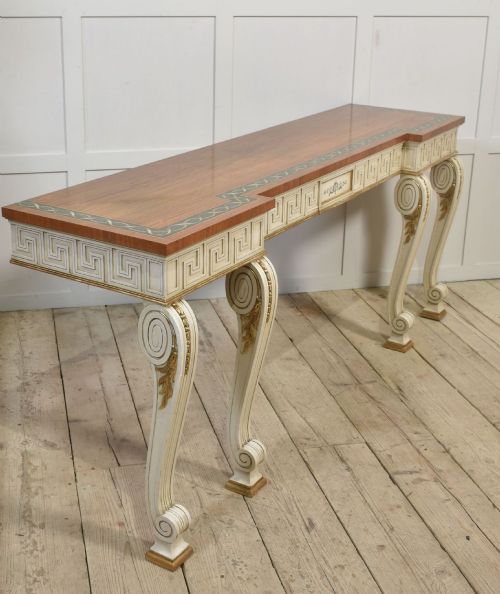
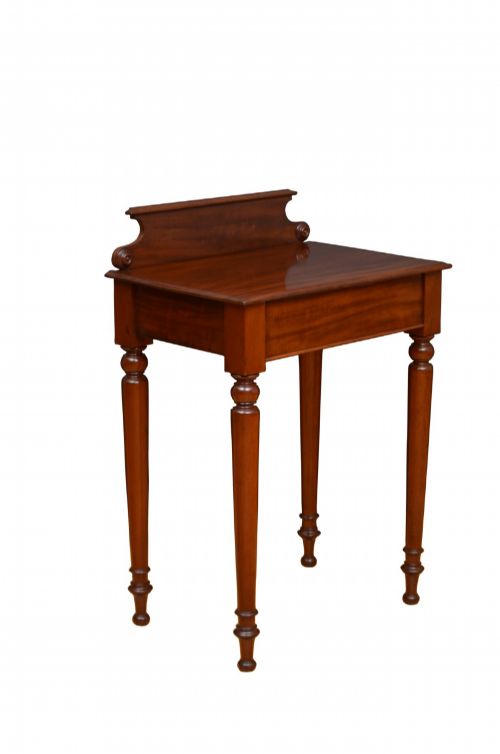
A narrow hallway console is a shallow table designed specifically to fit restricted circulation spaces like corridors and landings without blocking movement. The pieces seen here span the nineteenth century, the Edwardian era, and the nineteen-twenties, encompassing console tables, side tables, benches, hall stands, mirrors, and servers.
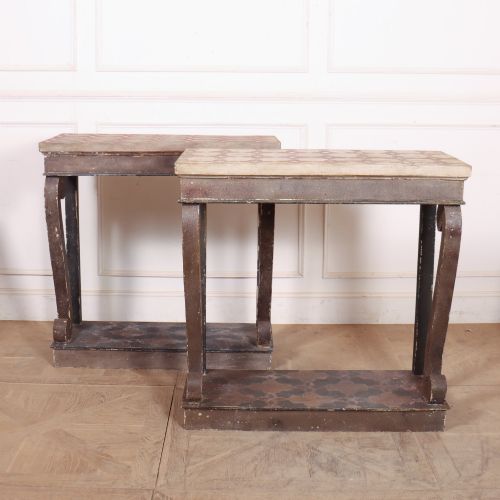
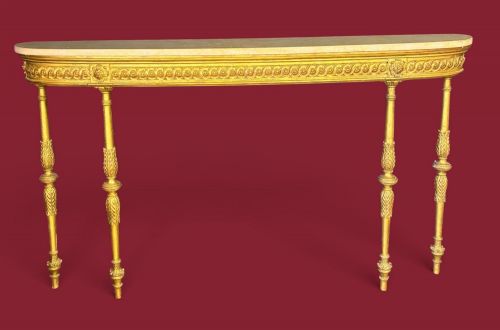
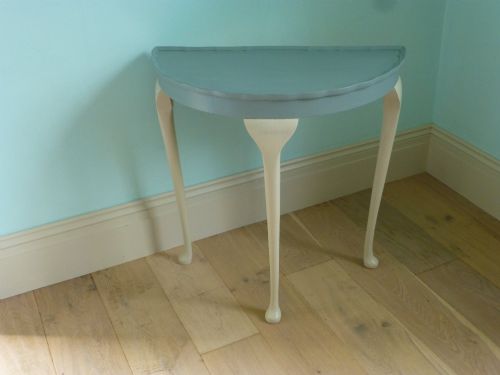
Most examples you encounter adhere to classic forms, including demi-lune shapes, rectangular side tables, and potboard servers. Regional variations range from French provincial and Spanish painted designs to English country pine and neoclassical giltwood.
Makers drew on various historical design idioms, resulting in pieces executed in Regency, Sheraton, Adam, Queen Anne, and Arts and Crafts styles. They function primarily as surfaces for lamps and letters, making them practical antiques for compact modern homes.
How they were made
Cabinetmakers relied heavily on timbers such as mahogany, oak, pine, walnut, beech, and assorted hardwoods, frequently applying paint, giltwood, or ebonisation to the surfaces. Construction methods combined sturdy mortise and tenon joints with dovetails for drawers, ensuring stability in high-traffic corridors.
Many formal and neoclassical examples feature inset marble tops, which provided a durable, cool surface that resisted stains from wet umbrellas and dropped keys. Secondary woods were selected for internal framing, whilst decorative elements often included inlaid veneers and carved mouldings appropriate to the period.
Listings feature mahogany, oak, pine, and marble across nineteenth-century and early twentieth-century periods.
What varies in quality
Quality in a narrow hallway console depends on the crispness of the timber carving, the integrity of the structural joints, and the selection of face veneers. Superior examples display thoughtful proportions where the shallow depth does not compromise stability.
The choice of finishing materials also dictates distinction, separating simple scrubbed pine utility pieces from finely polished mahogany or giltwood tables with intact marble slabs. Original hardware and uncompromised structural timber elevate an example above later alterations.
Druce and Co
The Narrow Hallway Console Glossary
- Console table
- A table designed to stand flat against a wall, frequently supported by wall brackets or front legs. These items maximise floor space in narrow circulation areas.
- Demi-lune
- A half-moon shape used for tabletops and servers. This profile allows the furniture to project minimally into a corridor.
- Potboard
- An open slatted lower shelf incorporated into the base of a table or server. It provides low-level storage for heavy domestic items.
- Giltwood
- Timber that has been coated with a thin layer of gold leaf or gilt paint. This finish catches hallway light and reflects decorative detail.
- Ebonisation
- A wood-finishing process that stains timber to resemble ebony. It was frequently used on nineteenth-century mirrors and occasional tables.
Narrow Hallway Console: Frequently Asked Questions
Will a narrow console fit my hallway?
These tables are deliberately built with shallow depths to occupy minimal floor space in confined corridors and entryways.
Measuring your available clearance against the dimensions listed for each individual piece ensures safe passage past the furniture.
How were these tables used originally?
Historically, hallways served as transitional zones where residents placed calling cards, letters, and small lamps.
Today, they perform the exact same function while offering a surface for decorative objects and everyday parcels.
Can I use a marble top in a busy hall?
Marble provides a hard, resilient surface that tolerates dropped keys and damp items far better than polished timber.
Wiping the stone occasionally with a damp cloth keeps the surface clean without requiring specialised maintenance.
How do I identify the period of a console?
Period markers include construction techniques, timber selections, and stylistic details such as neoclassical carving or Edwardian inlay.
Comparing the overall build to documented historical furniture styles clarifies the likely decade of manufacture.