
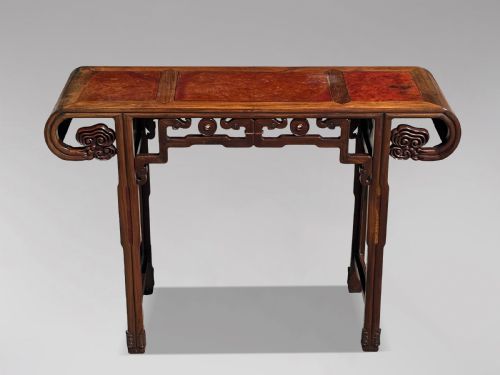


Chinese Hallway Side Table
A chinese hallway side table brings striking architectural presence and centuries of craftsmanship straight into your home.
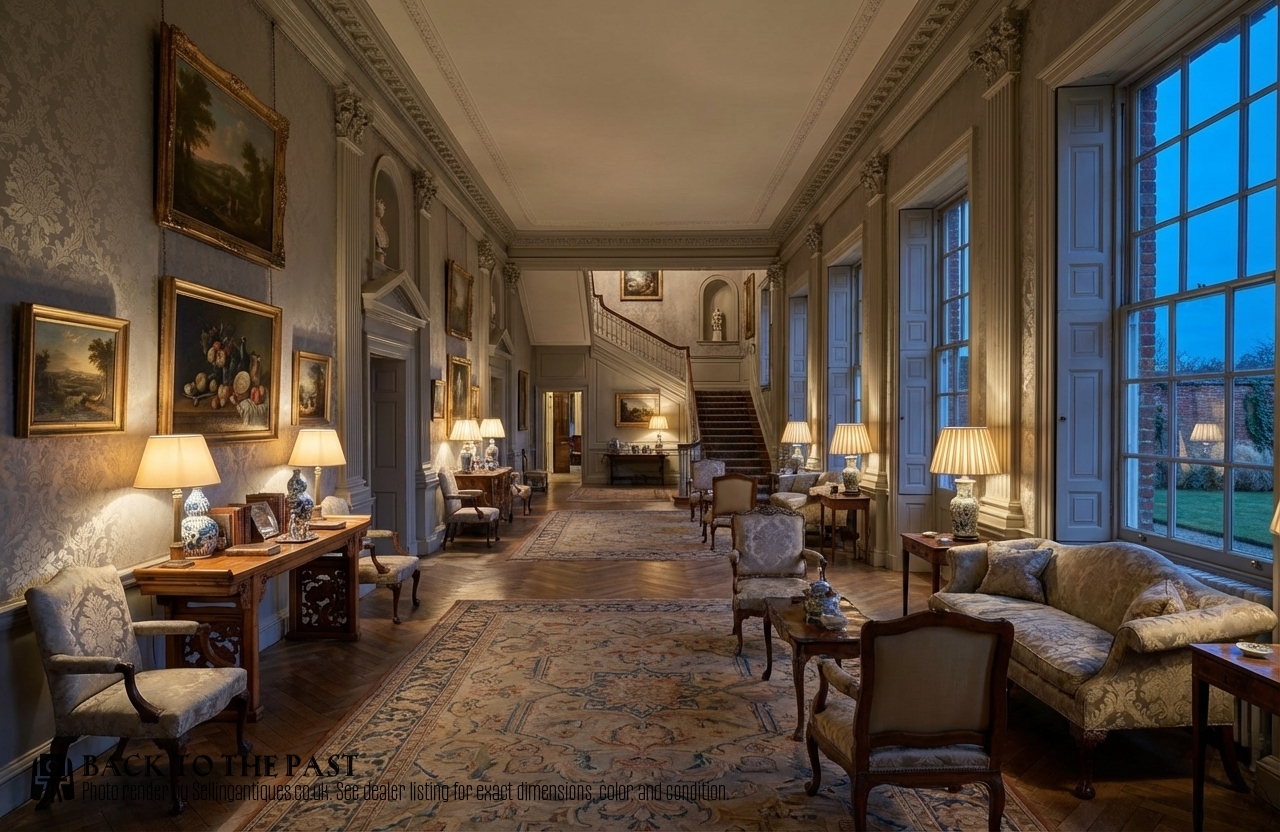
Chinese Hallway Side Table
When buyers search for a chinese hallway side table, they are looking for substantial console and altar tables designed to anchor narrow spaces. The pieces appearing here predominantly span the nineteenth century and the Qing dynasty, taking the form of rectangular console and altar tables.
Materials and construction methods
Carpenters relied heavily on dense native timbers such as elm, hongmu, amboyna wood, and general dark hardwood to build these resilient frames. Joinery was executed with exceptional precision, allowing wooden components to interlock securely without relying on modern fasteners.
Surface treatments range from clear finishes that celebrate natural wood grain to vibrant red lacquer applications. Elaborate carving frequently defines the aprons and legs, transforming functional furniture into sculptural works of art.
Listings span the nineteenth century and the early twentieth century, featuring elm, hongmu, amboyna, and red lacquer.
Assessing quality in chinese hallway side tables
Superior examples distinguish themselves through the selection of dense, heavy hardwoods and the crispness of their hand-carved detailing. Finer pieces maintain structural integrity and balanced proportions, whereas simpler provincial versions prioritize utility over ornamental carving.
The condition of original lacquer finishes and the complexity of the joinery further separate everyday utility items from masterwork pieces created during the Qing dynasty.
The Chinese Hallway Side Table Glossary
- Altar table
- A traditional rectangular table featuring upturned ends or flanged flanges, originally designed for ritual use before transitioning to domestic hallways. These pieces offer narrow profiles suited for modern corridors.
- Console table
- A wall-mounted or freestanding table designed to sit flat against a vertical surface in a hallway or reception room. They provide narrow surface areas for lamps and decorative objects.
- Hongmu
- A translation meaning red wood, referring to a category of dense and durable tropical hardwoods prized by traditional furniture makers. It develops a rich patina over decades of use.
- Qing dynasty
- The final imperial dynasty of China, spanning from the seventeenth to the early twentieth century. Furniture from this era is celebrated for elaborate carving and refined forms.
- Chinoiserie
- European artistic styles reflecting Chinese artistic influences, particularly popular during the eighteenth and nineteenth centuries. British makers reinterpreted these motifs in mahogany.
Chinese Hallway Side Table: Frequently Asked Questions
Where should I put a chinese hallway side table?
These narrow tables suit entrance halls, corridors, and narrow passageways where floor space is limited. Their shallow depth allows them to sit flush against walls without obstructing movement.
They also function well behind sofas or as statement side tables in living rooms, providing display space for lighting and ceramics.
How do I care for antique wood furniture?
Maintain stable indoor humidity levels and keep wooden and lacquered surfaces away from direct sunlight and heat sources. Regular dusting with a soft, dry cloth prevents particulate accumulation.
Apply specialised beeswax sparingly to untreated hardwood surfaces to nourish the timber, avoiding synthetic polishes that leave harmful buildup.
What is the difference between console and altar tables?
Altar tables traditionally feature distinctive upturned flanges at the short ends and elongated rectangular proportions derived from temple furnishings. Console tables generally feature flat tops designed specifically to stand against walls.
Over time, these functional distinctions blurred, and many pieces combine characteristics of both forms.
How do I identify Qing dynasty pieces?
Look for dense tropical hardwoods, traditional mortise and tenon joinery, and deep relief carvings depicting traditional motifs. Nineteenth-century examples often display the characteristic patination of aged timber.
Provincial pieces tend to use simpler timbers like elm with restrained decorative carving compared to imperial or urban workshops.
Can these tables support heavy items?
Solid hardwood construction makes these tables remarkably sturdy and capable of supporting lamps, heavy books, and large ceramic vessels. The robust joinery distributes weight evenly across the frame.
Provincial elm and lighter hardwood versions remain structurally sound for everyday hallway use.