







Carved Timber Hall Table
A carved timber hall table is a stately entrance piece that anchors an interior with rich grain and hand-wrought detail.
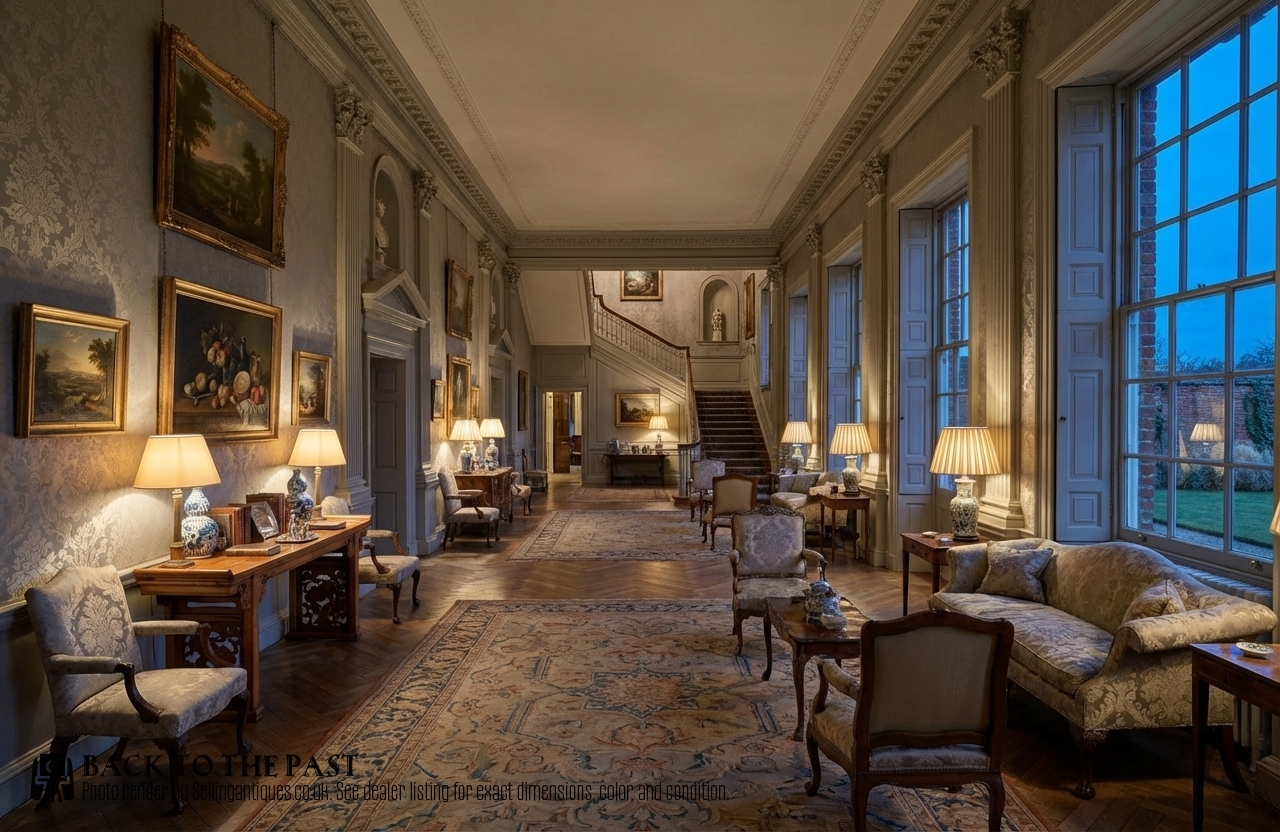
Carved Timber Hall Table
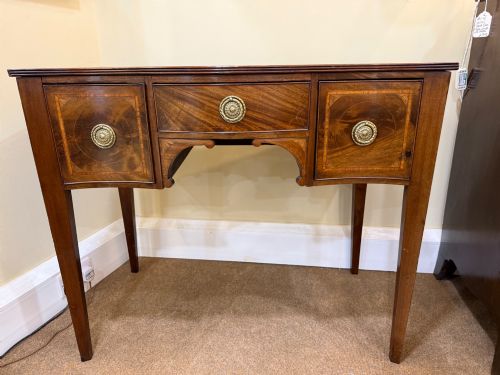
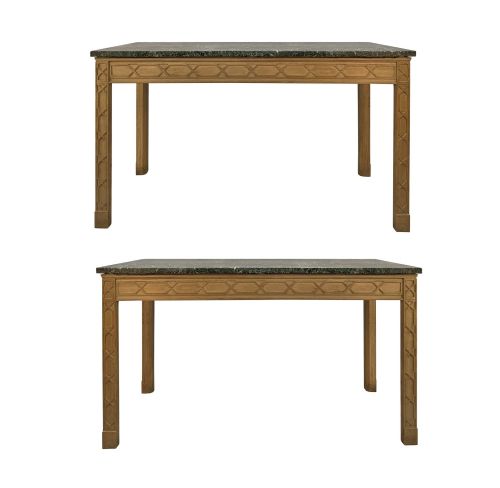
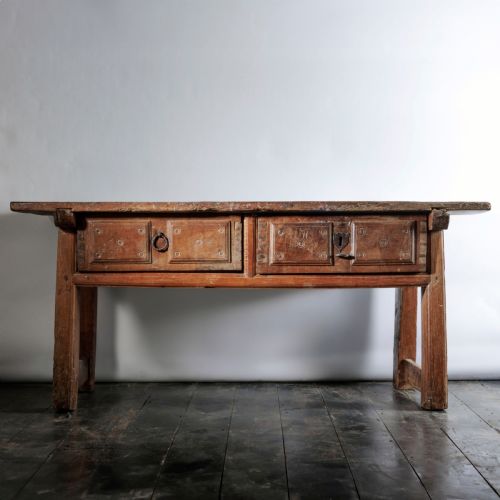
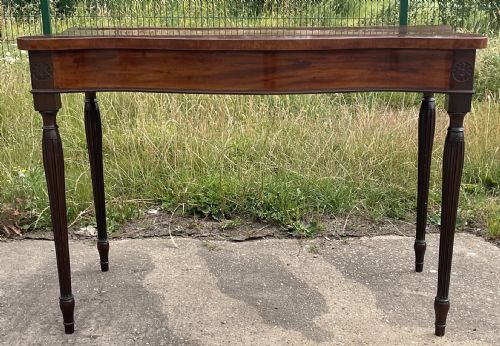
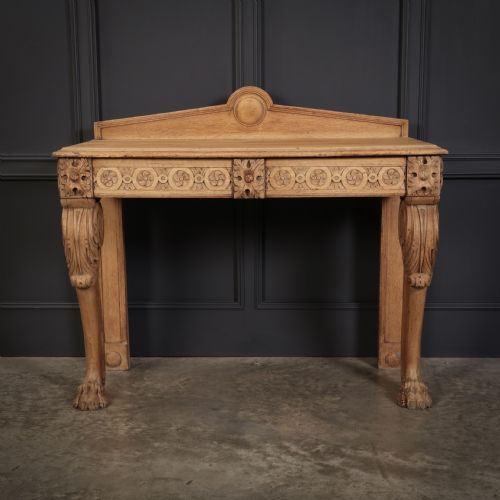
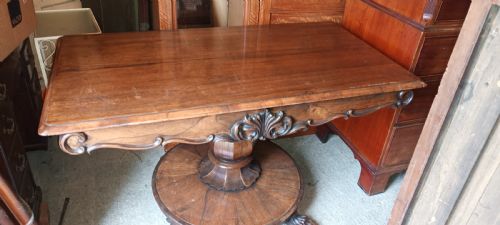
A carved timber hall table serves as a functional and decorative focal point for an entranceway, utilising surface area for display while introducing period character. When searching for a carved timber hall table, buyers encounter formats ranging from slender console tables and lowboys to side tables and serving pieces.
The selections span numerous historic eras, notably the eighteenth and nineteenth centuries, alongside Edwardian examples and specific regional interpretations such as Chinese altar tables and Anglo-Indian designs. These pieces often feature specific architectural layouts like serpentine fronts, demi-lune shapes, or freestanding centre tables designed for versatile placement.
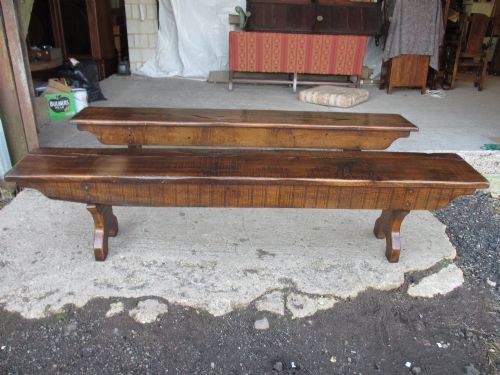
Makers and designers from past centuries drew upon established idioms like the Georgian, Regency, Victorian, and Adams design styles to shape timber into robust benches, desks, and console forms. Such tables bridge utilitarian hallway storage and fine furniture craftsmanship, utilising woods like mahogany, oak, rosewood, and fruitwood.
Materials and construction methods
Cabinetmakers constructed these tables using a variety of dense hardwoods including mahogany, oak, rosewood, elm, and padouk, selected for their structural integrity and grain pattern. Secondary surfaces or specific regional items frequently incorporated painted wood, pitch pine, or fruitwood, reflecting local timber availability.
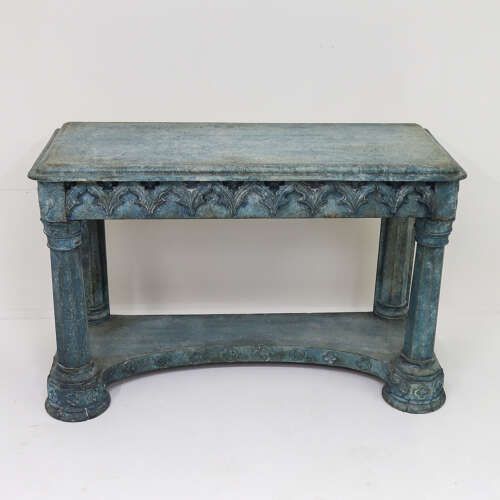
Joinery techniques relied on traditional hand-tool methods to frame tops, attach legs, and stabilise trestle ends or serpentine skirts. Artisans then applied manual carving techniques directly to the timber, rendering intricate motifs, Gothic details, or restrained geometric borders.
Carved Timber Hall Table Retail Price Guide 2026
Typical asking prices for carved timber hall table among the pieces listed under this phrase on Sellingantiques today, from the lower quarter to the upper quarter. They describe what is for sale here now, not the wider market.
One unexpected Anglo-Indian table brings padouk timber and stylish form directly from distant trade routes into the British hallway.
Evaluating craftsmanship and execution
Superior examples display crisp, deeply articulated hand carving that retains sharp edges and demonstrates confident control over the timber medium. Lesser pieces often exhibit softer detail, shallower relief, or mechanical tooling that lacks individual artisanal expression.
The choice and figuring of the timber significantly influence the standing of a piece, with richly grained rosewood, figured mahogany, and patinated oak holding higher regard than plain or heavily masked surfaces. Original hardware, consistent surface wear, and structural cohesion without excessive modern intervention also distinguish finer specimens.
Hicks of Dublin
The Carved Timber Hall Table Glossary
- Console table
- A table designed to stand against a wall, frequently secured to it or supported by two front legs and brackets.
- Lowboy
- A small eighteenth-century dressing table or side table featuring one or more drawers beneath the surface.
- Serpentine
- A curved line or shape featuring a convex centre flanked by concave ends, common on eighteenth and nineteenth-century cabinet fronts.
- Demi-lune
- A half-moon shape used for console and hall tables designed to sit flat against an entrance wall.
- Padouk
- A heavy, durable tropical hardwood with a reddish hue utilised in Anglo-Indian and colonial furniture production.
Carved Timber Hall Table: Frequently Asked Questions
Where should I place a hall table?
These tables traditionally sit against an entrance wall to provide a surface for keys, correspondence, and decorative objects upon entering a home.
Their shallow depth allows them to occupy narrow hallways or corridors without obstructing movement through the space.
How do I identify an eighteenth-century table?
Look for traditional hand-cut joinery, timber patination acquired through decades of use, and specific stylistic markers like Georgian proportions or Chippendale carving.
Examining the underside and drawer construction often reveals the manual methods typical of earlier workshops.
What is the difference between a console and a side table?
Console tables were historically designed to stand flat against a wall, sometimes requiring structural wall fixings for absolute stability.
Side tables generally stand freely on four legs and can move easily to different positions within a room.
How do I care for antique timber furniture?
Keep wooden surfaces away from direct sunlight and extreme temperature fluctuations to prevent the timber from drying out or splitting.
Apply traditional beeswax periodically to nourish the grain and maintain the natural patina of the wood.