
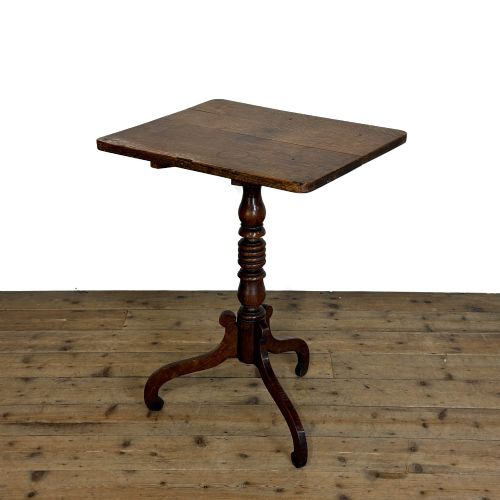

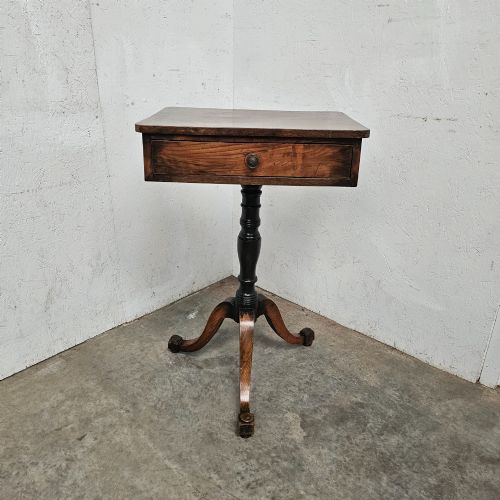
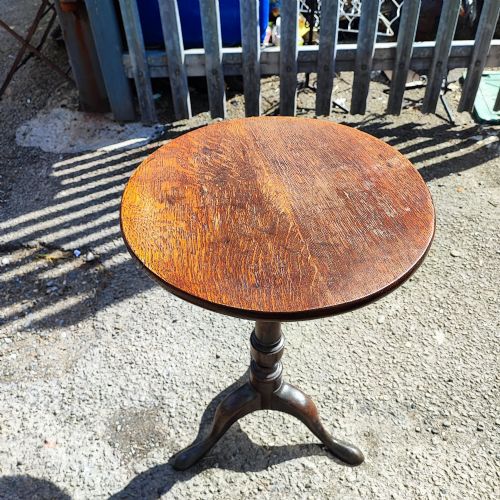
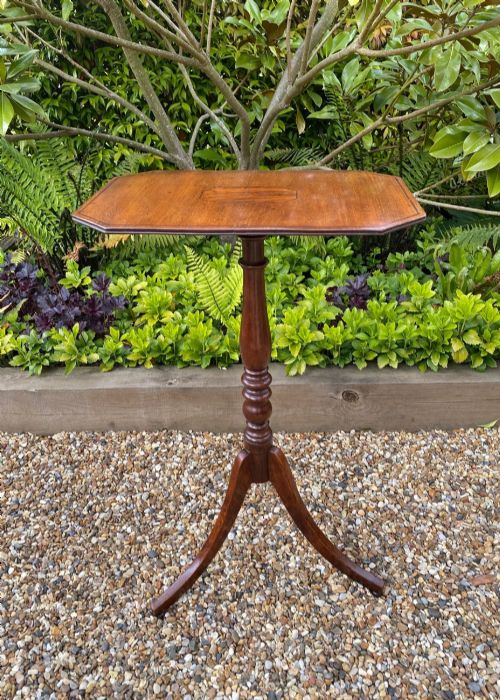
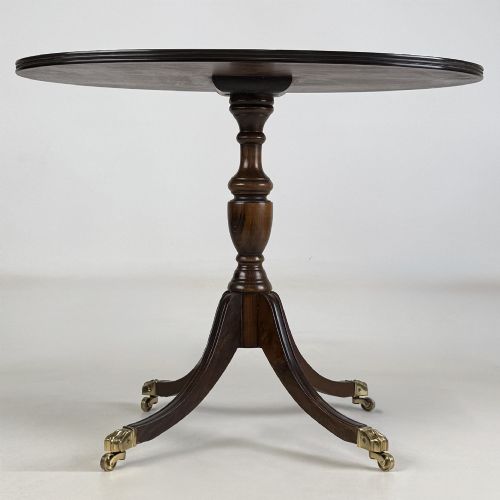
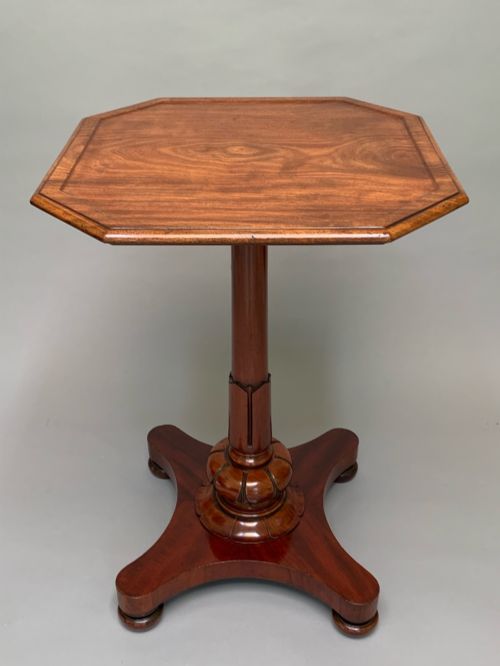
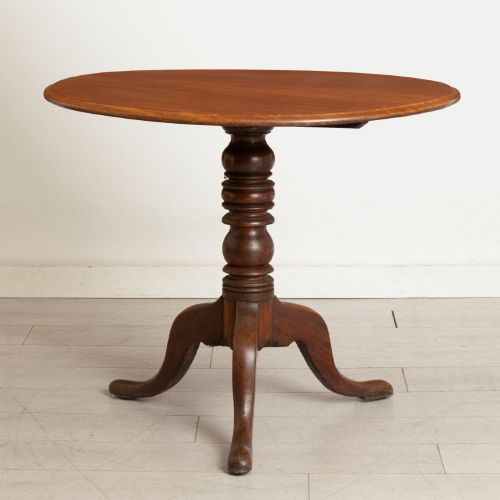
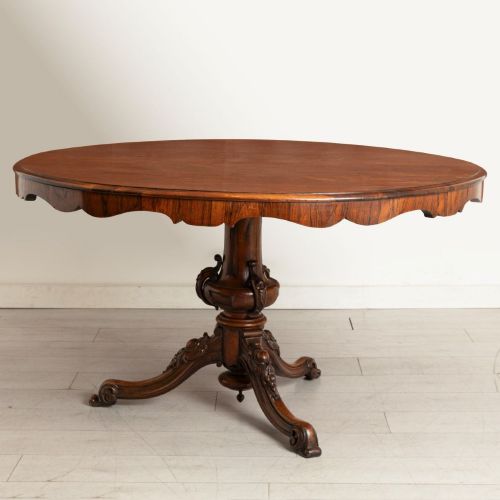
Turned Pedestal Table
These turned pedestal table pieces combine sturdy central columns with practical timber surfaces, offering timeless utility and classic proportions for any interior.
What They Are
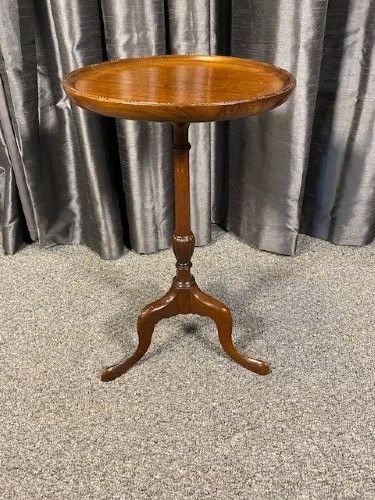
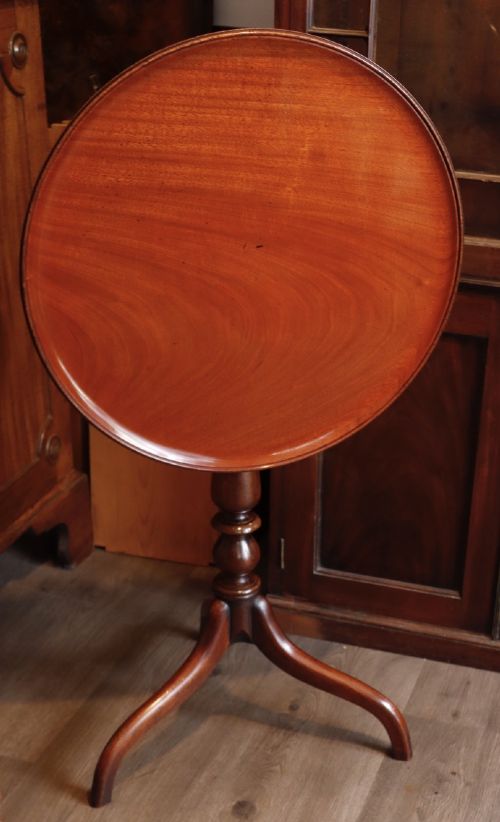
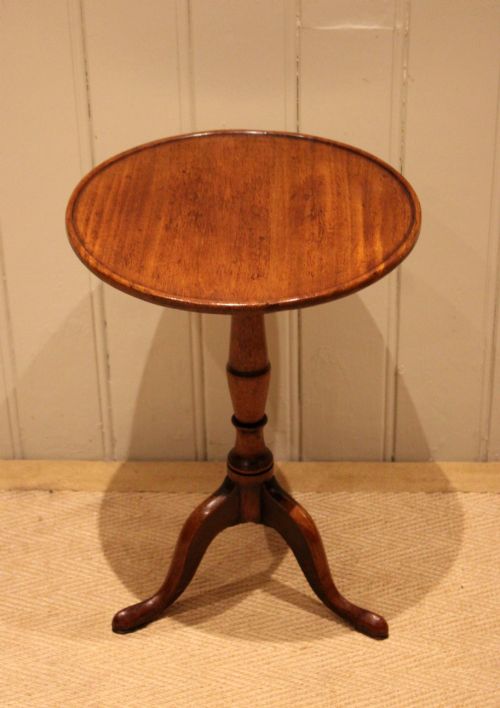
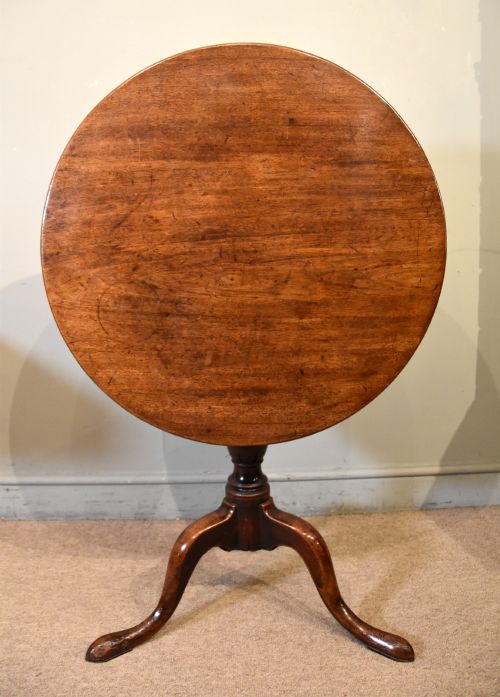
A turned pedestal table brings together a central vertical support and a rounded or shaped top, designed for versatile placement around the home. When exploring this turned pedestal table selection, buyers encounter practical occasional surfaces, compact wine tables, and larger tilt-top breakfast designs.
The available examples span several distinct eras, incorporating Victorian, Edwardian, and Georgian periods alongside nineteenth-century craftsmanship. Common forms include tripod bases, tilt-top mechanisms, and oval surfaces suited for daily use as side tables or occasional display pieces.
How They Were Made
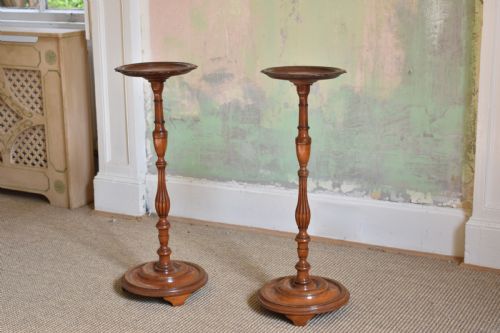
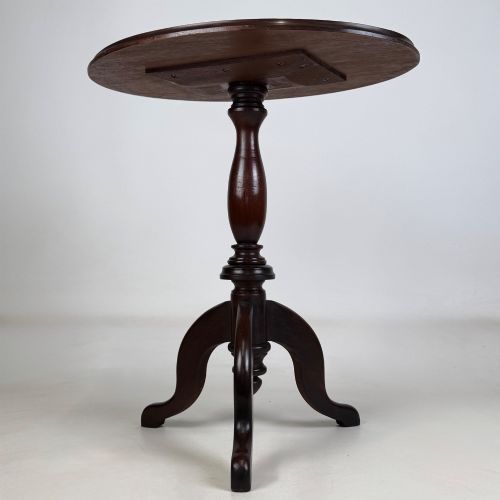
Maker construction relies on traditional hardwoods such as mahogany, walnut, and pine, selected for structural stability and rich grain patterns. Timber components are shaped carefully on lathes to create the characteristic turned columns that support the upper surfaces.
Many historical examples incorporate functional metal elements, including brass fittings on tilt-top mechanisms or stabilizing hardware beneath the tripod bases. Joinery techniques prioritize secure vertical alignment, ensuring the central pedestal bears the weight of the tabletop effectively.
Retail Price Guide 2026
Typical UK retail prices for turned pedestal table, calculated from the Sellingantiques database of over a million retail prices indexed since 2003. This retail price guide relies exclusively on Sellingantiques data; no external sources or auction records are used, so the figures do not describe the wider market.
Historical periods represented in the archive and current inventory span Victorian, Edwardian, Georgian, and Regency styles.
What Varies in Quality
Superior examples demonstrate refined turning work on the central column, where proportions remain balanced and details are crisp rather than coarse. The choice of timber also dictates grade, with finely figured mahogany or walnut commanding greater visual presence than utilitarian pine.
The mechanical execution of tilt-top or tripod joints separates standard utility items from finer parlour pieces. A well-fitted mechanism operates smoothly without excessive play in the central column, maintaining stability whether the top rests flat or tilts upright.
The Turned Pedestal Table Glossary
- Tilt top
- A tabletop hinged to the central pedestal so it can be folded vertically when not in use. This clever space-saving mechanism allowed tables to be stored flat against walls in smaller period rooms.
- Tripod base
- A support structure featuring three legs radiating from the base of the turned pedestal. This configuration provides steady contact on uneven historical flooring.
- Pedestal
- The central vertical column supporting the tabletop, often shaped with decorative turnings. It distributes weight down to the feet while defining the architectural style of the piece.
- Occasional table
- A small, movable table designed for specific, intermittent uses such as holding drinks or reading materials. These versatile pieces appear frequently across Victorian and Edwardian interiors.
Frequently Asked Questions
What is a turned pedestal table?
A turned pedestal table is a piece of furniture featuring a central vertical pillar that supports a tabletop. These items typically rest on tripod legs or a solid circular foot.
They appear in various forms across this selection, including wine tables, occasional surfaces, and larger breakfast designs from the nineteenth century.
How do tilt-top mechanisms work?
Tilt-top mechanisms use a hinged block beneath the surface attached to the top of the turned column. This allows the wooden top to pivot ninety degrees.
Historically, this design enabled the furniture to be tucked away against room perimeters when floor space was required for other activities.
Where were these tables used?
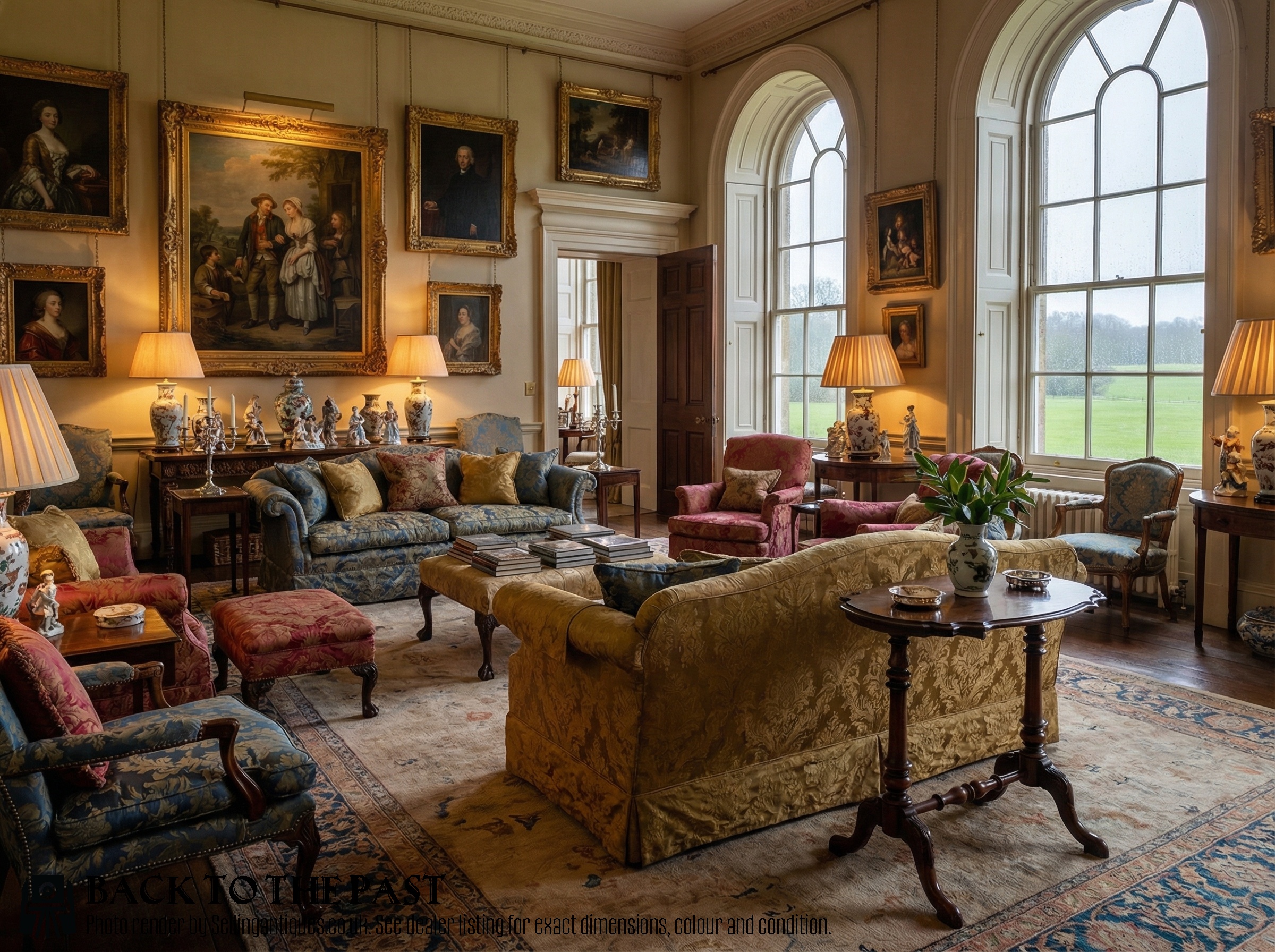
These pieces functioned as versatile furniture in drawing rooms, parlours, and dining spaces throughout the Georgian, Victorian, and Edwardian eras. Their portable nature allowed servants or residents to reposition them easily.
Today, they serve equally well beside seating or as display surfaces in hallways and living areas.
What timbers were used?
Maker workshops utilised a range of woods depending on the intended function and social tier of the piece. Mahogany and walnut appear frequently for refined parlour and dining furniture.
Pine and general hardwoods also supported everyday domestic tasks, often painted or polished according to the period style.