
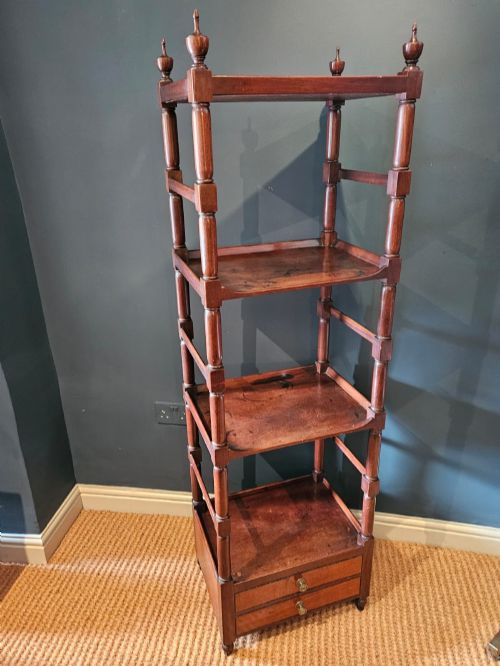
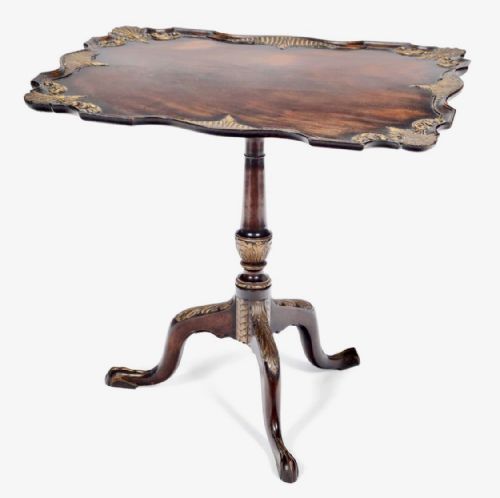
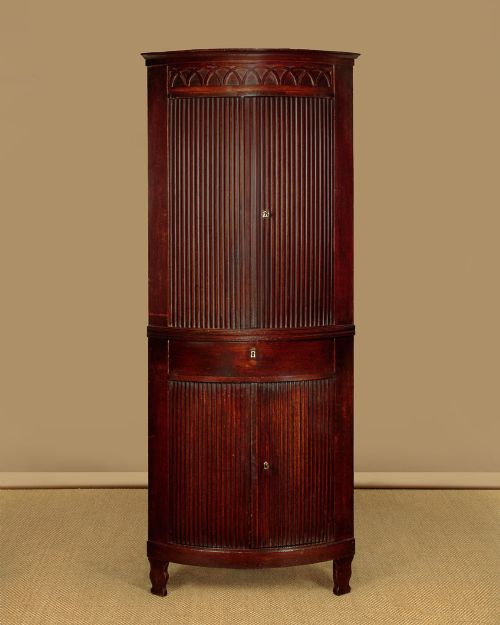
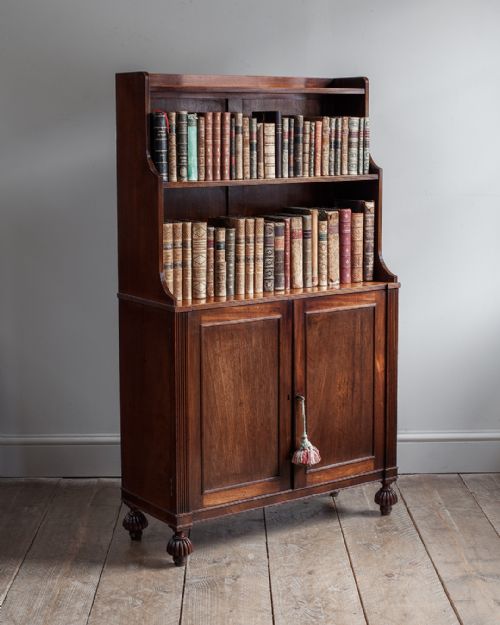

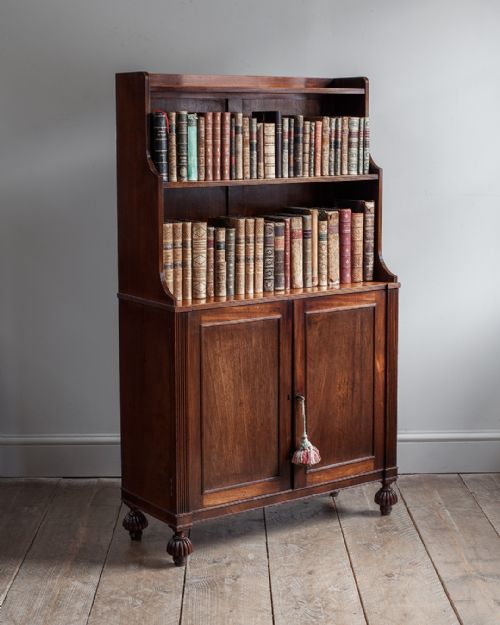
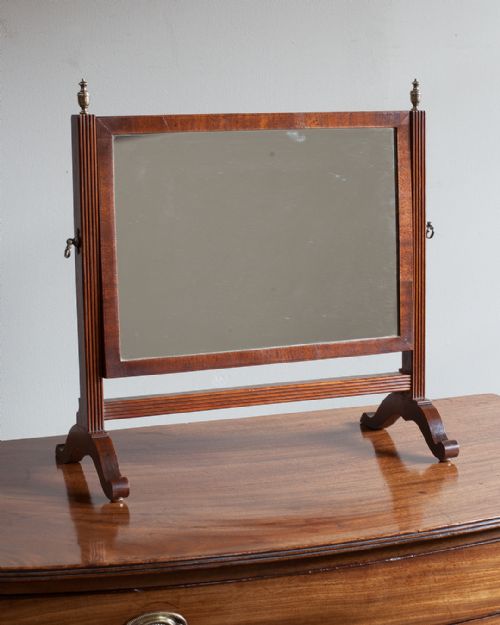
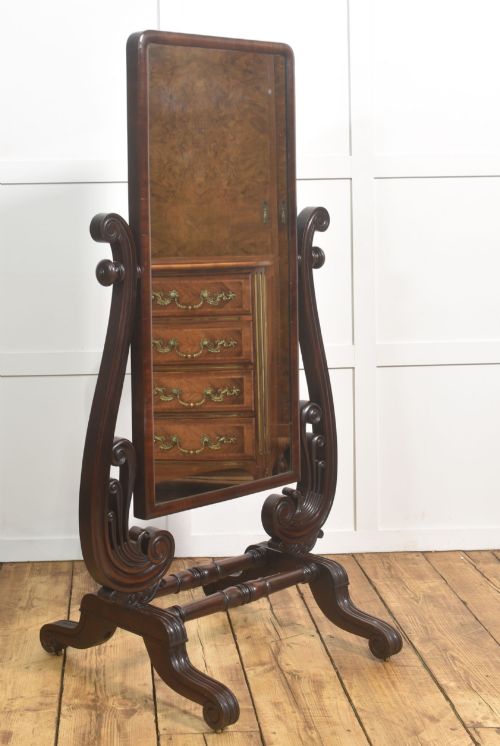
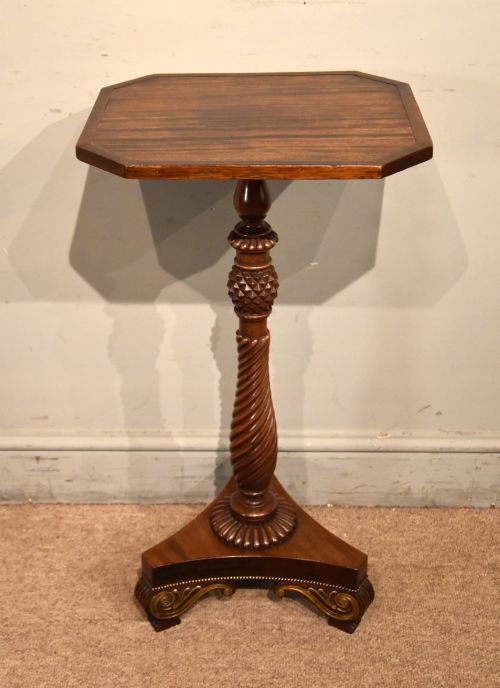
Regency Mahogany Stand
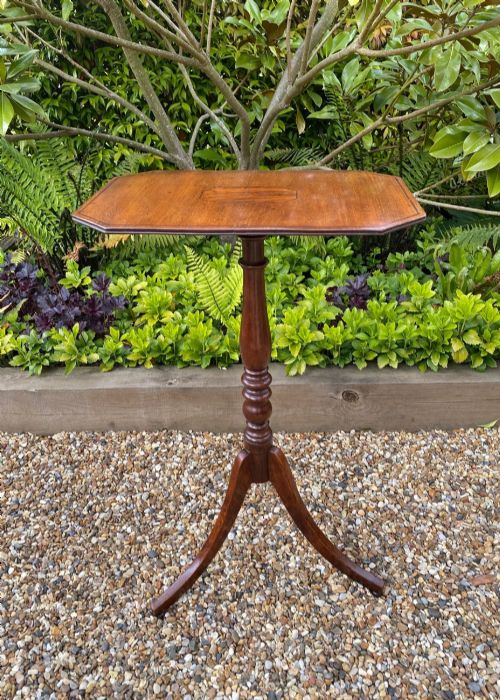
A regency mahogany stand brings functional elegance to a room, offering a place for books, music, or small treasures crafted in rich timber.
Regency Mahogany Stand
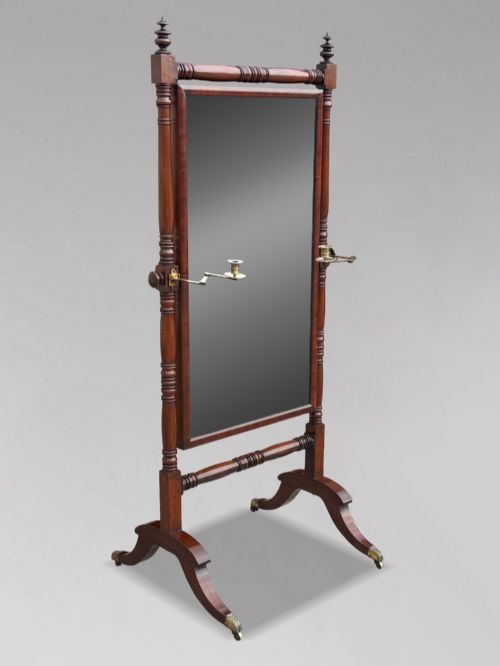
A regency mahogany stand encompasses various specialised furnishings designed for practical use in domestic spaces, including music stands, reading stands, wine tables, and washstands. These pieces reflect the refined utilitarian requirements of the early nineteenth century alongside later revivals.
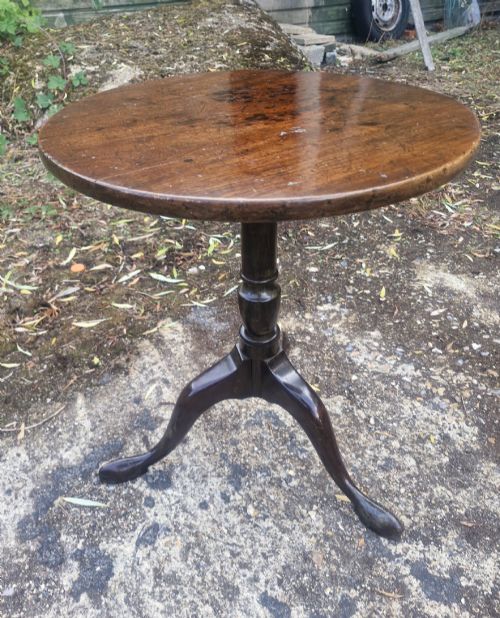
The most common forms encountered on this page include occasional tables, tripod pedestals, and music or book holders. Makers of the period engineered these items to serve specific functions while maintaining clean architectural lines.
While many examples originate from the Regency and Georgian eras, subsequent Edwardian and twentieth-century interpretations also appear, demonstrating enduring appreciation for the form.

Materials and construction
Mahogany serves as the primary structural and visual medium, often selected for its deep grain and stability, sometimes enhanced by satinwood inlay, brass fittings, or parcel gilt details.
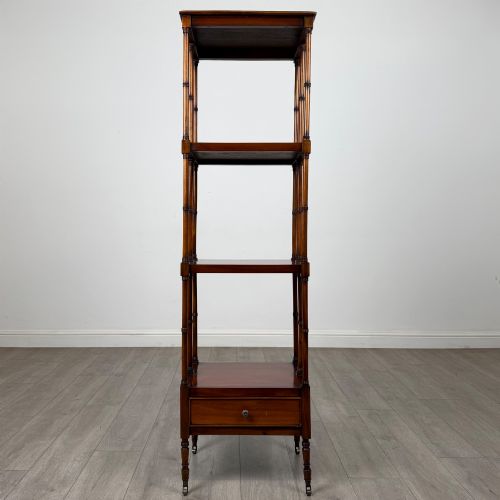
Cabinet makers utilised traditional joinery techniques to construct sturdy tripod bases, tilting tops, and tiered shelves capable of supporting books or heavy porcelain without compromising grace.
Listings feature mahogany alongside brass, glass, satinwood, and leather across various periods from Georgian to Edwardian times.
Evaluating craftsmanship
The distinction between standard examples and superior pieces rests upon the selection of figured timber and the precision of carved details, such as reeded legs or brass paw feet.
Proportion and stability dictate overall merit, where original hardware and untouched timber surfaces elevate a piece far above items with replacement elements.
Gillow·Hendrie Ogg·James McCabe
The Regency Mahogany Stand Glossary
- Tripod table
- A small occasional table supported by a central pillar resting on three legs. These versatile pieces were easily moved about a room for reading or serving.
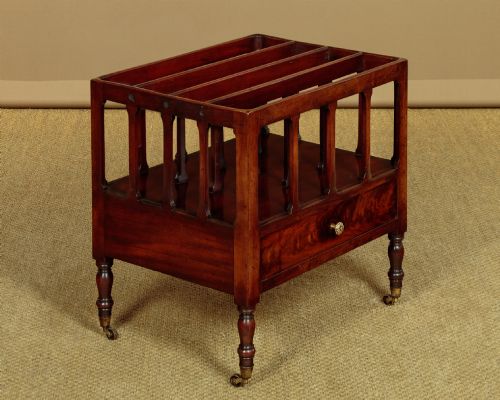
- Canterbury
- A low stand with partitioned sections designed for holding sheet music, books, or magazines. The form originated in the late eighteenth century and remained popular through the Regency period.
- Torchere
- A tall, slender stand intended to support a lamp or candle. They often feature decorative carved columns and sturdy base plates.
- Teapoy
- A small box on a stand used for storing loose tea leaves. They frequently incorporate internal compartments and mixing bowls.
Regency Mahogany Stand: Frequently Asked Questions
What was a regency mahogany stand used for?
These stands served a multitude of specific domestic purposes, from holding sheet music and heavy ledgers to displaying candles or serving wine.
Their portable nature allowed owners to move them around the drawing room or library as daily activities shifted.
How do I date a mahogany stand?
Dating relies on examining the timber grain, construction joints, and decorative motifs such as brass castors or reeded legs. Regency pieces typically exhibit crisp carving and classical proportions.
Later Edwardian revivals often utilise machine-sawn timber and lack the patina accumulated over a century of use.
Are tilt-top stands stable?
Tilt-top tripod tables feature a clever catch mechanism allowing the surface to fold vertically when not in use, saving floor space.
When locked horizontally, a well-adjusted original mechanism remains firm, though minor movement in the catch can occur over centuries.
How should I care for mahogany furniture?
Maintenance requires keeping pieces away from direct heat sources and strong sunlight to prevent the timber from drying out or fading.
Applying a gentle wax polish periodically helps nourish the grain and preserve the deep natural lustre of the mahogany.