

Nineteenth Century Furniture
Nineteenth century furniture brings together robust mahogany and walnut forms, offering practical storage and seating shaped by Regency, Victorian and Gothic revivals.
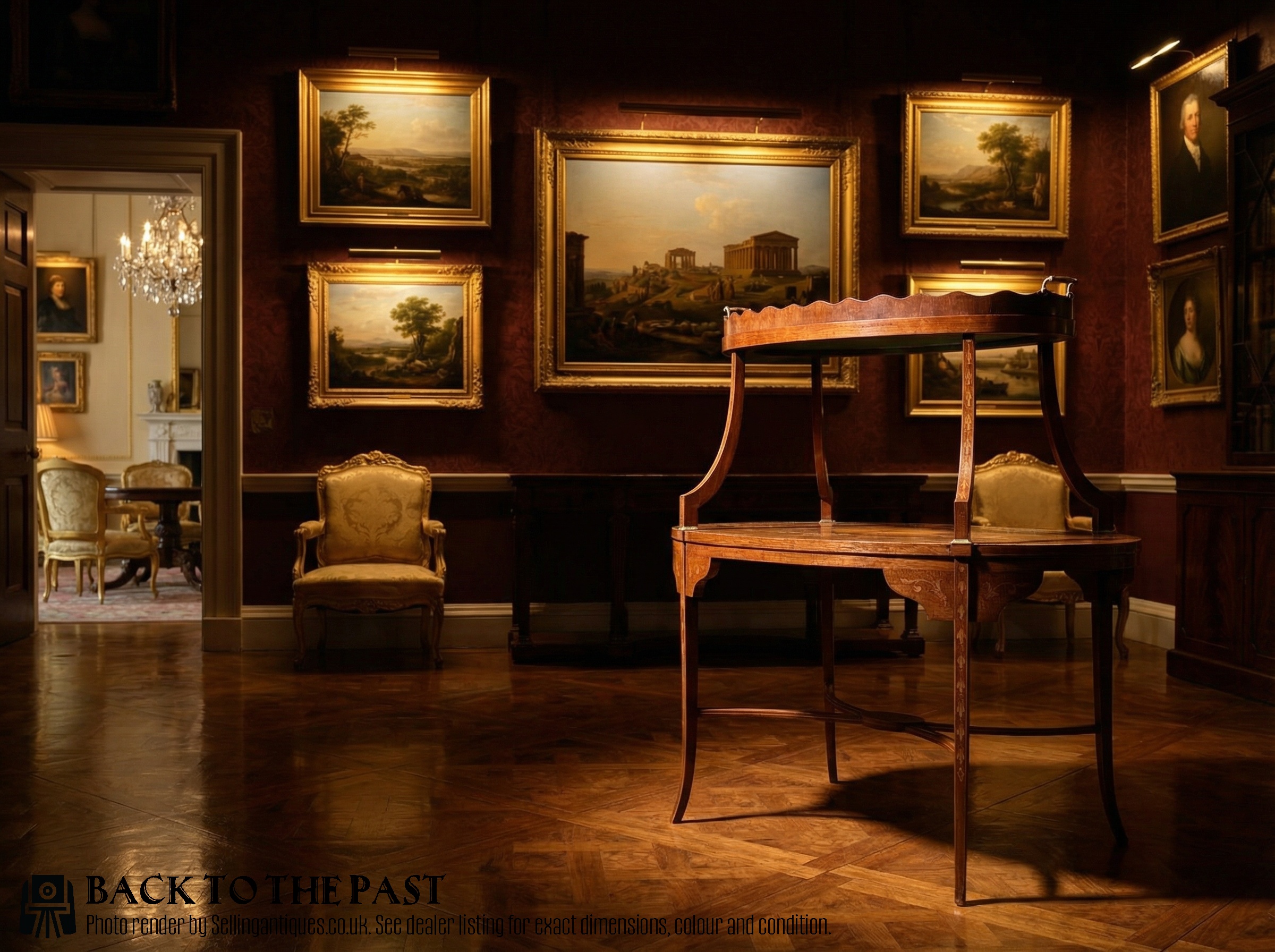
Nineteenth Century Furniture
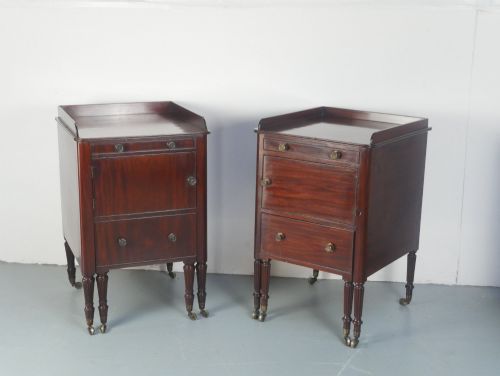
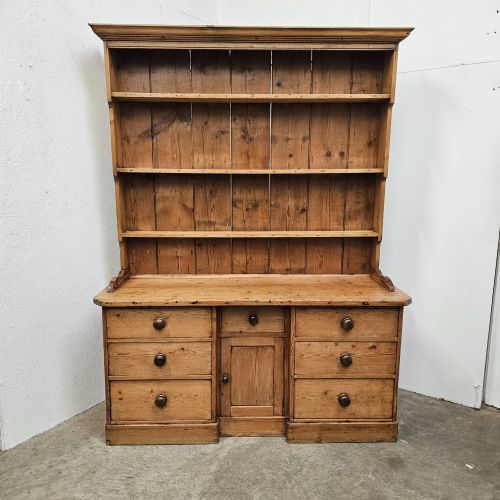
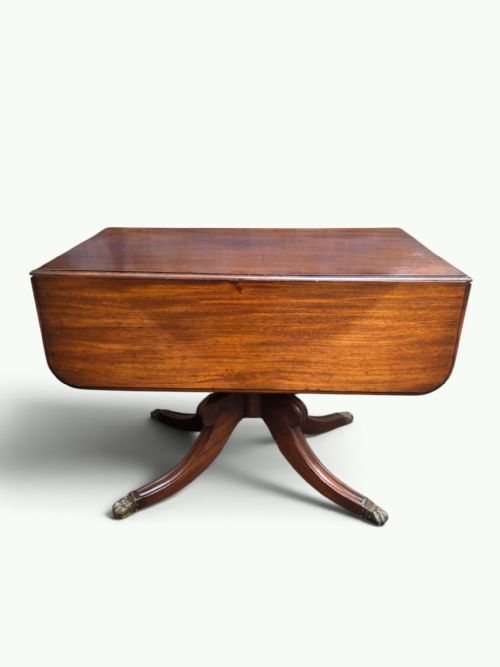
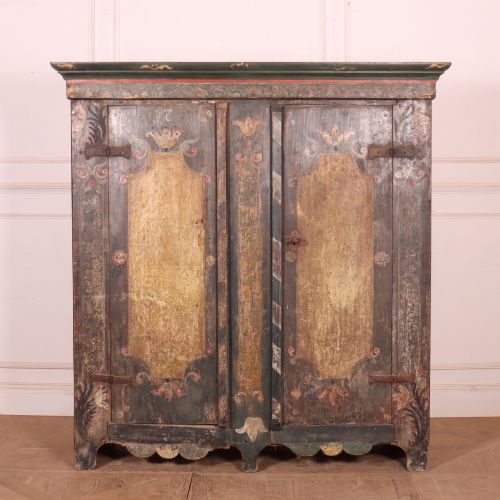
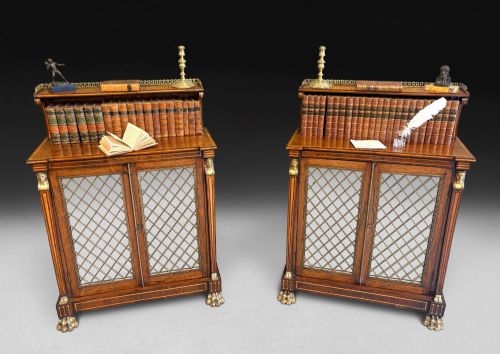
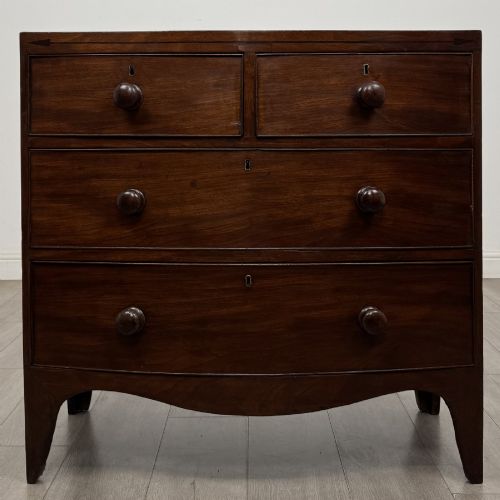
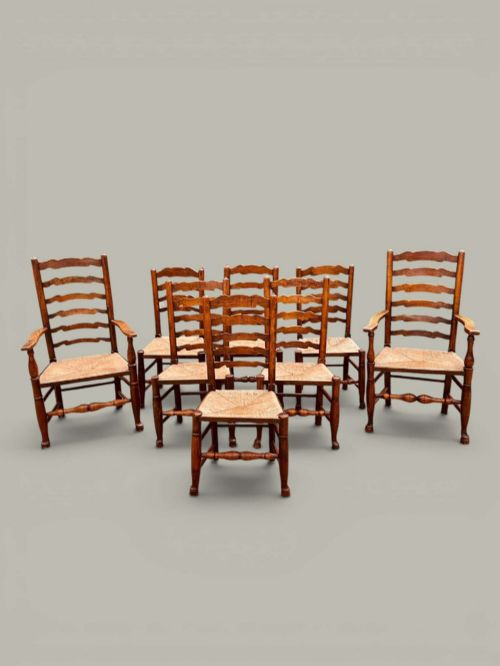
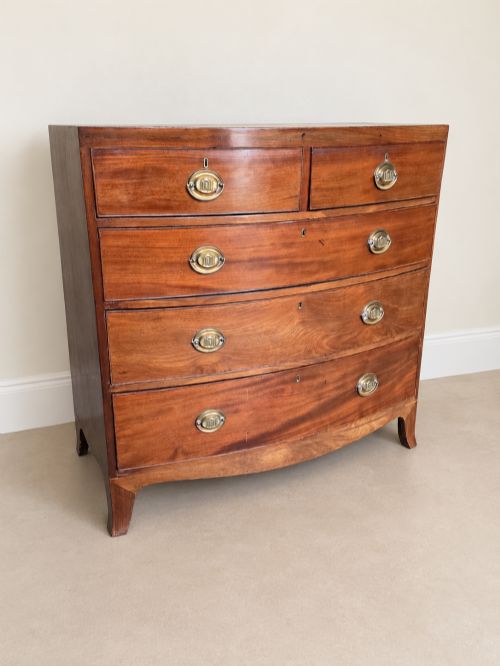
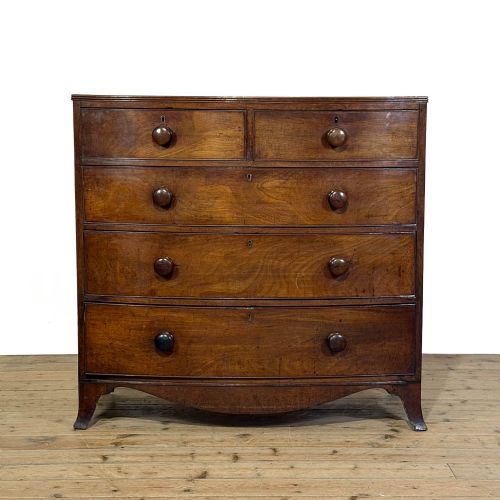
Nineteenth century furniture encompasses a diverse selection of utilitarian and decorative objects spanning the Georgian, Regency, William IV and Victorian eras. Pieces range from large storage items such as chests of drawers and linen presses to seating like Windsor armchairs and dining chairs.
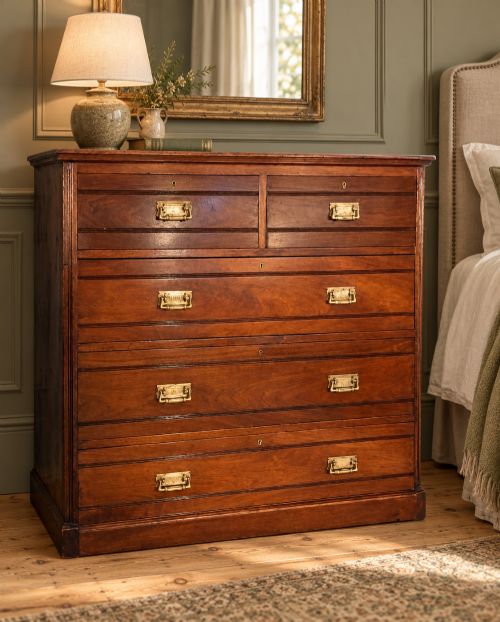
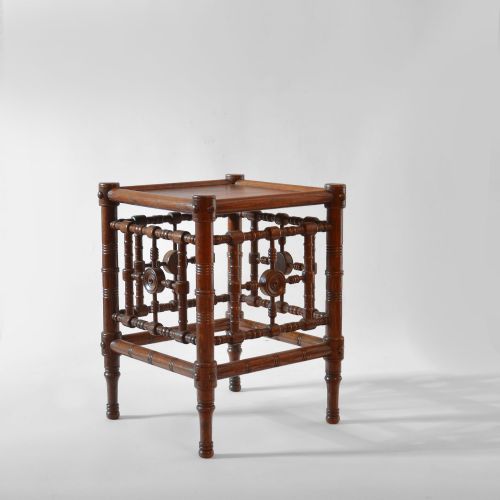
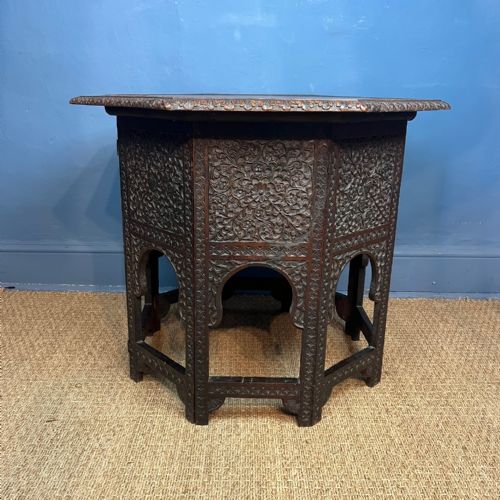
Buyers most frequently encounter mahogany and walnut chests of drawers alongside various writing desks, occasional tables and campaign furniture. These forms reflect the changing domestic needs and stylistic shifts of households across the period.
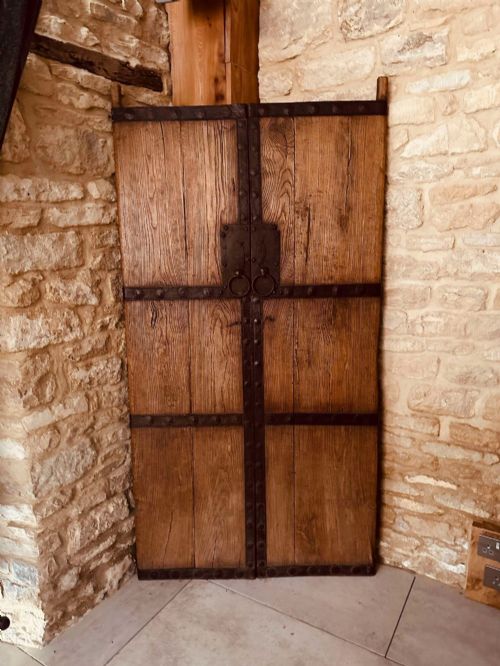
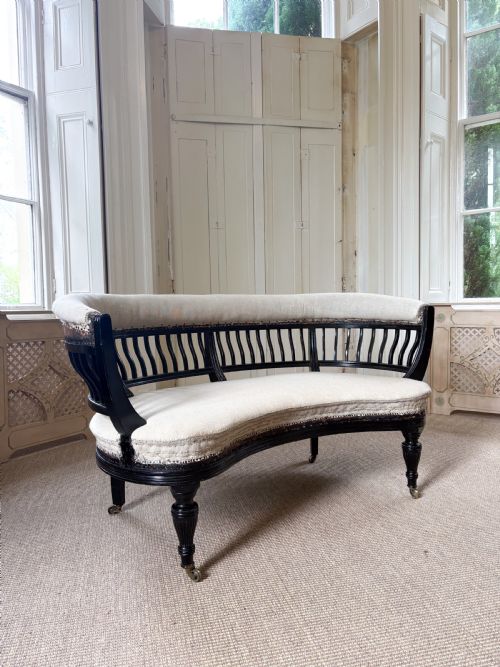
The material evidence includes oak, ash, elm, rosewood and ebonised wood, often augmented by brass inlay or ormolu mounts. Makers utilised these timbers to construct everything from vernacular folk art pieces to exhibition quality beds and commodes.

Materials and Construction
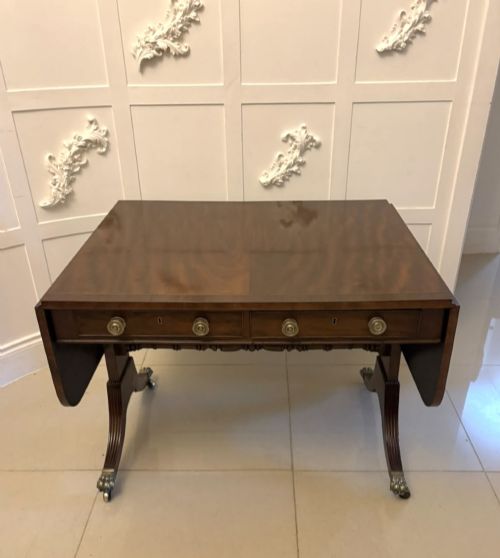
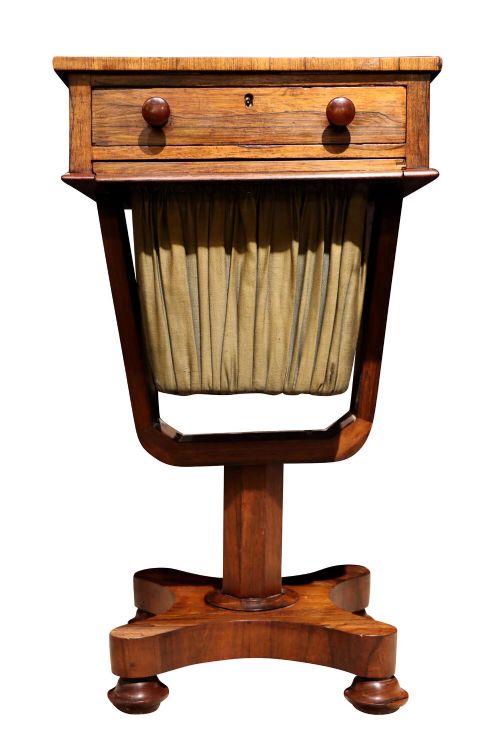
Makers constructed primary carcases using dense hardwoods like mahogany, walnut and rosewood, frequently incorporating secondary timbers such as oak and pine for drawer linings and internal framing. Timber selection depended on the intended function, from heavy dining tables to delicate ladies work tables.
Decorative surface techniques included intricate brass inlay, burr walnut veneers, ebonisation and ormolu mountings. Campaign pieces integrated brass corners and flush handles to withstand travel, while revival styles utilised giltwood and vernis martin finishes.
Nineteenth Century Furniture Retail Price Guide 2026
Typical asking prices for nineteenth century furniture among the pieces listed under this phrase on Sellingantiques today, from the lower quarter to the upper quarter. They describe what is for sale here now, not the wider market.
A tiny apprentice mule chest sits quietly among the heavy mahogany sideboards, offering proof that even master cabinet makers started small.
Assessing Quality and Execution
Quality rests on the selection of timber figures, such as flame mahogany or burr walnut, and the precision of cabinet joints like dovetailing in drawer construction. Superior examples display thoughtful grain matching across facades and meticulous hand-cut joinery.
The refinement of secondary details distinguishes finer workshops, evident in crisp brass inlay, substantial cast ormolu mounts and well-turned legs. Lesser pieces rely on simpler construction methods and plain timber without decorative enhancement.
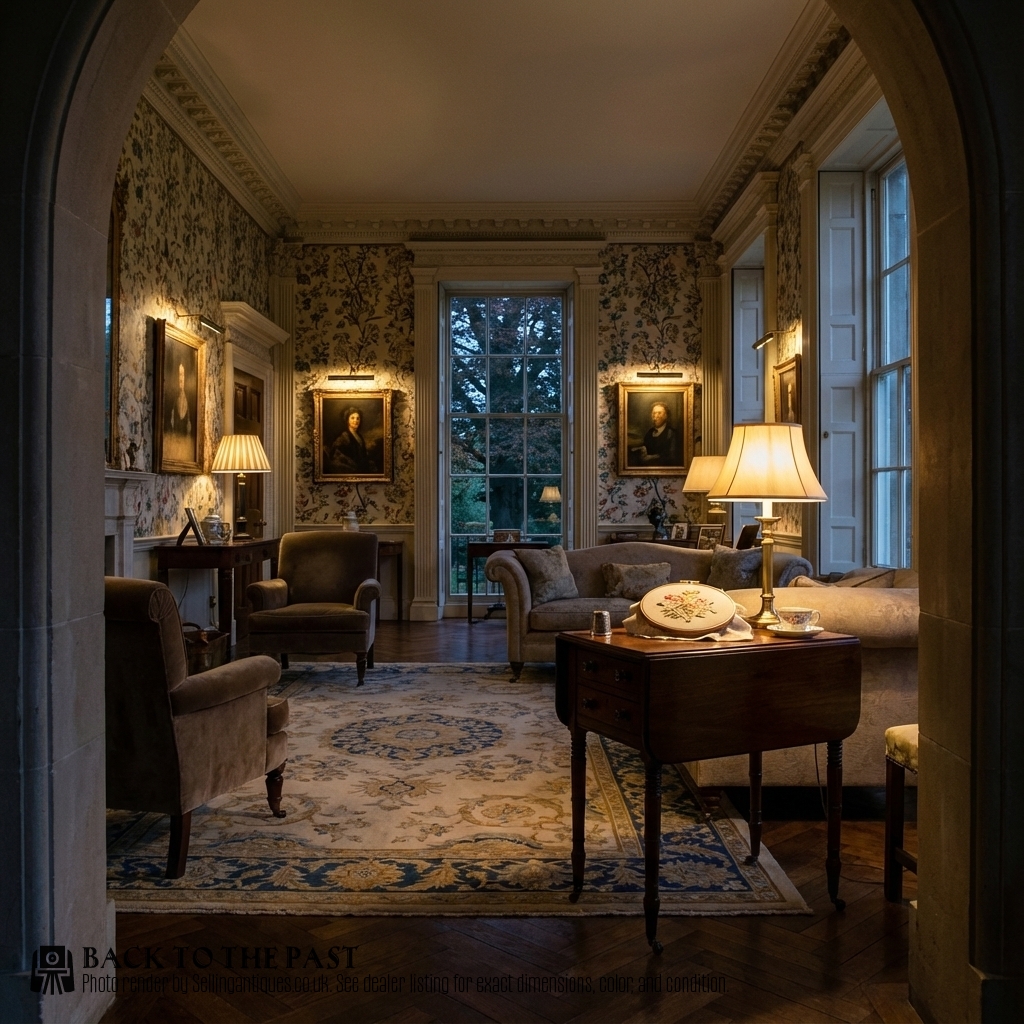
George Bullock·Joseph-Emmanuel Zwiener·Jacob-Desmalter
The Nineteenth Century Furniture Glossary
- Campaign trunk
- A portable storage chest constructed in sections with recessed brass handles and corner brackets designed for military travel.
- Half tester bedstead
- A bed featuring a partial canopy extending over the headboard supported by two pillars.
- Writing slope
- A portable box with a hinged sloping lid that opens to reveal a slanted surface for writing and compartments for stationery.
- Whatnot
- An open set of freestanding shelves used for displaying ornaments and small objects.
- Biedermeier
- A Central European style emphasising clean lines, utilitarian comfort and rich veneers without excessive ornamentation.
Nineteenth Century Furniture: Frequently Asked Questions
How do I identify a Regency piece?
Regency pieces often exhibit classical restraint, clean architectural lines and decorative elements inspired by ancient Greece and Rome. Makers frequently incorporated brass inlay, dark mahogany or rosewood.
Proportions remain balanced, and ornamentation serves to accentuate the natural grain of the timber rather than overwhelm the structure.
What is an apprentice piece?
An apprentice piece is a smaller scale item created by a trainee cabinet maker to demonstrate skill and secure professional qualification. These miniature chests or cabinets mirror the exact construction methods of full-sized furniture.
They offer insight into the rigorous training standards of nineteenth century workshops.
Where were campaign desks used?
Campaign desks served military officers and colonial administrators who required durable, transportable furnishings during relocation. The modular design allowed pieces to separate safely for transit.
Recessed hardware protected the timber surfaces from damage while moving across difficult terrain.
How should I care for rosewood?
Rosewood surfaces require consistent humidity levels and protection from direct sunlight to prevent timber splitting and fading. Regular dusting with a soft, dry cloth preserves the natural lustre of the polish.
Avoid harsh chemical cleaners that can strip the historic finish accumulated over generations.