


Antique Luggage Rack
An antique luggage rack provides a sturdy surface for suitcases and overnight bags while adding traditional utility to a bedroom or hallway.
What an antique luggage rack is
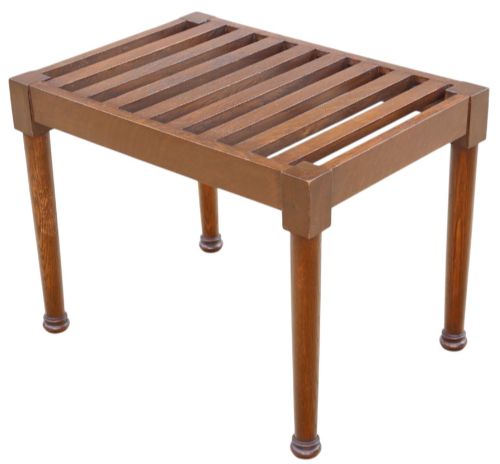
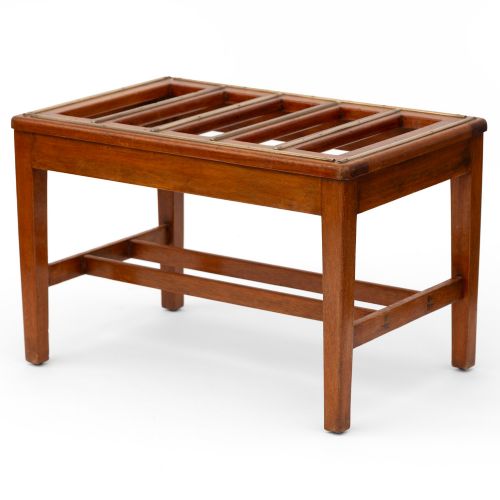
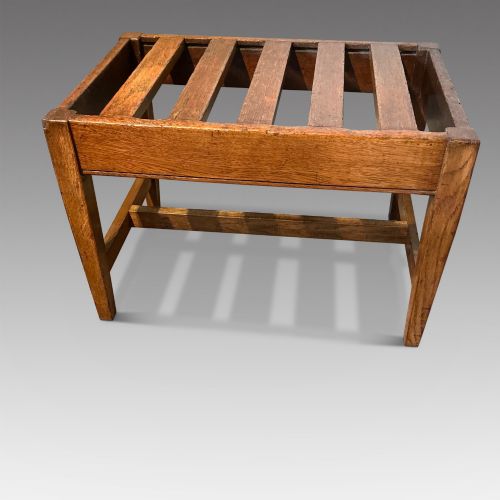
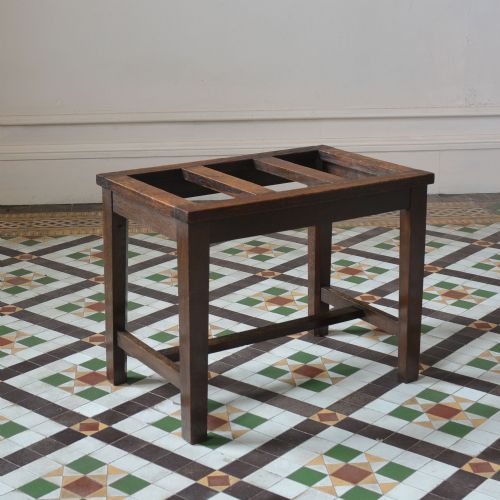
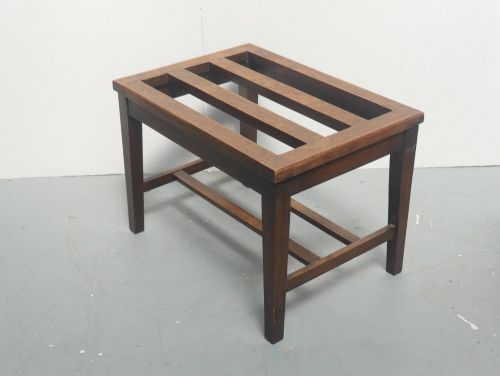
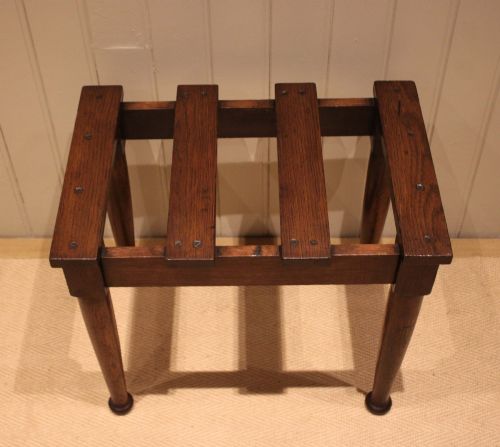
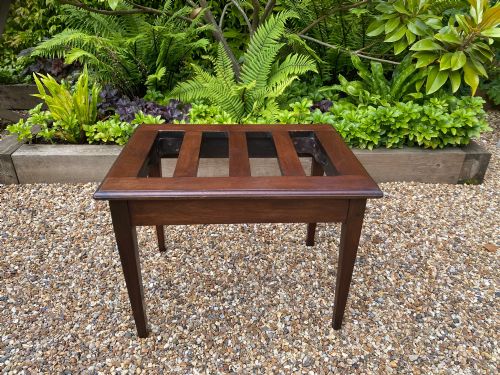
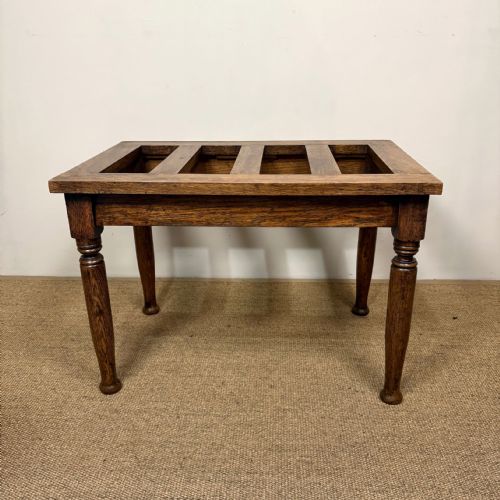
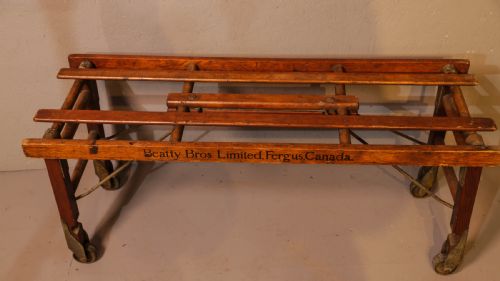
An antique luggage rack is a dedicated stand designed to hold suitcases, trunks, and overnight bags at a convenient height for packing and unpacking. These pieces appear in forms such as luggage stands and extending benches, frequently serving dual purposes in bedrooms, hallways, or dressing rooms.
The pieces available on this page date predominantly from the nineteenth century, the Victorian era, and the early twentieth century, including the Edwardian period. English country houses and similar domestic settings originally utilised these stands to assist guests with heavy travel trunks.
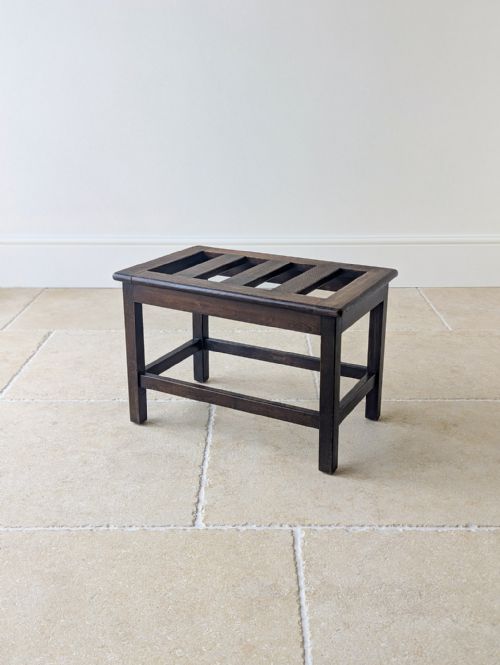
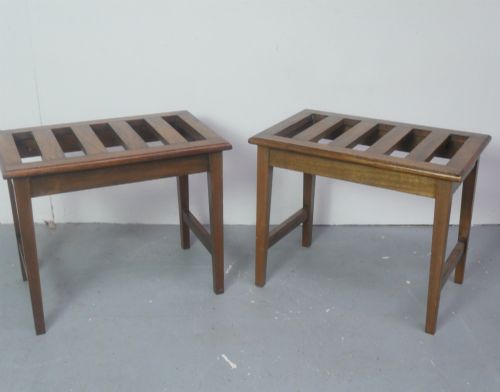
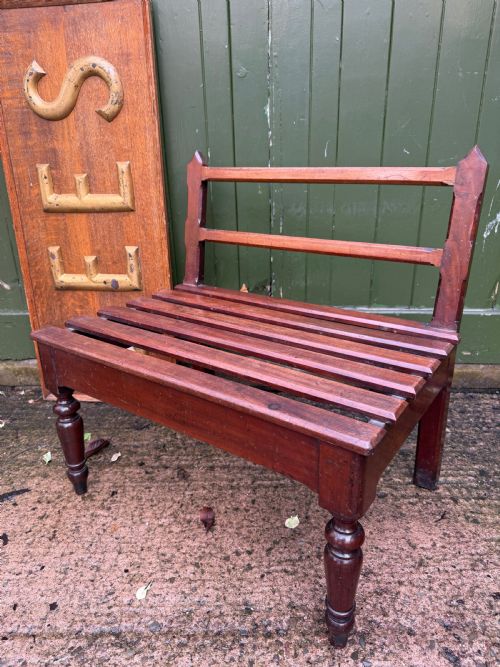
The most common version met here is constructed from timber with a folding or fixed frame, often featuring webbing or supportive slats across the top. Variations include deep proportions with a raised and raked rear upstand support, or pieces equipped with integrated hooks.
How they were made
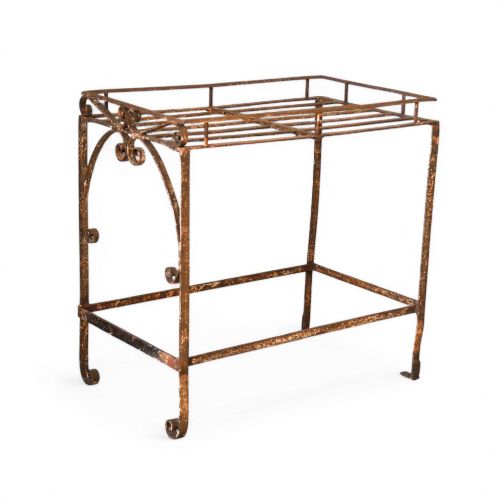
Cabinet makers constructed these stands using a variety of hardwoods and softwoods recorded in the evidence, including mahogany, oak, ash, yew wood, satinwood, limed oak, ebonised timber, and pine. Iron and brass components also appear in structural joints or dedicated hardware.
Surface treatments range from natural polished timber finishes to painted pine and original paint surfaces. Joinery techniques varied according to the period, supporting heavy loads such as steamer trunks and leather suitcases during daily domestic use.
Retail Price Guide 2026
Typical UK retail prices for luggage rack, calculated from the Sellingantiques database of over a million retail prices indexed since 2003. This retail price guide relies exclusively on Sellingantiques data; no external sources or auction records are used, so the figures do not describe the wider market.
The archive includes specialised pieces designed to double as hallway coffee tables and extending benches.
What varies in quality
The distinction between standard examples and superior pieces rests on the choice of timber and the sophistication of the joinery. Dense hardwoods like mahogany, figured oak, and uncommon woods such as yew wood indicate a higher grade of initial manufacture.
Proportions and structural additions also separate the range. Pieces featuring deep proportions, a raised and raked rear upstand support, or extending mechanisms demonstrate thoughtful design intended for grand domestic interiors.
Wadham and Sons·Shoolbred
The Antique Luggage Rack Glossary
- Upstand
- A vertical barrier rising above the rear of the luggage stand. This feature prevents luggage from sliding backward against a wall.
- Luggage stand
- A low wooden or metal frame designed specifically for holding suitcases off the floor. These items fold compactly when not in use.
- Campaign rack
- A portable piece of furniture built for travel or temporary encampments. Such items often incorporate folding mechanisms or robust framing.
- Ebonised
- Timber treated with a dark finish to imitate ebony. This decorative technique was popular during the Victorian and Edwardian periods.
- Webbing
- Strong woven material stretched across the top frame of a rack. It provides flexible support for heavy trunks and leather cases.
Frequently Asked Questions
Where did people use these racks?
These stands were placed in guest bedrooms, dressing rooms, and hallways of large country houses. They provided visitors with a convenient platform for unpacking travel trunks.
Today, homeowners continue to place them in spare bedrooms or entrance halls for guests. They function effectively as low tables or occasional display surfaces.
How do I date a luggage rack?
Dating relies on timber selection, construction methods, and stylistic cues associated with specific eras. Victorian examples often display heavy mahogany or ash timbers with robust turning.
Edwardian pieces from around nineteen-ten frequently utilise oak or ebonised finishes. Simpler painted pine versions usually date to the nineteenth century.
Can these hold heavy modern suitcases?
Most antique stands were built to support heavy leather trunks and wooden travel cases. Their solid timber frames remain remarkably strong and stable.
However, buyers should check the condition of the top webbing or slats before placing exceptionally heavy modern luggage on them.