
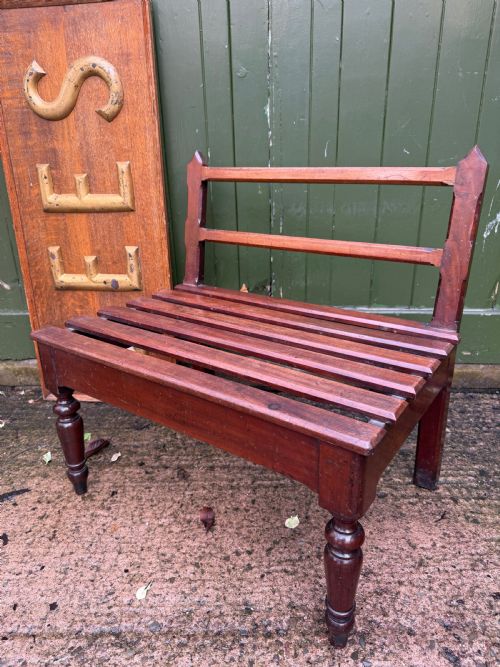


Victorian Wooden Luggage Rack
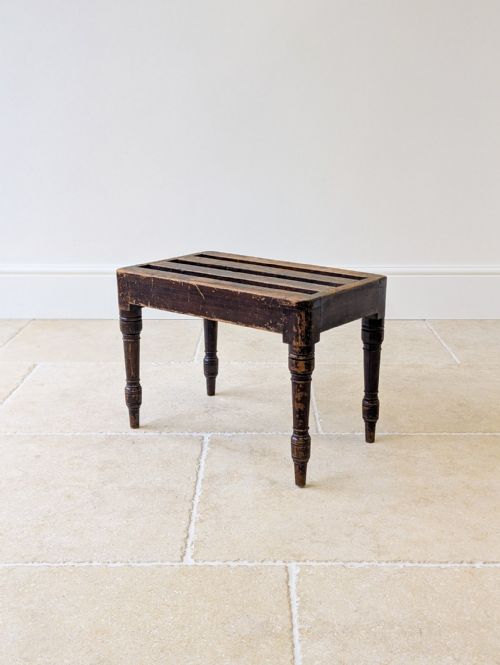
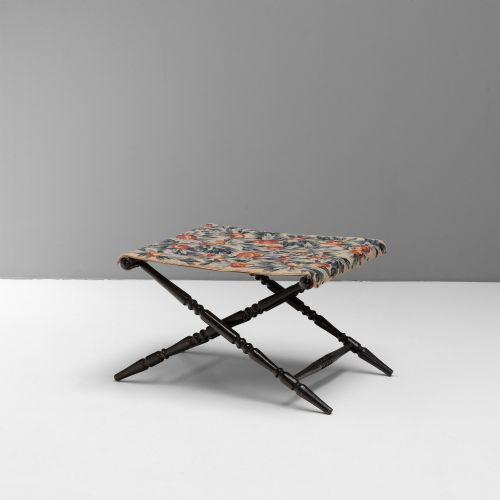
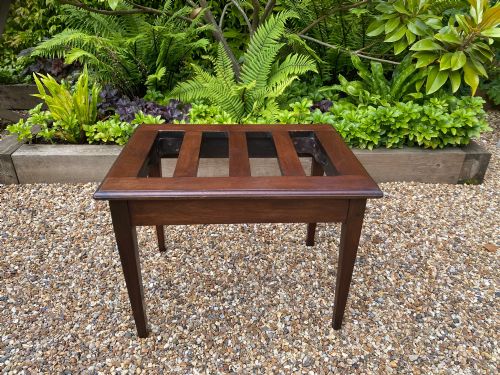
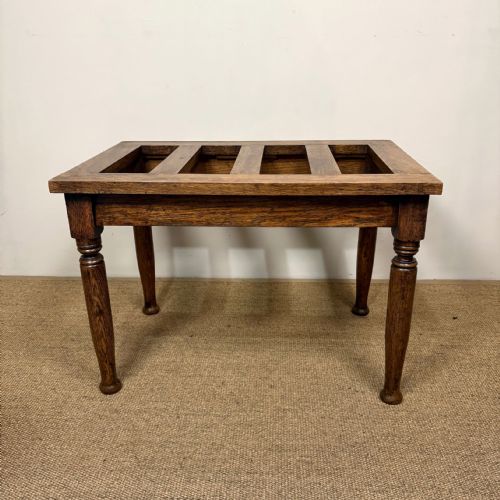
These victorian wooden luggage rack examples are folding and static stands built to hold travel chests, made in woods like mahogany, oak, ash, elm, and pine.
Victorian Wooden Luggage Rack
A victorian wooden luggage rack serves as a sturdy stand designed to hold travel trunks and portmanteaus off the floor in a bedroom or guest room. Buyers searching this phrase will find folding luggage stands, static stands, and railway carriers dating from the nineteenth century.
The most common versions met here are made from timbers such as mahogany, oak, ash, elm, and pine. Some feature raised rears, while others follow country house or railway company utility designs.
How they were made
These stands rely on solid hardwoods like mahogany, oak, ash, and elm, shaped to support heavy loads of luggage. Joinery techniques from the nineteenth century ensure stability through folding frames or fixed brackets.
Surfaces appear in plain polished wood, ebonised finishes, or painted pine. Textile or tapestry webbing often forms the supporting platform across the top rails.
What varies in quality
Quality rests in the choice of timber and the substance of the proportions, moving from simple pine utility pieces to deep-proportioned mahogany country-house stands. Substantial framing and refined turnings elevate certain examples above standard folding furniture.
Provenance and specific railway or maker association add distinct character, whereas standard workshop production focuses purely on utilitarian function.
The Victorian Wooden Luggage Rack Glossary
- Upstand
- A raised and raked rear support on the back of a stand designed to keep luggage from marking the wall. This feature often appears on deeper country-house models.
- Portmanteau
- A large travelling bag or trunk, typically made of leather, that these racks were built to hold. The term dates from the period when rail travel required heavy luggage.
- Ebonised
- Wood stained or treated to imitate ebony, creating a dense black finish popular in nineteenth-century furniture. It gives a formal appearance to utility objects.
- Webbing
- Strong textile or tapestry straps stretched across the frame to support the weight of a trunk. It provides flexibility while keeping the wooden structure light.
Victorian Wooden Luggage Rack: Frequently Asked Questions
What is a victorian wooden luggage rack used for?
These stands were originally placed in guest bedrooms to hold travellers' trunks and bags at a convenient height for unpacking.
Today, they serve well at the foot of a bed or in a hallway for holding blankets, bags, or everyday items.
How do I date a luggage rack?
Dating relies on timber choices, construction methods, and stylistic cues recorded in nineteenth-century cabinet making.
Pieces often carry clues through specific railway company markings or traditional country house proportions.
Are these racks sturdy enough for modern luggage?
Nineteenth-century stands were built from solid hardwoods like oak, mahogany, and ash to support heavy leather trunks.
This robust construction means they handle modern suitcases and bags with ease.
What woods were used for these stands?
Makers utilised a range of timbers depending on the intended setting and quality of the piece.
Common materials include mahogany, oak, ash, elm, yew, and painted pine.