
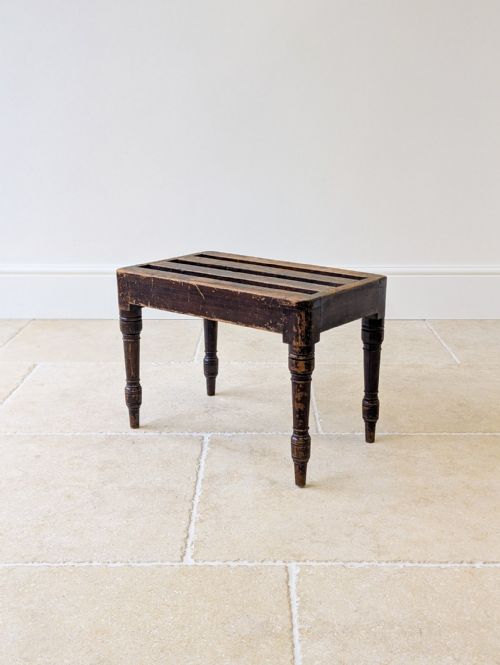
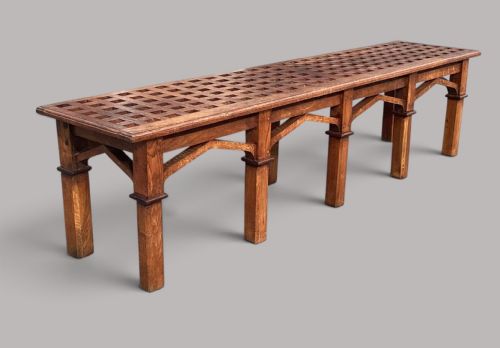
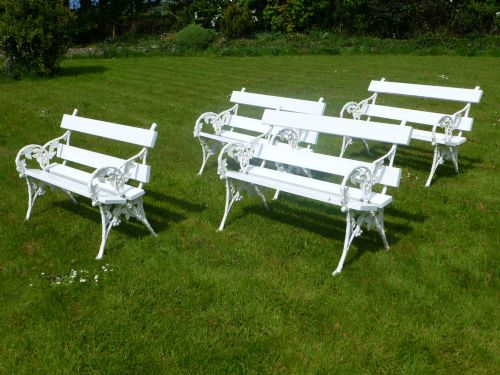
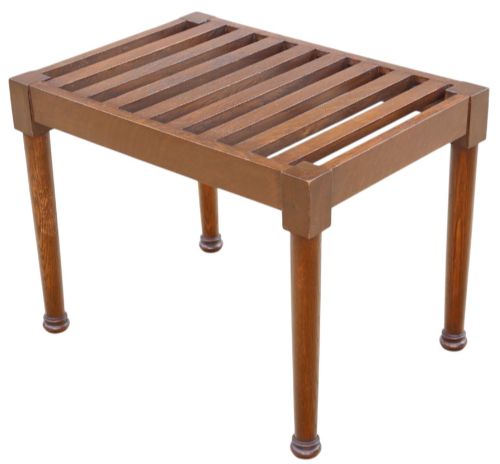
Antique Slatted Bench
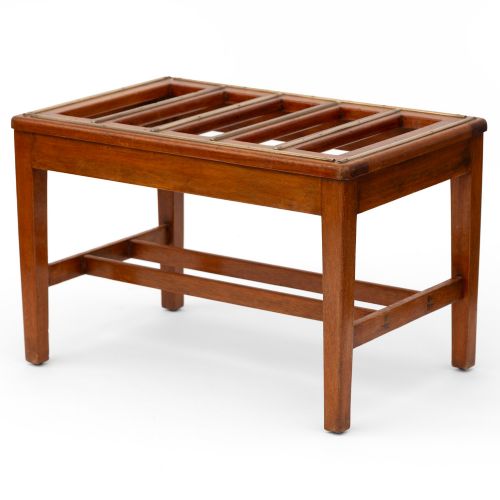
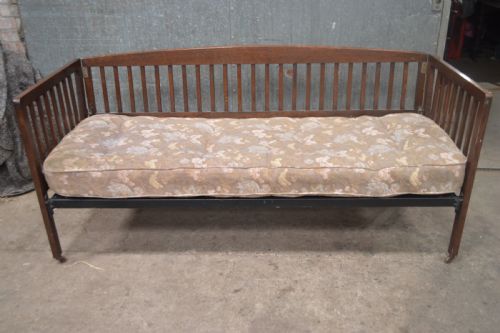
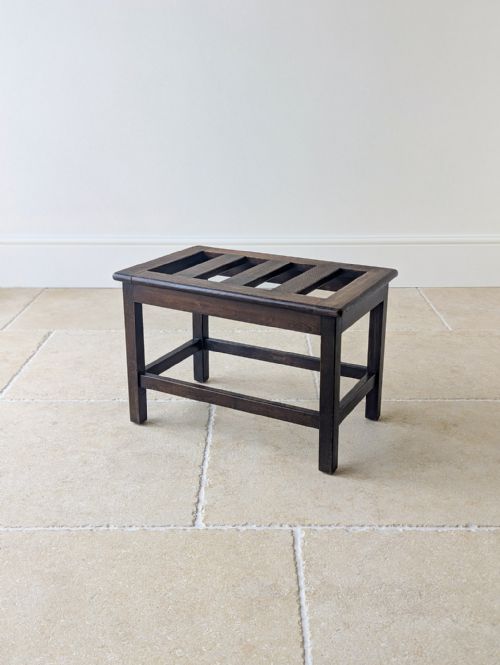
An antique slatted bench offers practical utility and robust construction, spanning garden seating, indoor luggage stands, and hall furniture from the nineteenth and early twentieth centuries.
Antique Slatted Bench
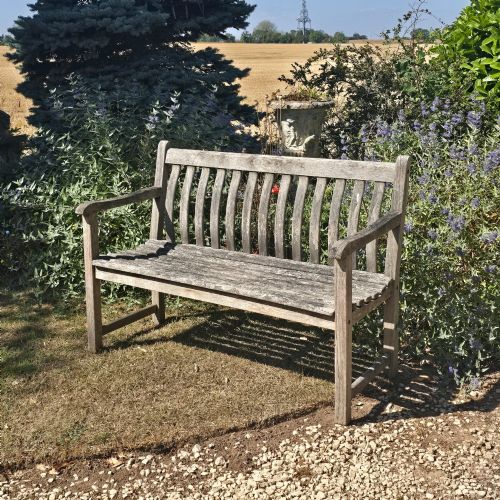
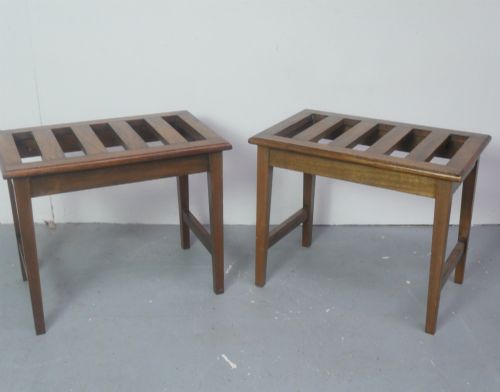
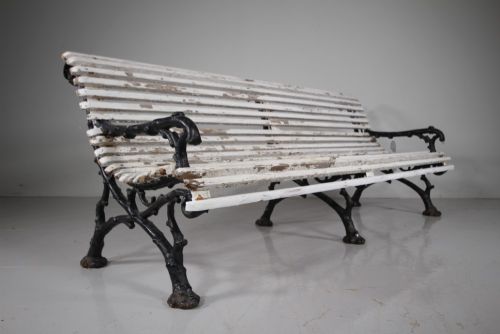
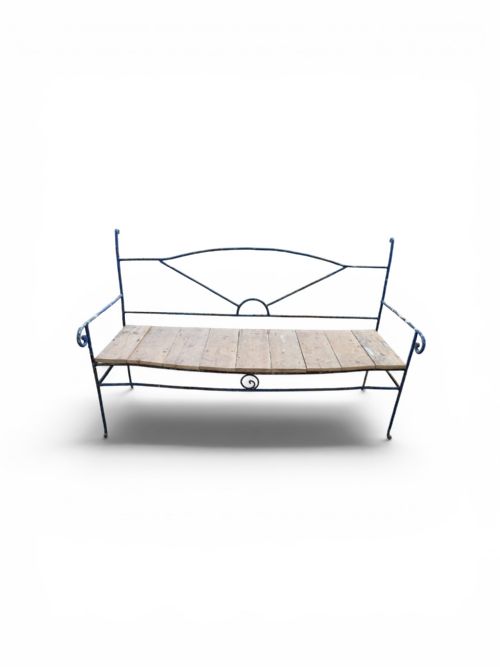
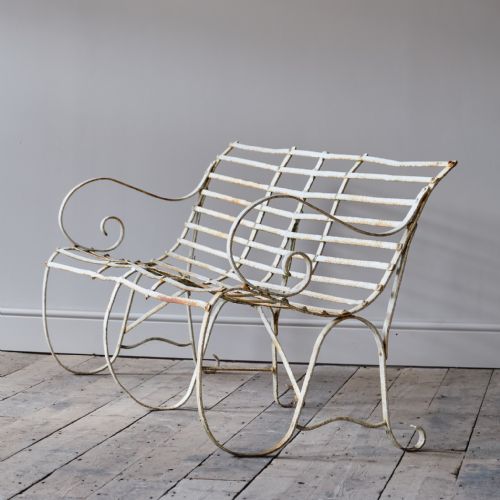
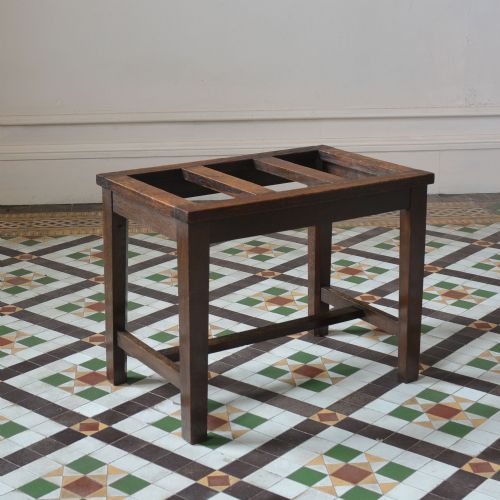
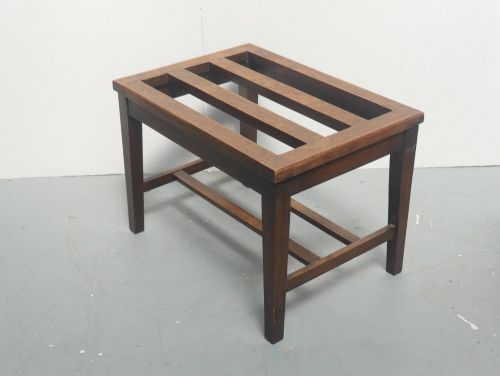
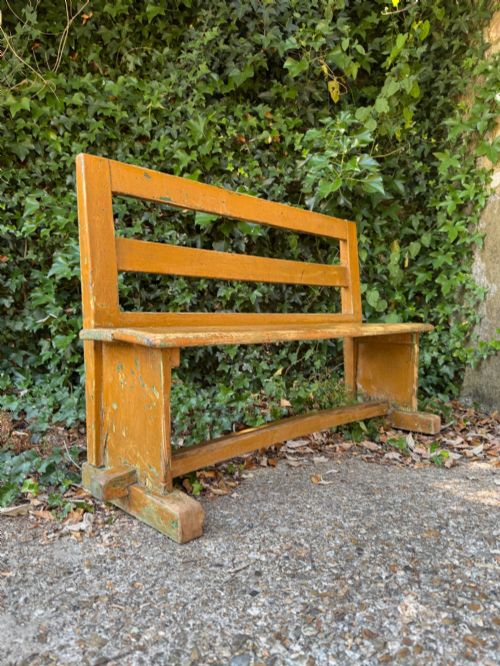
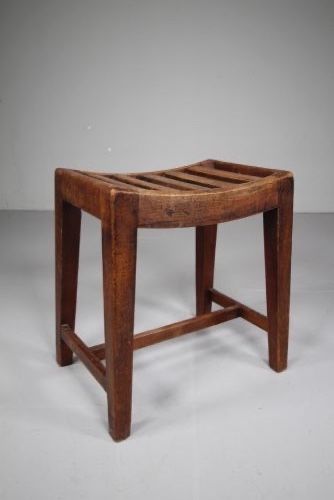
An antique slatted bench encompasses sturdy outdoor garden seats alongside indoor furniture pieces designed with parallel wooden or iron slats. When exploring this selection, buyers encounter everything from heavy cast iron and timber park seats to domestic luggage stands and hall benches.
The domestic versions frequently appear in oak, mahogany, or walnut, functioning historically as luggage racks in hotels, country houses, and waiting rooms. Meanwhile, garden variants emerge in teak, pine, and weather-resistant woods coupled with cast or wrought iron frames.
Origins stretch across the nineteenth century, the Edwardian era, and into the 1920s and 1930s, reflecting both English country styles and utilitarian institutional designs. Buyers frequently discover folding mechanisms on indoor stands alongside rigid, durable construction on garden and park examples.
Factors determining quality
Quality rests upon the integrity of the slatted construction, the weight and casting detail of the metal components, and the selection of dense, durable timber. Superior examples exhibit refined joinery, crisp foundry work on iron frames, and well-proportioned architectural lines.
Wear indicates genuine period use, but the grade of the original materials ultimately dictates value, separating utilitarian workshop items from finely detailed hotel or country house furniture.
Several pieces escaped quiet English country houses and bustling hotel rooms to spend their retirement outdoors on lawns.
Falkirk foundry·Liberty·Beatty Bros Fergus Canada·Brown and Lamont·Coalbrookdale
The Antique Slatted Bench Glossary
- Slatted bench
- A seat or stand constructed from parallel strips of wood or metal spaced at intervals. This design allows for drainage on outdoor garden furniture and lightness on indoor luggage racks.
- Luggage stand
- A low folding or rigid rack traditionally placed in guest bedrooms or hotel rooms to hold trunks and bags. They typically feature slatted tops and raised rear supports.
- Strapwork
- Ornamental metalwork formed of flat strips arranged in geometric patterns. It provides structural bracing and decorative detail on nineteenth-century iron garden benches.
- Weathered teak
- Hardwood exposed to the elements over decades, developing a silvery-grey patina. This natural oxidation protects the dense timber fibres from further decay.
- Upstand
- A raised barrier at the rear of a luggage stand or bench seat. It prevents luggage or cushions from sliding backward against walls.
Antique Slatted Bench: Frequently Asked Questions
Where were luggage stands used?
These folding or rigid stands found a place in domestic bedrooms, grand hotels, and gentlemen's billiard rooms to hold travel trunks and leather luggage off the floor.
Today, they adapt easily as low coffee tables, bathroom accessory racks, or extra seating in hallways.
How do I maintain an outdoor teak bench?
Teak naturally resists moisture and decay through its own natural oils, allowing outdoor benches to weather to a silvery-grey patina without chemical treatments.
Routine cleaning with mild soapy water and a soft brush removes dirt and debris from the gaps between the slats.
What is the difference between indoor and outdoor benches?
Indoor pieces like luggage stands and hall benches utilise polished hardwoods such as mahogany, walnut, and oak with refined finishes and sometimes folding frames.
Outdoor garden seats combine heavy cast iron or wrought iron supports with robust timbers like teak, pine, or painted wood built to withstand changing weather.
How are nineteenth-century pieces dated?
Datation relies on construction methods, timber selection, fastener types, and stylistic indicators such as Arts and Crafts influences or Victorian cast iron foundry marks.
Comparing the joinery and hardware against documented archive examples helps establish the correct production era.