





English Yew Wood Table
An English yew wood table brings deep figure and warm tone into a room, offering sturdy country craftsmanship alongside refined Georgian and Regency forms.
English Yew Wood Table
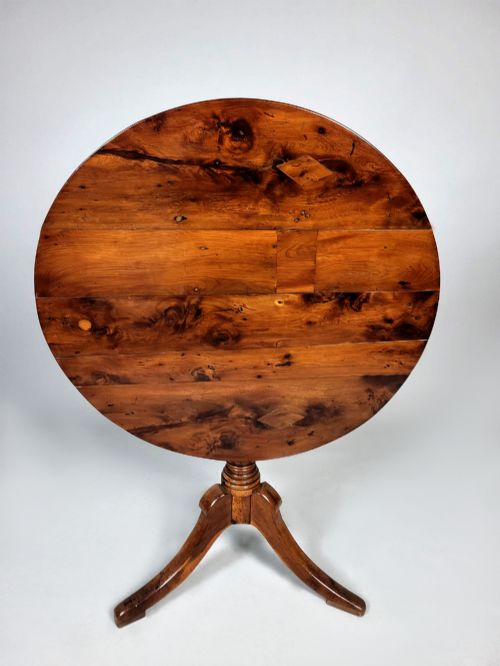
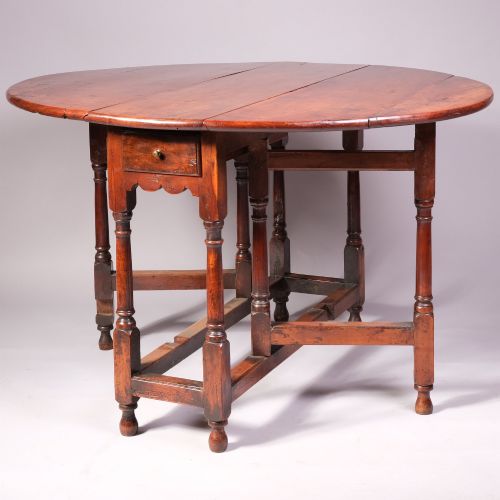
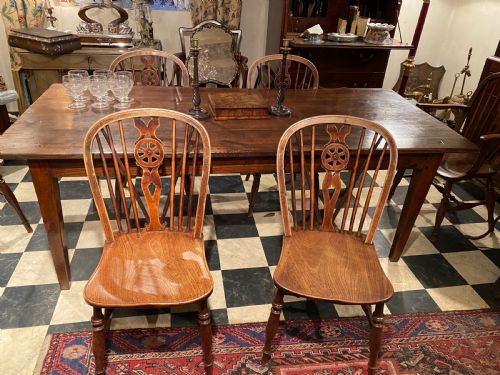
When you search for an English yew wood table, you encounter a distinct group of antique furniture originating from Georgian, Regency, and later periods. These domestic items encompass wine tables, tripod tables, occasional stands, gateleg tables, and larger farmhouse dining tables.
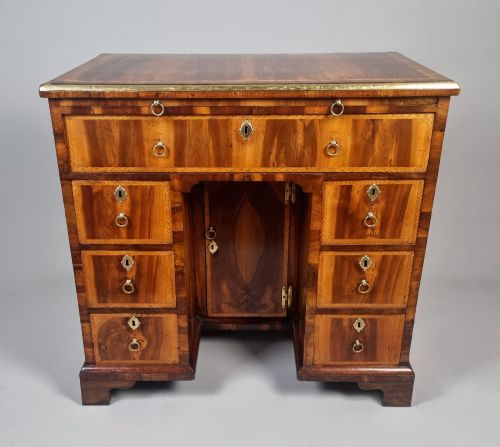
The pieces on this page span several centuries of British cabinet making, reflecting both formal urban design and robust English country workshop traditions. Forms range from compact kettle stands and dressing tables to rectangular occasional tables and sturdy stools.
Makers utilised native timber for its striking grain patterns, producing utilitarian items for everyday households as well as decorative centrepieces for reception rooms. Each example demonstrates how provincial and metropolitan joiners handled this dense, characterful hardwood.
What varies in quality
Quality in these pieces depends heavily on the intensity and figuring of the timber grain, with highly burred yew surfaces commanding greater visual presence than plain boards. The skill of the original turning on pedestals and legs also separates standard country items from finer provincial workshop commissions.
Proportion and structural integrity dictate the standing of an individual table, alongside the retention of original brass hardware and untouched surface patination accumulated over generations of domestic use.
Materials recorded across these items include solid yew wood, burr oak, satinwood, elm, and brass.
The English Yew Wood Table Glossary
- Yew wood
- A dense native British hardwood prized for its rich reddish-brown colour and intricate contrasting grain patterns. Cabinet makers selected it for both solid construction and decorative veneer work.
- Tripod table
- A small freestanding table supported by a central turned pillar resting on three spreading feet. This form became popular during the eighteenth century for serving tea or holding lamps.
- Gateleg table
- A table featuring hinged flaps supported by swing-out legs that pivot from the frame. This design allows the surface area to expand or contract according to domestic requirements.
- Occasional table
- A small, portable table intended for general use in a reception room or bedroom. Examples in this category include wine tables, kettle stands, and lamp tables.
- Treen
- Small handmade wooden household objects produced by turning or carving timber. These items showcase domestic utility and early woodworking skills.
English Yew Wood Table: Frequently Asked Questions
How do I date an English yew wood table?
Dating relies on examining the construction methods, leg profiles, and timber preparation visible beneath the top and inside joints. Eighteenth-century examples often display hand-cut joinery and period-specific turning styles.
Later nineteenth-century and 1920s pieces typically show different tool marks and standardisation in their structural framing. Comparing the hardware and timber thickness helps confirm the era of manufacture.
Are yew wood tables durable for daily use?
Yew is a remarkably hard and resilient native timber that withstands regular domestic tasks without difficulty. Tables built from this wood served households for centuries as functional surfaces.
Placing them away from direct heat sources and sudden humidity changes protects the timber and finish. Routine dusting and occasional waxing keep the surface nourished.
What is the difference between a wine table and a tripod table?
A wine table is generally a small, specific form of tripod table designed to hold a glass and bottle during evening gatherings. Both share a central pillar and three-legged base configuration.
Tripod tables encompass a wider variety of top shapes and functional heights, including kettle stands and occasional lamp tables. The terminology often overlaps depending on the regional cataloguing of antique furniture.
Where were these tables made?
Most of these pieces originated in English provincial workshops and rural cabinet-making centres where yew timber grew in abundance. Country joiners utilised local wood resources to supply domestic furniture for farmhouses and country estates.
Urban workshops in London also utilised yew for high-fashion Georgian and Regency dressing tables and occasional pieces. The design details usually indicate whether a piece came from a city cabinet maker or a country turner.