


Traditional Occasional Table
A traditional occasional table offers a compact surface for lamps and drinks, bringing centuries of craftsmanship into everyday rooms.

Traditional Occasional Table
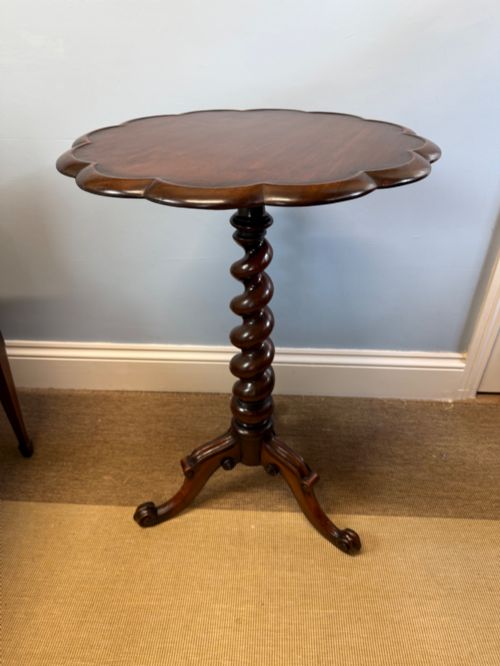
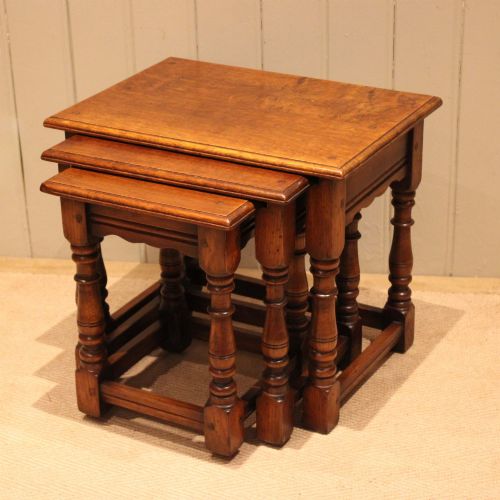
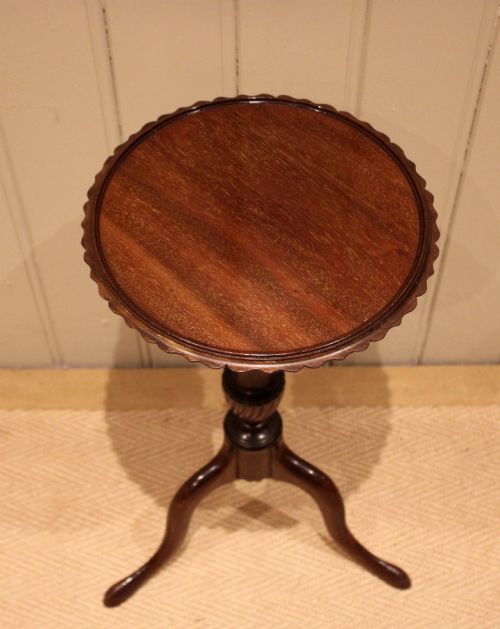
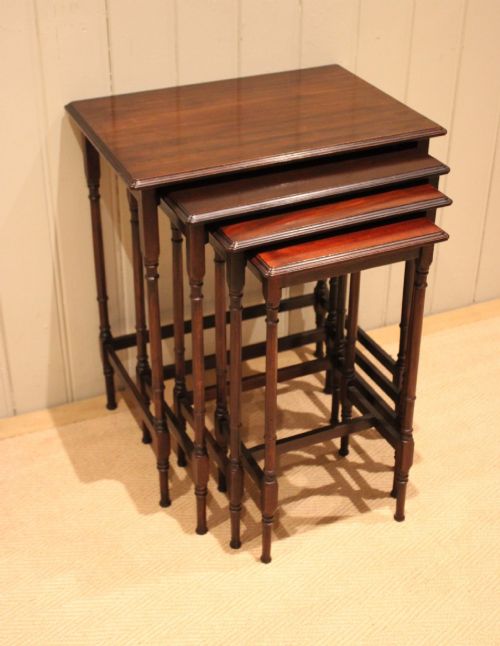
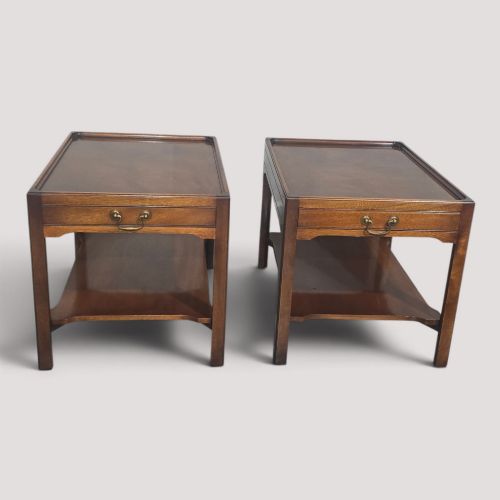
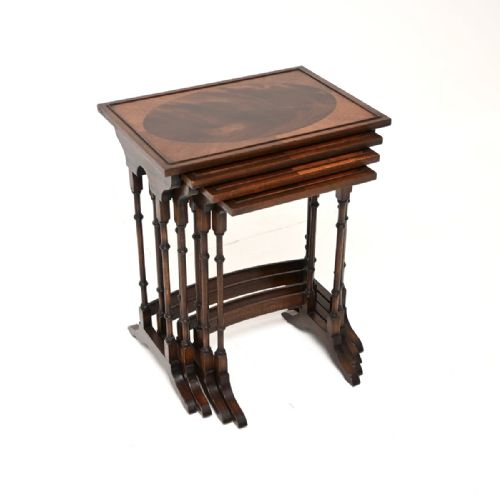
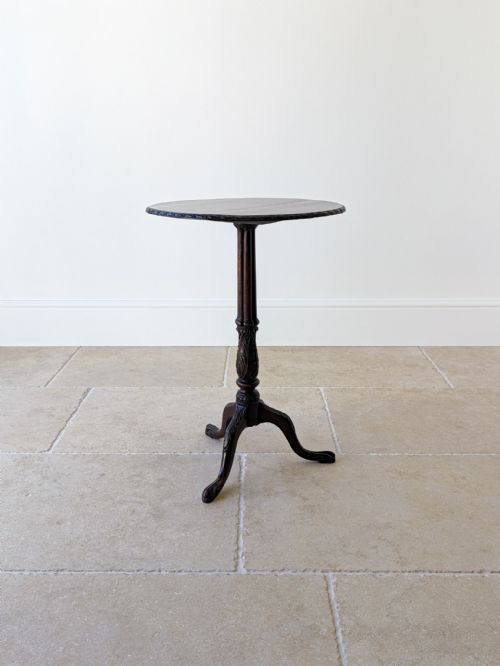
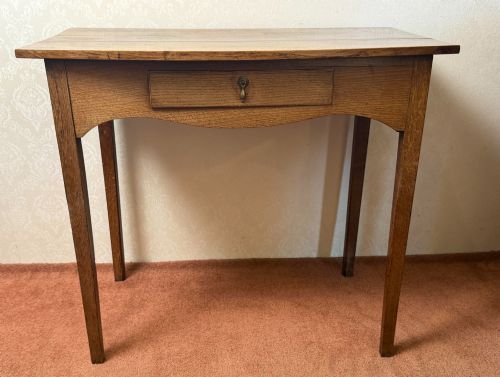
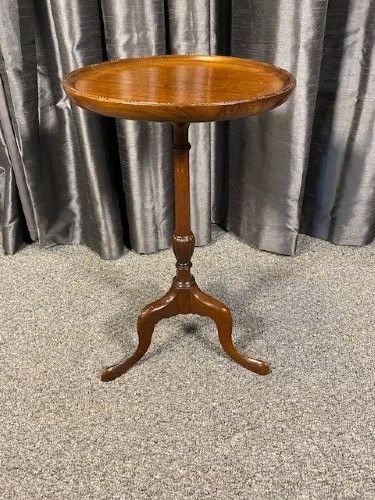
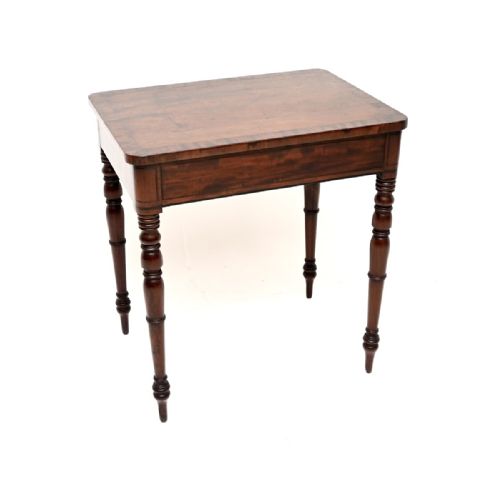
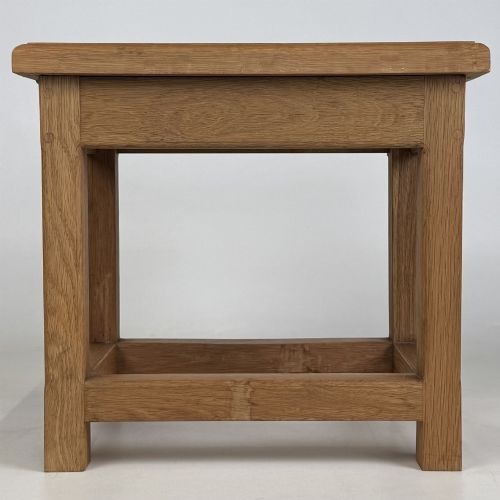
A traditional occasional table serves as a movable surface for small items, spanning forms like wine tables, side tables, nests of tables, and tripod tables.
Buyers meet examples originating from the 18th century, 19th century, Victorian era, and Edwardian period, built to practical domestic scales.
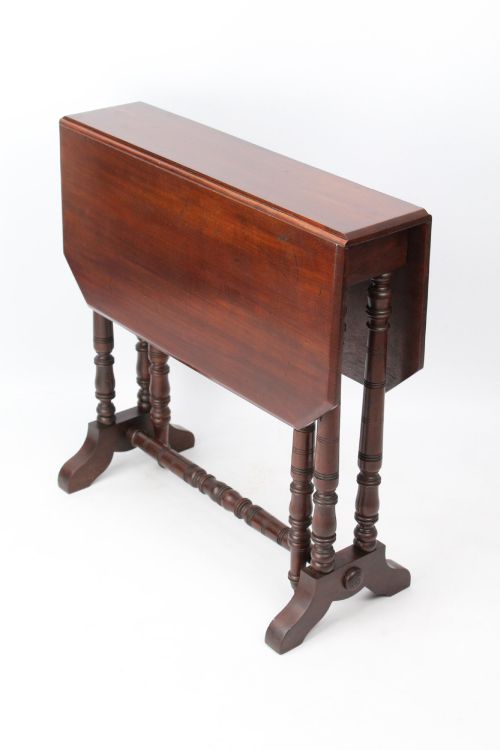
Common formats include tilt-top mechanisms, cricket tables, gateleg designs, and small Sutherland tables designed to tuck into corners or beside seating.
How they were made
Cabinetmakers constructed these pieces using timbers such as mahogany, oak, walnut, pine, satinwood, and yew wood, often applying fine veneer over secondary woods.
Joinery techniques included mortise and tenon frames, turned pedestals, and specialised pivoting mechanisms like birdcage supports for tilt-top tables.
Traditional Occasional Table Retail Price Guide 2026
Typical asking prices for traditional occasional table among the pieces listed under this phrase on Sellingantiques today, from the lower quarter to the upper quarter. They describe what is for sale here now, not the wider market.
Current listings feature materials including mahogany, oak, walnut, pine, satinwood, and yew wood across the 18th, 19th, and 20th centuries.
What varies in quality
The selection of timber grain, particularly figured walnut or well-matched mahogany, distinguishes finer workshops from standard production.
Subtlety of turned details, stability of tripod bases, and precision in folding mechanisms mark the difference between everyday utility and superior craftsmanship.
The Traditional Occasional Table Glossary
- Tripod table
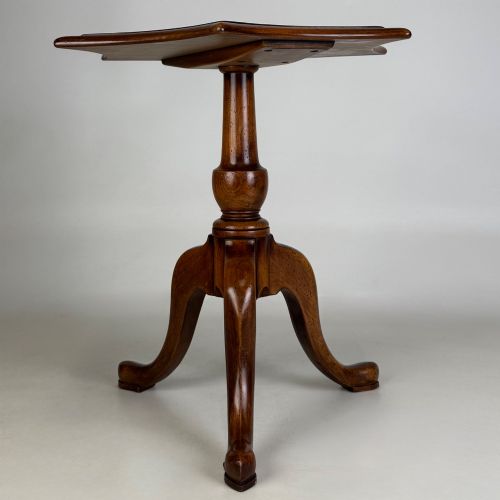
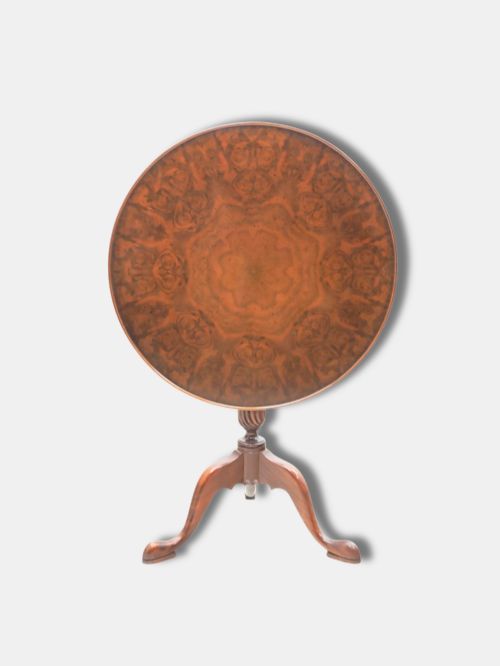
- A small freestanding table supported by a central pillar and three legs. These often feature tilt-top mechanisms for storage.
- Nest of tables
- A set of graduated smaller tables that slide beneath one another. They provide multiple surfaces while occupying minimal floor space.
- Cricket table
- A small, lightweight three-legged wooden table originating from domestic use. They typically feature a round top and stretcher rails.
- Sutherland table
- A narrow folding table with drop leaves supported by swinging gate legs. This design allows the top to fold nearly flat.
- Birdcage mechanism
- A rotating wooden framework beneath a table top. It allows the surface to both pivot and tilt vertically.
Traditional Occasional Table: Frequently Asked Questions
What is a traditional occasional table used for?
These tables provide portable surfaces for holding lamps, books, or drinks beside chairs and sofas. Their compact proportions allow them to fit into corners or narrow spaces without crowding a room.
Historically, specific forms served specialised tasks, such as tall wine tables or small tea tables. Today, they function primarily as flexible accent pieces in living areas.
How do I identify an Edwardian table?
Edwardian tables often display lighter timbers and revival styles influenced by earlier Georgian or Chippendale designs. They frequently appear in oak or mahogany with simplified decorative turnings.
Construction methods from this era combine traditional hand joinery with early machine assistance. Look for proportions and finish details characteristic of the early twentieth century.
What is a tilt-top table mechanism?
A tilt-top mechanism connects the table top to the central pedestal using a pivoting hinge and catch. This allows the surface to fold vertical against the pillar when not in use.
Some examples incorporate a birdcage structure above the pillar, enabling the top to rotate horizontally as well as tilt. This saves space in smaller rooms.
Are nest of tables antique?
Nests of tables span multiple periods, with many surviving examples dating from the Edwardian era and the 1920s. They are built in sets of three or four graduated sizes.
Woods used for these sets typically include mahogany and golden oak. Their multi-tier design made them popular for entertaining in compact Edwardian interiors.