

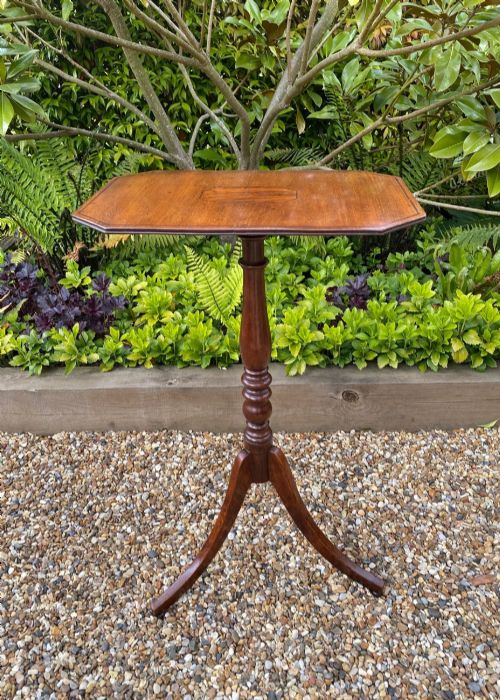
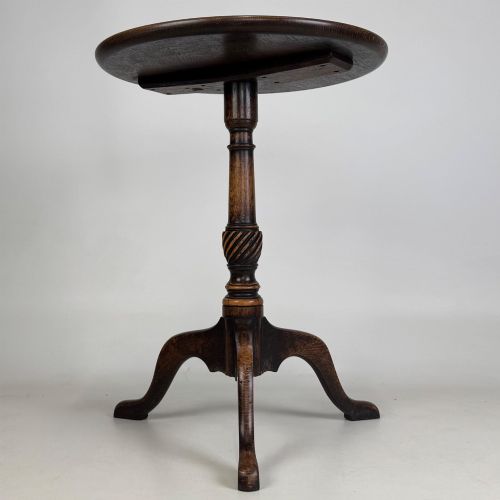
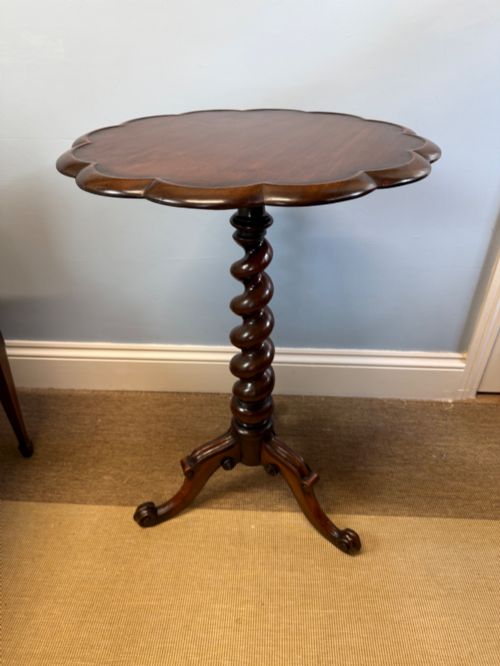
Small Tripod Side Table
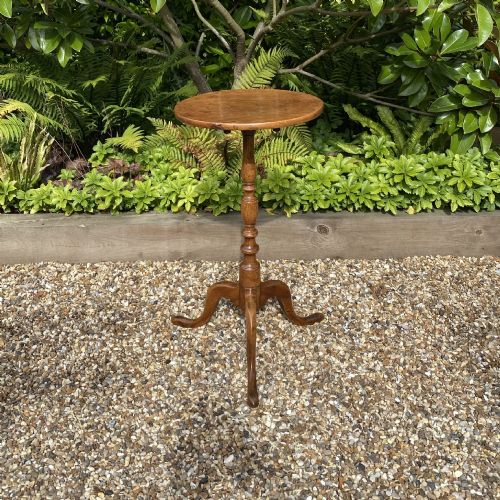
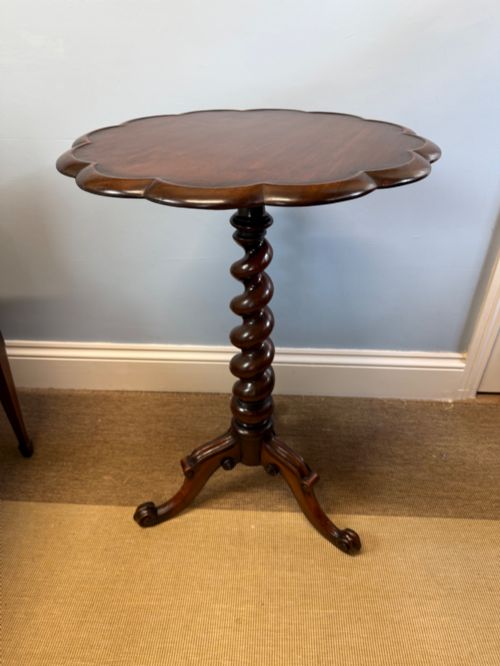
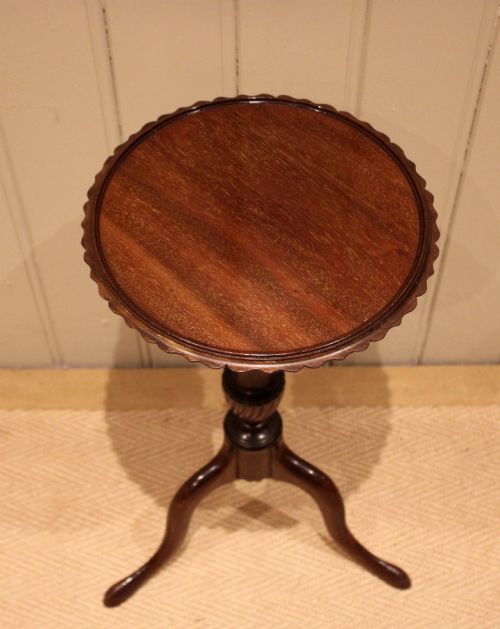
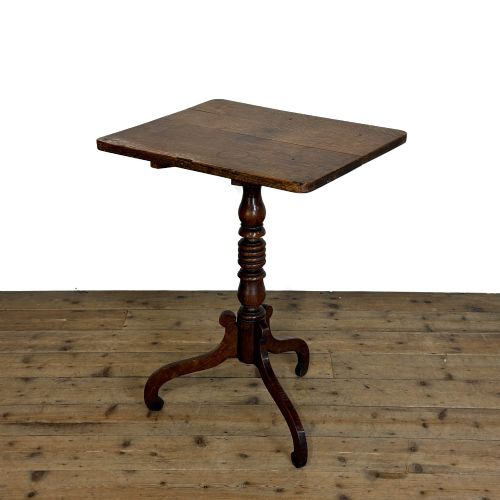
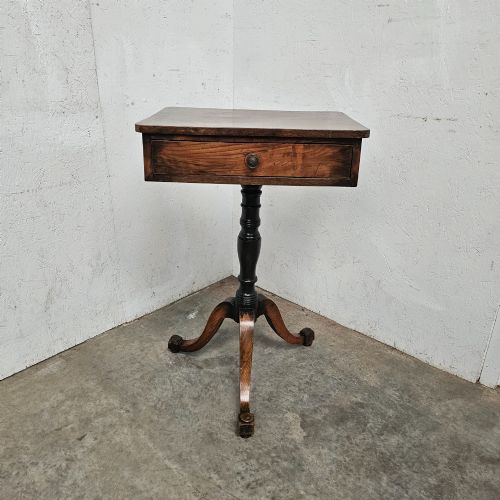
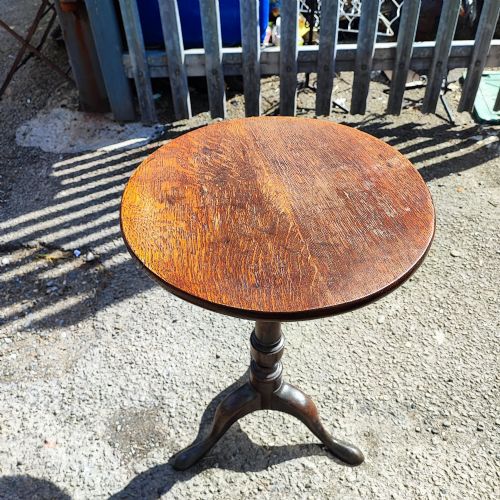
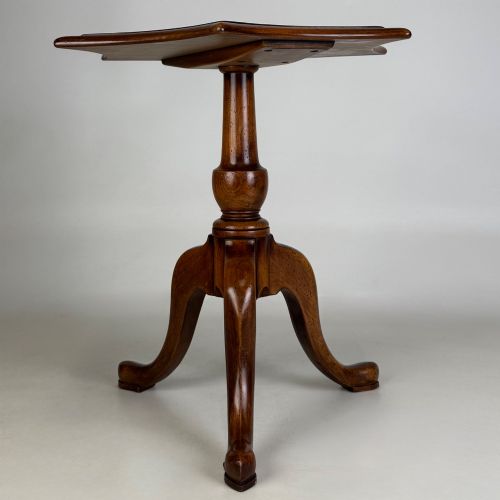
A small tripod side table is a compact pedestal stand built to hold a lamp or glass, offering portable utility across centuries of British and European design.
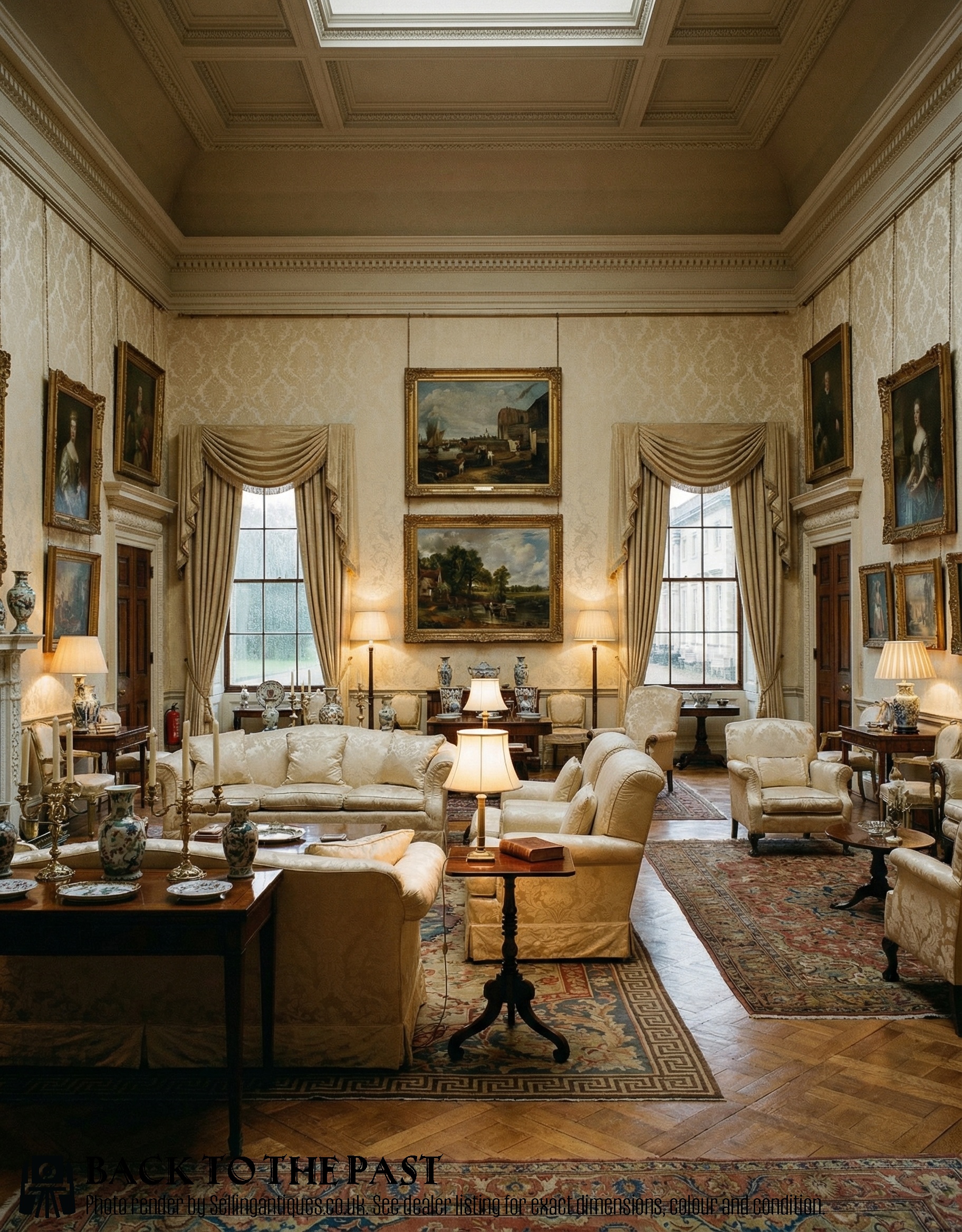
Small Tripod Side Table
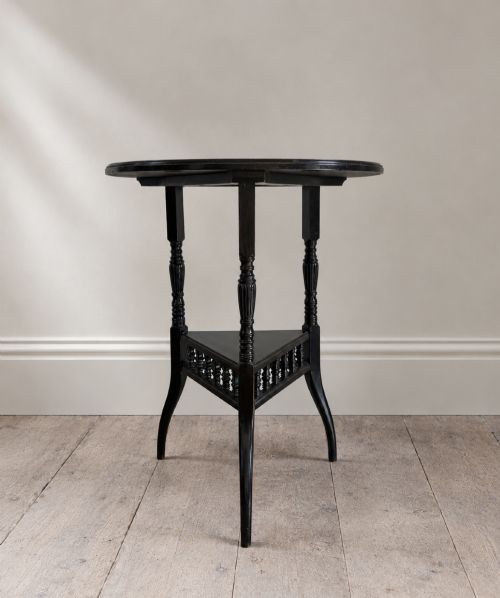
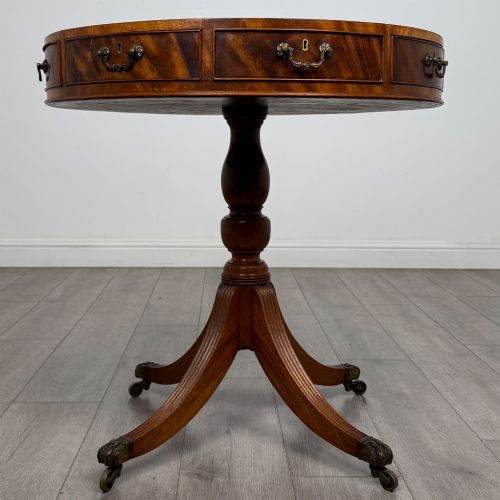
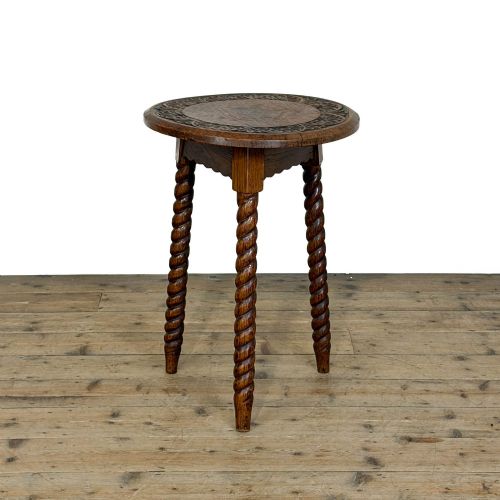
A small tripod side table brings together a central pedestal supported by three legs, forming a stable structure suited for narrow corners and beside seating. The pieces on this page span Georgian, Regency, Victorian, and Edwardian eras, encompassing vernacular country forms alongside refined urban examples.
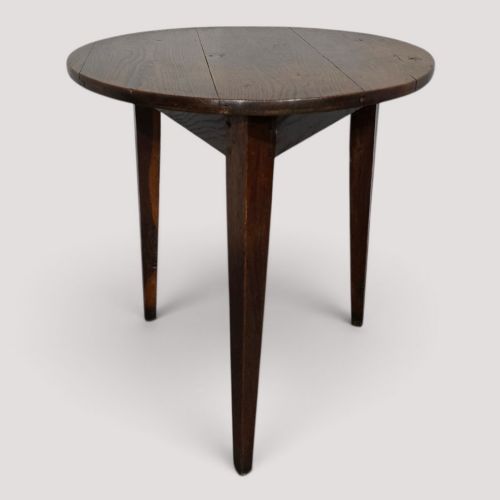
The primary forms appearing here include wine tables, occasional tables, cricket tables, and lamp tables. Many feature tilt-top mechanisms designed to save space when not in use, alongside specific variations like candle stands and drum tables.
Origins range across English vernacular workshops to Swedish craft traditions, utilising local timbers appropriate to each region. Buyers encounter both strict period originals and later revivals from the Edwardian and Arts and Crafts periods.
Materials and Construction
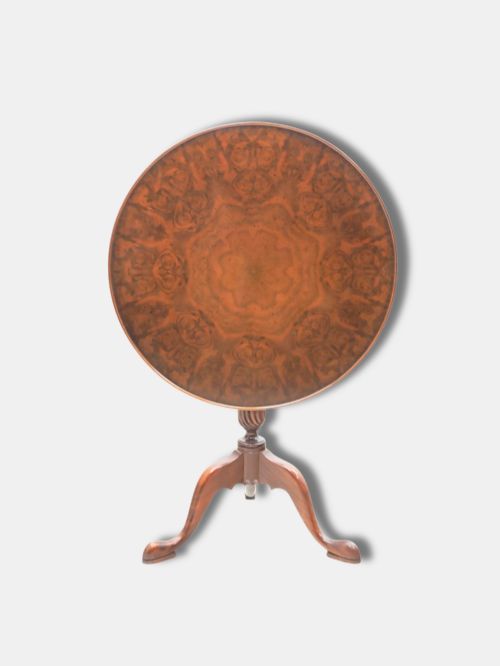
Cabinetmakers constructed these tables primarily in hardwoods such as mahogany, oak, walnut, and fruitwood, often selecting burr veneers for decorative surfaces. Secondary timbers like pine and elm appear in vernacular pieces and structural framing.
Turning and joinery shape the central pedestals and leg assemblies, sometimes incorporating brass fittings or ebonised finishes. Tilt-top variants rely on clever wooden catches and birdcage mechanisms to pivot the circular or shaped tops.
Listings feature woods spanning mahogany, oak, walnut, fruitwood, burr birch, rosewood, and pine across multiple centuries.
Judging Quality
Quality rests in the crispness of the turning, the timber selection, and the stability of the central three-legged joinery. Superior examples demonstrate thoughtful grain matching on the top and solid, well-proportioned legs that bear weight evenly without wobble.
Subtle details separate vernacular utility pieces from formal drawing-room furniture. Hand-carving, finely moulded edges, and original tilting mechanisms indicate higher workshop investment during manufacture.
The Small Tripod Side Table Glossary
- Tilt-top
- A table mechanism allowing the surface to swivel and lock vertically against the pedestal. This clever design enabled easy storage against walls when the room was needed for other purposes.
- Cricket table
- A low, three-legged occasional table originating in country vernacular contexts. These sturdy pieces typically feature a round wooden top supported by pegged legs.
- Wine table
- A small occasional stand designed to hold drinking vessels beside a chair. They frequently incorporate circular dish tops or raised rims.
- Pedestal table
- Any freestanding table supported by a central column rather than four corner legs. This format maximises legroom for anyone seated nearby.
- Ebonised
- Wood finished to resemble ebony through staining or painting. This technique enjoyed popularity during the Arts and Crafts and Victorian eras.
Small Tripod Side Table: Frequently Asked Questions
What were small tripod tables used for?
These versatile stands served multiple domestic duties, holding candles, books, tea service, or wine glasses beside seating areas.
Their light weight allowed servants or residents to move them easily around the room depending on immediate needs.
How do I spot a tilt-top mechanism?
Look underneath the circular surface for a wooden block or catch that releases the tabletop, allowing it to pivot upright.
Original mechanisms often feature simple wooden wedges or clever birdcage framing that permits the top to rotate as well as tilt.
Are these tables sturdy on carpet?
Three-legged furniture naturally finds balance on uneven stone or timber floors without rocking.
Deep pile carpets can mask minor discrepancies, but the tripod footprint remains inherently stable compared to four legs that require completely flat surfaces.
How do I tell Georgian from Edwardian versions?
Georgian pieces generally show native timbers like oak and early mahogany with hand-cut joinery and simpler, functional proportions.
Edwardian items frequently draw on earlier styles through revival movements, sometimes incorporating machine-assisted turning alongside lighter framing.