

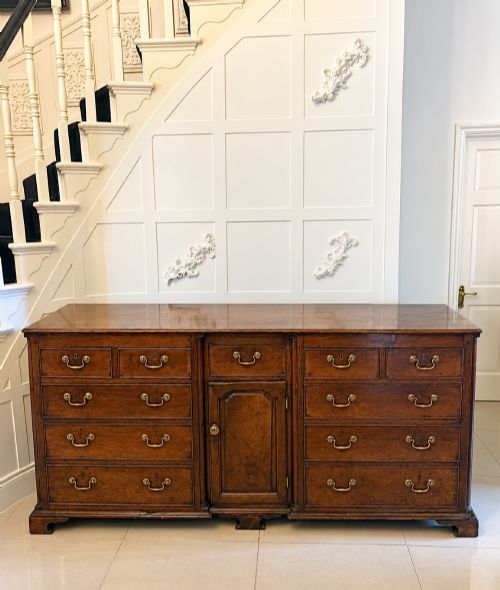
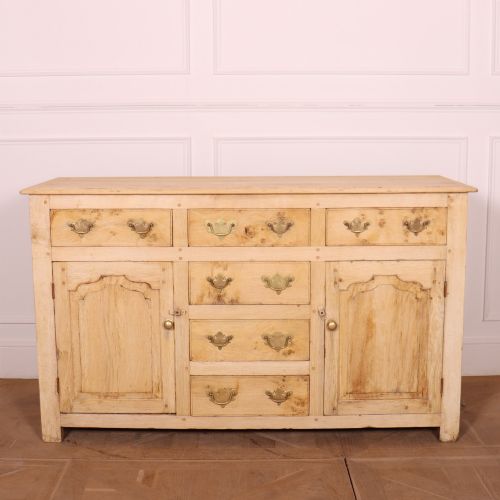
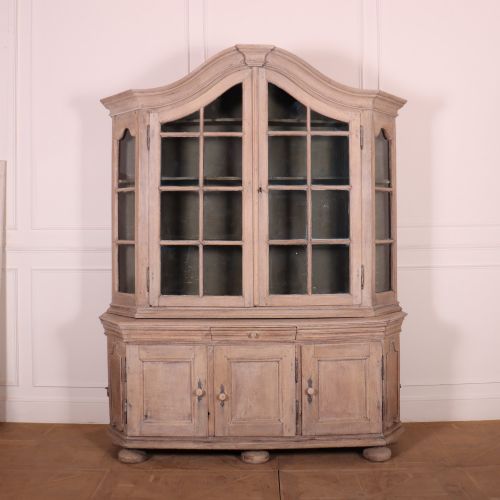
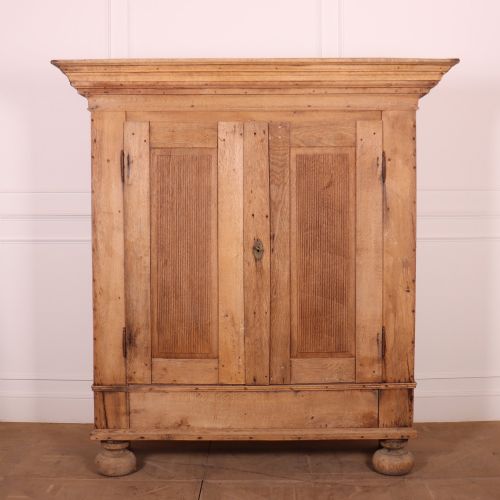
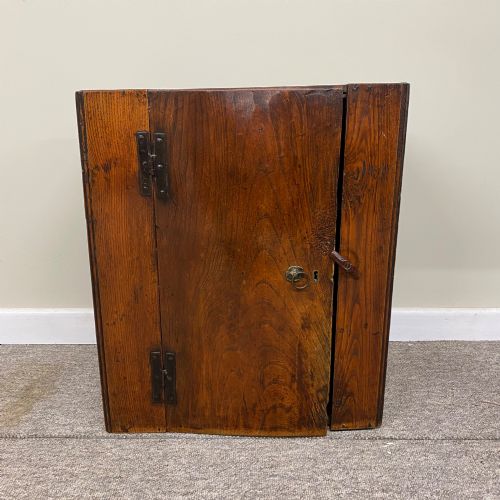
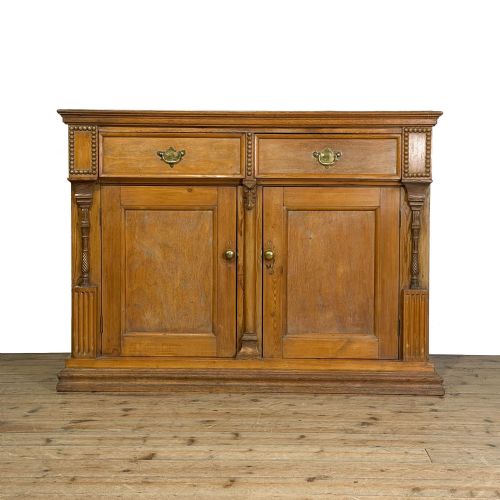
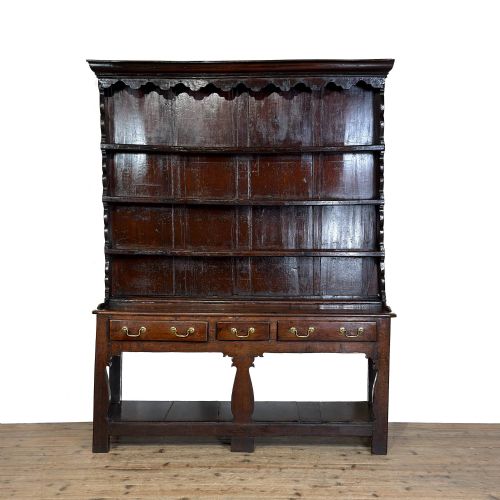
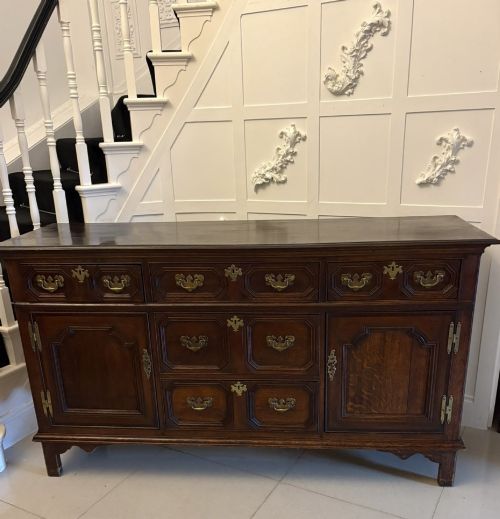
Country Oak Cupboard
A country oak cupboard brings the solid honesty of regional domestic life into a modern room through time-worn timber and honest joinery.
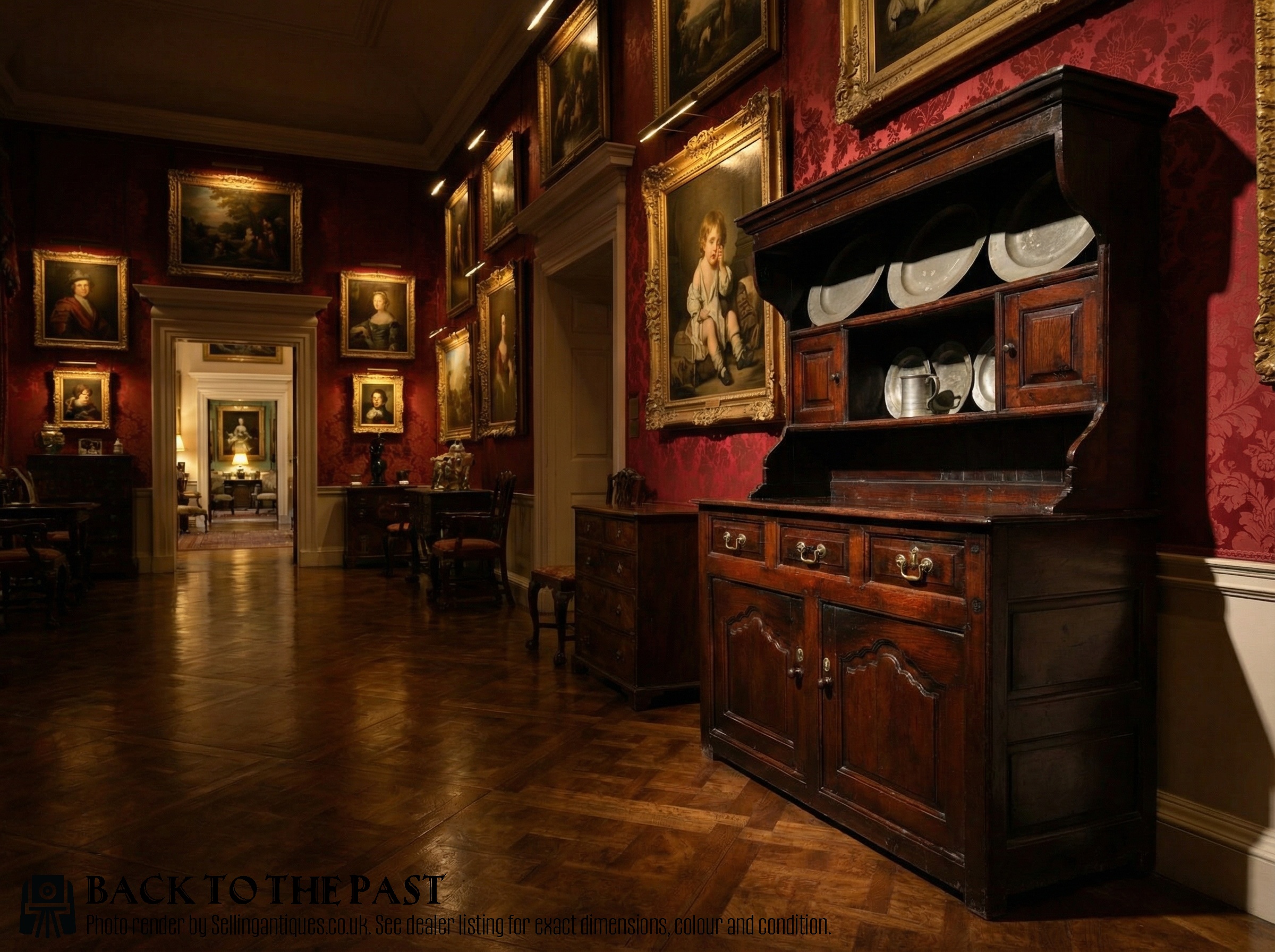
Country Oak Cupboard
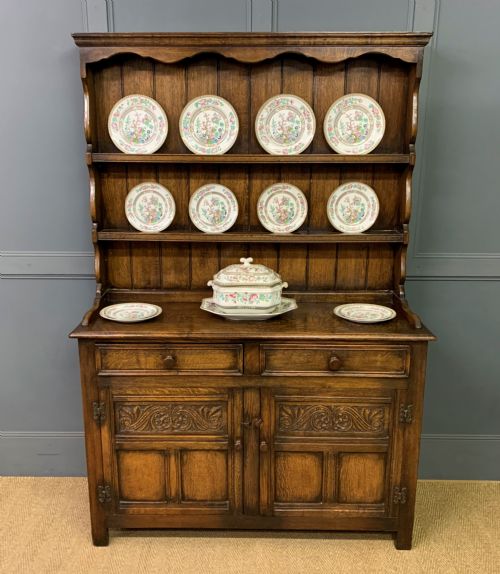
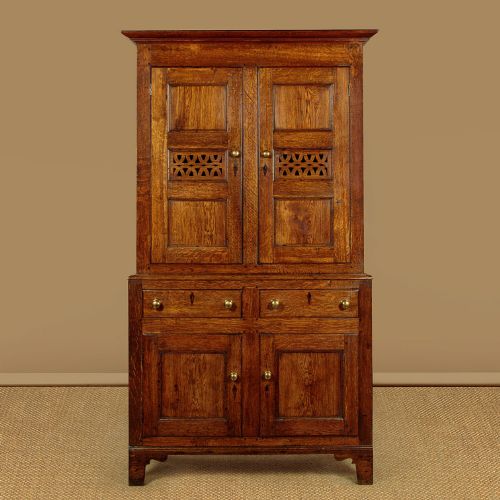
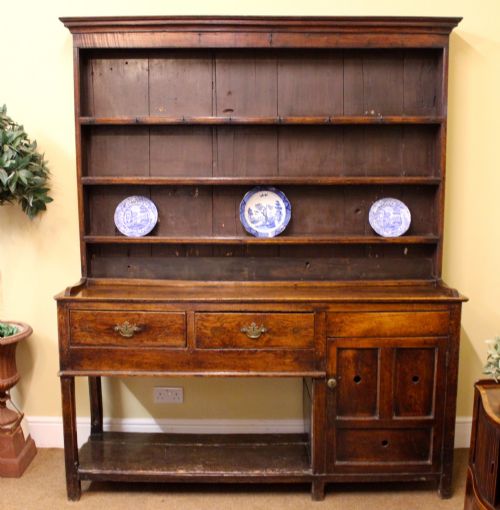
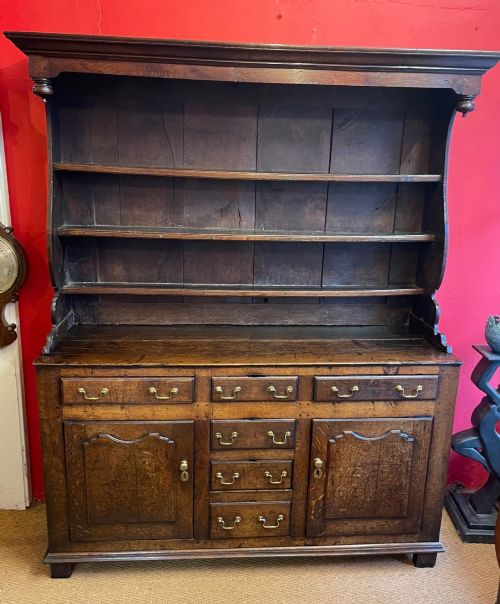
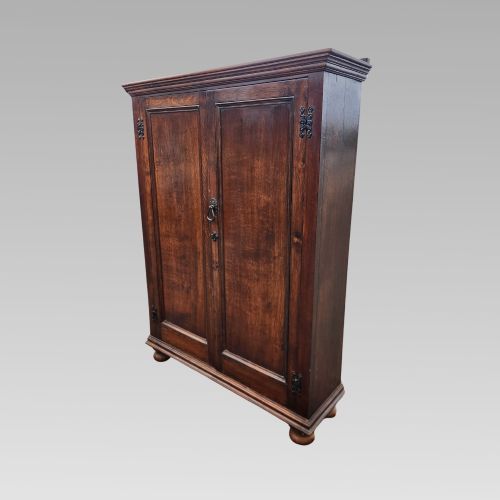
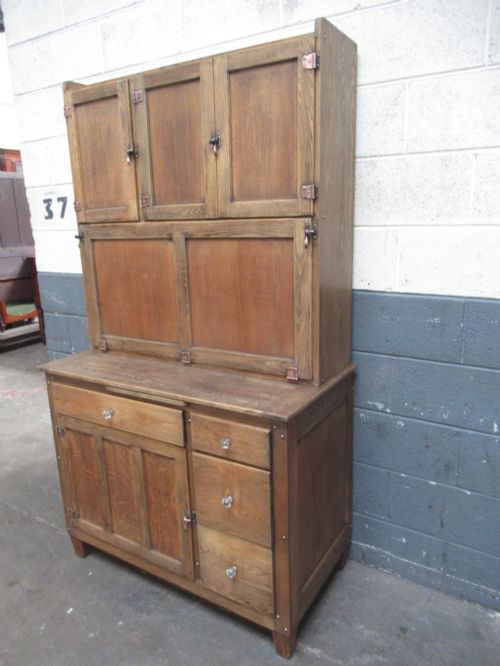
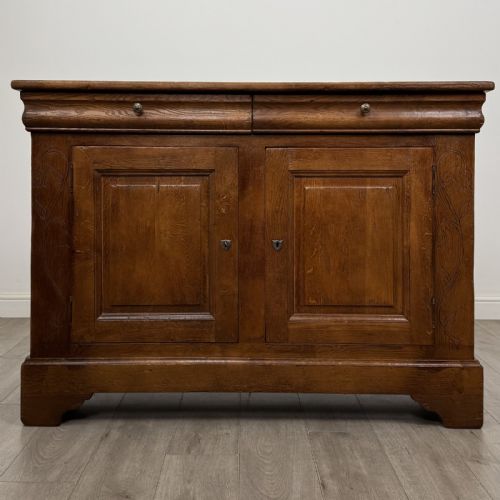
A country oak cupboard encompasses utilitarian storage furniture built for provincial houses, farmhouses and cottages rather than metropolitan mansions. When exploring this selection, a buyer encounters everything from tall housekeeping presses and court cupboards to wall-hanging corner cabinets and low dresser bases.
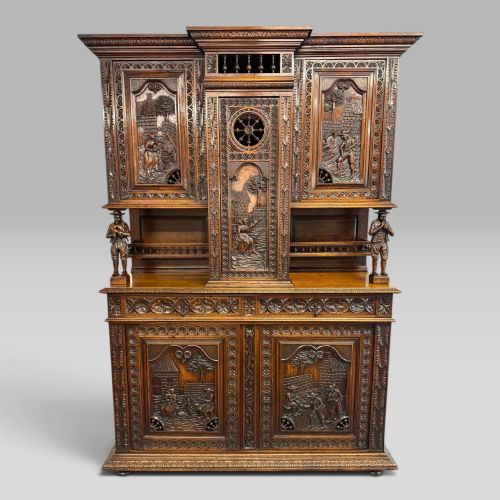
The regional origins of these pieces span English country workshops, Welsh vernacular makers and French provincial carpenters. Oak remains the primary structural timber, frequently paired with secondary woods like pine or fruitwood depending on local availability and tradition.
Most examples date from the seventeenth through the nineteenth centuries, reflecting periods when furniture was built by local joiners to last for generations. Surviving pieces show the utilitarian functions they served in domestic interiors, holding linen, food stores, kitchenware or garments.
Materials and Construction
Makers relied on solid oak boards for structural integrity, often utilising frame-and-panel construction to accommodate the natural seasonal movement of the timber. Cupboard doors and cabinet sides employ pegged mortise and tenon joints rather than modern mechanical fasteners.
Secondary materials such as wrought iron hinges, brass escutcheons and glass panes appear on specific forms like corner cabinets and dresser bookcases. Surfaces typically display the deep patina accumulated through centuries of daily use, wax polishing and simple maintenance.
Country Oak Cupboard Retail Price Guide 2026
Typical asking prices for country oak cupboard among the pieces listed under this phrase on Sellingantiques today, from the lower quarter to the upper quarter. They describe what is for sale here now, not the wider market.
Some seventeenth-century cupboards were built so heavily they likely outlived the houses that originally commissioned them.
Assessing Quality
Quality in a country oak cupboard rests upon the integrity of the original timber and the restraint of subsequent interventions. Pieces retaining their original brass hardware, backboards and unthinned surfaces hold greater historical value than those altered by heavy restoration or aggressive stripping.
The sophistication of the joinery and provincial carving distinguishes standard utilitarian items from exceptional regional commissions. Well-proportioned panels, crisp mouldings and stable construction indicate competent rural craftsmanship that endures through centuries of active service.
The Country Oak Cupboard Glossary
- Court cupboard
- A heavy seventeenth-century storage piece featuring an upper recessed cabinet supported by columns above a lower section. These items served as status symbols in prosperous rural dwellings.
- Fielded panel
- A wooden panel with bevelled edges designed to fit into a grooved frame, allowing the wood to expand and contract safely with humidity changes. This technique is standard in traditional oak cabinetry.
- Housekeeper's cupboard
- A tall floor-standing storage unit traditionally used for linen, blankets or provisions in large country houses. They usually combine multiple doors and interior shelving or sliding trays.
- Tridarn
- A traditional Welsh three-tier cupboard featuring stacked stages for display and enclosed storage. They represent specialised vernacular woodworking from the eighteenth century.
- Corner cupboard
- A triangular cabinet designed to fit neatly into room angles, produced in both wall-hanging and floor-standing formats during the Georgian period.
Country Oak Cupboard: Frequently Asked Questions
How do I use a country oak cupboard today?
These versatile cabinets adapt easily to contemporary rooms for storing tableware, linens, books or pantry items. Their substantial proportions make them natural focal points in kitchens, hallways and living spaces.
Placing them away from direct heat sources and modern radiators protects the aged timber from drying out or splitting. Regular waxing maintains the moisture balance and preserves the natural surface sheen.
How can I tell the age of an oak cupboard?
Examining the tool marks, construction methods and timber characteristics reveals the manufacturing period. Hand-sawn boards, pegged joints and original wrought iron hardware generally point to earlier eighteenth or seventeenth-century origins.
Later nineteenth-century and Edwardian pieces often incorporate machine-cut elements, standard screw types and thinner secondary timbers. Comparing the panel construction and overall wear patterns against dated examples helps confirm the timeline.
Are these cupboards made entirely of solid oak?
While the primary exterior surfaces, doors and frames are constructed from solid oak, regional makers frequently utilised secondary woods. Backboards, interior shelving and drawer linings often comprise pine, fruitwood or elm.
This practice was standard economic sense for provincial cabinetmakers who used local timber where it remained hidden from view. These mixed-wood interiors are entirely authentic to vernacular furniture production.
What is the difference between English and French provincial styles?
English and Welsh country furniture emphasises rectilinear proportions, framed panels and robust structural honesty. The aesthetic focuses on functional utility within rural cottages, farmhouses and manors.
French provincial armoires and enfilades tend to feature softer lines, shaped mouldings and fruitwood accents alongside the oak. Regional carvers often incorporated decorative floral motifs unique to specific departments across France.