




French Oak Buffet
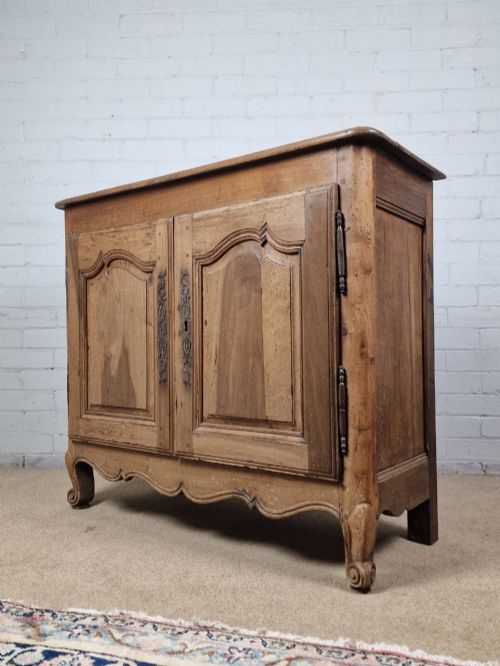
Heavy oak, deep panels and generous storage define a french oak buffet, a regional workhorse designed for storing provisions and displaying domestic silver.
French Oak Buffet
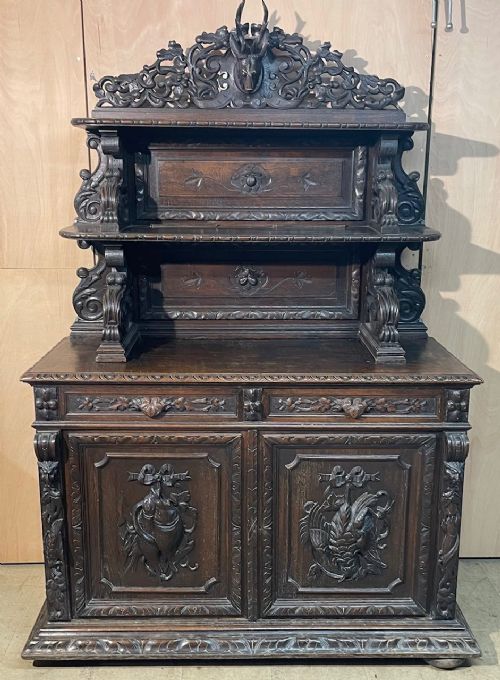
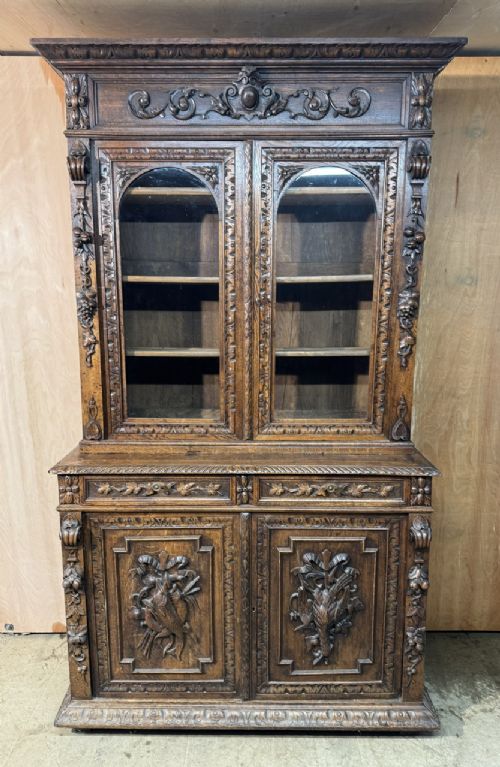
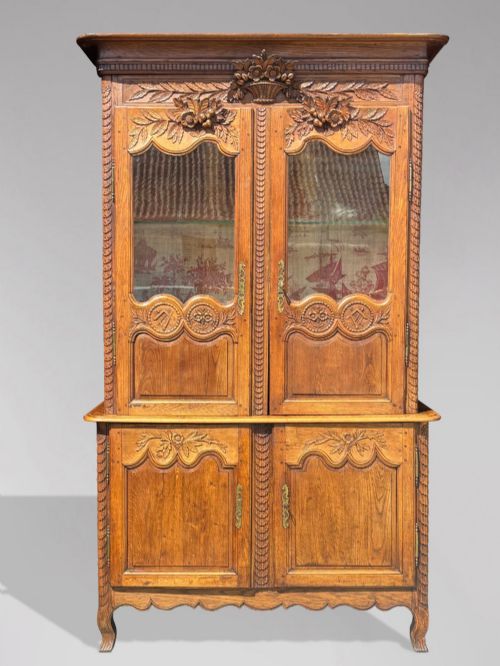
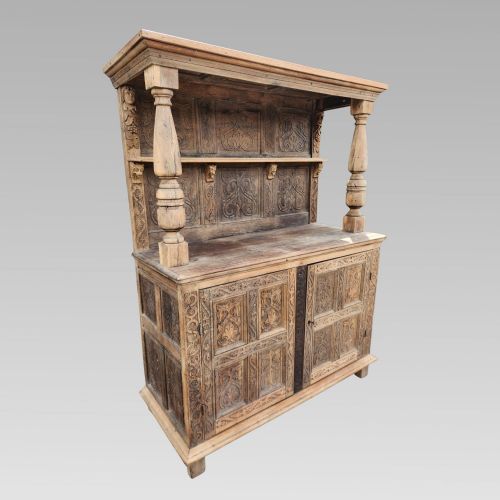
A french oak buffet encompasses low serving pieces, multi-tiered enfilades and towering cupboards built to service rural homesteads, provincial townhouses and provincial estates. Pieces span seventeenth-century origins through to mid-twentieth-century interpretations, showing regional traits from Normandy larder cupboards to grander Louis XV and Renaissance Revival forms.
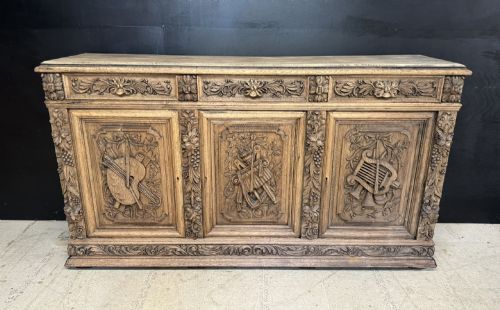
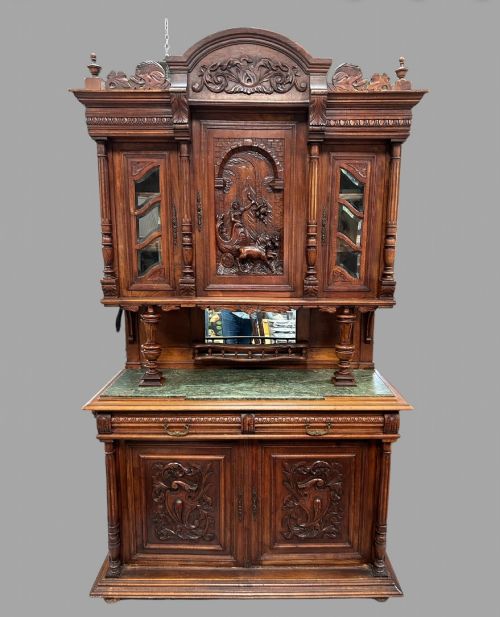
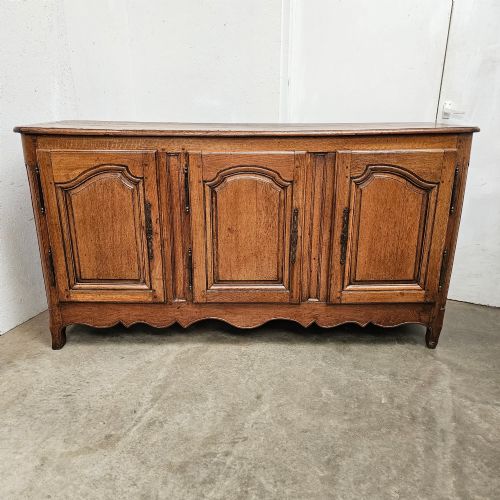
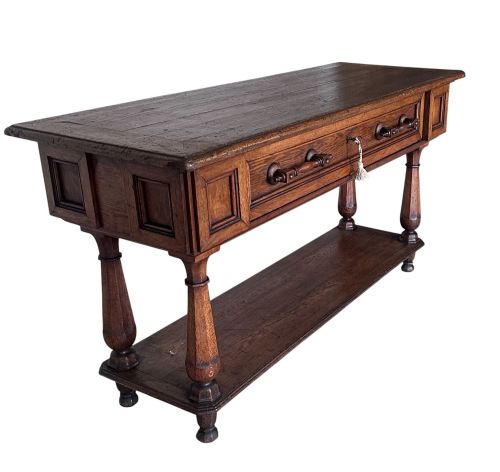
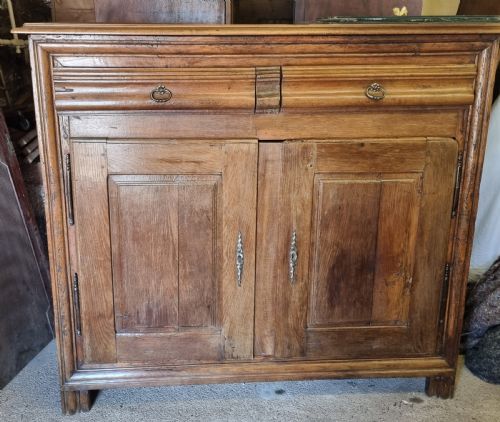
The buyer meets single-tier servers, two-body buffet deux corps constructions and wide three-door enfilades designed for dining rooms and large kitchens. These substantial items serve as practical storage cabinets and display surfaces while anchoring a room with dense timber grain and traditional joinery.
Materials and construction
Makers built these pieces primarily from solid local oak, occasionally incorporating fruitwood, walnut, chestnut, elm or wrought iron hinges and brass mounts. Surfaces often display hand-carved panels, deep mouldings and pegged mortise and tenon joints.
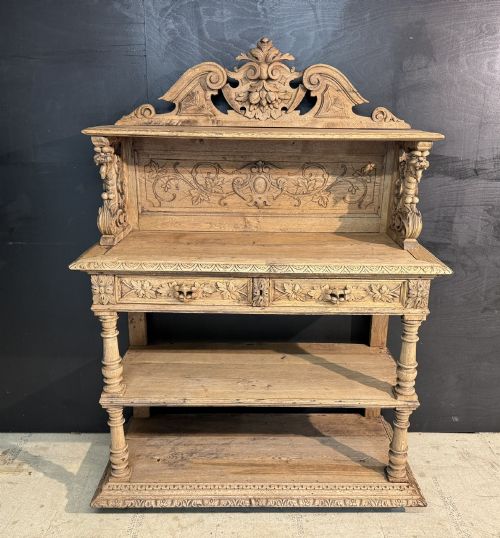
Later mid-century iterations introduce parquetry tops and lighter bleached oak finishes, while traditional examples rely on heavy planking and panelled doors to handle domestic wear.
French Oak Buffet Retail Price Guide 2026
Typical asking prices for french oak buffet among the pieces listed under this phrase on Sellingantiques today, from the lower quarter to the upper quarter. They describe what is for sale here now, not the wider market.
Regional forms on this page include Normandy larder cupboards, sacristy cabinets, housekeeping cupboards and grand buffet deux corps variants.
Assessing construction and finish
Quality rests in the depth of the hand-carving, the crispness of the fielded panels and the integrity of the original timber rather than plain surface sheen. Superior examples maintain structural harmony between upper and lower bodies on two-tier pieces, with doors that swing true on original iron hardware.
Proportion and regional character dictate standing, where fluid curves on Louis XV models or robust architectural detailing on Renaissance Revival examples reflect skilled workshop execution.
Charles Dudouyt·Krieger of Paris·Gaston Poisson
The French Oak Buffet Glossary
- Buffet deux corps
- A two-part storage cabinet featuring a smaller upper cupboard set back on a larger lower base. This form provided substantial capacity for linen and tableware in large domestic settings.
- Enfilade
- A long sideboard fitted with three or more doors in a continuous line. Makers designed these wide servers for grand dining rooms to hold service items.
- Parquetry
- Geometric wood inlay arranged in patterns across table and sideboard tops. This decorative technique displays the cabinetmaker's precision.
- Fielded panel
- A raised central panel set within a grooved frame to allow wood to expand and contract with seasonal humidity. It adds depth and shadow to cabinet doors.
French Oak Buffet: Frequently Asked Questions
What is a buffet deux corps?
A buffet deux corps is a tall, two-piece storage cabinet featuring a smaller upper section resting on a deeper lower base. These pieces provided extensive storage for household provisions and dining linen in traditional homes.
The separation into two bodies also made moving these massive oak structures through regional doorways somewhat more manageable during transport.
How do I use a french oak buffet today?
These cabinets serve effectively in dining rooms and large kitchens for storing tableware, glassware and serving platters. The broad top surfaces also function well for serving food during gatherings.
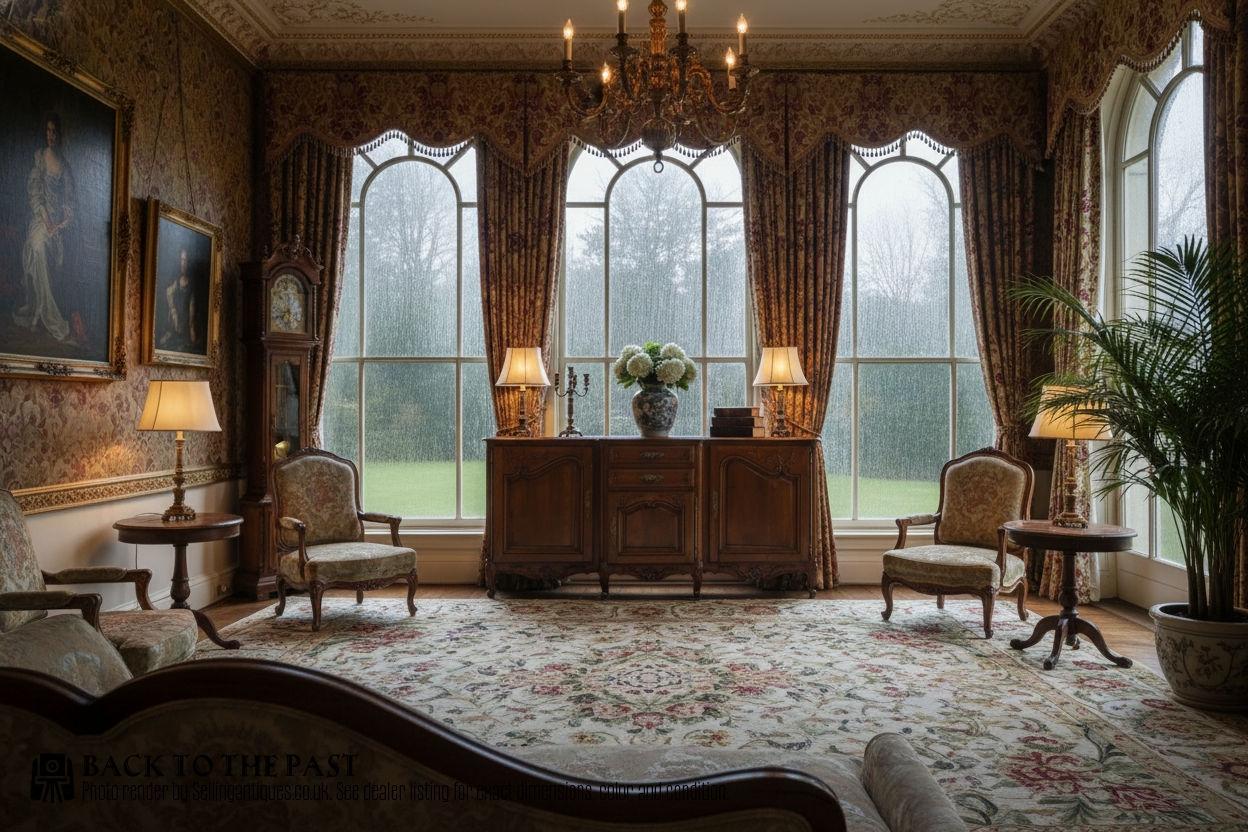
In living areas or hallways, lower servers and enfilades provide concealed storage while displaying lamps, books or decorative objects.
How do I distinguish eighteenth-century pieces from later revivals?
Eighteenth-century examples show hand-cut peg joints, irregular adze marks on internal boards and patination built up through generations of use. Regional variations also follow strict local traditions of construction.
Nineteenth-century Renaissance Revival or Chateau style pieces often feature heavier, deeper mechanical carving and standardised interior fittings suited to later tastes.
What is the difference between an enfilade and a standard buffet?
An enfilade is a much longer sideboard featuring three or more cabinet doors aligned in a continuous row. This extended format was built for large provincial dining rooms.
A standard buffet typically uses a two-door or three-door layout with a more compact footprint suited to smaller rooms.