




18th Century French Cabinet
An 18th century french cabinet brings architectural timber and regional craftsmanship directly into a room, offering practical storage with distinct period presence.
What an 18th century french cabinet is
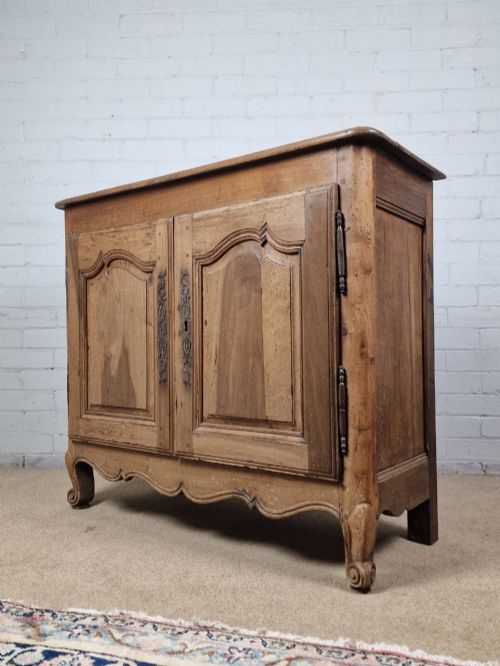
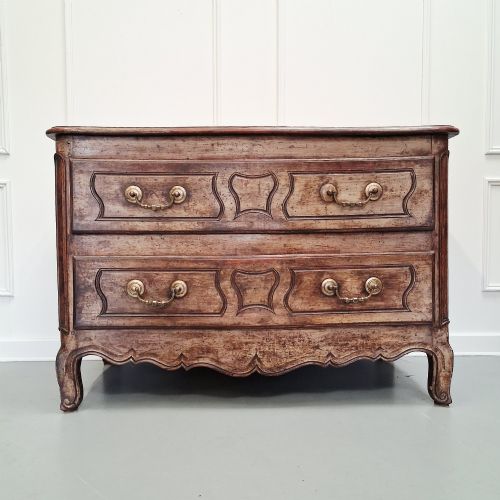
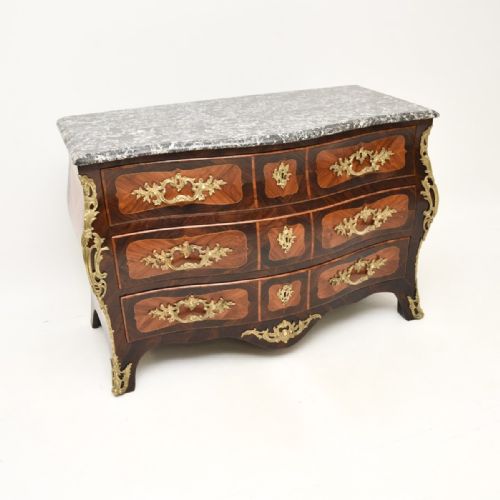
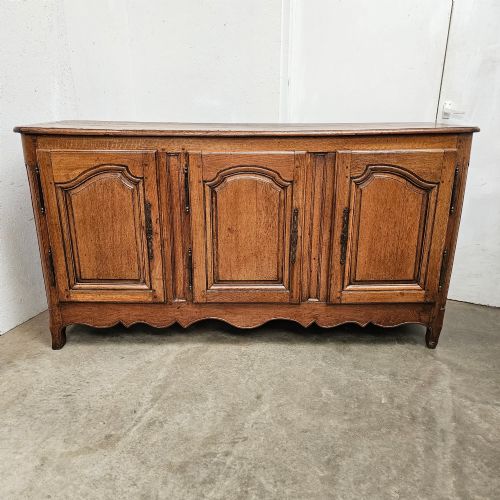
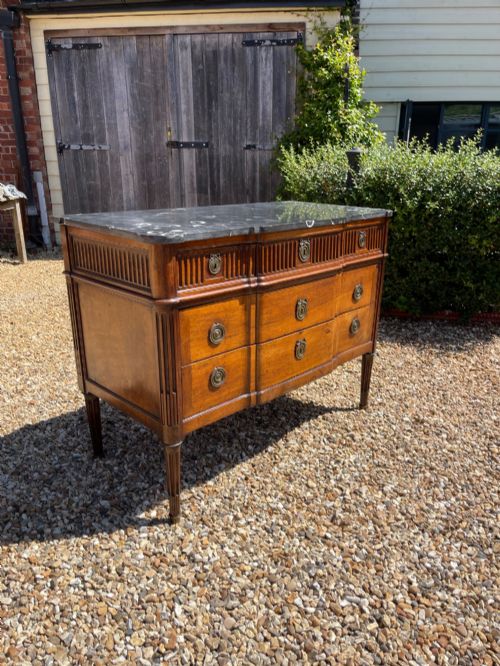
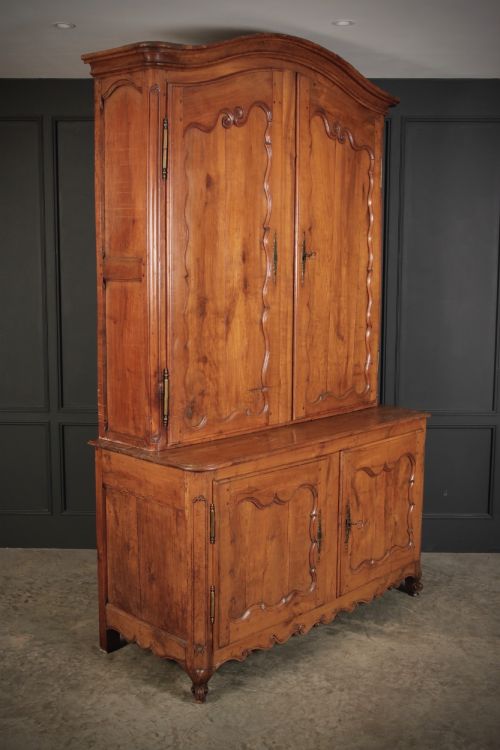
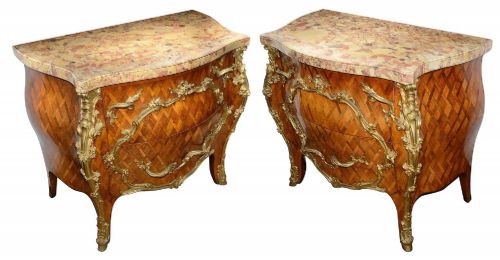
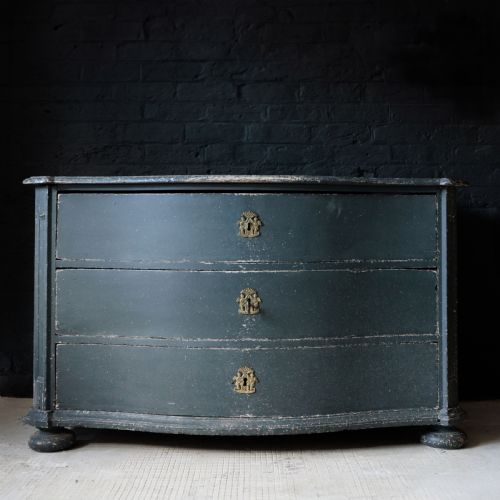
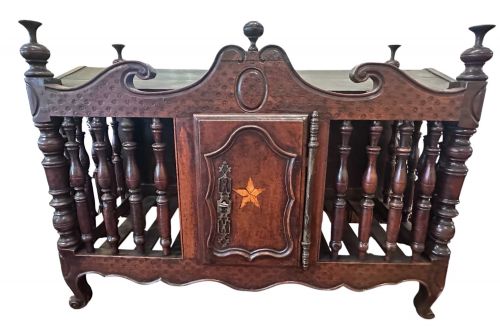
When searching for an 18th century french cabinet, buyers look at large architectural storage pieces and smaller provincial case furniture originating from France during the seventeen-hundreds. The selection on this page centres heavily on sturdy oak, walnut, ash, elm, and kingwood examples spanning the Louis XV style and French Provincial traditions.
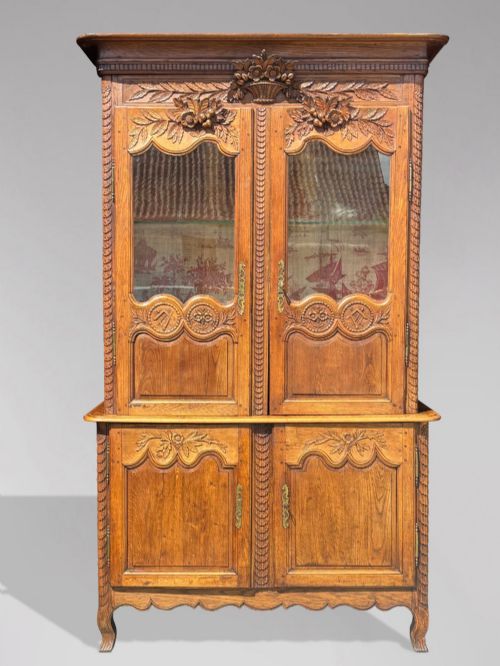
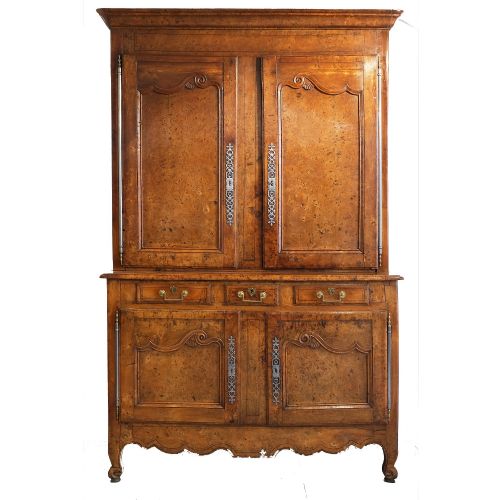
Most pieces encountered here take the form of buffet deux corps, vitrines, cupboards, and sideboards. These items served domestic storage needs in French dining rooms and halls, combining lower cupboards with upper display sections or serving surfaces.
Regional variations dominate the offerings, showing both formal marquetry work and heavy vernacular framing. Buyers find everything from monumental two-piece buffets down to compact side cabinets and corner units.
Materials and construction methods
Construction relies primarily on solid regional timbers like oak, walnut, ash, and elm, alongside decorative veneers such as kingwood and mahogany. Cabinetmakers joined panels using traditional frame and panel techniques to accommodate seasonal wood movement in unheated domestic spaces.
Metalwork played a functional and decorative role, with brass, iron, and steel utilised for hinges, escutcheons, and mounts. Glass panels appeared in upper vitrine doors to showcase tablewares, while internal fabric linings sometimes added softness to display interiors.
Retail Price Guide 2026
Typical UK retail prices for 18th century french cabinet, calculated from the Sellingantiques database of over a million retail prices indexed since 2003. This retail price guide relies exclusively on Sellingantiques data; no external sources or auction records are used, so the figures do not describe the wider market.
Listings feature structural timbers including oak, walnut, ash, and elm alongside decorative kingwood and mahogany.
Distinctions in quality
Quality rests on the selection of timber and the precision of the joinery rather than surface ornamentation alone. Superior examples display tight grain matching in walnut or oak, alongside hand-carved mouldings integrated directly into the structural frame.
The sophistication of the hardware and the presence of maker stamps elevate certain pieces. Refined surface treatments, from original polish to controlled liming, distinguish professional Parisian workshops from heavier provincial vernacular output.
Leonard Boudin
The 18th Century French Cabinet Glossary
- Buffet deux corps
- A large two-stage storage piece featuring a lower cupboard section surmounted by a matching upper cupboard or display housing. This form provided substantial capacity for domestic dining ware and linens in French households.
- Vitrine
- A glass-fronted cabinet designed for displaying porcelain, glassware, or valuables. The glazed doors protected contents from dust while allowing full visibility.
- Marquetry
- The art of applying decorative veneer pieces in wood to a structural structure to form geometric or floral patterns. This technique required precise cutting and fitting of contrasting timbers.
- Giltwood
- Timber that has been coated with a thin layer of gold leaf. This finish appeared on high-status decorative furniture intended for formal reception rooms.
Frequently Asked Questions
How do I spot provincial style?
French Provincial furniture shows simpler lines, heavier proportions, and regional timber choices like oak, ash, and elm. These pieces prioritised sturdy utility over courtly elegance.
Carvings on provincial furniture tend to be more rustic and floral, reflecting local traditions rather than strict Parisian fashion.
Where were these cabinets used?
These cabinets served primarily in dining rooms, halls, and sitting rooms for storing food, linens, and tableware. Larger pieces acted as central storage hubs in domestic interiors.
Smaller side cabinets and corner units filled alcoves and smaller reception spaces where floor area was at a premium.
How do I care for antique timber?
Keep antique cabinets away from direct heat sources and dramatic humidity swings to prevent wood splitting or warping. Dust them gently with a dry cloth and avoid modern silicone polishes.
Feeding the wood occasionally with appropriate wax helps maintain the surface sheen and protects the historic finish.