

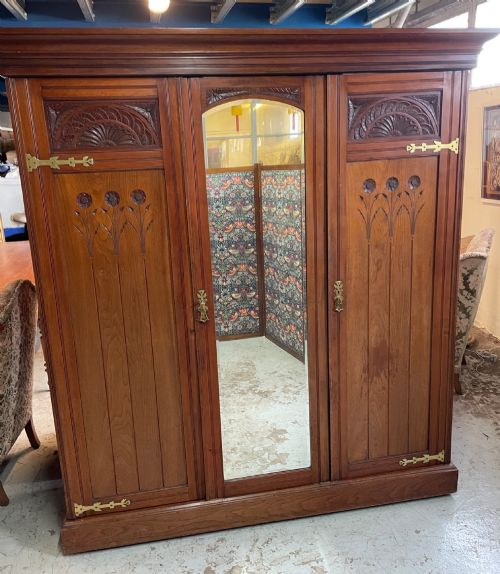
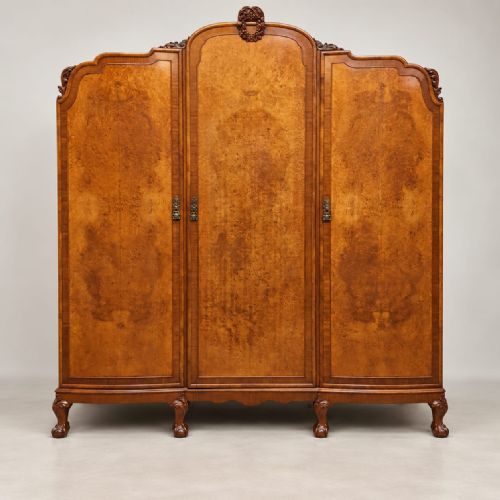
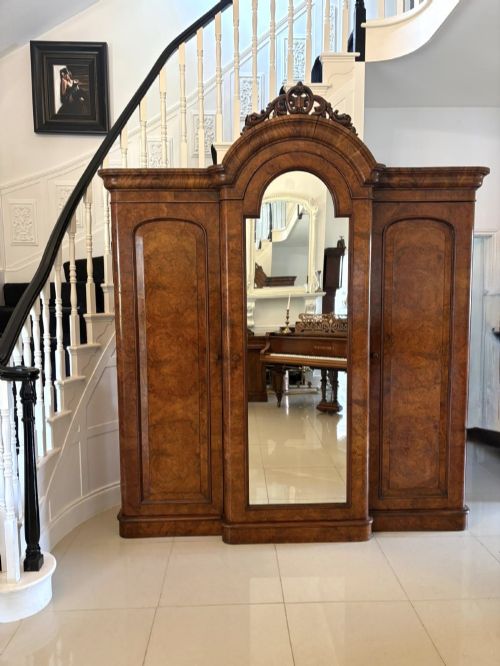
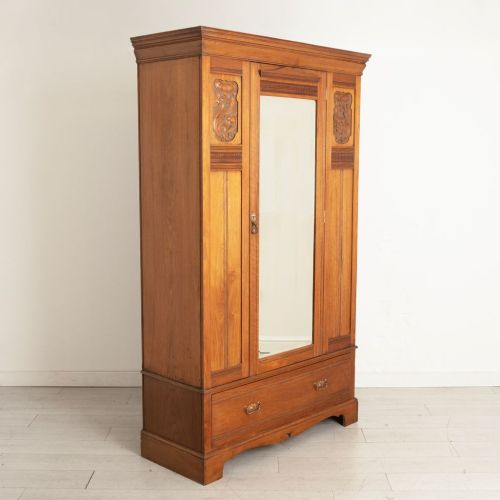
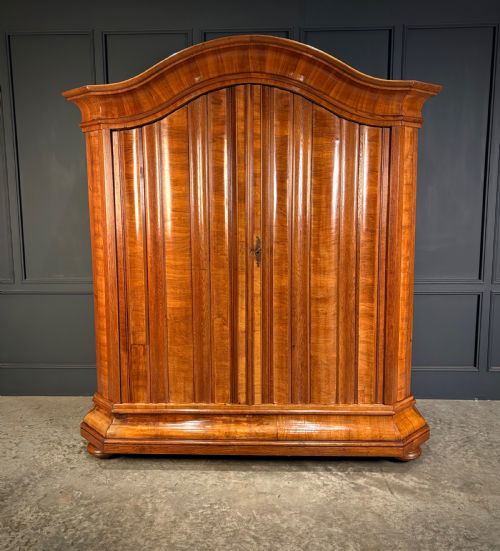
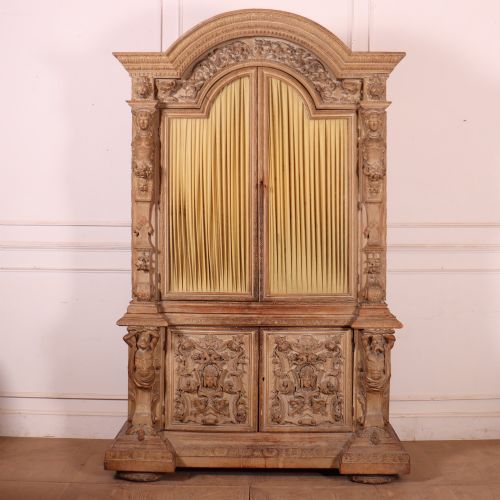
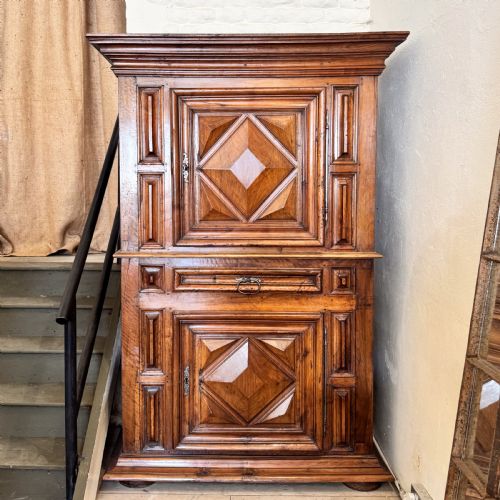
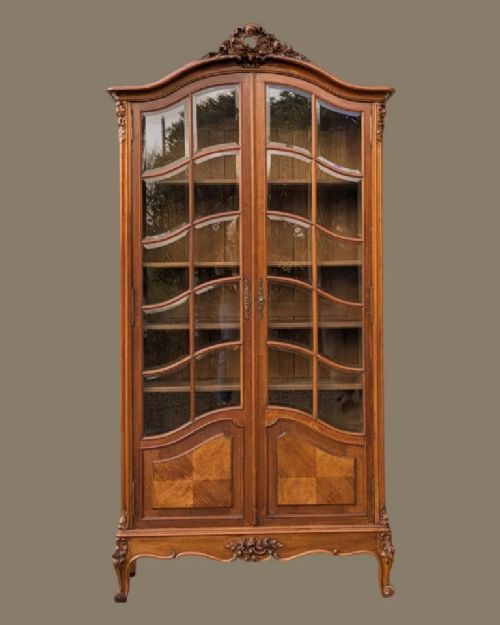
Carved Walnut Armoire
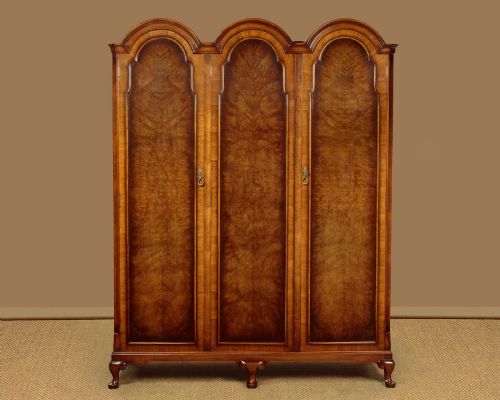
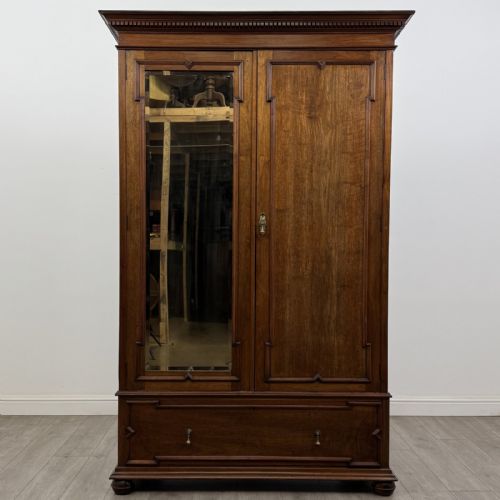
When you search for a carved walnut armoire, you seek substantial timber storage pieces spanning continental and British traditions.
Carved Walnut Armoire
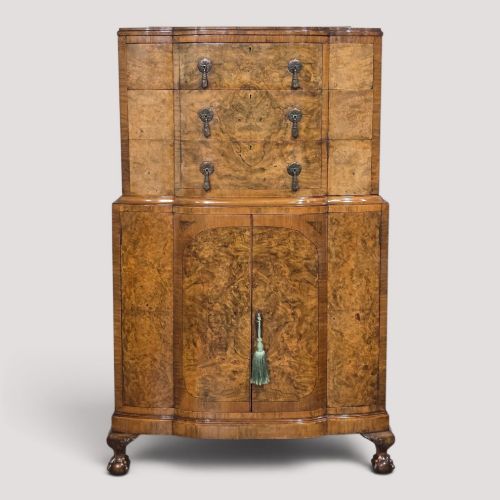
A carved walnut armoire represents large-scale timber storage furniture originating primarily from French and broader continental workshops, alongside British counterparts often catalogued as wardrobes or cabinets. These pieces function as monumental storage items for clothing and household goods, utilising significant floor presence and substantial internal capacity.
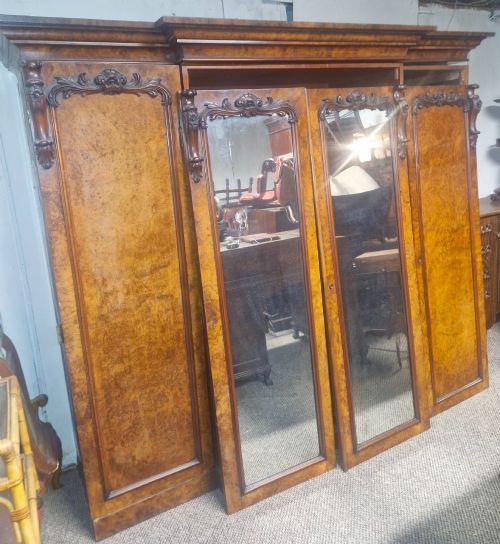
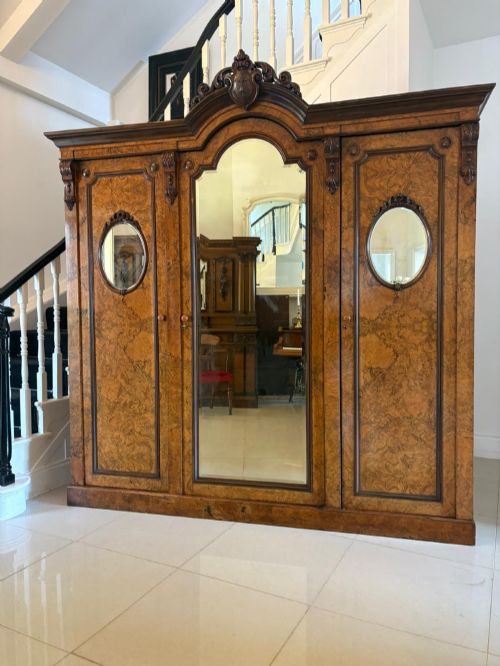
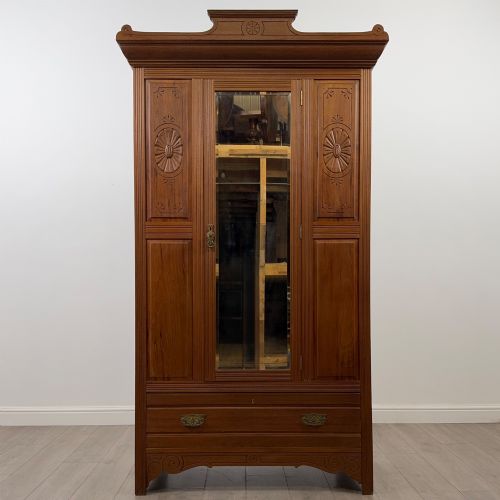
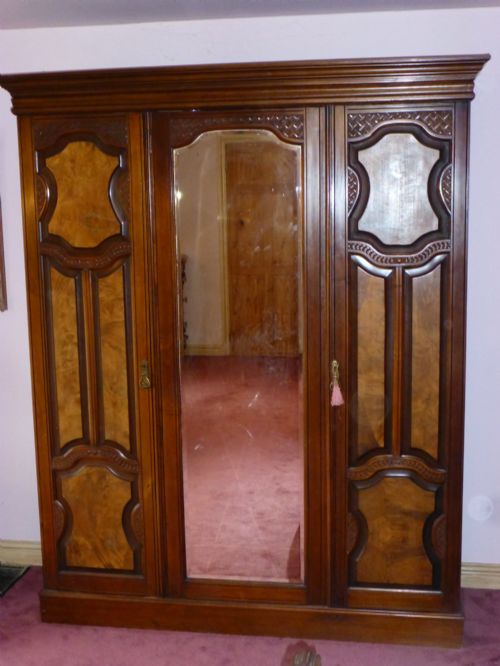
The selections span from seventeenth-century provincial work through eighteenth-century examples to Victorian and early twentieth-century interpretations, with French regional styles and British triple wardrobes appearing frequently. Buyers encounter single door, double door, and triple door formats, occasionally incorporating mirrored glass panels, fitted interior drawers, or compactum compartments.
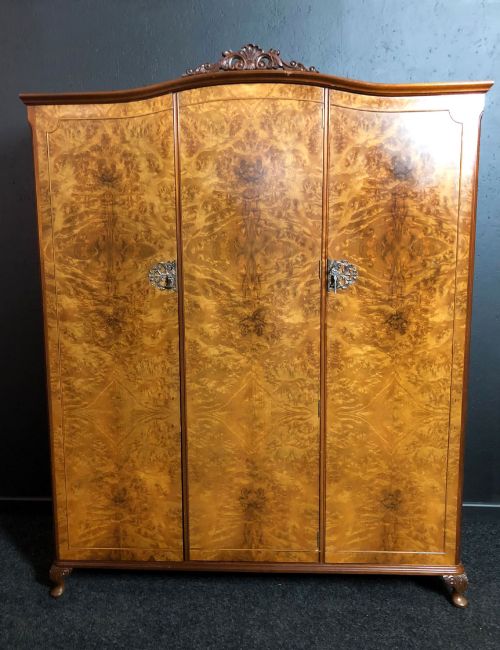
Continental pieces lean towards traditional French carved armoires with detailed panel work, while British variants frequently display Victorian burr walnut grain patterns and architectural proportions. Both streams share a reliance on figured walnut timbers and robust joinery designed to contain heavy garments and linens.
How they were made
Cabinet makers constructed these wardrobes and armoires using solid walnut and decorative burr walnut veneers applied over secondary woods, supplemented by brass hardware, iron hinges, and mirror glass panels. Timber selection prioritized rich grain movement, particularly figured and burr walnut sections that catch light across large door surfaces.
Construction techniques combined traditional frame and panel joinery with hand-carved ornamentation, allowing timber to expand and contract across seasonal temperature shifts without splitting the primary structure. Hardware integration involved heavy brass escutcheons and robust iron locking mechanisms fitted into thick timber doors.
Carved Walnut Armoire Retail Price Guide 2026
Typical asking prices for carved walnut armoire among the pieces listed under this phrase on Sellingantiques today, from the lower quarter to the upper quarter. They describe what is for sale here now, not the wider market.
One exceptional bedroom suite includes six matching burr walnut pieces, proving that someone once committed entirely to a very swirly timber grain.
What varies in quality
Quality differences emerge in the selection and matching of walnut veneers, the depth and crispness of hand-carving on door panels and cornices, and the integrity of internal fitted compartments. Superior examples display symmetrical burr walnut figuring across wide surfaces and deeply undercut carving rather than shallow machine profiling.
The architectural execution of cornices, plinths, and door stiles separates standard utility pieces from high-status commissions, particularly in larger triple wardrobes and continental armoires. Internal configuration also marks distinction, where original fitted linen slides, shoe racks, and matching drawer boxes survive intact.
Holland and Sons·Shapland and Petter
The Carved Walnut Armoire Glossary
- Armoire
- A tall cupboard or wardrobe used for storing clothing, originating in France. Traditional versions feature large double doors enclosing hanging space or shelving.
- Burr walnut
- A decorative timber veneer taken from the growth wart of a walnut tree, prized for its swirling, intricate grain patterns. Cabinet makers applied it to prominent exterior surfaces like doors and drawer fronts.
- Compactum
- A multi-compartment wardrobe combining hanging space, drawers, and shelving within a single unified case. This form emerged strongly during the Victorian period for efficient bedroom storage.
- Vitrine
- A glass-fronted cabinet or display case designed to showcase delicate objects, porcelain, or books. These pieces incorporate glazed doors and sides to maximise visibility.
- Ormolu
- Gilt-bronze mounts applied as decorative ornaments to furniture surfaces. French cabinet makers utilised these metallic accents to enrich the visual weight of significant armoires.
Carved Walnut Armoire: Frequently Asked Questions
How do I dismantle a large armoire for moving?
Many large armoires and triple wardrobes utilise pegged frame construction or knockdown bolt systems designed for transport between rooms. Examining the interior joining bolts and cornice fixings reveals whether the piece separates into crown, base, and side panels.
Enlisting professional antique movers ensures heavy mirrored doors and solid walnut panels avoid structural twisting during reassembly.
Where should I place an armoire in a modern home?
These tall timber cabinets require sturdy walls and adequate floor clearance to accommodate wide swinging doors and deep cornices. Positioning them away from direct heat sources prevents the walnut veneer from drying and lifting over time.
Bedrooms and large hallways provide traditional utility, while spacious living areas accommodate bookcase or vitrine variants effectively.
How do I tell an 18th century armoire from a Victorian copy?
Eighteenth-century French armoires typically display hand-hewn internal construction marks, pegged mortise and tenon joints, and regional timber species specific to their province of origin. The carving depth and tool marks differ substantially from later revival pieces produced in industrial workshops.
Examining the backboards, hinge types, and lock mechanisms provides further evidence of period manufacture versus nineteenth-century interpretation.
What is the difference between an armoire and a compactum?
An armoire functions primarily as a hanging cupboard with open internal space behind large doors, often derived from continental traditions. A compactum divides the interior into dedicated sections for hanging garments, sliding trays, and multiple drawers.
Victorian cabinet makers developed the compactum format to maximise storage organisation within a single timber case.