



Nineteenth Century Armoire
A nineteenth century armoire brings substantial storage and distinct regional character to a room, offering robust timber construction paired with generous internal hanging space and shelving.
Nineteenth Century Armoire
A nineteenth century armoire encompasses large freestanding storage pieces, including wardrobes, linen presses, housekeeper's cupboards, and cabinets. These items originate from diverse stylistic traditions spanning French Provincial, Regency, Victorian, and Scandinavian country designs.
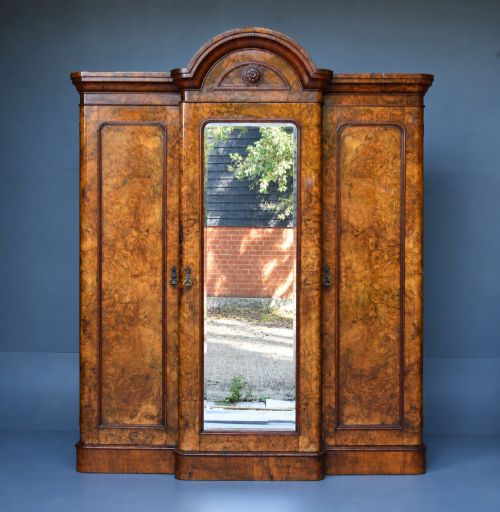
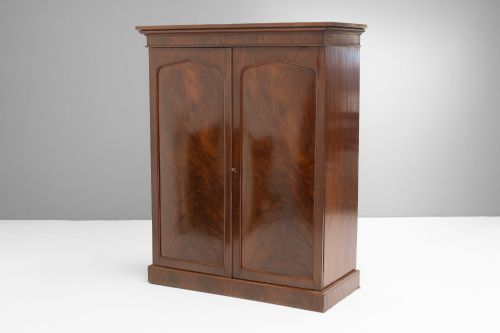
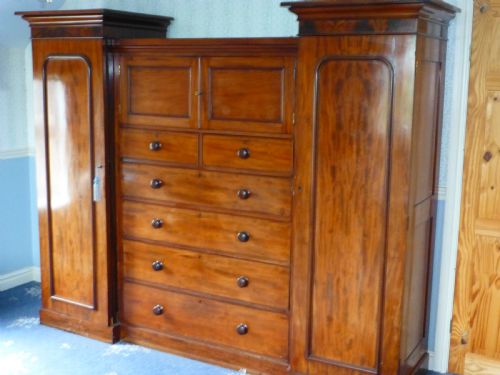
The version most commonly encountered on this page is constructed from mahogany, walnut, or pine, often taking the form of a substantial two-door or triple wardrobe. Pieces vary from simple painted country pine cupboards to elaborate burr walnut and ormolu-mounted continental armoires.
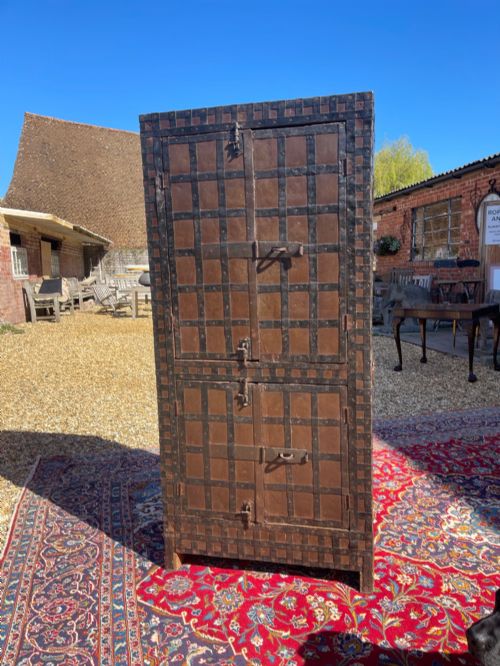
Makers and workshops across Britain, France, Sweden, and India produced these large storage items to meet domestic demands for garment and linen management. The overarching function remains practical storage, delivered through diverse regional aesthetics.
How they were made
Cabinet makers utilised dense native and exotic timbers, laying flame mahogany veneer over supportive pine or oak carcases. Solid woods such as oak, cherry, fruit wood, birch, and walnut provided the structural integrity needed for large wardrobes and linen presses.
Surface decoration involved applied brass fittings, ormolu mounts, gilt bronze details, and hand-painted finishes on pine. Skilled joiners constructed panelled doors, breakfront sections, and fitted interiors utilising traditional dovetail joints and wooden pegging.
What varies in quality
The calibre of the timber selection dictates the overall standard, distinguishing plain pine or utilitarian boards from highly figured burr walnut, flame mahogany veneer, and finely carved Italian walnut. Rich grain patterns and carefully matched veneers elevate the visual impact of the piece.
Interior configuration and structural complexity also mark the tier of manufacture, moving from simple shelved cupboards to fitted compactum wardrobes with internal drawers and hanging space. Integrated architectural details, such as breakfront cornices and quality brass hardware, demonstrate superior craftsmanship.
Gillows
The Nineteenth Century Armoire Glossary
- Compactum
- A large multi-compartment wardrobe combining hanging space, drawers, and shelving within a single unified piece. This fitted interior design became popular during the nineteenth century for organised clothing storage.
- Linen press
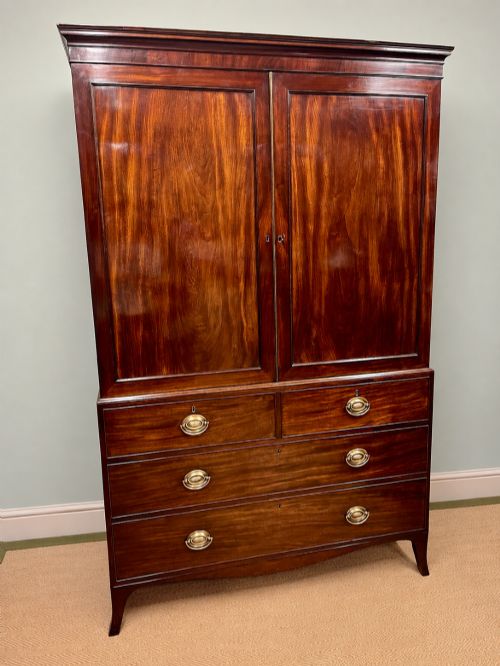
- A tall storage piece featuring sliding trays or shelves in the upper section above a bank of drawers below. These cabinets were traditionally built to store folded textiles and bed linens.
- Breakfront
- A cabinet facade where the central section projects forward from the flanking wings. This architectural arrangement creates depth and shadow across large wardrobes and bookcases.
- Ormolu
- Gilt bronze mounts applied as decorative ornamentation to high-status continental furniture. This decorative technique highlights corners, cornices, and door panels on luxury armoires.
- Housekeeper's cupboard
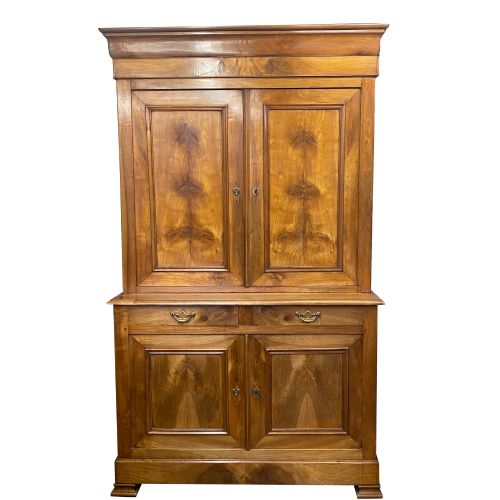
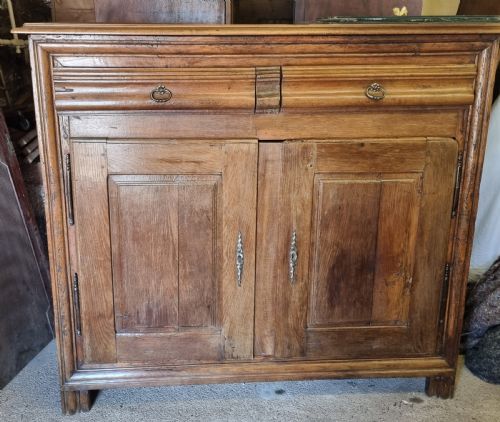
- A large utilitarian storage unit traditionally used in country houses to store provisions, household linen, and dry goods. These pieces often feature panelled doors and sturdy pine or oak construction.
Nineteenth Century Armoire: Frequently Asked Questions
What is a nineteenth century armoire used for?
These large timber cabinets provide substantial storage for garments, folded linens, and household items. Their deep internal cavities accommodate hanging space and adjustable shelving.
Historically, homes relied on these freestanding pieces before built-in bedroom closets became standard architectural practice. Today, they serve the same practical purpose while adding period presence to modern interiors.
How do I tell different regional styles apart?
Regional characteristics reveal themselves through timber choice, mouldings, and decorative hardware. French and Italian examples often feature carved walnut, fruit wood, or gilt bronze mounts, while British pieces frequently employ mahogany or oak.
Scandinavian and country pieces tend to utilise painted pine or birch with simpler panelled doors. Examining the timber and construction details points directly to the country of origin.
Are these wardrobes easy to dismantle for moving?
Many nineteenth century armoires and large cupboards were built as two-part units or designed to dismantle into a cornice, base, and side panels to facilitate transport. Housekeeper's cupboards and large presses often separate horizontally.
Checking the construction reveals whether the carcase uses knock-down bolts or fixed joints. Professional installation is often recommended due to the heavy timbers involved.
What is the difference between an armoire and a linen press?
An armoire is primarily designed for hanging garments behind full-length doors, though some interiors include internal shelving. It functions as a freestanding wardrobe.
A linen press specifically pairs sliding internal trays or shelves in the upper half with drawers in the lower section. This internal layout reflects its original purpose of storing folded household textiles.