

French Walnut Cabinet
When you search for a french walnut cabinet, you are looking at practical storage pieces built across the nineteenth and twentieth centuries.
French Walnut Cabinet
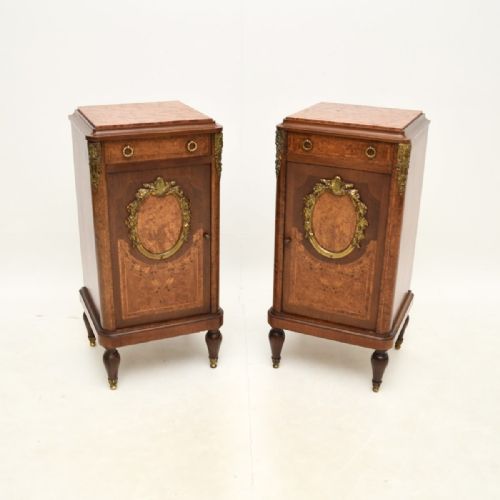
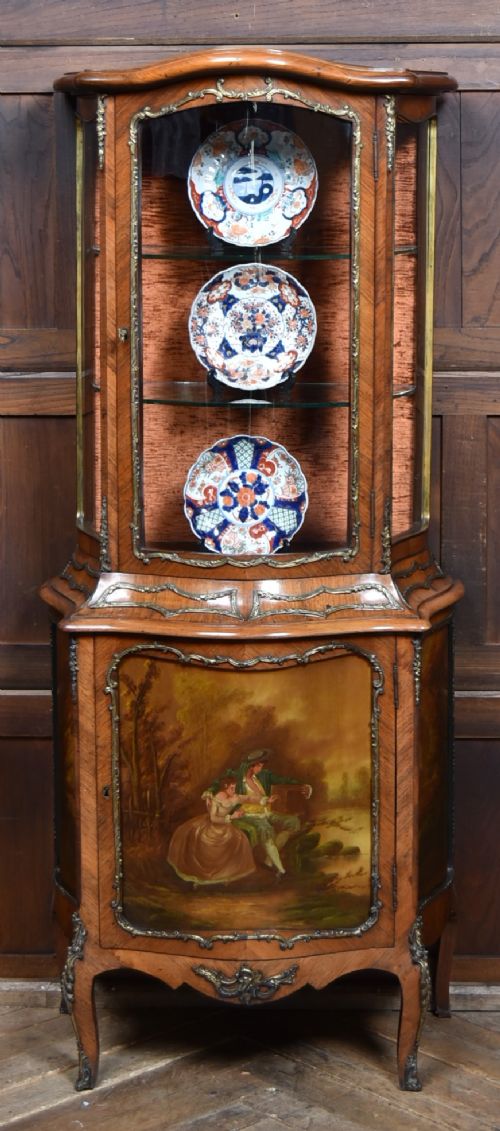
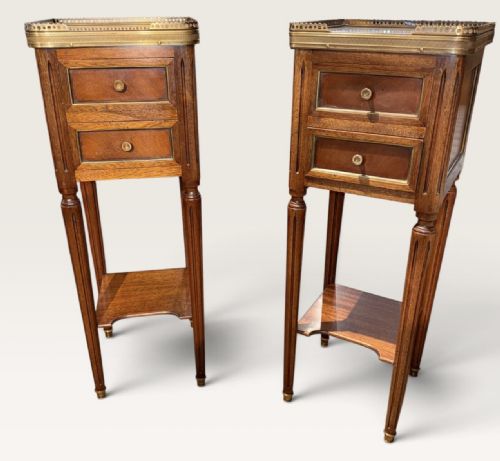
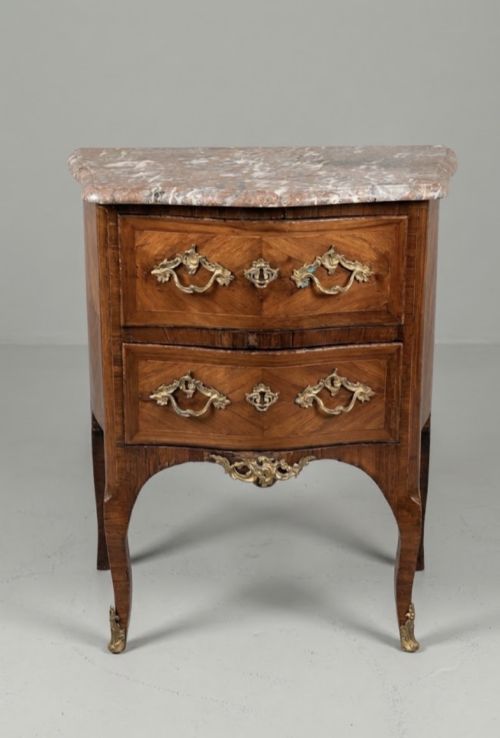
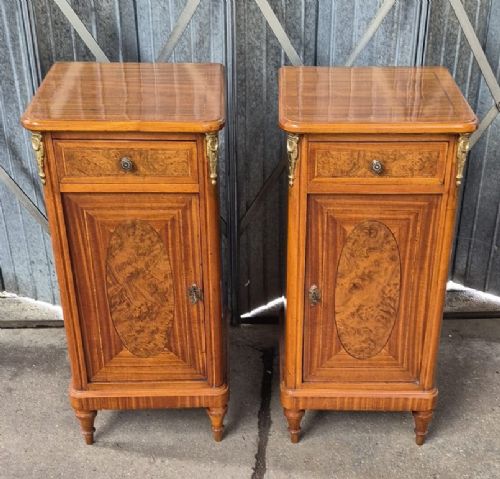
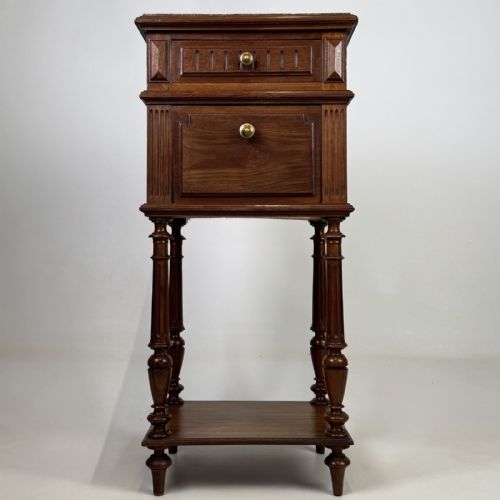
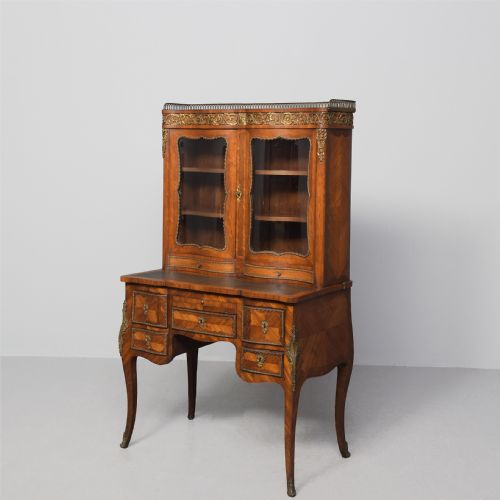
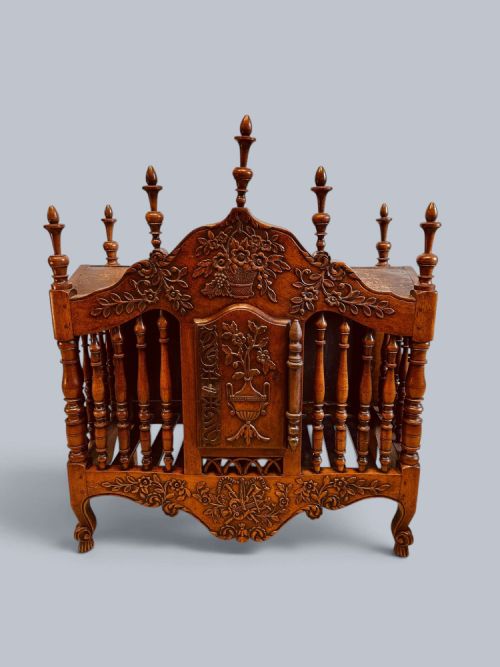
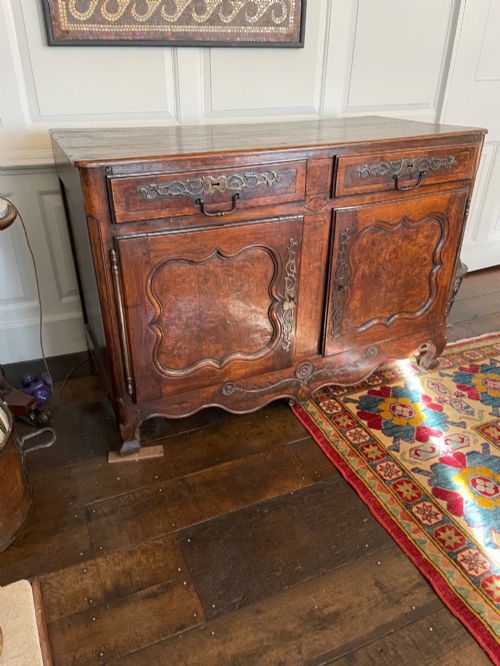
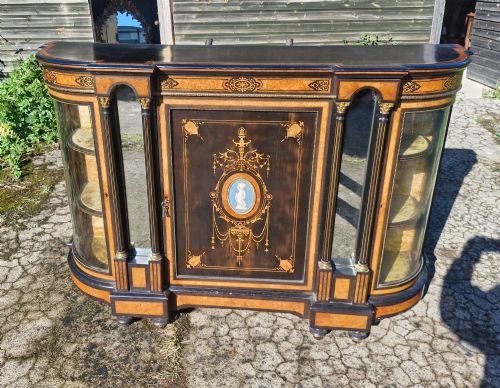
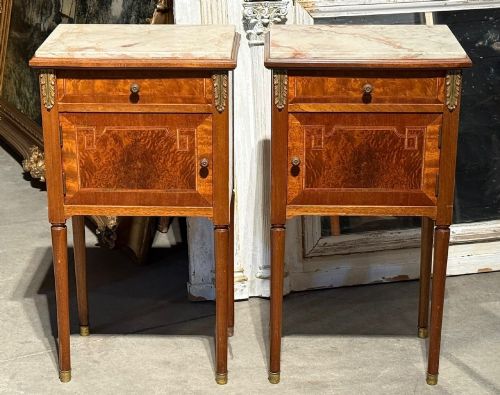
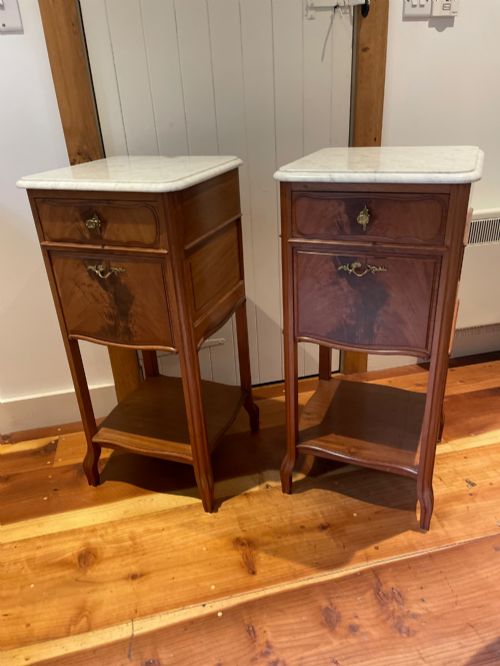
A french walnut cabinet encompasses a broad spectrum of domestic furniture, ranging from small bedside tables and nightstands to large display cabinets, bookcases, and Commodes. The selection includes compact pieces with marble tops as well as substantial side cabinets and vitrines.
The pieces emerge from various historical contexts, including the Victorian era, the Art Deco period, and revival styles such as Louis XV and Louis XVI. Buyers frequently encounter smaller bedside units and larger display furniture originating from French workshops of the nineteenth and early twentieth centuries.
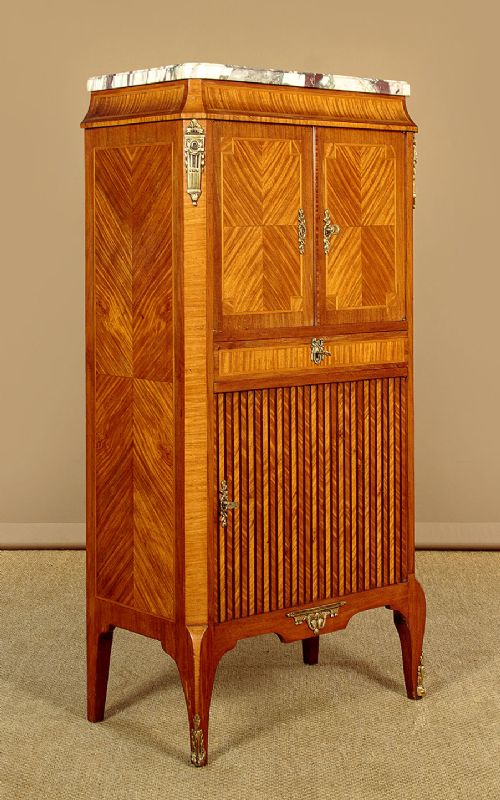
Makers and designers of the period, such as Gabriel Viardot, utilised these timbers to construct specialised storage, including music cabinets and étagères. The overarching category spans functional bedside chests, tall writing desks, and grand bookcases designed for formal rooms.
Materials and Construction
Constructed primarily from walnut and burr walnut, these cabinets often feature intricate marquetry inlay using contrasting woods like kingwood. Artisans shaped solid timber and applied figured veneers to structural carcases to create decorative patterned surfaces.
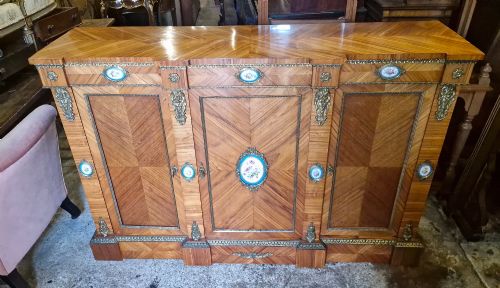
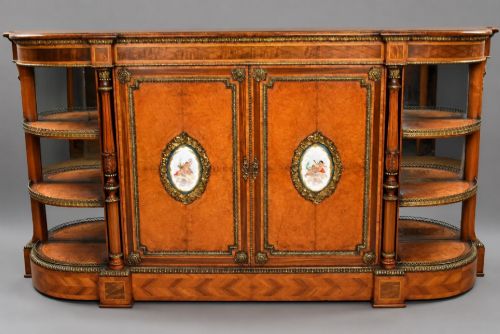
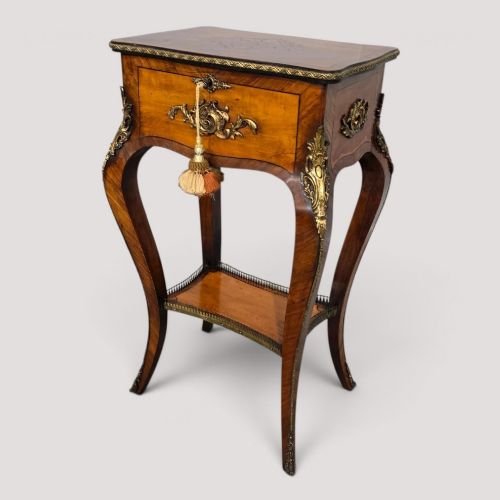
Metal and stone components form an integral part of the construction, with marble tops in shades of grey and rouge fitted to commodes and bedside chests. Gilt bronze, ormolu mounts, brass inlays, and glass panels enhance the visual weight and detailing of vitrines and bookcases.
French Walnut Cabinet Retail Price Guide 2026
Typical asking prices for french walnut cabinet among the pieces listed under this phrase on Sellingantiques today, from the lower quarter to the upper quarter. They describe what is for sale here now, not the wider market.
Materials recorded include burr walnut, kingwood, ormolu mounts, porcelain plaques, and rouge or grey marble.
Markers of Distinction
The standard of a piece rests heavily on the selection of the wood veneers, where lively burr walnut or precise marquetry inlay elevates the visual presence of the cabinet. Finer examples display meticulous matching of wood grain across drawer fronts and doors.
Hardware and secondary materials dictate the tier of craftsmanship, marked by the weight of ormolu mounts, the presence of original cast brass details, and the thickness of fitted marble tops. Superior construction is evident in the integration of delicate porcelain plaques and hand-carved elements.
Gabriel Viardot
The French Walnut Cabinet Glossary
- Marquetry
- Decorative veneer work arranged in geometric or floral patterns on the surface of a cabinet. This technique utilises thin slices of various woods to create pictorial designs.
- Ormolu
- Gilded bronze mounts applied to furniture for decorative effect. These cast metal details frequently adorn the corners and feet of revival pieces.
- Vitrine
- A glass-fronted display cabinet designed for porcelain and objets d'art. These pieces allow light to pass through internal display spaces.
- Commode
- A low chest of drawers or storage cabinet originating in France. They frequently feature decorative marble tops and ornate brass handles.
- Credenza
- A sideboard or display cabinet often featuring intricate floral marquetry and doors. These low storage units were designed for principal reception rooms.
French Walnut Cabinet: Frequently Asked Questions
What is a French walnut bedside cabinet used for?
These compact units served beside the bed to hold small personal items, night-time lighting, and reading materials.
Today, they function as versatile bedside tables or small lamp tables in domestic bedrooms and reception spaces.
How do I identify a Louis XV style cabinet?
Louis XV style pieces typically exhibit curved serpentine lines, cabriole legs, and ornate ormolu mounts. Marquetry inlay and floral motifs frequently decorate the door and drawer surfaces.
They reflect the revival of eighteenth-century aesthetics during the nineteenth and early twentieth centuries.
Are marble tops original to these cabinets?
Marble tops in grey, white, or rouge were standard additions to many French commodes, nightstands, and bedside chests of the nineteenth century.
They provided a durable, water-resistant surface for washing equipment and daily grooming items.
How do I care for burr walnut veneer?
Burr walnut requires protection from direct sunlight and excessive heat fluctuations to prevent the delicate veneer from drying or cracking.
Regular dusting with a dry, soft cloth maintains the polished finish without damaging the historic wood surface.