


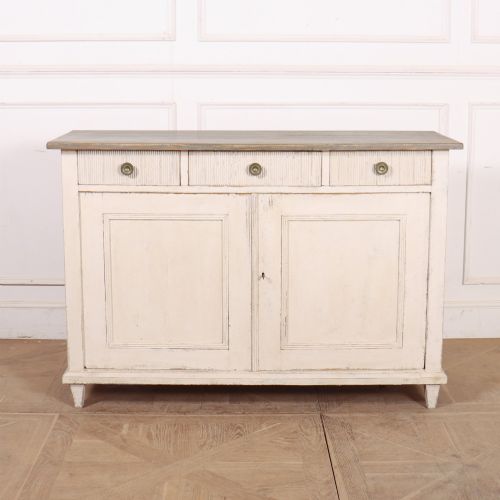
Antique French Storage Cabinet
An antique french storage cabinet brings practical historic utility and distinct provincial character into a room.
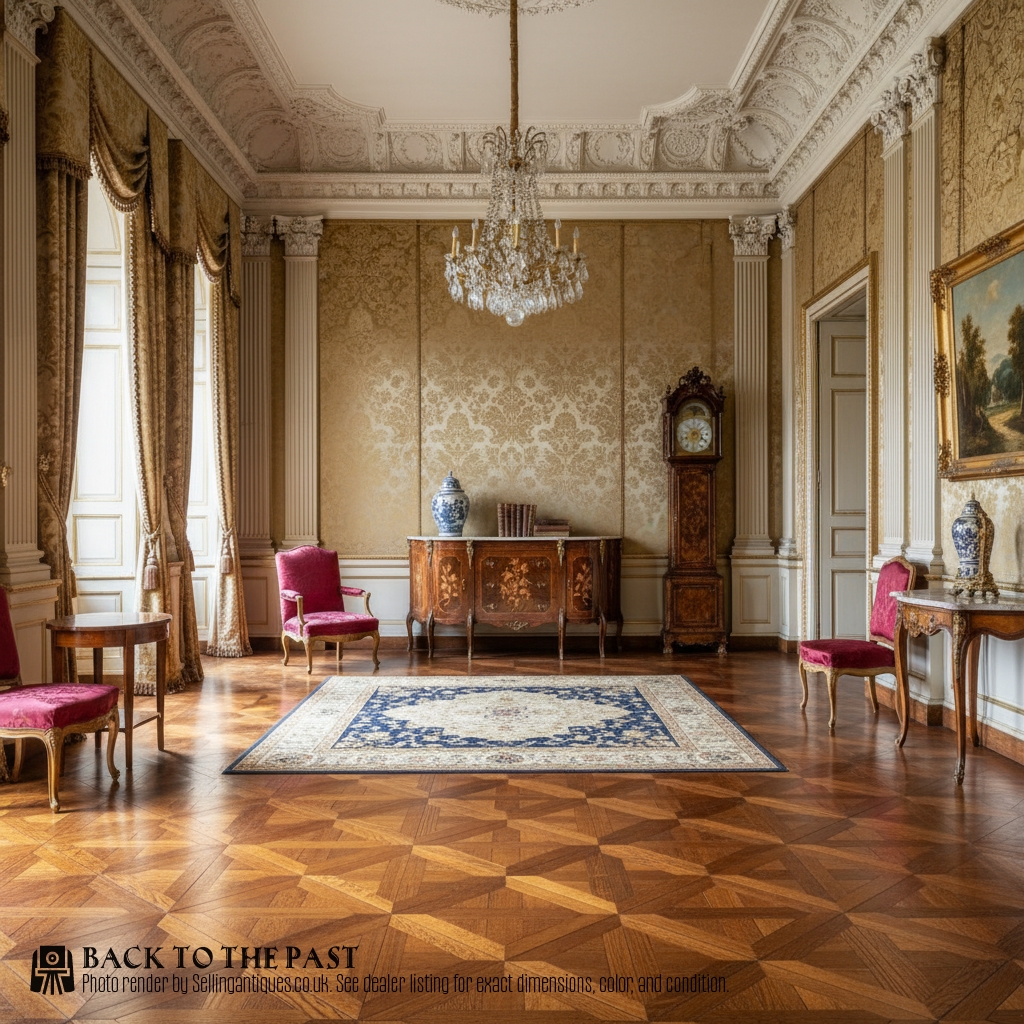
What an antique french storage cabinet is
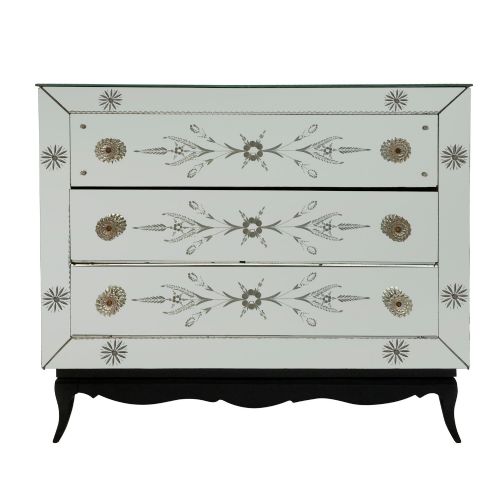
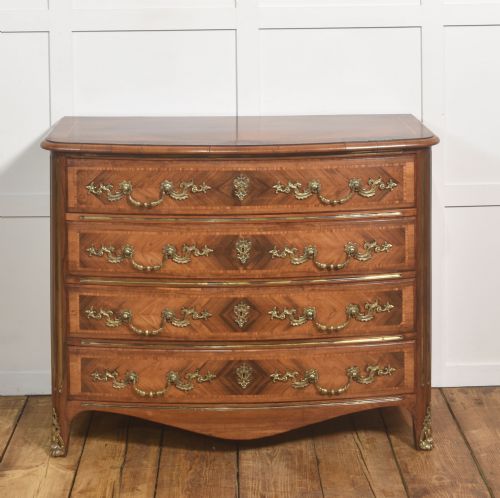
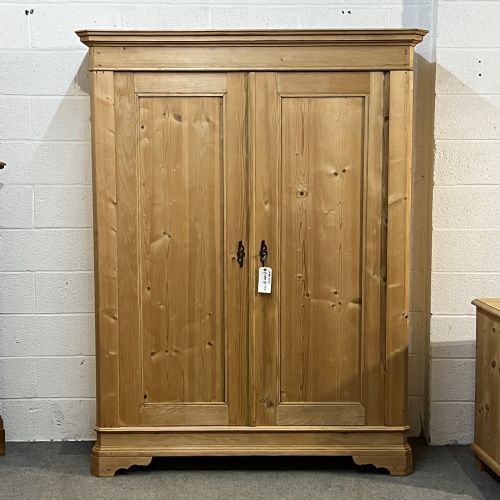
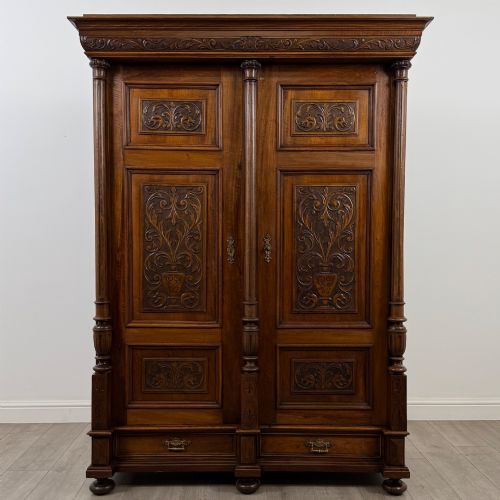
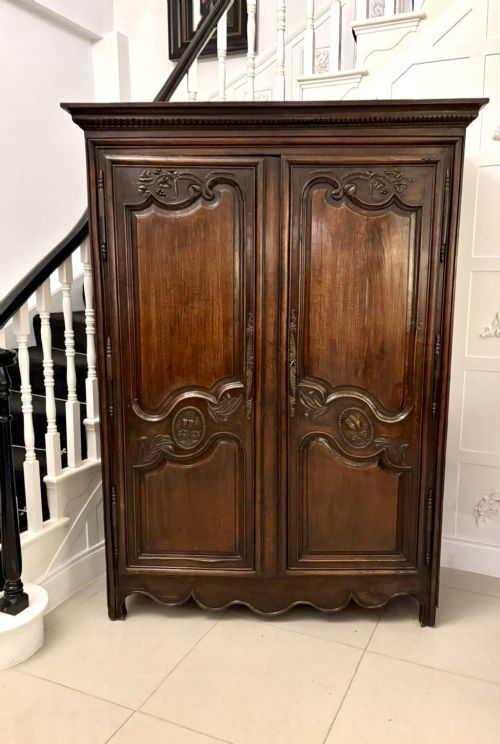
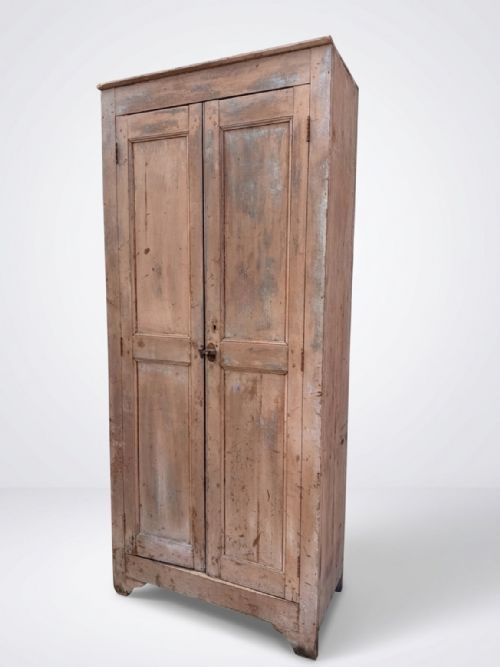
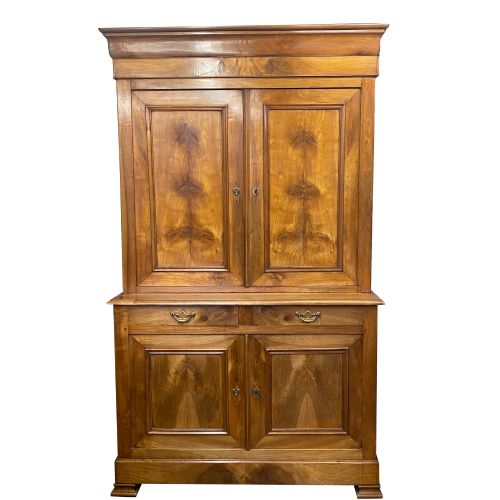
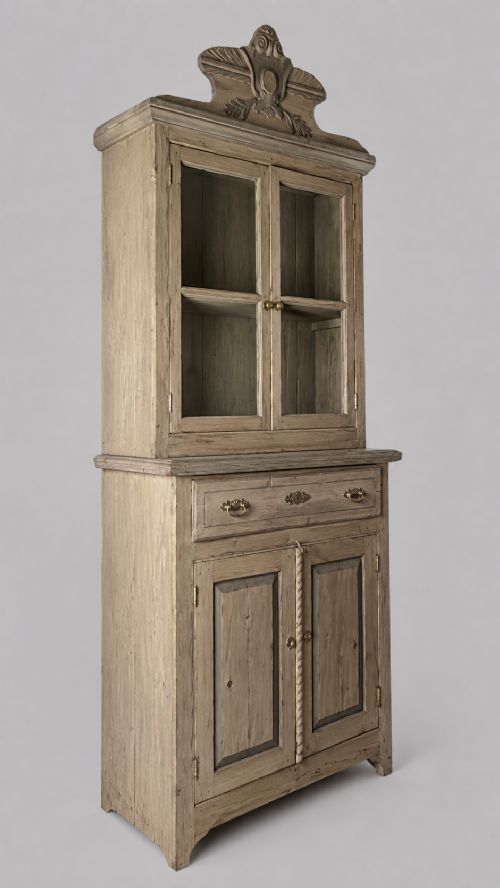
When searching for an antique french storage cabinet, collectors look at robust sideboards, commodes, side cabinets, cupboards and pantries. These pieces serve as functional storage units rooted in European domestic history.
The versions most commonly met span from the eighteenth century to the early twentieth century, incorporating periods like 1750, 1800, 1880, 1890, 1920 and 1930. They emerge from diverse regional traditions, from provincial kitchens to formal chateaux.
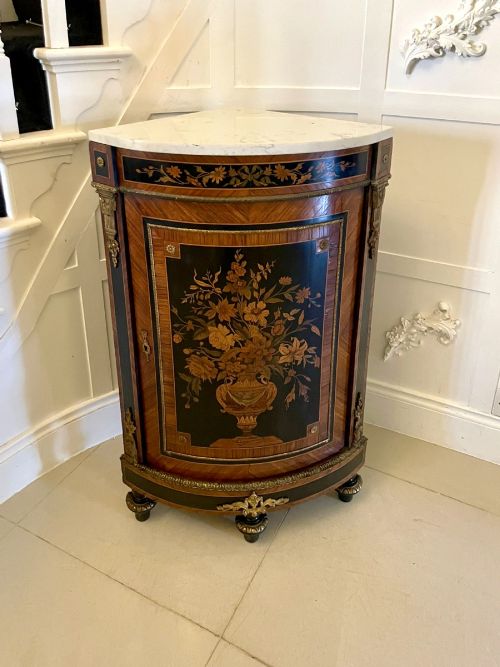
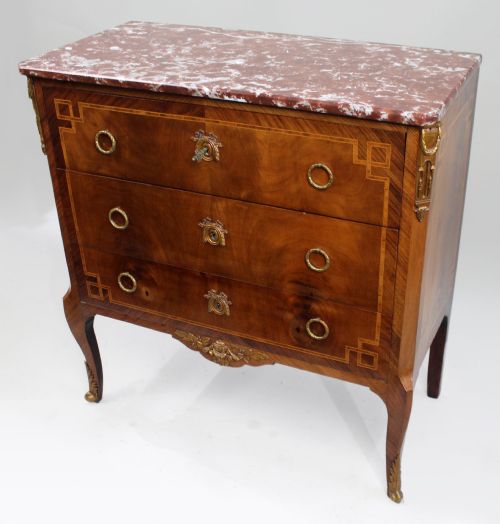
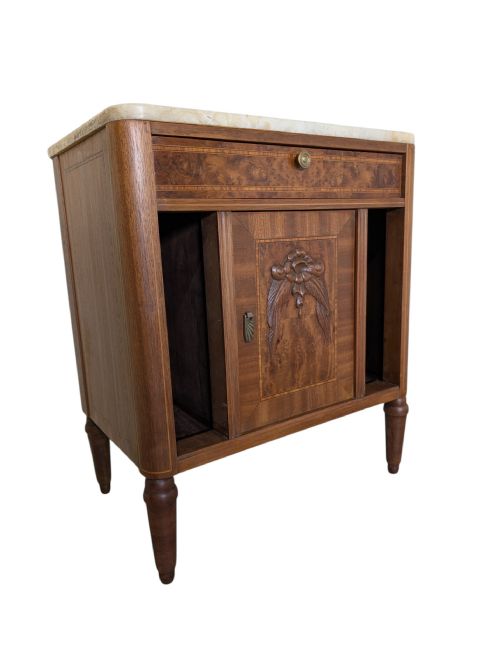
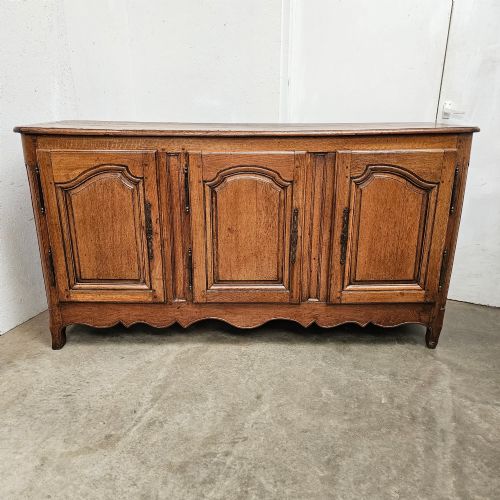
Forms range from sturdy oak buffets and Breton cupboards to refined serpentine side cabinets and marble-topped inlaid sideboards. Each object reflects the storage needs of its original domestic context.
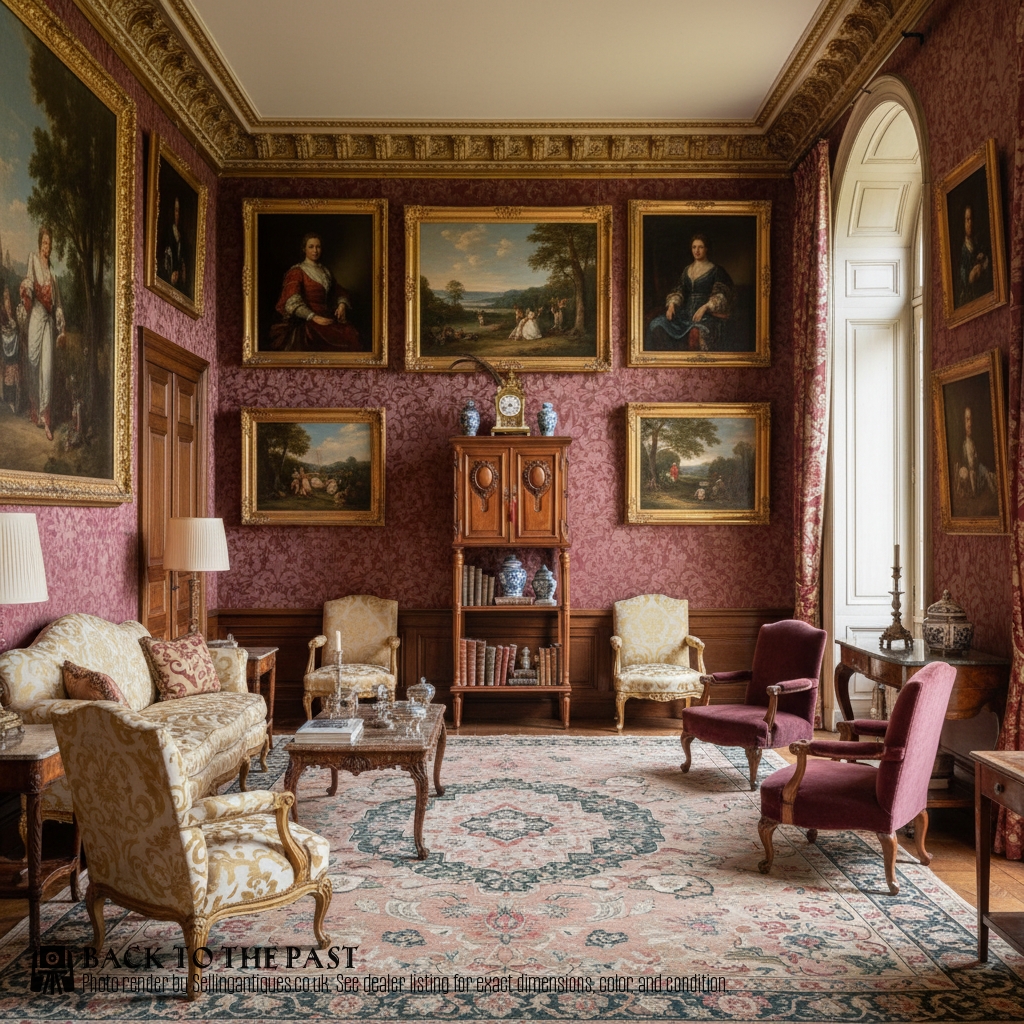
How they were made
Joiners and cabinetmakers utilised solid timbers such as oak, walnut and kingwood to construct the foundational carcases of these storage units. Decorative surfaces often incorporated intricate marquetry patterns alongside structural elements of iron and brass.
Surface adornment frequently featured detailed carving, while high-status pieces integrated cast or gilt ormolu mounts. Tops of stone, specifically marble, added functional weight and finished surfaces to sideboards and commodes.
Retail Price Guide 2026
Typical UK retail prices for french storage cabinet, calculated from the Sellingantiques database of over a million retail prices indexed since 2003. This retail price guide relies exclusively on Sellingantiques data; no external sources or auction records are used, so the figures do not describe the wider market.
Listings feature oak, walnut, kingwood, marble, brass, ormolu, and iron across provincial and revival styles.
What varies in quality
Quality rests in the selection of timbers, the crispness of hand-carved elements, and the precision of inlaid marquetry work. A finer piece displays seamless integration between structural joinery and decorative bronze or ormolu mounts.
The sophistication of the silhouette defines the upper tier, seen in serpentine fronts and harmonious proportions rather than plain utility boxes. Original stone tops and intact period hardware further elevate a piece above standard workshop output.
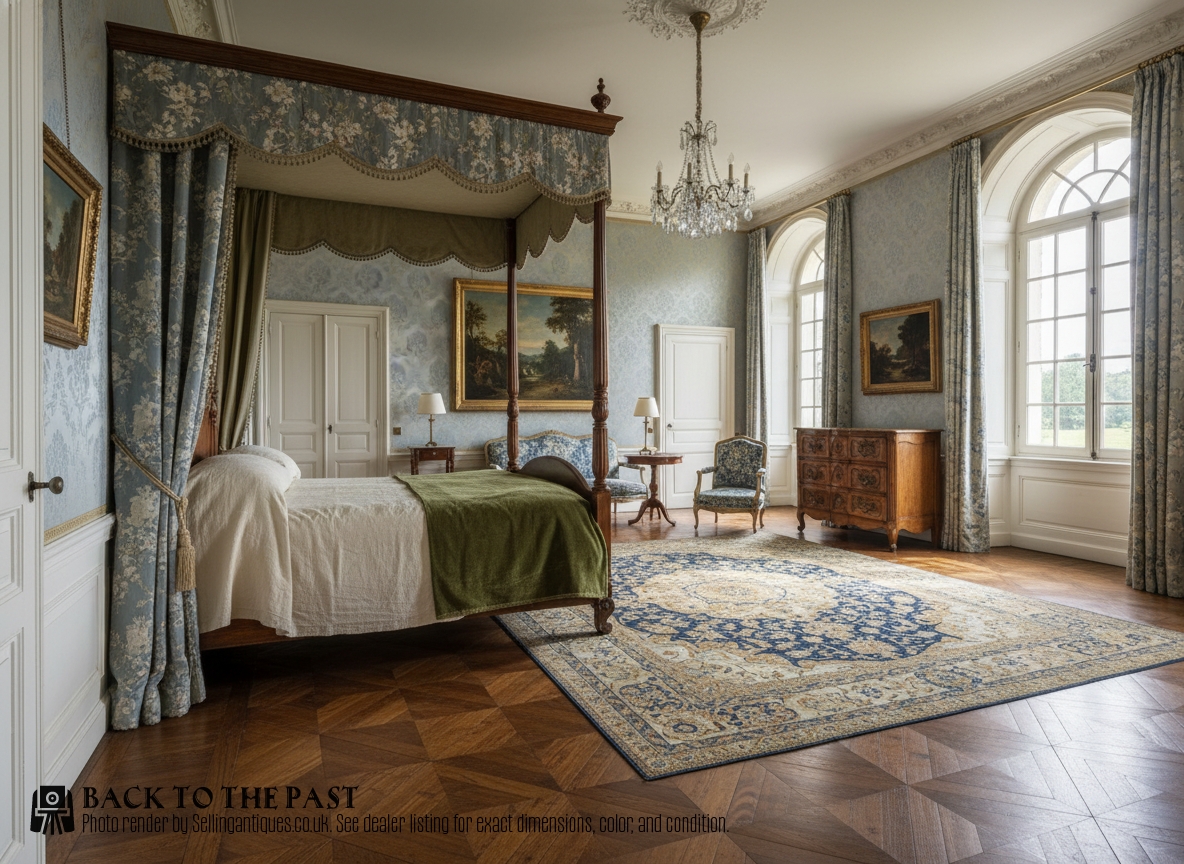
The Antique French Storage Cabinet Glossary
- Commode
- A low chest of drawers or cabinet originating in France during the seventeenth century. These pieces usually feature decorative veneers and mountings suitable for formal rooms.
- Marquetry
- The art and craft of applying pieces of veneer to a structure to form decorative patterns. Craftsmen utilise various coloured woods to create pictorial or geometric designs.
- Ormolu
- Gilded bronze applications utilised as mounts on furniture during the eighteenth and nineteenth centuries. The technique involves applying a gold-mercury amalgam to cast bronze.
- Serpentine
- A furniture front or edge that curves outward at the centre and inward at the sides. This undulating profile requires advanced woodworking skill to execute correctly.
- Buffet
- A sideboard or cupboard traditionally utilised for storing and serving food. French examples range from heavy provincial oak constructions to highly decorated revival pieces.
Frequently Asked Questions
What is an antique french storage cabinet used for?
These cabinets serve as practical storage furniture for dining rooms, hallways, and living spaces. They hold tableware, linens, and household items while functioning as prominent decorative surfaces.
Historically, pieces like buffets and commodes organised domestic goods in both modest provincial kitchens and grand chateaux. Today, owners utilise them to introduce historic materiality into modern interiors.
How do I identify a Louis XV style cabinet?
Louis XV style pieces display characteristic asymmetrical curves, cabriole legs, and naturalistic floral carvings. The aesthetic emphasises movement and lightness compared to earlier rigid architectural styles.
Look for serpentine fronts, subtle ormolu mounts, and fine walnut or kingwood veneers. Revival pieces from later periods replicate these eighteenth-century forms with varying degrees of sculptural detail.
What is the difference between oak and walnut pieces?
Oak furniture tends to originate from provincial workshops and earlier periods, offering heavy grain and robust durability. It suits rustic interiors and utilitarian storage formats like Breton cupboards.
Walnut and exotic woods like kingwood appear in more formal urban furniture. These timbers accept fine carved details and smooth polished finishes suited to inlaid marquetry.
How should I care for a marble-topped sideboard?
Marble tops require protection from acidic substances like wine, vinegar, and citrus juices that etch the polished stone surface. Use coasters and mats under glasses and decorative objects.
Clean the stone regularly with a damp cloth and mild neutral soap, avoiding harsh chemical cleaners. Periodic application of stone wax helps maintain the lustre of the marble.