

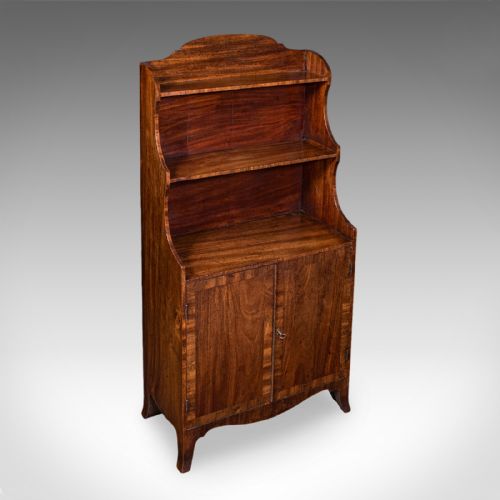


Antique English Chiffonier
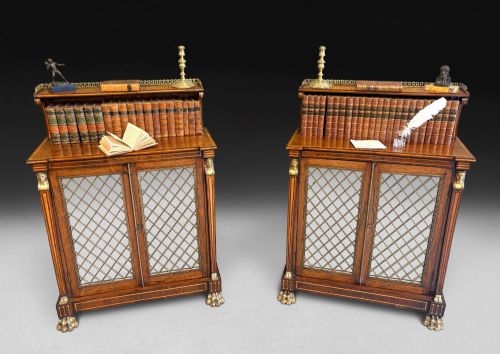
When you want an antique English chiffonier, you are looking at a compact sideboard with a raised shelf or bookcase top, built to hold dining silver and linens.
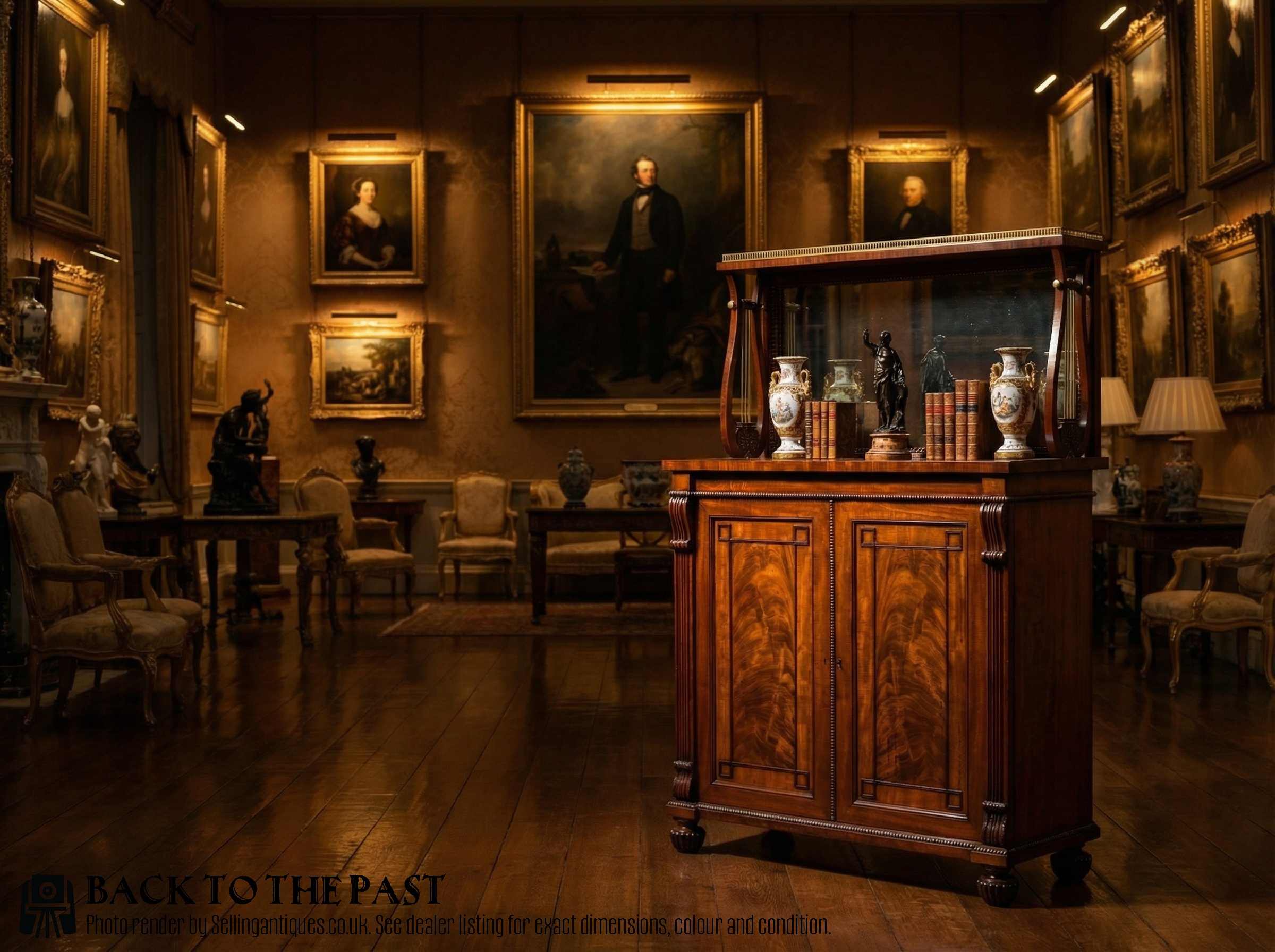
Antique English Chiffonier
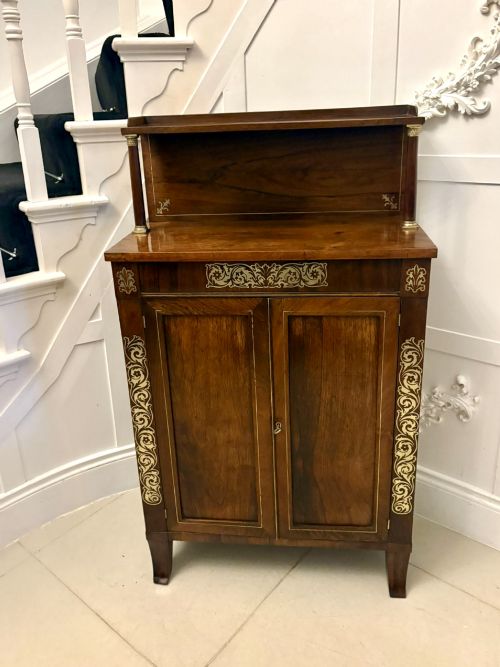
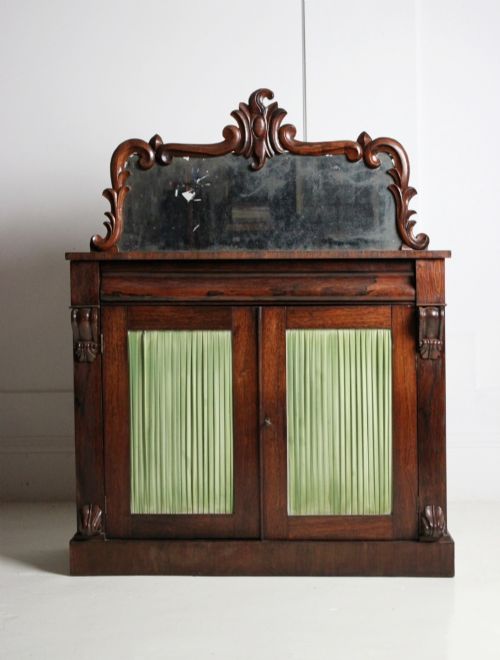
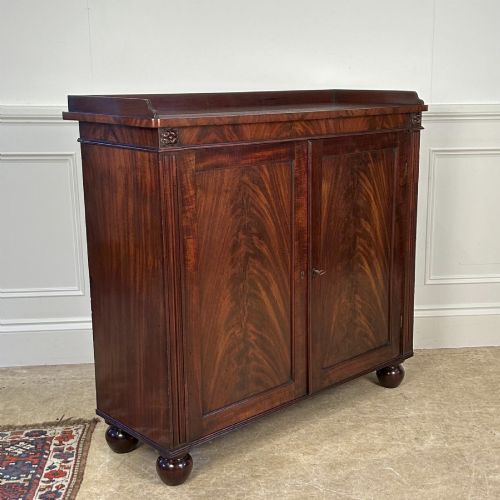
An antique English chiffonier primarily spans the Regency, William IV, and Victorian periods, evolving from a simple low cabinet into a substantial dining room server. The pieces appearing in these listings range from early nineteenth-century rosewood models with brass inlay to later Victorian flame mahogany and pollard oak iterations.
Buyers frequently encounter variants that combine enclosed lower cupboards with upper open shelves, sometimes designated as side cabinets or small bookcases. These items served domestic storage needs in drawing rooms and morning rooms across the nineteenth century.
Distinctions in Execution
Quality separates through the selection of timber veneers and the crispness of applied mounts like brass inlay. Maker attribution, particularly to workshops such as Gillows, elevates a piece through superior structural joinery and refined proportions.
The integration of the upper tier with the lower cabinet demonstrates the maker's hand, where well-balanced turnings and solid drawer linings distinguish workshop production from standard regional output.
Antique English Chiffonier Retail Price Guide 2026
Typical asking prices for english chiffonier among the pieces listed under this phrase on Sellingantiques today, from the lower quarter to the upper quarter. They describe what is for sale here now, not the wider market.
Cabinet forms range from compact low side cabinets and waterfall bookcases to large four-door breakfront server units.
Gillows·Lamb of Manchester·S.Jamar
The Antique English Chiffonier Glossary
- Chiffonier
- A low sideboard fitted with enclosed cupboards below and often a shelf or superstructure above. It evolved during the Regency period to serve dining and drawing room storage.
- Flame mahogany
- A veneer cut from the fork of the mahogany tree to produce a flickering, flame-like grain pattern. Cabinetmakers prized this figure for principal doors and drawer fronts.
- Pollard oak
- Timber taken from trees that were pollarded, resulting in a dense, knotted grain full of small dark circles. It was utilised for decorative panels on mid-nineteenth-century cabinets.
- Secretaire
- A desk form incorporated into a cabinet drawer, featuring a drop-front writing surface and small pigeonholes inside. It adds a multifunctional writing element to the piece.
- Breakfront
- A cabinet facade where the central section projects forward from the flanking outer cupboards. This layout creates architectural depth on larger sideboards.
Antique English Chiffonier: Frequently Asked Questions
What is an antique English chiffonier used for?
These cabinets served primarily in dining rooms and parlours to store silver, linens, and glassware while providing a surface for serving food or displaying decorative objects. The lower cupboards kept everyday items hidden, while the upper shelf held small ornaments or books.
Over the nineteenth century, their role shifted slightly as domestic habits changed, but they remained practical storage furniture for formal rooms. Today, they function well in modern homes as sideboards in dining spaces or media consoles in living areas.
How do I date a Regency chiffonier?
Regency pieces typically date from roughly 1810 to 1830 and often feature rosewood timbers, brass inlay, and slender turned columns supporting an upper shelf. Look for architectural restraint and classical decorative motifs characteristic of the early nineteenth century.
Construction methods inside the drawers, such as hand-cut dovetails and solid secondary timbers, help confirm the period alongside the exterior styling and finish.
How do I care for rosewood and mahogany surfaces?
Maintain these antique timbers by keeping them away from direct sunlight and steady heat sources that can dry out and split the veneer. Dust them regularly with a soft, dry cloth and apply a quality beeswax polish sparingly when the wood appears dry.
Avoid silicone-based sprays, as they build up over time and attract dust, dulling the natural patina of the nineteenth-century finish.