
Antique Chiffonier Cupboard
When you search for an antique chiffonier cupboard, you discover a low, versatile piece built for dining room storage and display.
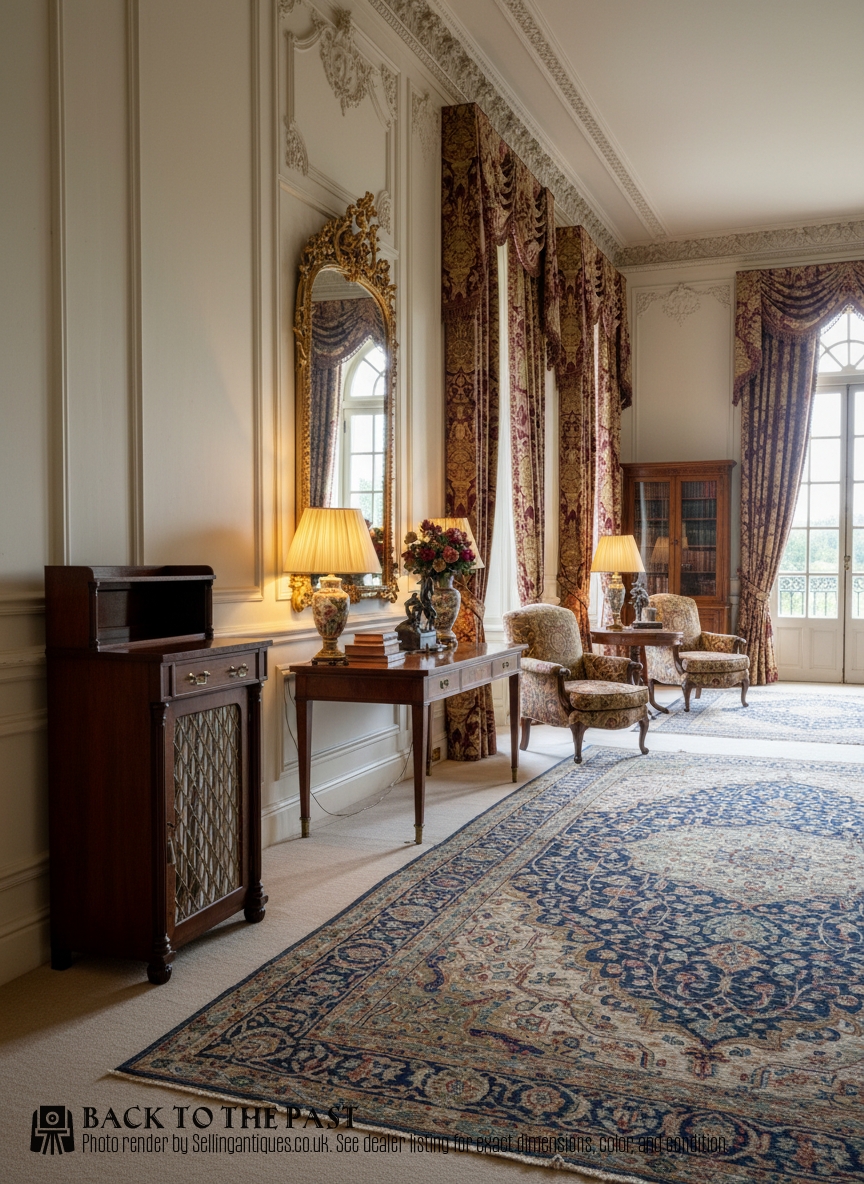
Antique Chiffonier Cupboard
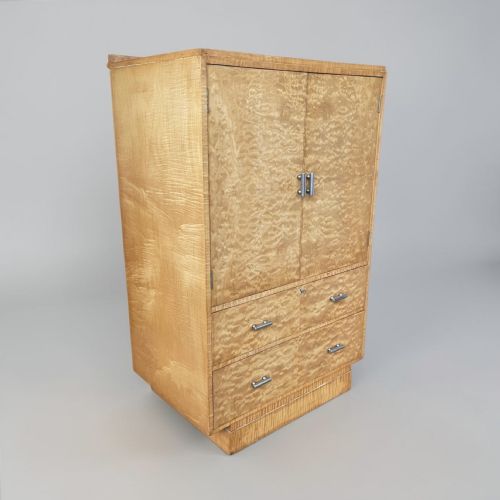
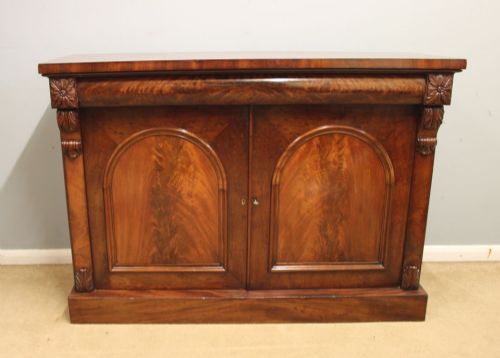
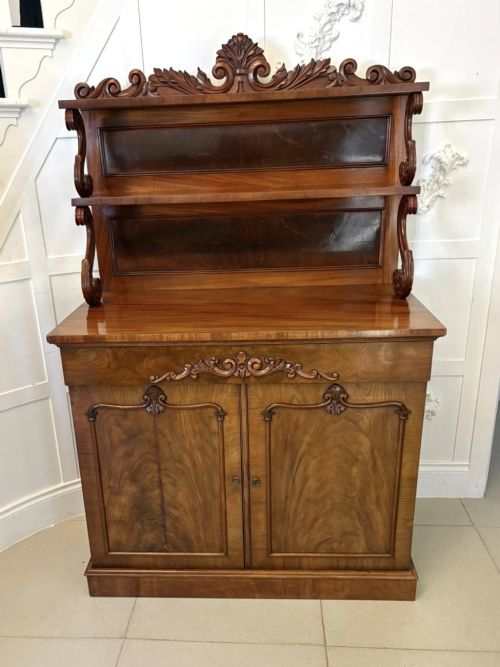
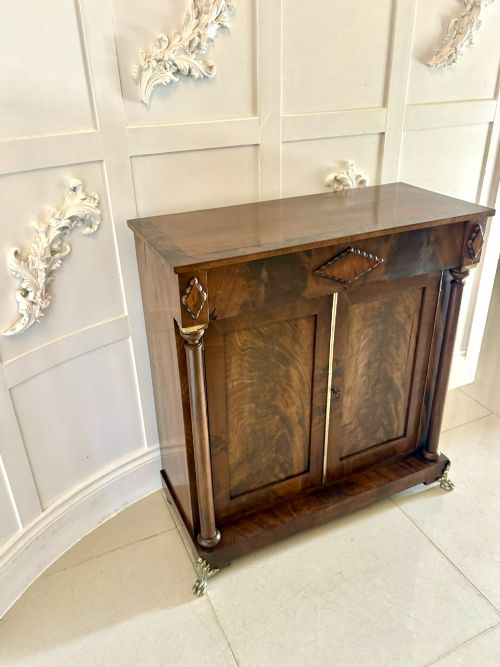
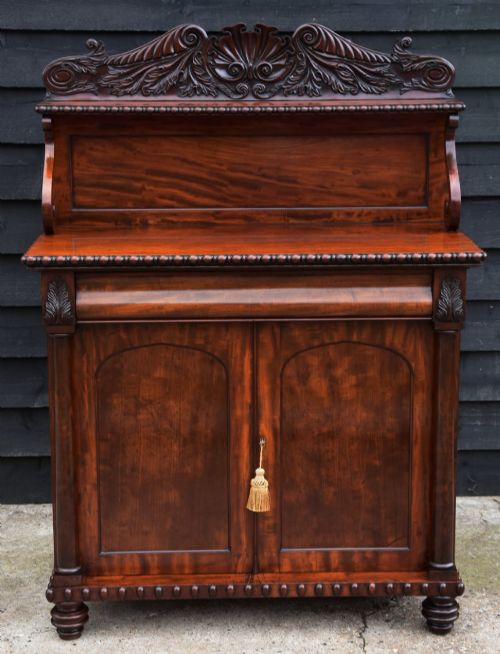
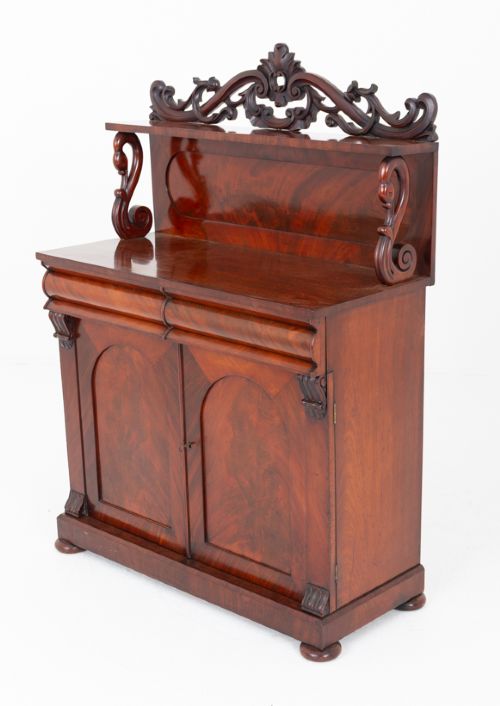
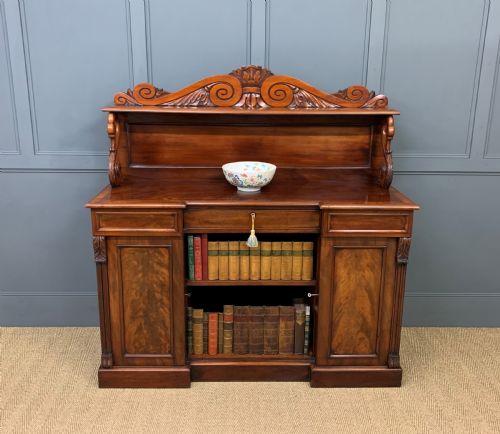
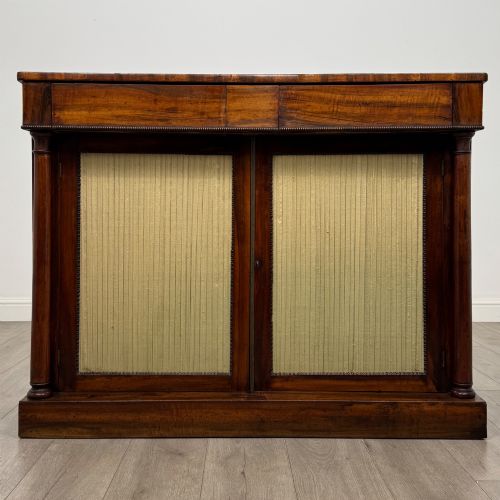
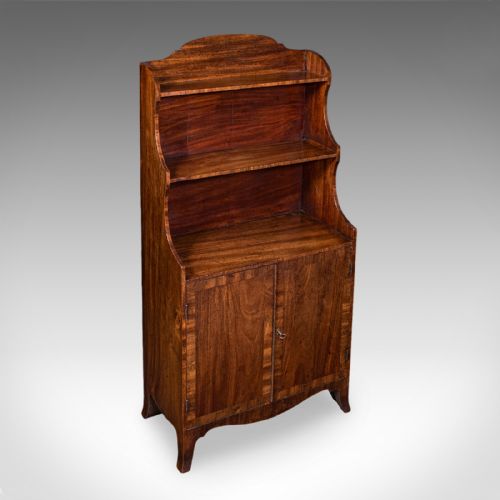
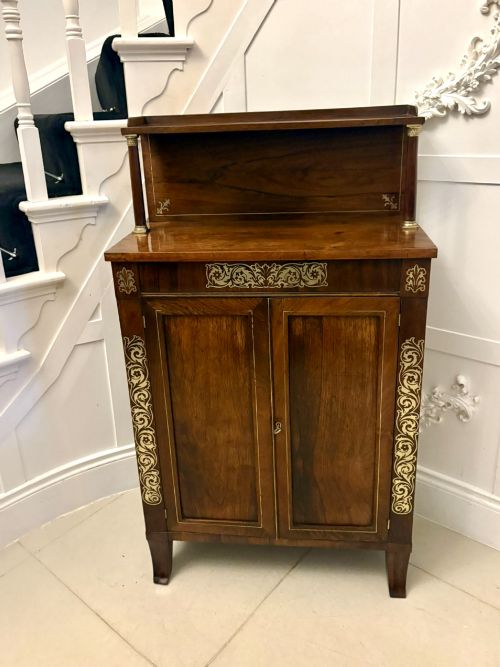
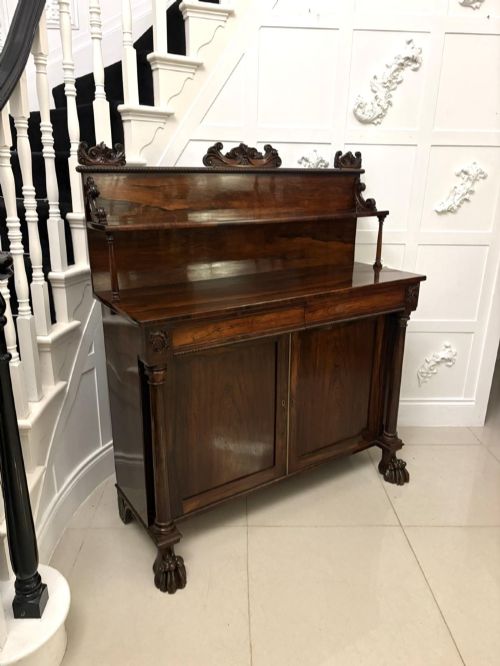
An antique chiffonier cupboard combines a low enclosed storage base with an upper tier or shelf, originating primarily in the Regency and Victorian periods. These pieces bridge the gap between a side cabinet and a sideboard, often incorporating drawer space alongside lower doors.
The most common examples encountered on this page date from the nineteenth century, constructed in rich timbers like mahogany and rosewood. They frequently serve in modern interiors as hallway consoles, living room media bases, or dining room servers.
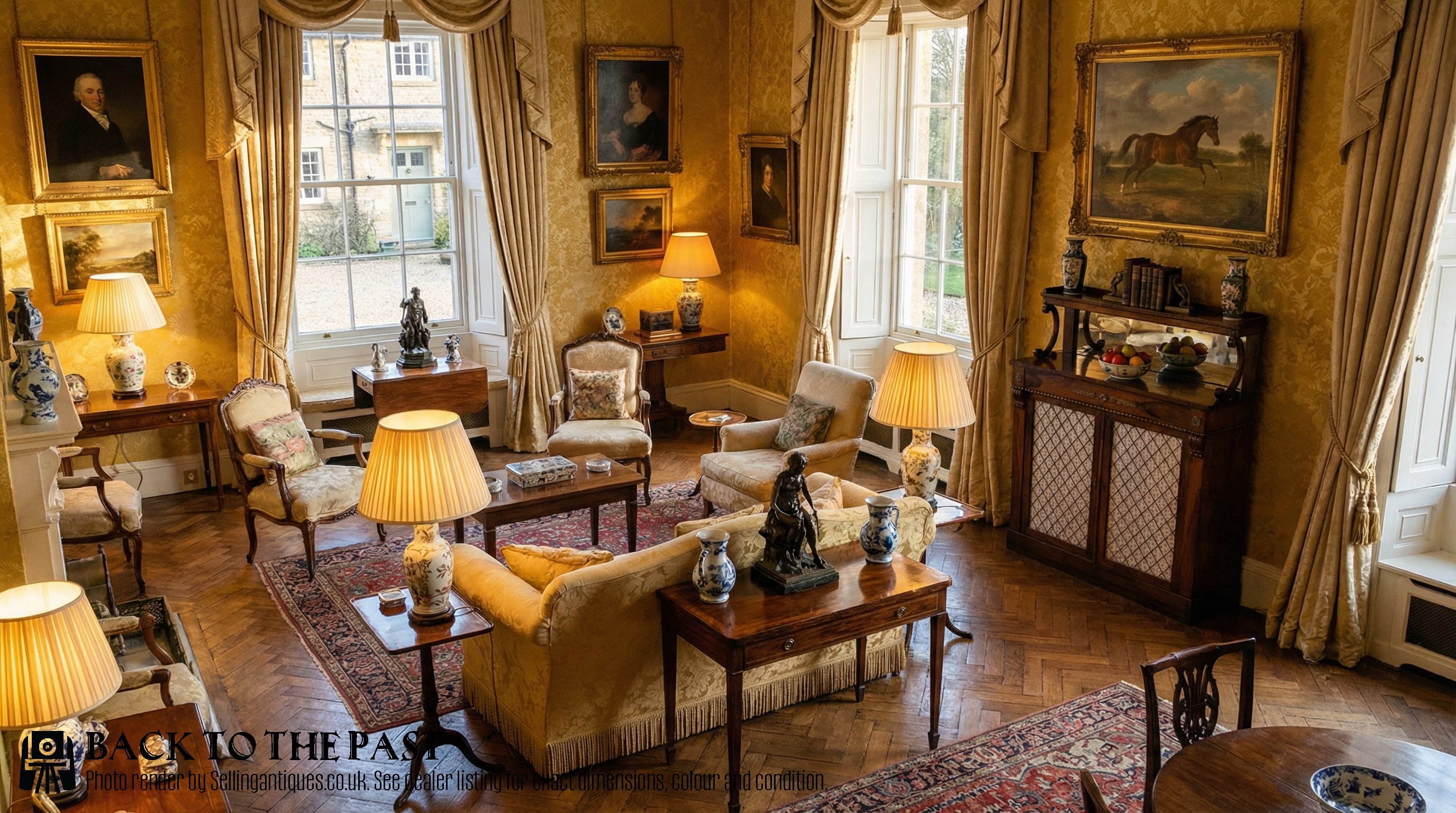
How they were made
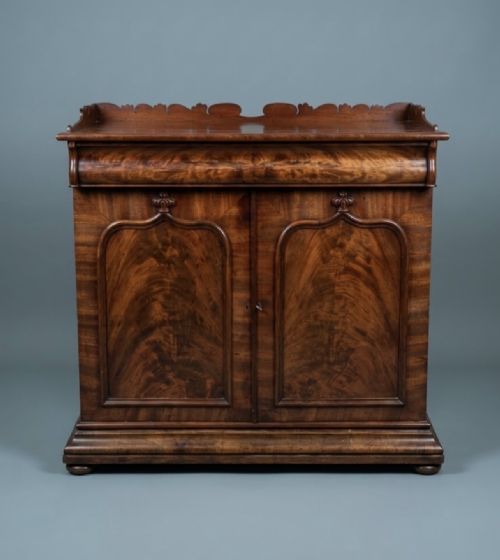
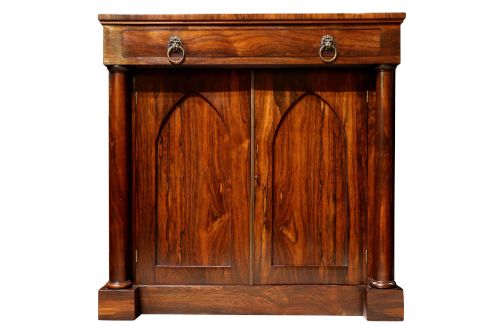
Cabinet makers utilised dense native and exotic timbers, selecting figured mahogany, flame mahogany veneer, and rosewood for their striking grain patterns. Brass mounts, glass panels, and gilt details often accent the primary woodwork.
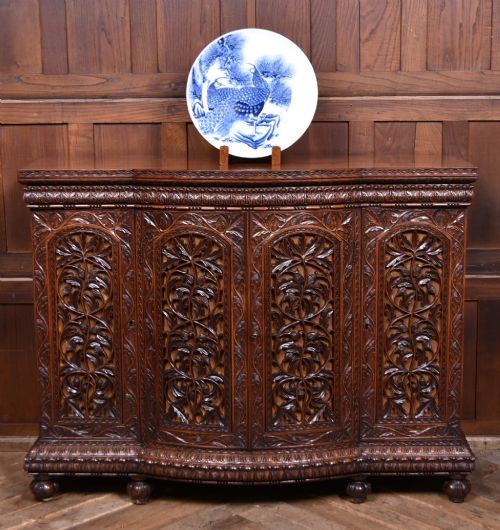
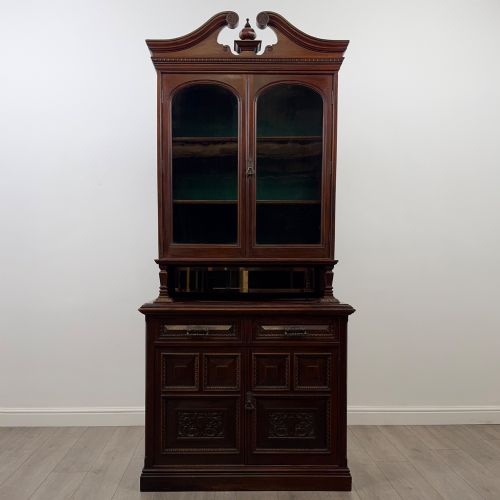
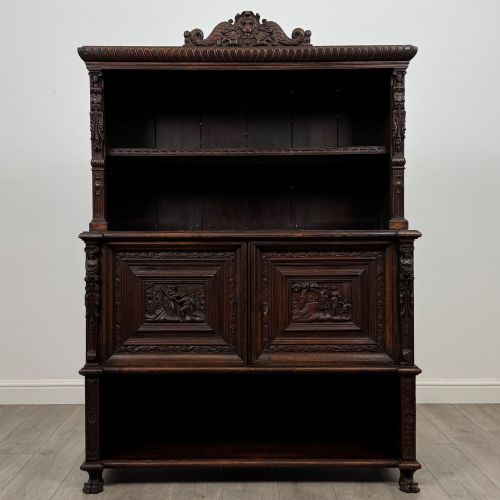
Construction techniques involve solid timber framing paired with carefully matched veneers on primary surfaces. Many pieces feature architectural elements such as carved scrollwork, Gothic panelled doors, or integrated upper bookcases.
Antique Chiffonier Cupboard Retail Price Guide 2026
Typical asking prices for chiffonier cupboard among the pieces listed under this phrase on Sellingantiques today, from the lower quarter to the upper quarter. They describe what is for sale here now, not the wider market.
Some nineteenth-century makers concealed pull-down writing desks inside, letting diners quickly dash off polite notes between courses.
What varies in quality
The degree of refinement in the timber figure and the crispness of the carving distinguish finer examples from standard production. Superior workshops employed exceptionally figured veneers and executed intricate mouldings with meticulous precision.
Structural integrity and the quality of internal fittings, such as dovetailed drawers and original brass hardware, separate high-tier specimens. Pieces attributed to distinguished makers demonstrate a superior harmony of proportions and finish.
Gillows·Ince and Mayhew
The Antique Chiffonier Cupboard Glossary
- Chiffonier
- A low sideboard or cabinet featuring a storage cupboard beneath, often surmounted by a shelf or bookcase tier. This form evolved during the Regency era to hold china and dining silver.
- Flame mahogany
- A veneer cut from the fork of the mahogany tree to produce a flickering, flame-like grain pattern. Cabinet makers reserved this expensive material for primary display surfaces.
- Secretaire
- A cabinet incorporating a pull-down writing drawer fitted with small pigeonholes and compartments. This dual-purpose feature allows the furniture to function as a compact desk.
- Goncalo Alves
- A dense, exotic tropical hardwood displaying contrasting dark brown and light golden tones. Makers utilised this decorative timber for high-status Regency cabinets.
Antique Chiffonier Cupboard: Frequently Asked Questions
How do I date an antique chiffonier?
Dating relies on timber choice, architectural style, and construction methods visible in the drawers and backboards. Regency examples often feature rosewood, brass inlays, and simpler classical lines.
Victorian pieces tend to incorporate heavier mahogany, more elaborate carving, and occasionally mirror-backs. Examining the secondary woods inside the carcass confirms the period.
Where should I place a chiffonier in my home?
These cabinets suit dining rooms, hallways, and living spaces where a low profile is advantageous. The surface accommodates lamps or decorative objects while the cupboards conceal modern clutter.
Placing them away from direct sunlight and heat sources protects the fragile nineteenth-century veneers from drying out.
Did all chiffoniers originally have a top shelf?
Not all variations included a raised back tier; many were built purely as low cabinets or sideboards with flat tops. Those with upper shelves often featured spindle galleries or mirrored panels to display ceramics.
The presence or absence of an upper structure generally depends on the specific fashion of the decade it was built.