
William IV Cabinet
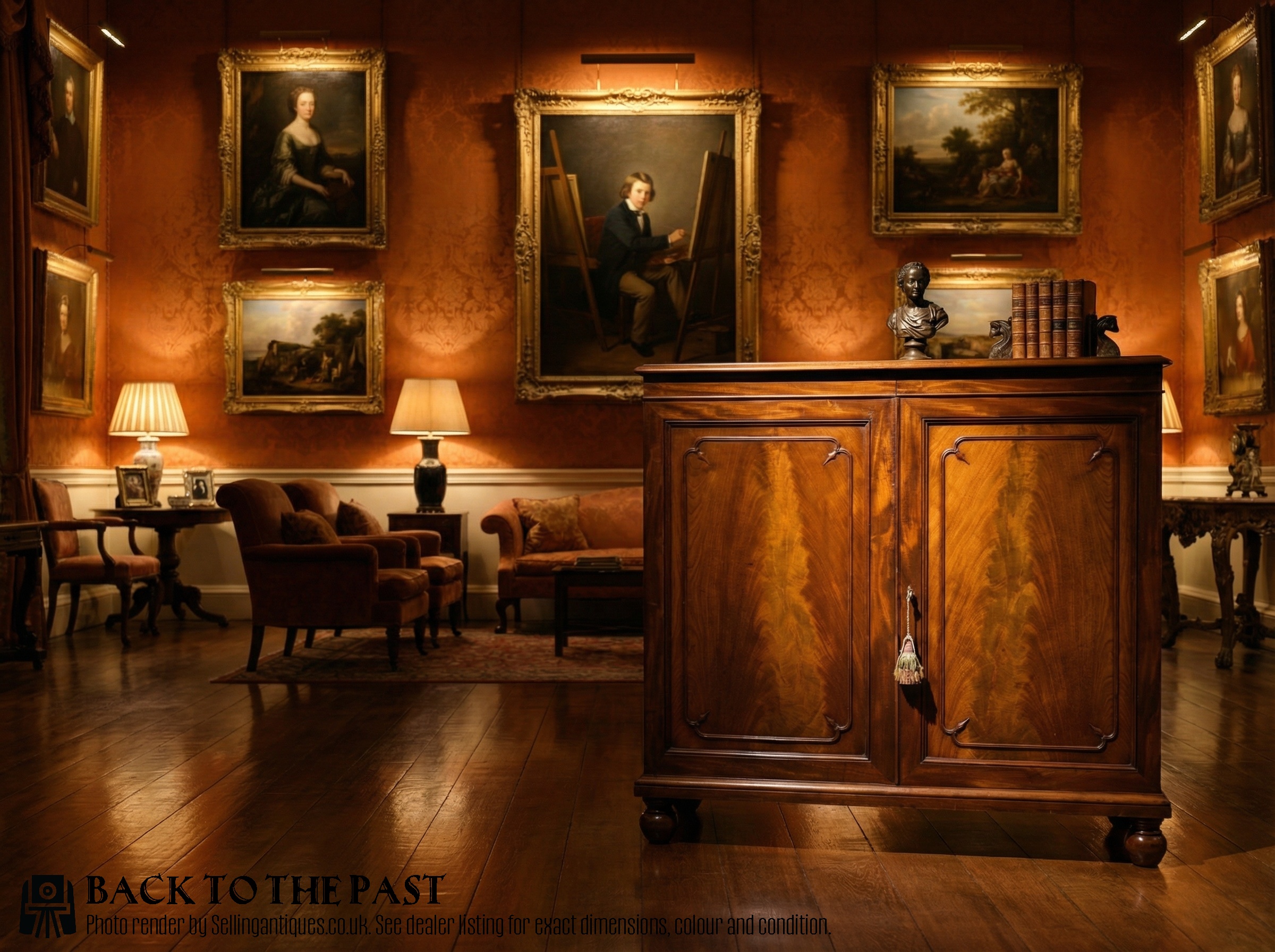
A william iv cabinet brings substantial timber and architectural presence to a room, offering practical storage disguised as stately furniture.
Forms and Origins
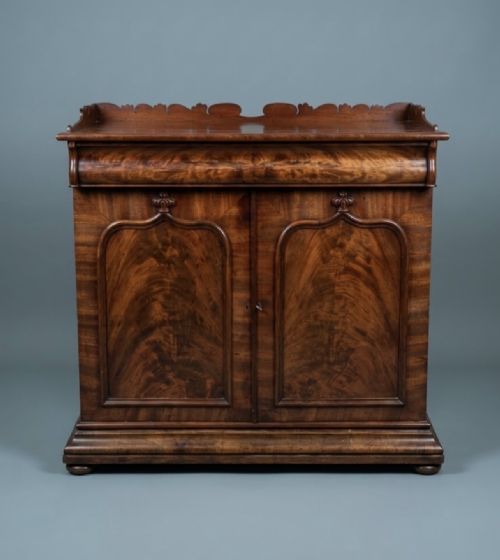
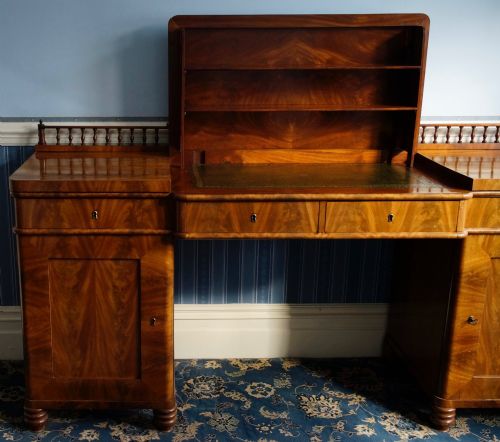
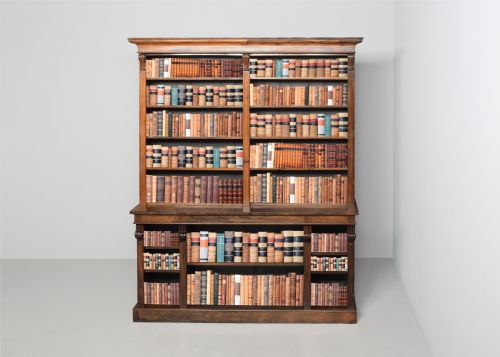
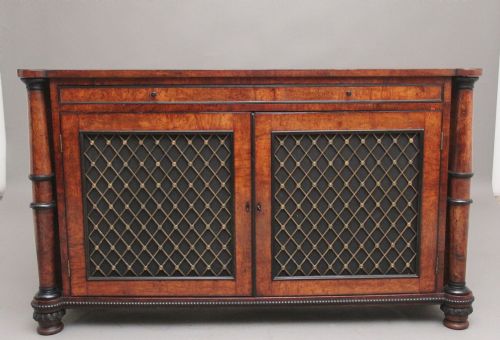
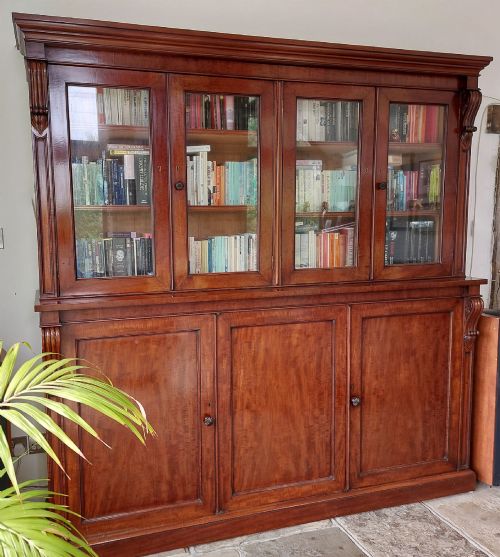
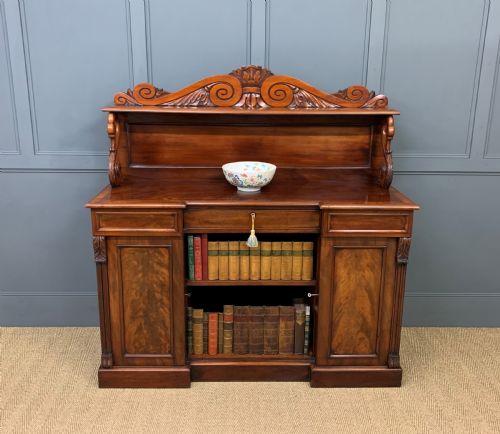
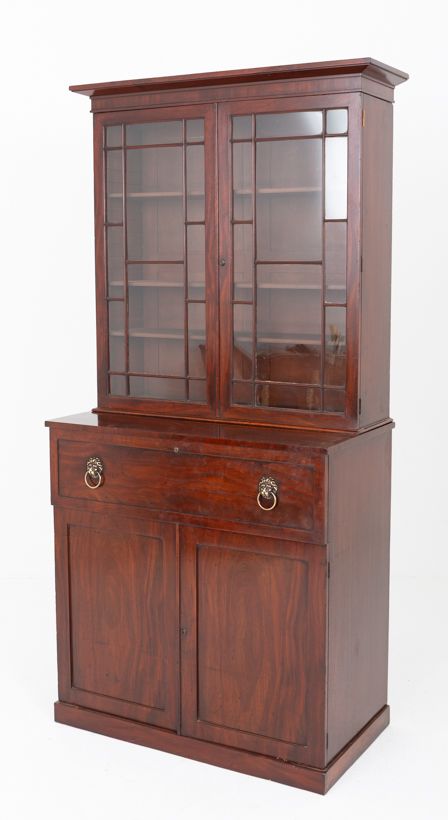
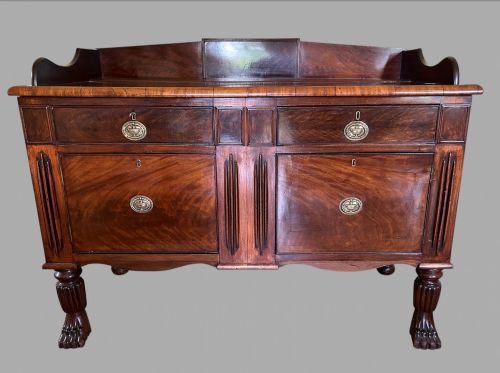
A william iv cabinet encompasses a variety of substantial domestic furniture forms, primarily side cabinets, bookcases, and chiffoniers designed for the nineteenth-century interior. These pieces emerge predominantly from the nineteenth century, including specific dates around eighteen thirty-five alongside occasional pieces marked by Georgian influence.
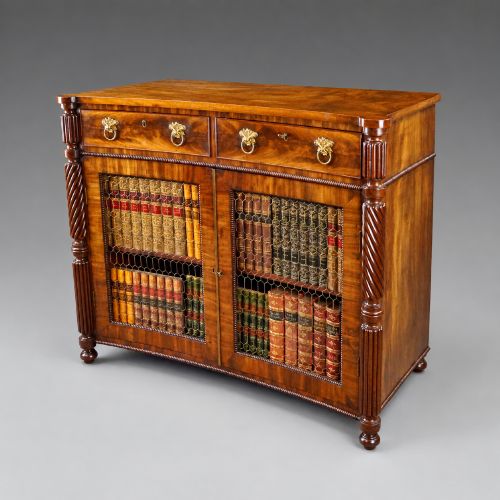
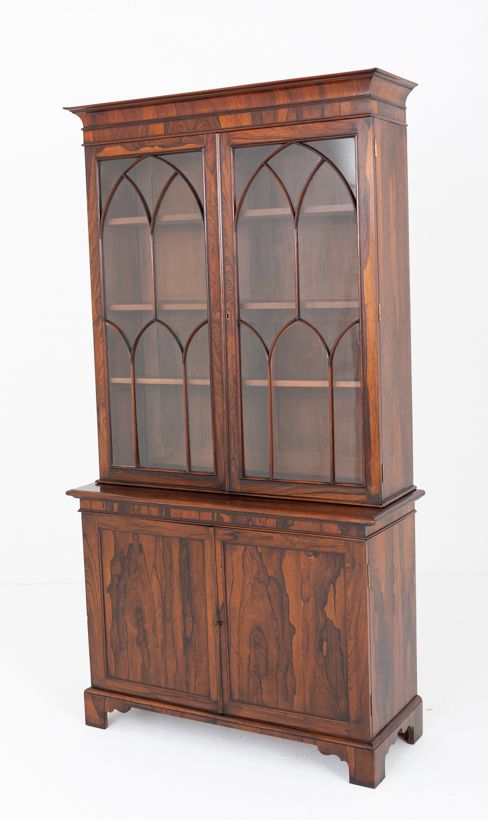
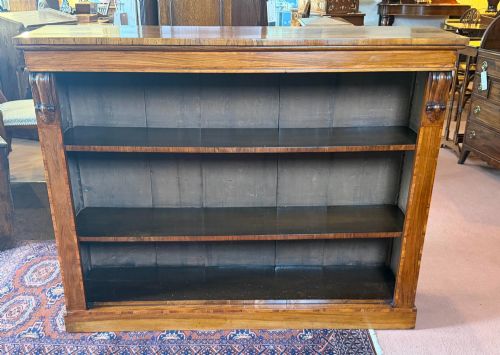
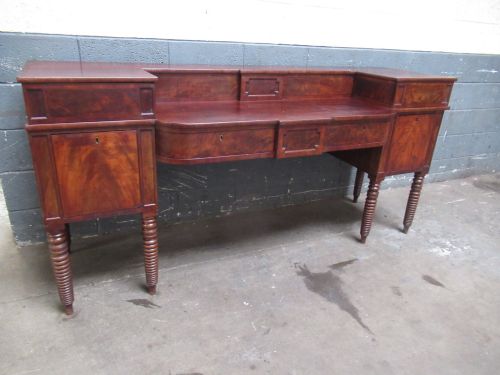
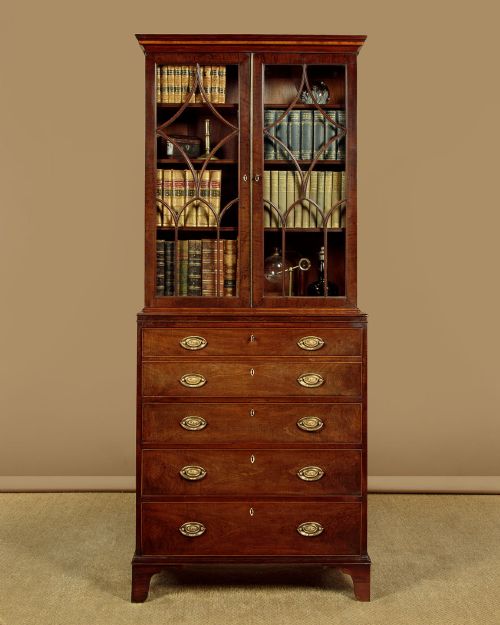
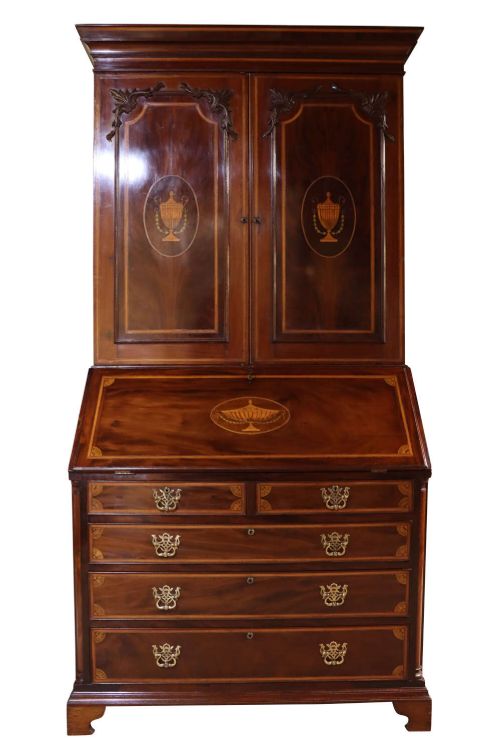
Buyers most frequently encounter side cabinets and bookcases rendered in rich timbers, often featuring two doors or glazed upper sections. The selection ranges from compact tabletop repositories and bedside cupboards to large breakfront and pedestal designs suited to libraries and principal reception rooms.

Evaluating the Range
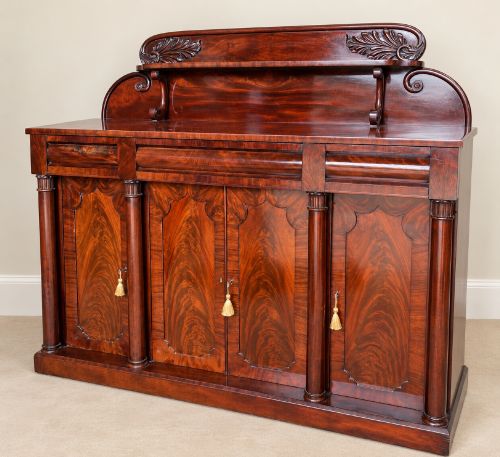
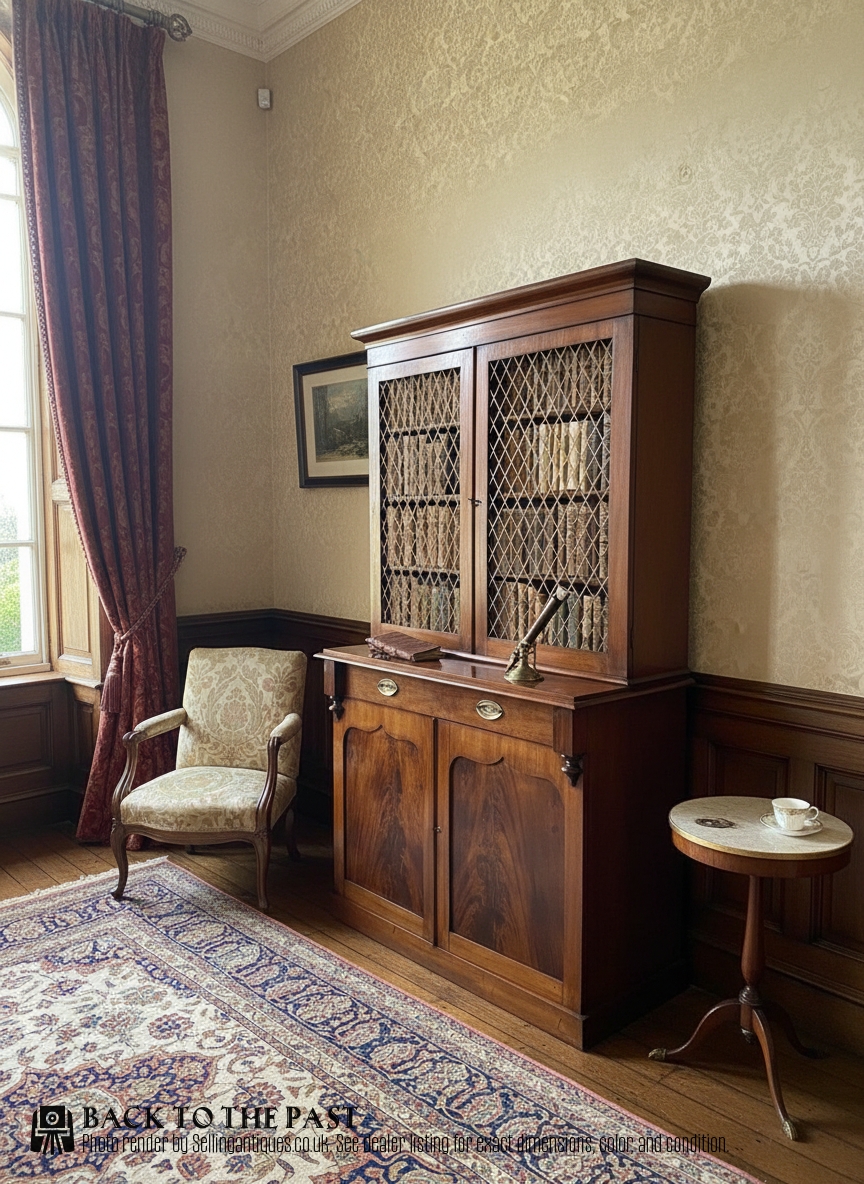
Quality separates through the selection and matching of wood veneers, where symmetrical flame mahogany or richly figured rosewood define the more ambitious examples. The presence of integrated architectural elements, such as breakfront profiles or substantial marble tops, elevates a piece above standard utility forms.
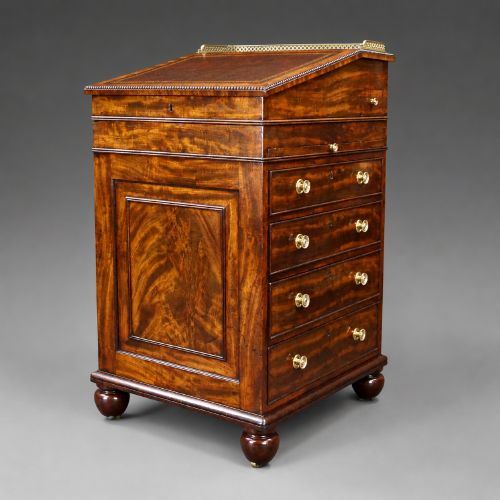
Execution of detail distinguishes the workshop output, from finely turned columns and brass mounts to the integration of specialised interiors like collectors drawers or glazed bookcases. Simpler oak or pine secondary woods sit at the functional end, while fully articulated breakfronts and specimen timber surfaces represent the upper tier.
Retail Price Guide 2026
Typical UK retail prices for william iv cabinet, calculated from the Sellingantiques database of over a million retail prices indexed since 2003. This retail price guide relies exclusively on Sellingantiques data; no external sources or auction records are used, so the figures do not describe the wider market.
Some nineteenth-century makers concealed drinks compartments within standard side cabinets, anticipating the modern home bar by nearly two centuries.
Gillows
The William IV Cabinet Glossary
- Flame mahogany
- Timber cut from the fork of the mahogany tree to produce a distinctive, flamy figure. This highly decorative veneer is prized for its rippled, reflective surface.
- Chiffonier
- A low sideboard cabinet typically fitted with drawers and doors below, often featuring a shelf on the back. It serves as a multipurpose storage piece for the dining room or parlour.
- Breakfront
- A cabinet design where the central section projects forward from the flanking wings. This configuration breaks the linear monotony and adds architectural depth to large bookcases.
- Specimen marble
- Multi-coloured marble inlaid into tabletops or cabinet surfaces to display geological variety. It provides a cool, durable working or display surface contrasting with warm woods.
Frequently Asked Questions
What rooms suit a william iv cabinet?
These cabinets work well in studies, living rooms, and hallways where their substantial presence provides both display space and enclosed storage.
Their dark woods and classical proportions anchor traditional interiors while offering practical utility for books, glassware, or collections.
How do I identify a william iv cabinet?
Look for heavy classical proportions, robust turnings, and the extensive use of dark figured timbers like rosewood and flame mahogany. Details often include recessed panel doors and architectural cornices typical of the period.
Hardware and construction methods from the nineteenth century further confirm the period, distinguishing them from later Victorian revivals.
Can I use a tabletop cabinet for storage?
Tabletop repositories and small cabinet forms were originally designed to hold letters, small collections, or writing materials. Today they function effectively on larger desks or sideboards to organise modern paraphernalia.
Their compartmented interiors remain practical for keeping smaller items secure and out of sight.
How do mahogany and rosewood cabinets differ?
Mahogany cabinets tend to display deep reddish-brown tones with straight grain or dramatic flame patterns. They offer a robust, architectural character suited to libraries and formal dining spaces.
Rosewood variants feature darker, purplish-brown hues with distinct black grain markings, often presenting a more highly polished and decorative surface.