
Antique Wooden Sideboard Cabinet
An antique wooden sideboard cabinet brings substantial period presence to a dining room or hallway.
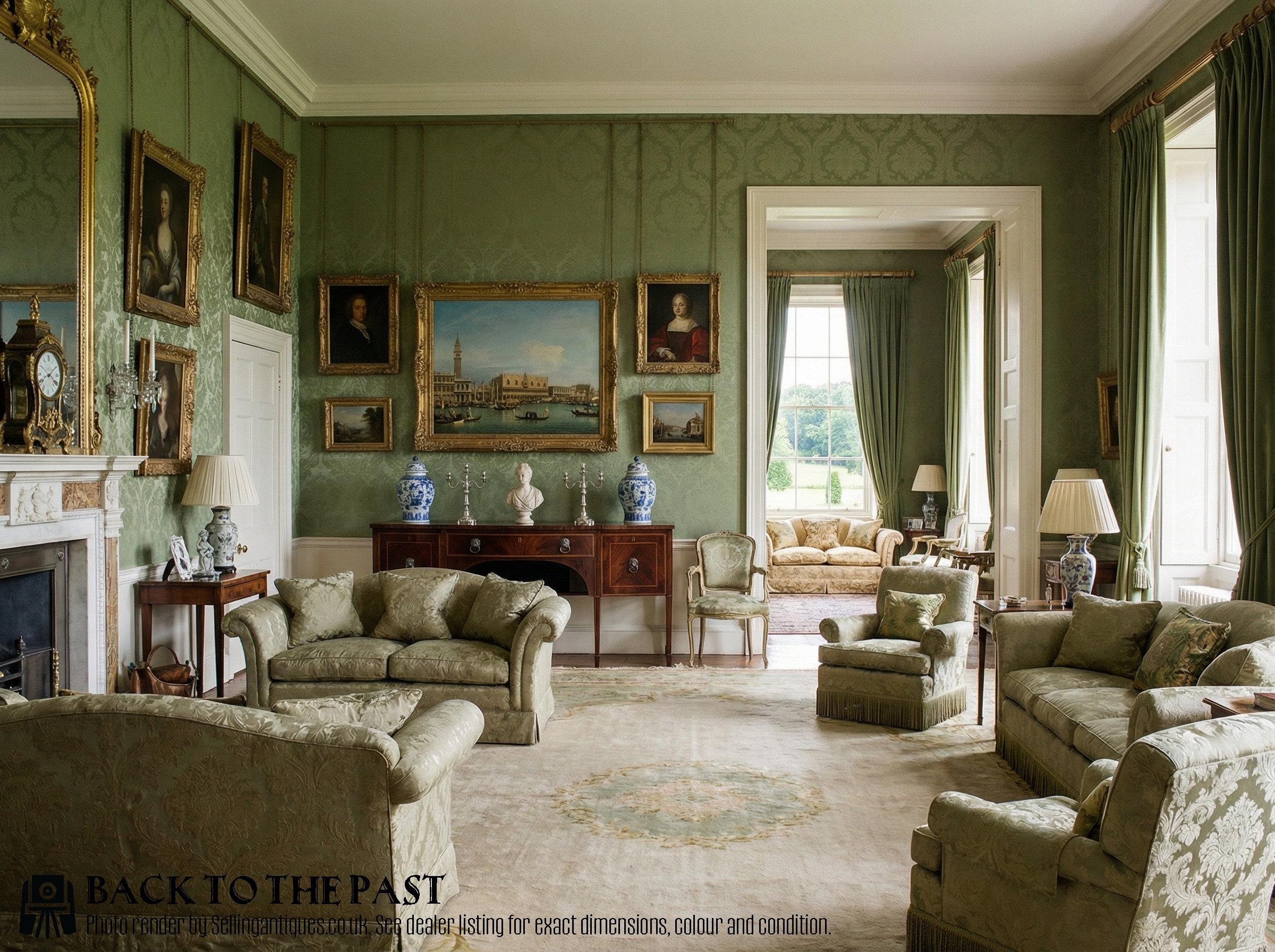
What the pieces are
An antique wooden sideboard cabinet provides substantial storage for dining rooms and living spaces, uniting practical shelving and surface area with period craftsmanship. When searching for an antique wooden sideboard cabinet, buyers encounter a variety of substantial forms designed to anchor a room.
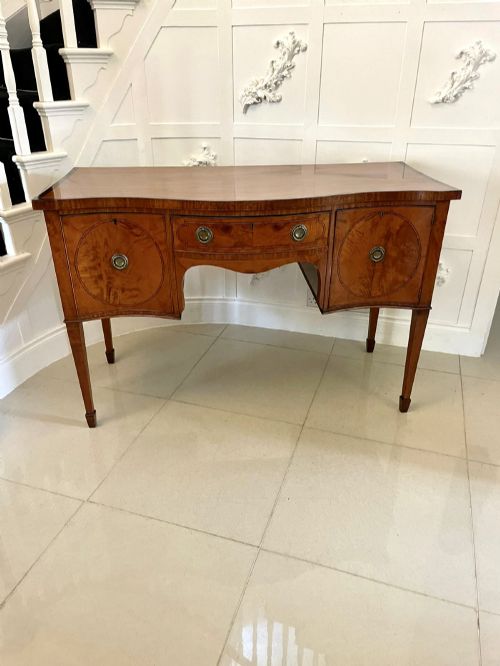
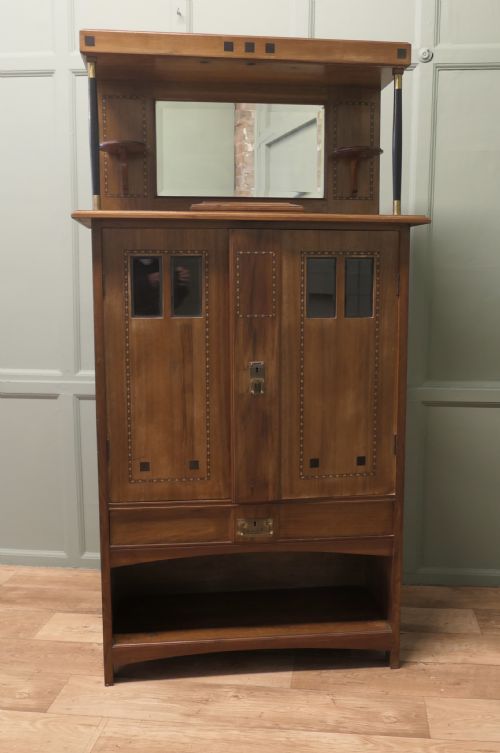
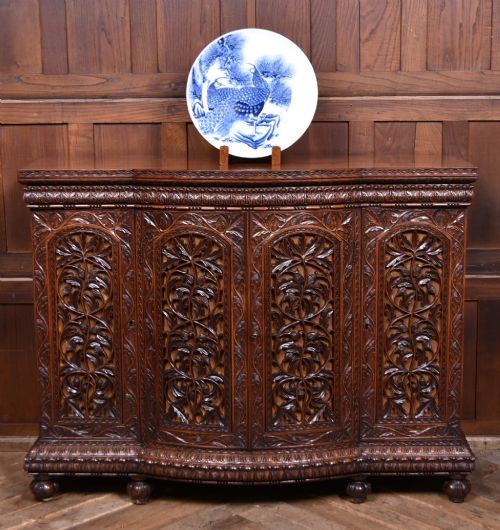
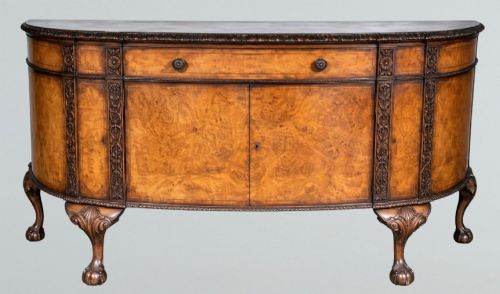
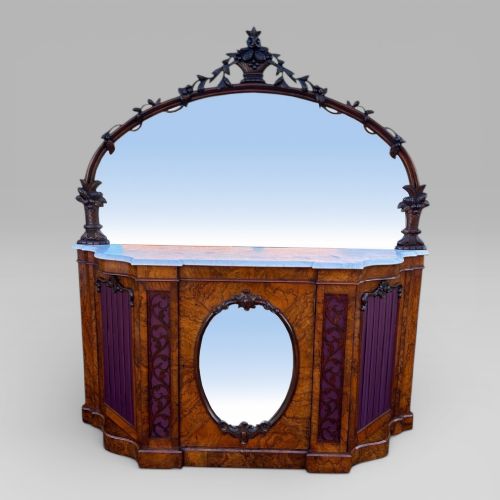
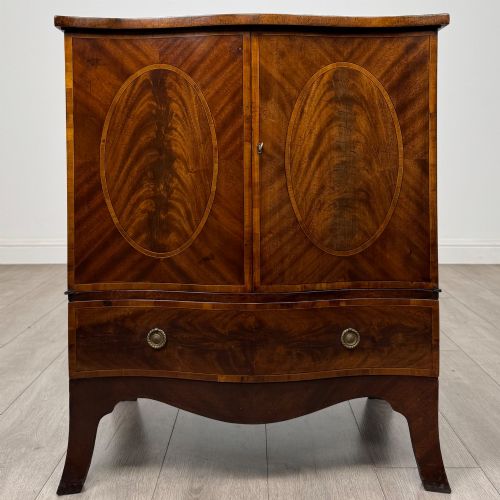
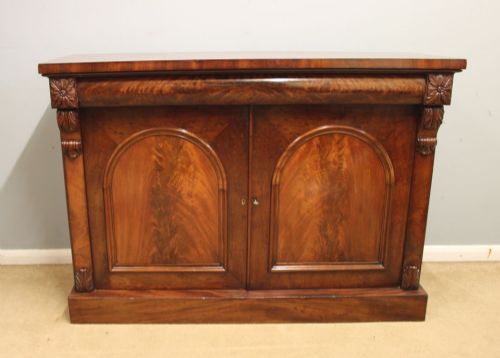
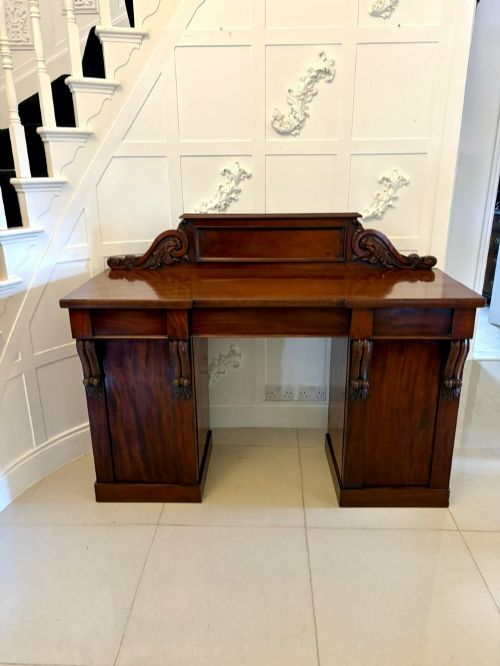
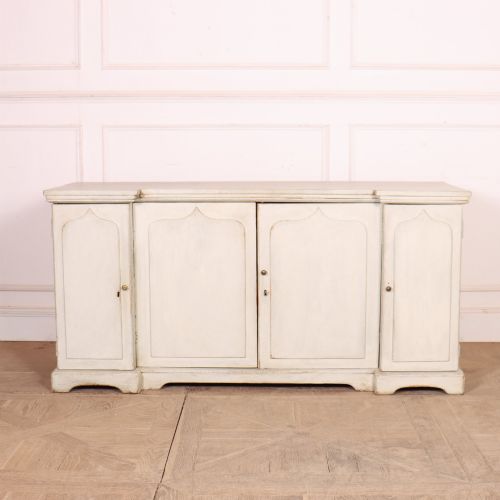
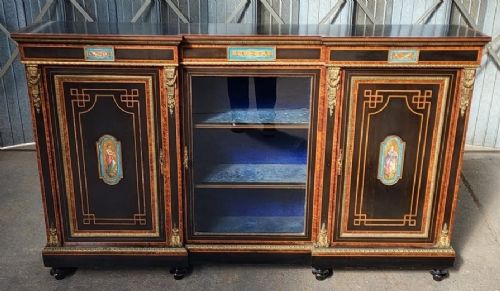
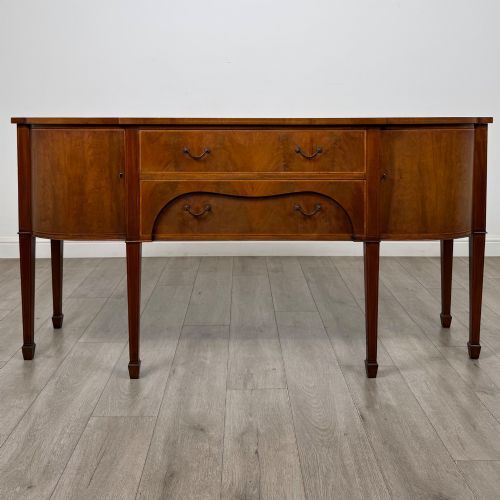
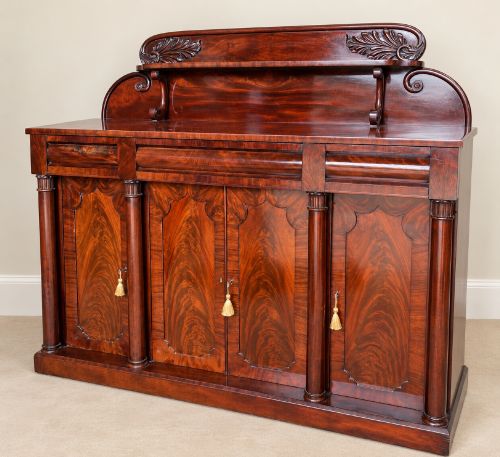
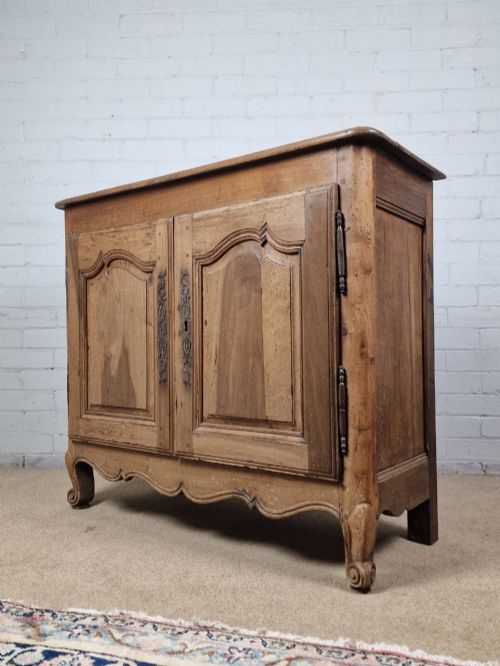
The selections on this page span the 18th, 19th, and 20th centuries, including Georgian, Victorian, Edwardian, and later iterations. Forms range from bowfront shapes to credenzas and carved cupboards originating from workshop traditions.
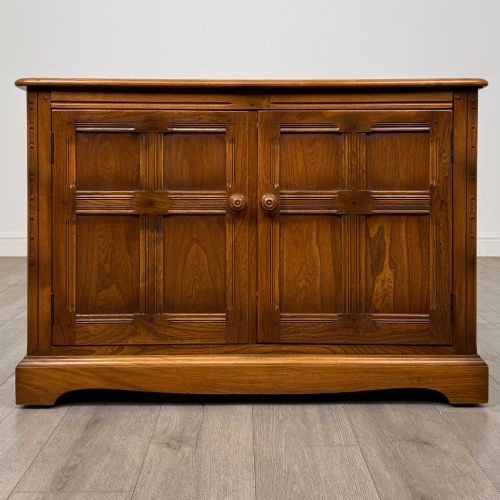
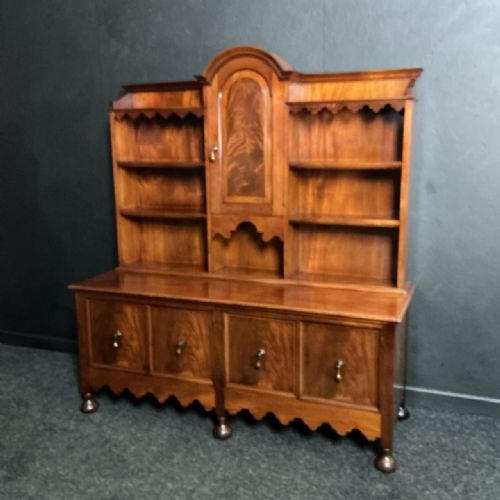
Mahogany and oak dominate the offerings, frequently enhanced by walnut, satinwood inlay, and burr veneers. These woods provide the structural integrity and rich grain patterns that define the category.
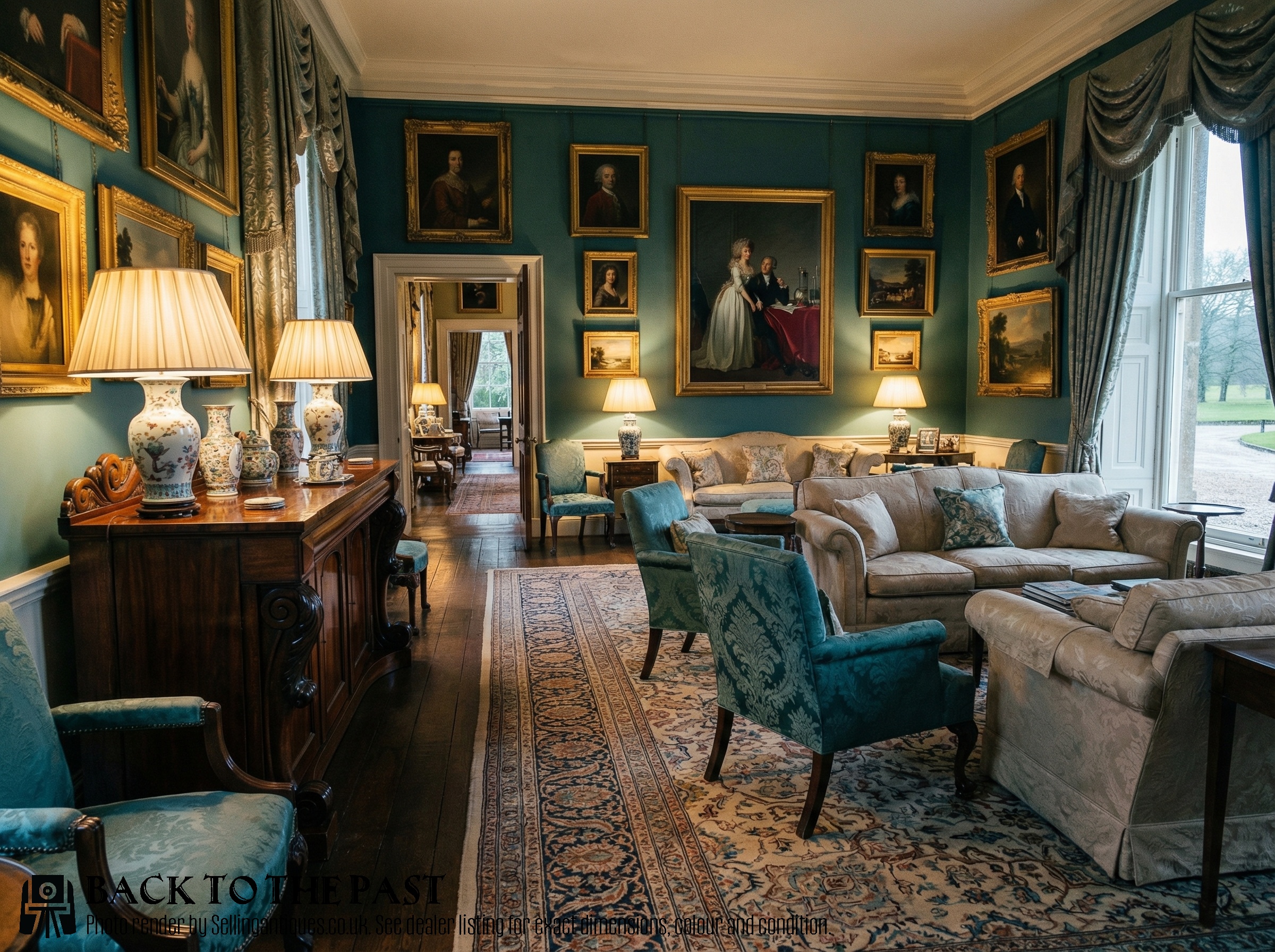
How they were made
Cabinet makers utilised dense hardwoods like mahogany and oak for the primary carcasses, ensuring durability and stable surfaces. Joinery techniques relied on traditional framing and fitted panels rather than modern adhesives.
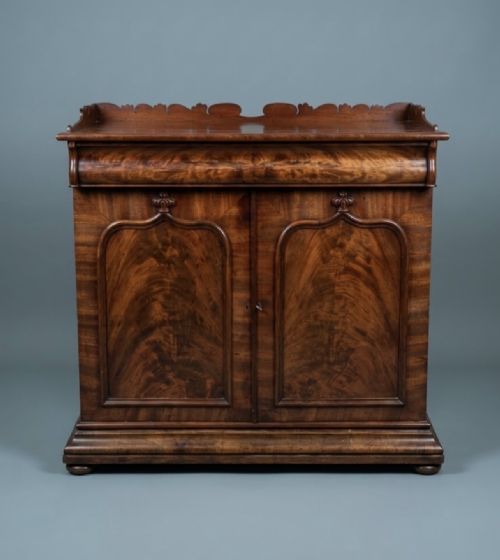
Decorative detailing incorporates fine veneers such as flame mahogany, burr walnut, and amboyna applied to primary surfaces. Contrasting satinwood inlay and carved elements provide visual depth, supplemented by cast brass hardware.
Retail Price Guide 2026
Typical UK retail prices for wooden sideboard cabinet, calculated from the Sellingantiques database of over a million retail prices indexed since 2003. This retail price guide relies exclusively on Sellingantiques data; no external sources or auction records are used, so the figures do not describe the wider market.
Some Edinburgh cabinet makers left their signatures hidden inside drawers.
What varies in quality
The upper tier of pieces is distinguished by thoughtful timber selection, such as matched flame mahogany or burr walnut veneers, paired with crisp, hand-carved detailing. Lesser examples rely on plain timber stock and repetitive factory shaping.
Hardware and interior fittings reveal the standard of construction, with original brass handles and finely jointed internal drawers separating workshop-made pieces from standard utility items.
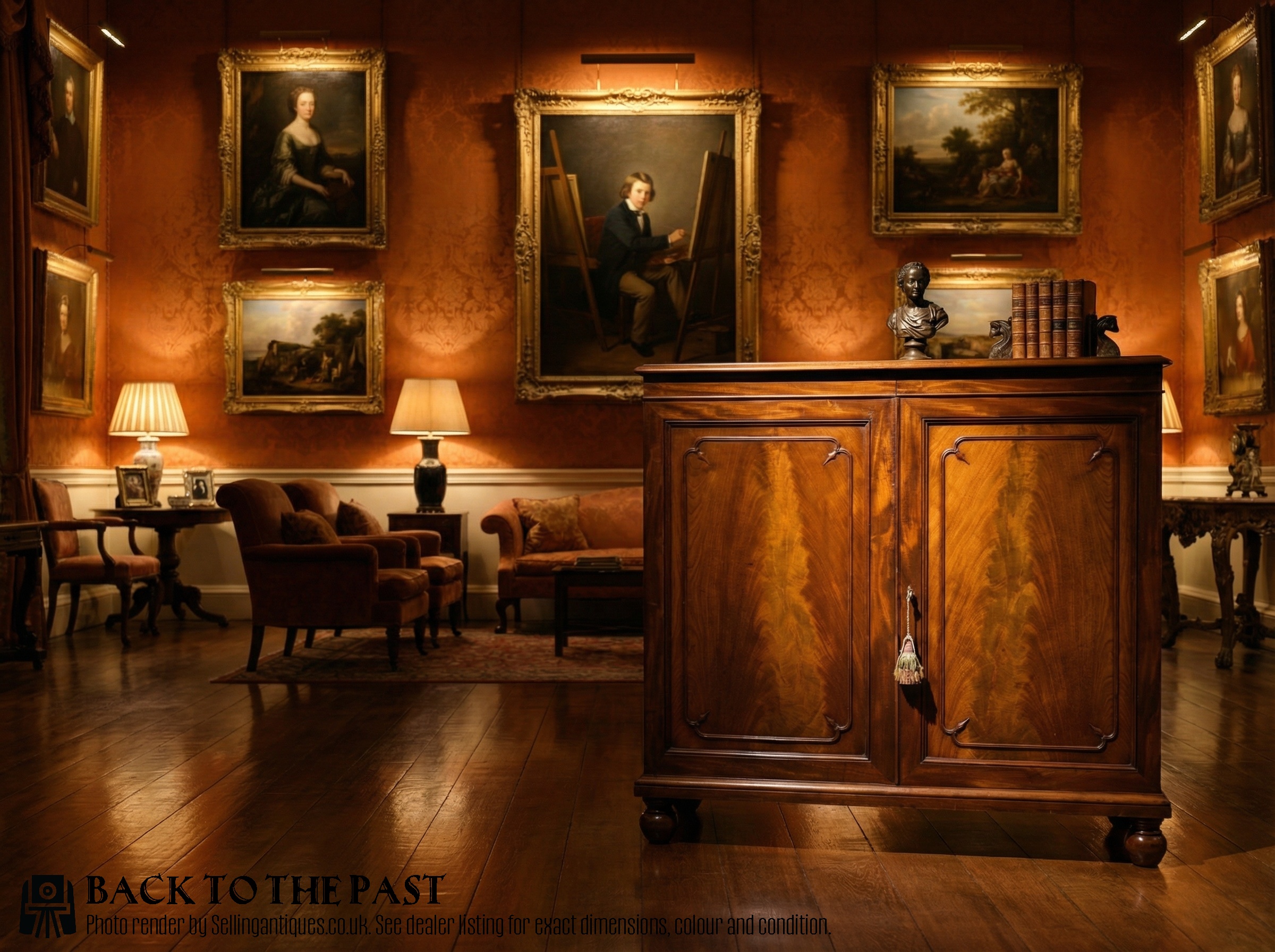
Gillows Estate·Whytock and Reid
The Antique Wooden Sideboard Cabinet Glossary
- Bowfront
- A curved cabinet front that swells outward in the centre. This configuration softens the rectangular geometry typical of large dining furniture.
- Credenza
- A low-profile cabinet historically used for displaying food or plate. Victorian examples often feature glass doors and elaborate veneers.
- Veneer
- A thin layer of figured wood applied over a secondary timber base. Flame mahogany and burr walnut are utilised in this manner.
- Inlay
- Contrasting wood or metal fitted flush into the surface of a panel to create decorative patterns. Satinwood is frequently employed for this purpose.
Frequently Asked Questions
How do I date a sideboard cabinet?
Dating relies on identifying timber choices, construction methods, and stylistic markers associated with specific periods like the Georgian era or the Edwardian years. Secondary woods inside drawers also offer clues to the age of the piece.
Changes in hardware styles and fixing methods help narrow down the decade of manufacture. Consulting construction details alongside established period designs provides the most reliable timeline.
Where should I place a sideboard cabinet?
These cabinets suit dining rooms, large hallways, or spacious living areas where their length and storage capacity can be fully utilised. Ensure adequate clearance for doors and drawers to open completely.
Keep wooden furniture away from direct heat sources and strong sunlight to protect the polished finish and delicate veneers from drying out.
What is the difference between oak and mahogany pieces?
Oak furniture typically dates from earlier periods or revival styles, offering a visible grain and a robust, matte appearance. These pieces often feature deeper relief carving.
Mahogany provides a smoother, denser surface that takes a higher polish, frequently enhanced by figuration like flame patterns or contrasting inlay work.
How do I care for antique veneer?
Maintain veneer surfaces by dusting gently with a dry, soft cloth and avoiding silicone-based polishes that can degrade historical finishes. Periodic waxing with a traditional beeswax preserves the moisture in the wood.
Protect the top surface from standing water and excessive humidity to prevent the thin veneer layers from lifting off the substrate.