

Carved Mahogany Display Cabinet
When you search for a carved mahogany display cabinet, you enter a world of Victorian, Edwardian and Georgian craftsmanship designed to showcase prized objects.

Carved Mahogany Display Cabinet
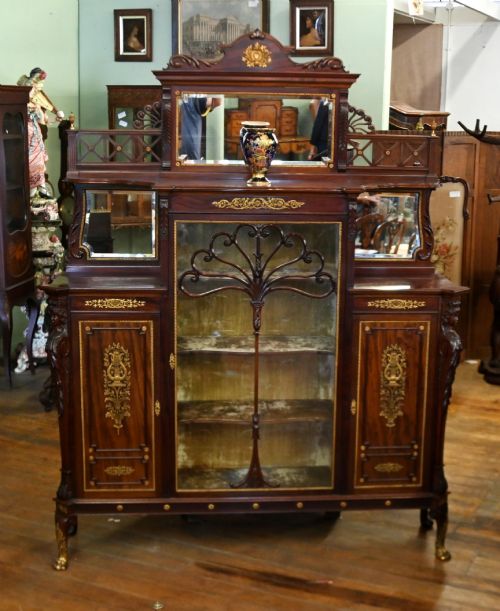
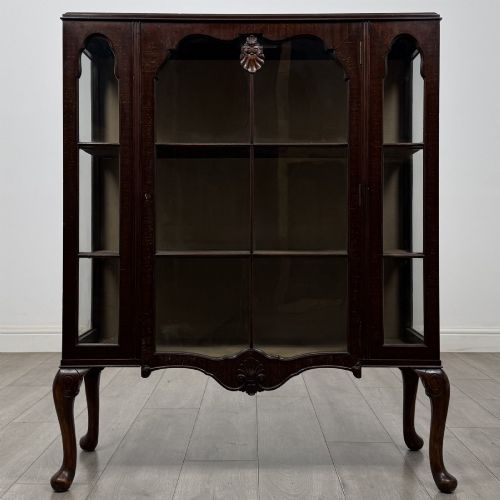
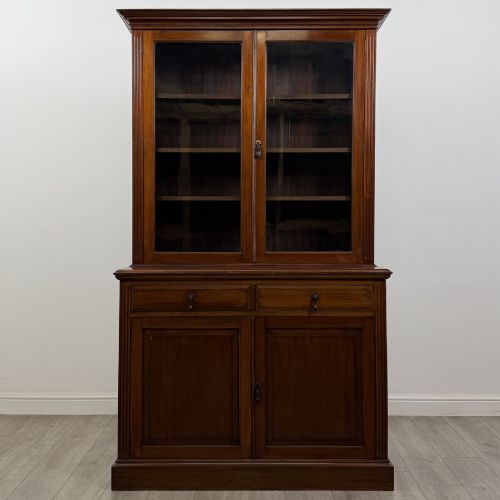
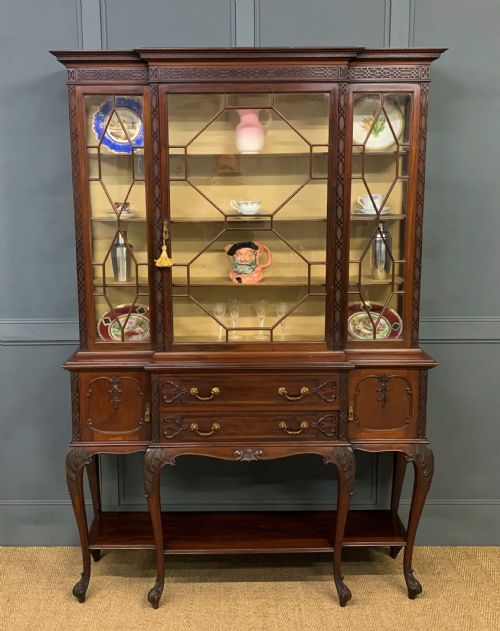
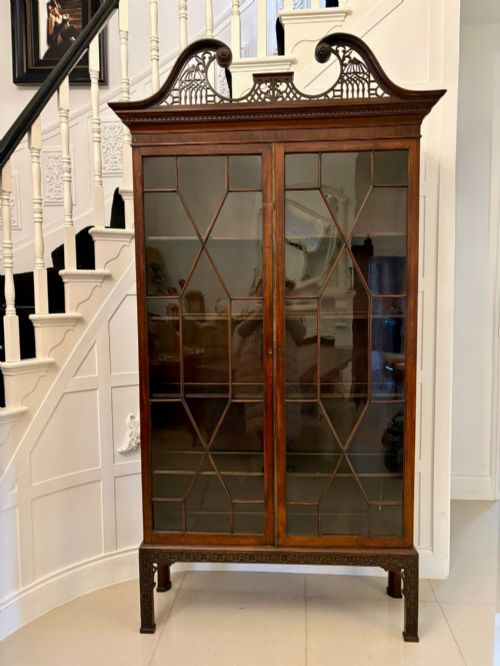
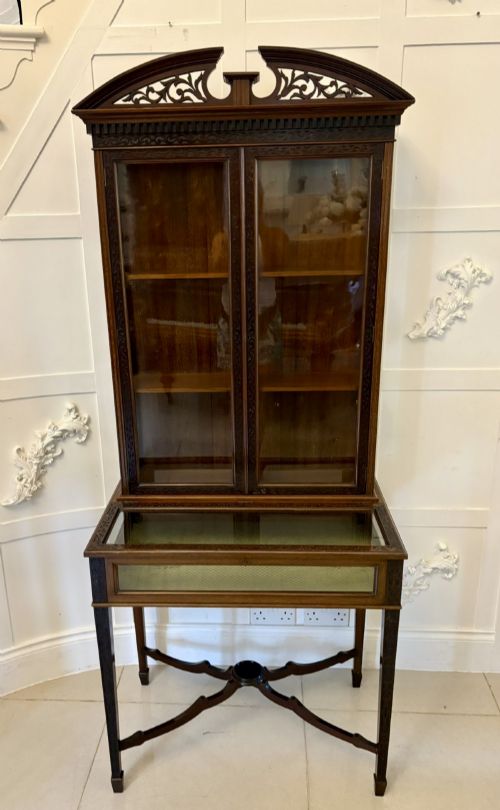
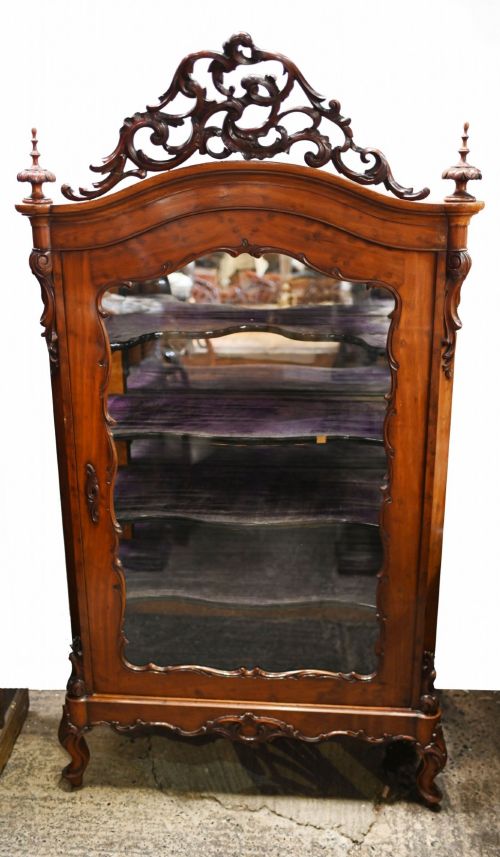
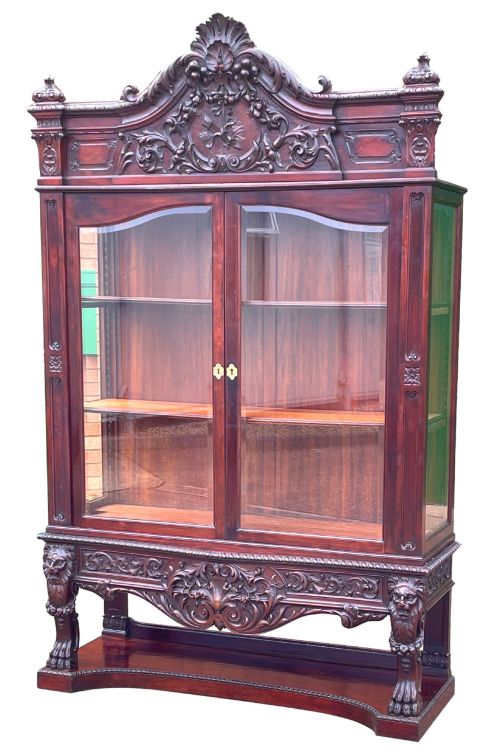
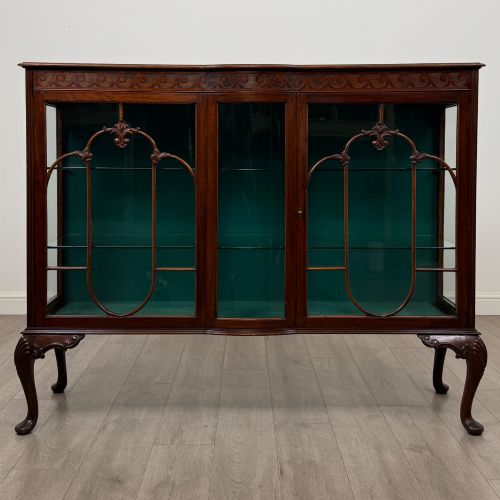
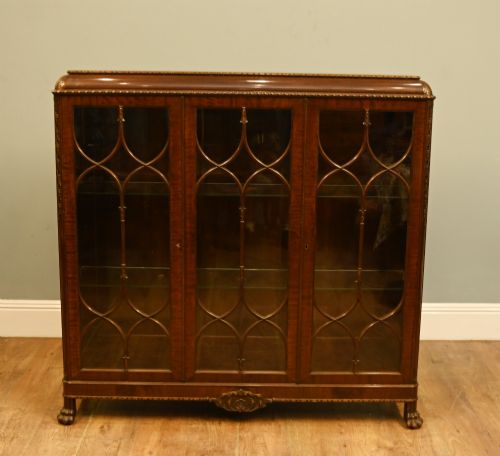
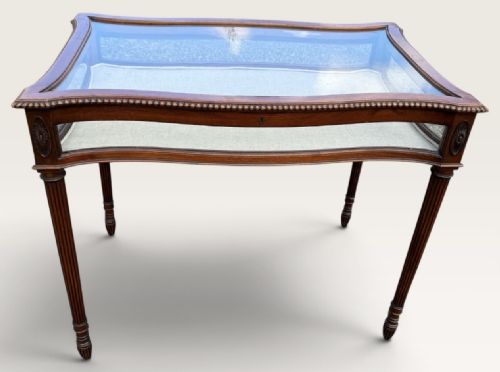
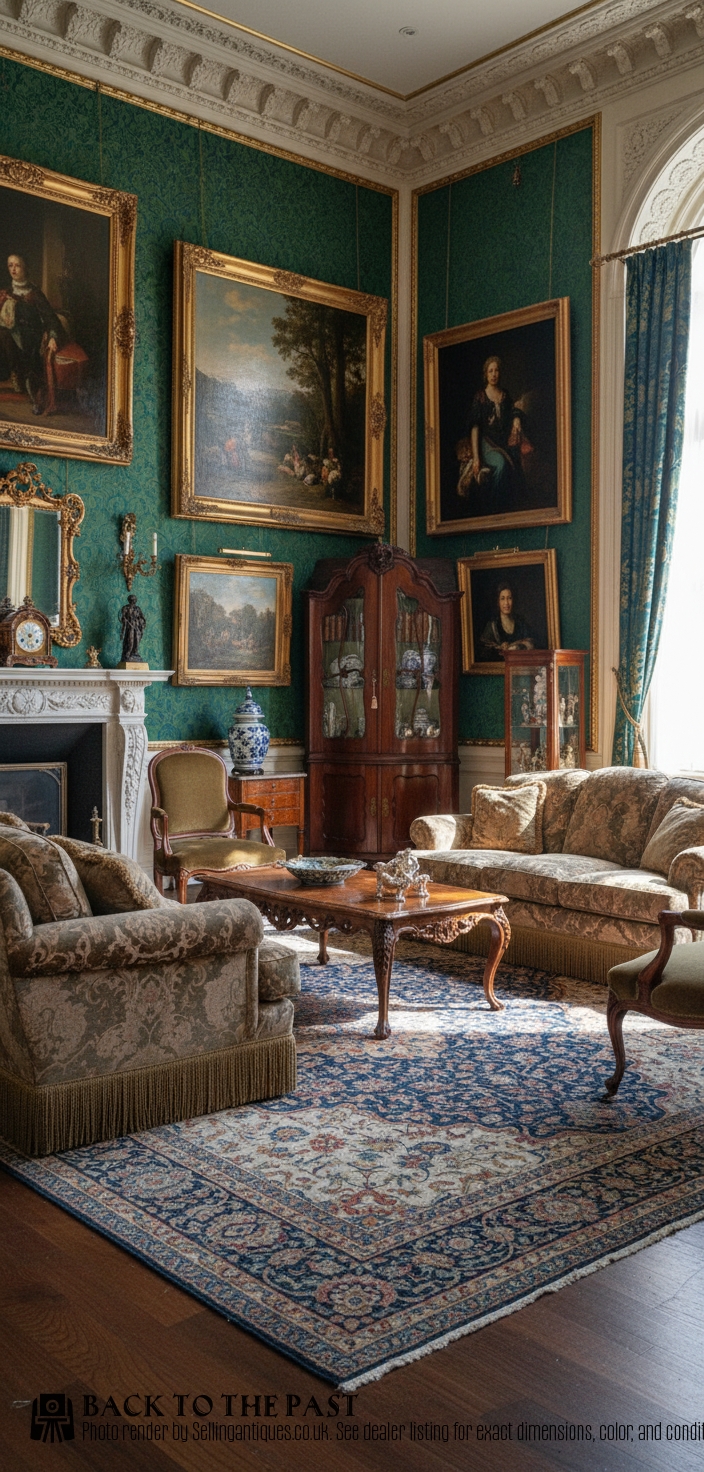
A carved mahogany display cabinet combines timber framing with glazed panels designed to protect and exhibit collectibles, ceramics and books. These pieces span the nineteenth and early twentieth centuries, appearing in forms from tall breakfront bookcases and corner units to slender side cabinets and tabletop bijouterie cases.
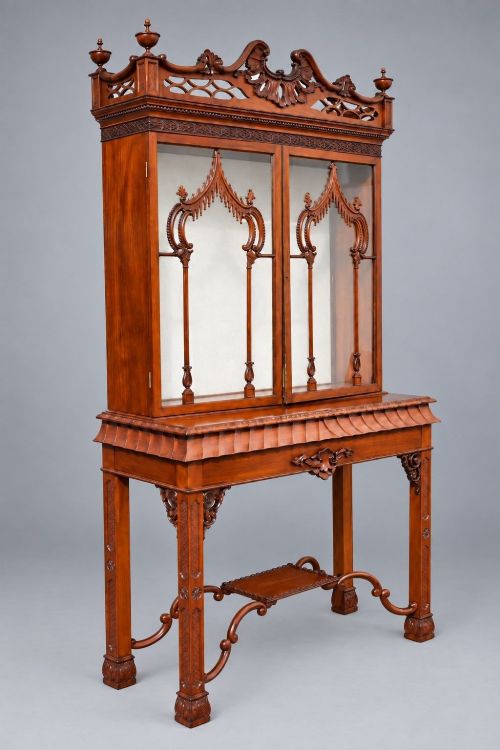
The Victorian and Edwardian periods supply the majority of examples seen here, often executed in revived idioms such as Chippendale or Queen Anne styles. Makers frequently incorporated brass hardware, fabric linings and mirror glass backs to enhance the internal illumination and visual depth of the display space.
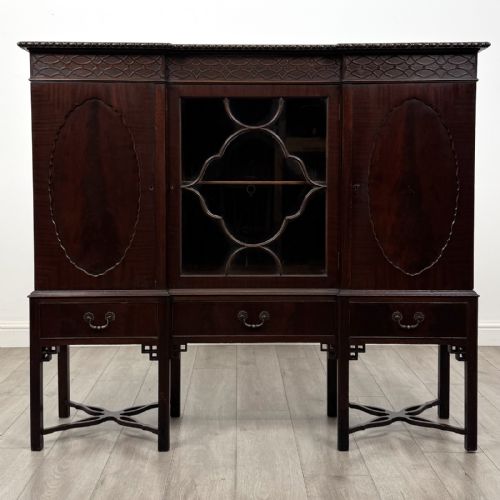
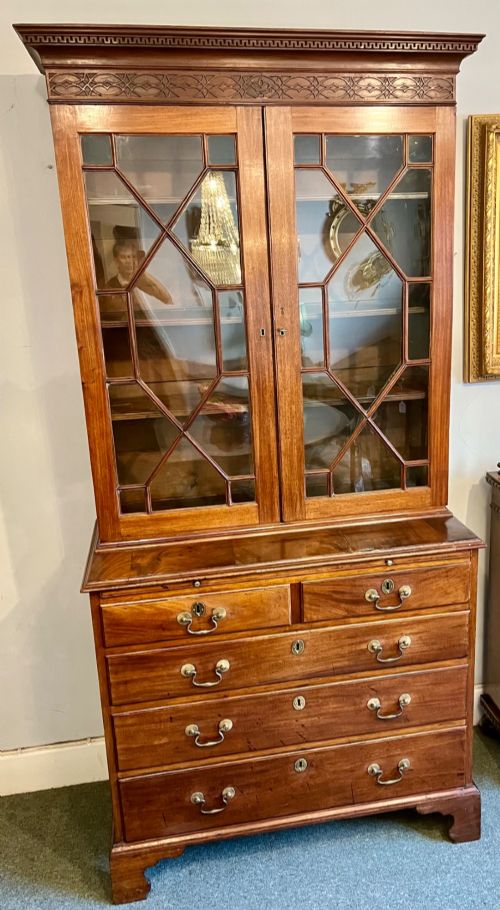
Alongside dedicated display cabinets, related forms like bookcases with astragal glazing, kitchen dressers, and sideboards share the same dense tropical hardwood and carved detailing. Buyers encounter everything from compact single-door corner units to large breakfront library pieces designed for principal reception rooms.
Materials and Construction Methods
Cabinet makers relied on solid mahogany and flame mahogany veneers applied to secondary structural timbers, frequently accented with marquetry panels or inlaid banding. The wood was selected for its rich grain patterns and durability, taking deep polish and intricate hand-carved motifs with equal success.
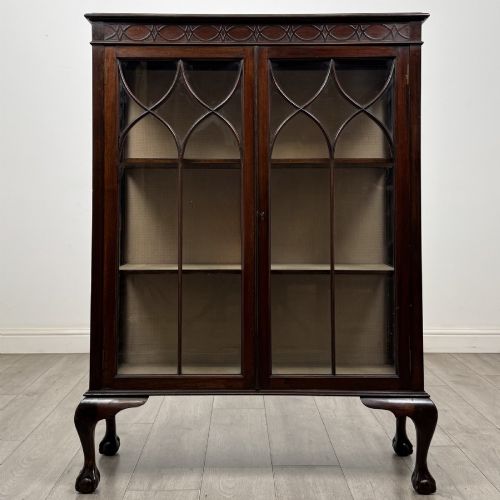
Glazing bars divided the glass into geometric panes, particularly in astragal and astral glazed doors influenced by Georgian and Chippendale designs. Interior surfaces often featured fabric-upholstered backs and wooden or glass shelving supported by adjustable brass rack systems.
Structural embellishments included applied mouldings, mirror glass backings, and carved bracket or ball and claw feet. Workshops employed traditional joinery techniques, securing joints with close-fitting tenons and dovetails before finishing the timber with shellac-based polishes.
Carved Mahogany Display Cabinet Retail Price Guide 2026
Typical asking prices for carved mahogany display cabinet among the pieces listed under this phrase on Sellingantiques today, from the lower quarter to the upper quarter. They describe what is for sale here now, not the wider market.
Some Edwardian cabinets managed to combine stately mahogany frames with secret internal drawers for hiding clandestine love letters.
Distinctions in Quality and Execution
The refinement of the hand-carving distinguishes superior examples from utilitarian production pieces, separating crisp, deep relief work from shallow, mechanical moulding. Superior cabinets display thoughtful proportion and balanced integration of ornamental details like blind fretwork or claw feet.
The selection of timber significantly alters the visual presence of a cabinet, with figured flame mahogany veneers commanding greater attention than plain stock planks. Interior treatments, such as bevelled mirror glass, neat fabric upholstery, and well-fitted brass hardware, indicate higher standards of original workshop assembly.
Maple & Co.·Edwards & Roberts·James Winter & Sons·Lamb of Manchester
The Carved Mahogany Display Cabinet Glossary
- Astragal glazing
- Framework of wooden bars holding small panes of glass within a cabinet door. This technique defines many Georgian and revival bookcases.
- Bijouterie table
- A glass-topped display table utilised for housing small valuables and decorative items. These pieces often feature hinged lids and lined interiors.
- Breakfront
- A piece of furniture where the central section projects forward from the flanking wings. This architectural arrangement creates depth and visual interest in large bookcases.
- Flame mahogany
- A veneer figure characterised by a flamelike pattern derived from cutting through boughs or forks of the tree. It provides striking decorative surfaces on primary doors and panels.
- Marquetry
- Inlaid patterns of contrasting wood veneers or other materials applied to the carcass. It decorates cabinet doors and friezes with floral or geometric motifs.
Carved Mahogany Display Cabinet: Frequently Asked Questions
What items were historically displayed inside these cabinets?
Owners used these pieces to exhibit porcelain collections, glassware, silver, and treasured library volumes. The inclusion of glass panels and mirrored backs protected delicate items from dust while reflecting light around the interior.
In drawing rooms and libraries, they served as both storage and focal points for entertaining guests and displaying social status through refined collecting tastes.
How can I distinguish a Victorian piece from an Edwardian one?
Victorian cabinets often exhibit heavier proportions, darker finishes, and dense carving influenced by historicist revivals. They frequently utilise plate glass and substantial brass locks.
Edwardian examples tend towards lighter framing, sometimes incorporating satinwood inlay, simpler astragal glazing bars, and influences from Sheraton or Chippendale design books.
Where should I place a large mahogany display cabinet at home?
These tall pieces require stable wall space away from direct sunlight to protect the mahogany timber and interior fabric linings from fading. Adequate clearance is necessary for swinging doors and opening lower cupboards.
Positioning them in principal rooms allows interior mirrors and glass shelving to catch natural light and illuminate the objects kept inside.
How do I care for the mahogany and glass surfaces?
Maintenance involves dusting timber regularly with a soft, dry cloth and applying traditional wax polish sparingly to nourish the shellac finish. Avoid silicone-based sprays which can damage older polishes.
Glass panels and interior mirrors should be cleaned with gentle glass cleaner applied to a cloth rather than sprayed directly, preventing moisture from seeping into wooden joints.